Наталя ХандусенкоGadgets
5 August 2026, 17:52
2026-08-05
Secretly removed tips about 32 GB of RAM: Microsoft is "tightening its belts" due to memory shortages
Microsoft has quietly removed recommendations from its website to buy computers with 32 GB of RAM. The reason is the shortage and rising cost of memory systems, which is forcing the tech giant to once again sell basic laptops with only 8 GB of RAM.
Microsoft has quietly removed recommendations from its website to buy computers with 32 GB of RAM. The reason is the shortage and rising cost of memory systems, which is forcing the tech giant to once again sell basic laptops with only 8 GB of RAM.
Back in May of this year, Microsoft convinced users that 16 GB of RAM is the new "reasonable minimum" for comfortable operation in Windows 11, and 32 GB of RAM is the ideal choice "with a margin for the future" for gamers and those who like fast systems, writes Tom's Hardware.
However, now these posts from the Windows Learning Center website have simply disappeared, and the links redirect to the main page. The company “forgot” about its own advice, as it itself released new Surface Pro 12 and Surface Laptop 13 models in basic configurations with only 8 GB of RAM.
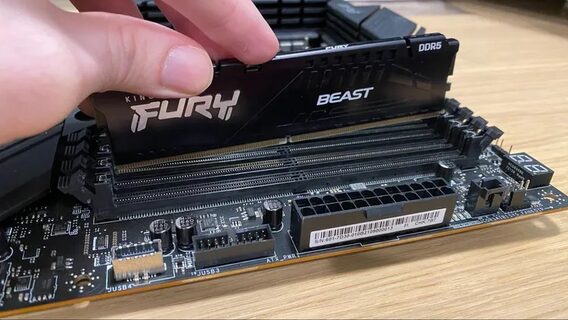
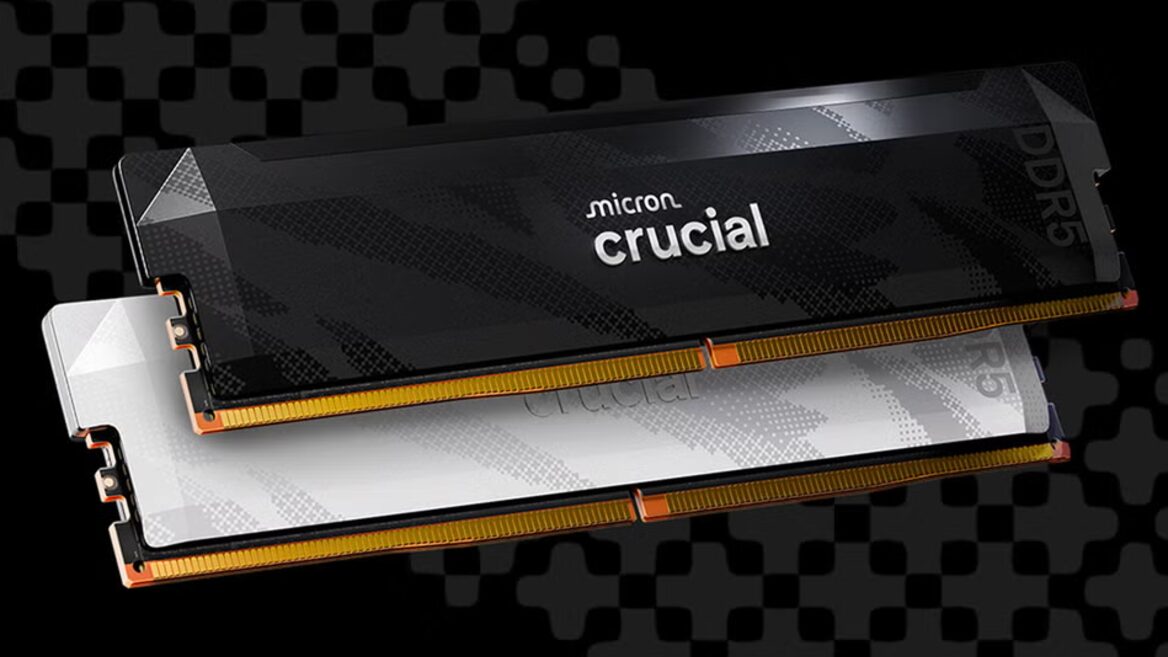
There is a serious shortage and price spike in memory modules (DDR4 and DDR5) on the market. It has become expensive to buy or add RAM, so manufacturers are bringing back cheaper configurations with 8 GB.
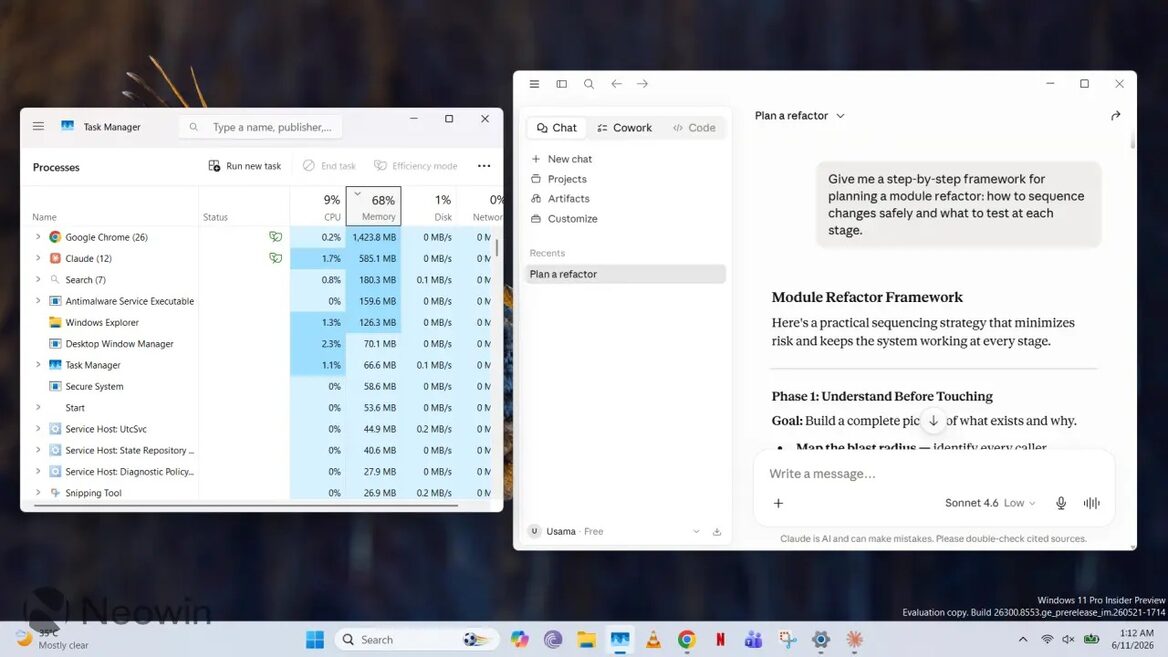
But there is a problem: Windows 11 itself is very fond of RAM. Many modern programs are written on web technologies (such as React or WebView2). They are convenient for developers, but for them to "eat up" 8 GB is a matter of several open tabs and applications.
When memory was cheap, developers didn't worry about saving it. Now that's changing.
Microsoft promises to tighten its belts and optimize Windows 11 so that it consumes fewer resources and works normally even with 8 GB.
This is reminiscent of the 1980s and 1990s, when Microsoft engineers literally counted every kilobyte. For example, the legendary Task Manager weighed only 80 KB back then, so it could run on even the weakest computers.
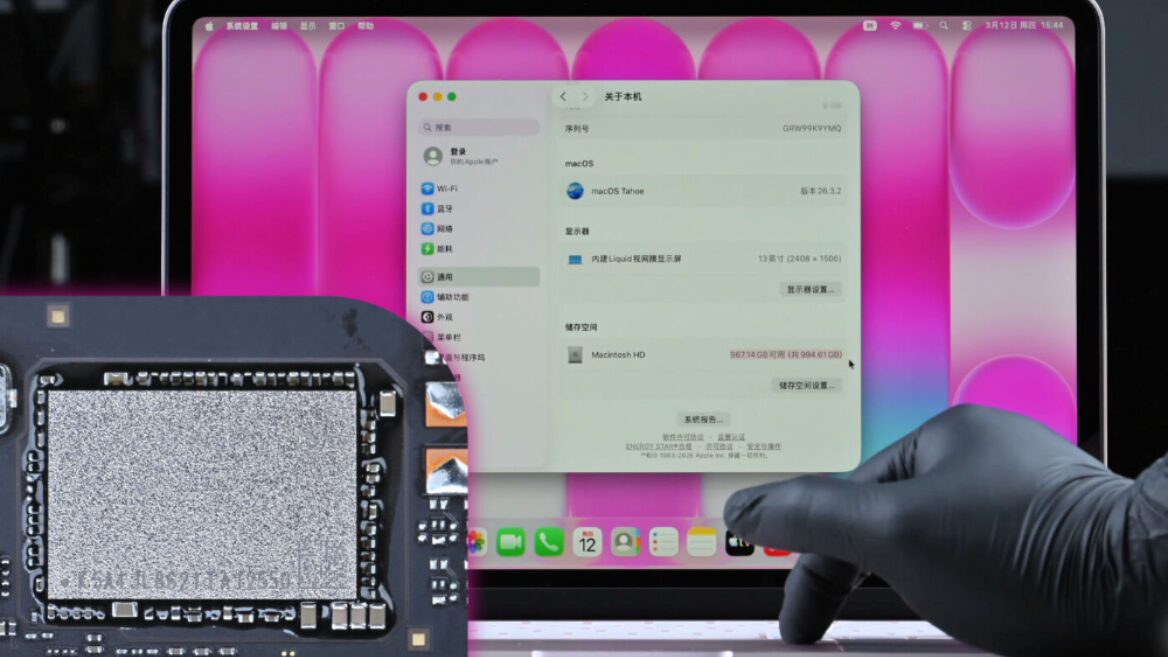
Now developers will have to remember the old days and learn how to make software efficient, as users are increasingly looking towards more economical alternatives - macOS and Linux.
RAM prices are rising faster than gold and have already caught up with PlayStation 5. This is just the beginning: we talk about the new chip crisis and who it will affect