Хочете будувати кар’єру в Data Science та AI? Vodafone Big Data Lab відкриває новий набір —>
Наталя ХандусенкоAI Eng
5 November 2026, 16:33
2026-11-05
One hacker used a network of 12 AI agents to attack sites in 11 countries around the world
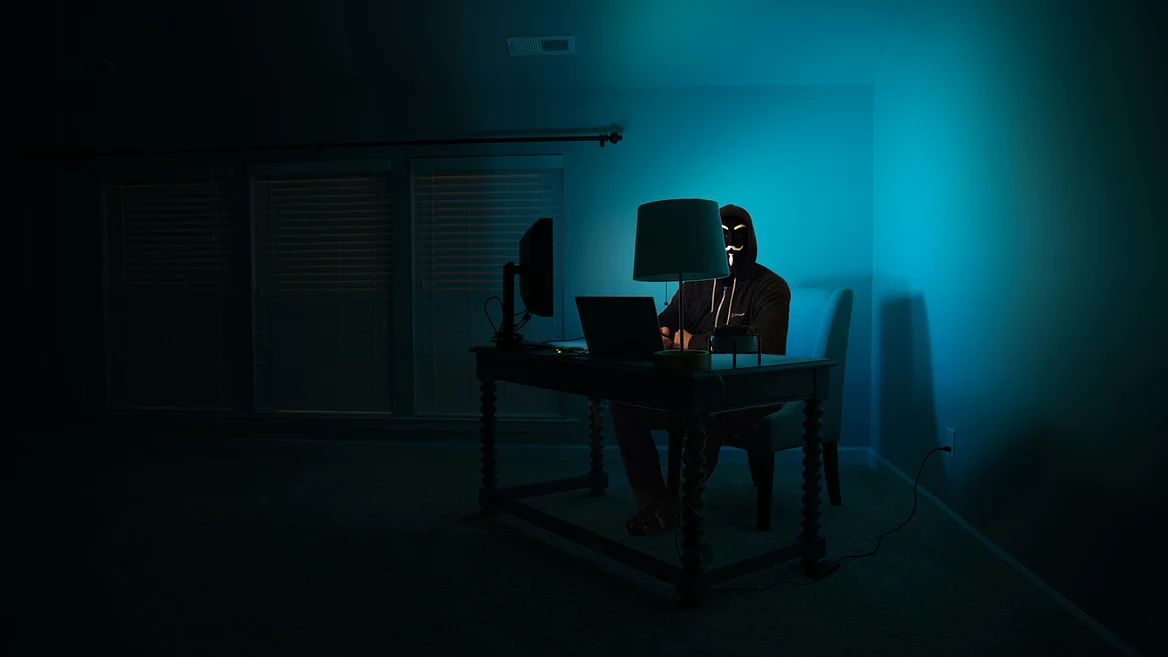
Researchers from the Acronis Threat Research Unit (TRU) have discovered a global cyberattack carried out by a single Taiwanese hacker using a network of 12 AI agents collectively known as BOSSAI.
Researchers from the Acronis Threat Research Unit (TRU) have discovered a global cyberattack carried out by a single Taiwanese hacker using a network of 12 AI agents collectively known as BOSSAI.
Targeted attacks affected hundreds of organizations in 11 countries, covering emergency services, banks, universities, military systems, telephone directories, e-commerce and gambling platforms, Cybernews reports .
How an AI-augmented threat attack works
Acronis cyber experts discovered the campaign by accident, through a misconfigured development server of the hacker. It contained a full-fledged attack platform: over 90,000 files, about 9 GB of logs, chat histories, exploitation tools, and stolen victims' data.
A network of 12 AI agents shared clear roles among themselves, using open-source platforms for automated pentesting: some agents wrote code, others scanned websites for vulnerabilities, and still others carried out direct hacking.
The agents did not communicate directly with each other - the hacker sat at the center of the system and coordinated their work through advanced tools and MCP servers.
The attack has already been confirmed to have leaked medical and personal data from several universities and emergency services. For example, in Taiwan, a hacker gained access to cardiograms, videos from outpatient clinics, and emergency call records, in Mexico, over 206,000 phone records were stolen, and in Thailand, 45 universities were attacked.
Commercial AI models refused to "hack"
An interesting detail of the study was the behavior of the language models themselves. The hacker tried to use commercial AI models to generate hacking tools, but they systematically refused to execute malicious instructions. Even Chinese open-source models blocked prompts to find vulnerabilities and “lectured” the hacker about cyber law.
Because of this, the hacker had to switch to local open models. They turned out to be much less efficient, limited in resources, and made many errors when performing tasks, which significantly complicated the attacker's work.
The emergence of so-called AI-augmented threats indicates a dramatic lowering of the threshold for entry into cybercrime. The use of leased GPU power and open-source models allows individual hackers to achieve a scale and speed of action previously only available to advanced state-funded APT groups.
Як нейромережі бачать вільну та незалежну Україну? Тест dev.ua
Нейронні мережі для генерації зображень бачать світ по-своєму, їхню логіку зрозуміти часом зовсім неможливо. Але таки хочеться. На честь Дня Незалежності України редакція dev.ua вирішила провести невеликий експеримент.
Ми задали чотирьом різним нейронним мережам п’ять однакових запитів: «прапор України», «День Незалежності України», «український Крим», «перемога України» та «українці». Отриманими результатами ми ділимося з вами нижче.
У TikTok тепер можна генерувати фон за допомогою нейромережі. Ми протестували її та ділимося результатами
У TikTok з’явилася нова функція «Розумний фон». З її допомогою як фон для тіктоків можна підставляти згенеровані нейромережею зображення. Редакція dev.ua протестувала цю технологію і ділиться своїми враженнями.