Хочете будувати кар’єру в Data Science та AI? Vodafone Big Data Lab відкриває новий набір —>
Олег ОнопрієнкоWeapon
8 July 2026, 09:00
2026-07-08
Open source against Russian ballistics. How the Freyja anti-ballistic shield works and when will the Ukrainian FP-7.x start shooting down Iskanders
The extreme massive missile strikes by the Russian Federation on Kyiv, which claimed the lives of more than five dozen people in Kyiv, showed that Ukraine has exhausted its stock of PAC-3 interceptor missiles — the only means against ballistic missiles. Despite the presence of contracted PAC-3s, their transfer will not take place before 2027, and the “allies” are openly ignoring requests from the Ukrainian authorities to give up their place in the queue and provide missiles from their stocks. This once again proves that Ukraine needs to develop its own ways of protecting citizens from Iskanders. And such weapons are already being created, and what’s more, they are becoming part of pan-European security.
We tell you how the Freyja pan-European ballistic shield project works, why the Ukrainian FP-7.x missile is at its heart, and most importantly, when it can start shooting down Russian ballistic missiles.
The extreme massive missile strikes by the Russian Federation on Kyiv, which claimed the lives of more than five dozen people in Kyiv, showed that Ukraine has exhausted its stock of PAC-3 interceptor missiles — the only means against ballistic missiles. Despite the presence of contracted PAC-3s, their transfer will not take place before 2027, and the “allies” are openly ignoring requests from the Ukrainian authorities to give up their place in the queue and provide missiles from their stocks. This once again proves that Ukraine needs to develop its own ways of protecting citizens from Iskanders. And such weapons are already being created, and what’s more, they are becoming part of pan-European security.
We tell you how the Freyja pan-European ballistic shield project works, why the Ukrainian FP-7.x missile is at its heart, and most importantly, when it can start shooting down Russian ballistic missiles.
What is Freyja?
Freyja is a pan-European anti-ballistic missile system concept that Ukraine is promoting together with its partners as a future layer of defense against ballistic missiles over Europe. Its key idea is simple: instead of individually purchasing expensive “closed” complexes, European countries would jointly build a shield where the missile, radars, and control systems are developed from the outset as a common modular platform.
Unlike classic "monolithic" complexes, Freyja is conceived from the very beginning as a "system of systems". The Ukrainian missile should work with various European radars, command posts and communication networks, and not be rigidly tied to one manufacturer. This is the main difference from the approach when, together with the air defense system, the country actually buys a lifelong dependence on one supplier and its export control.
How Freyja is arranged
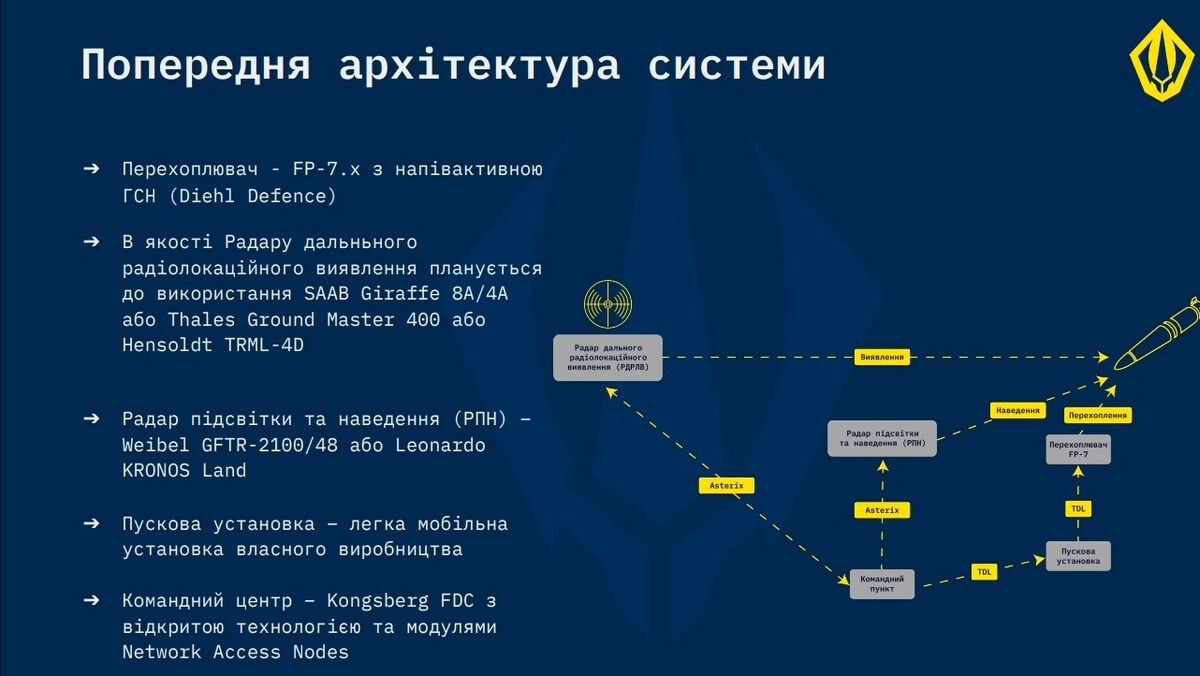
For Freyja to become a real shield, one missile is not enough. The entire system is built on several components: sensors, controls, an interceptor, and open source.
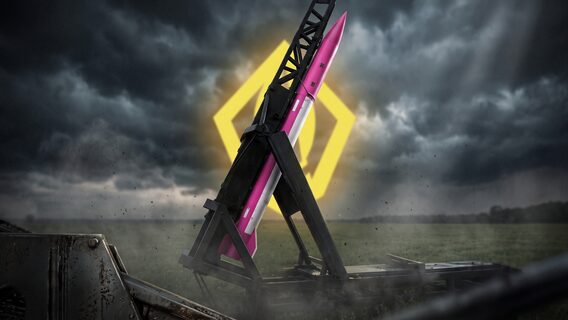
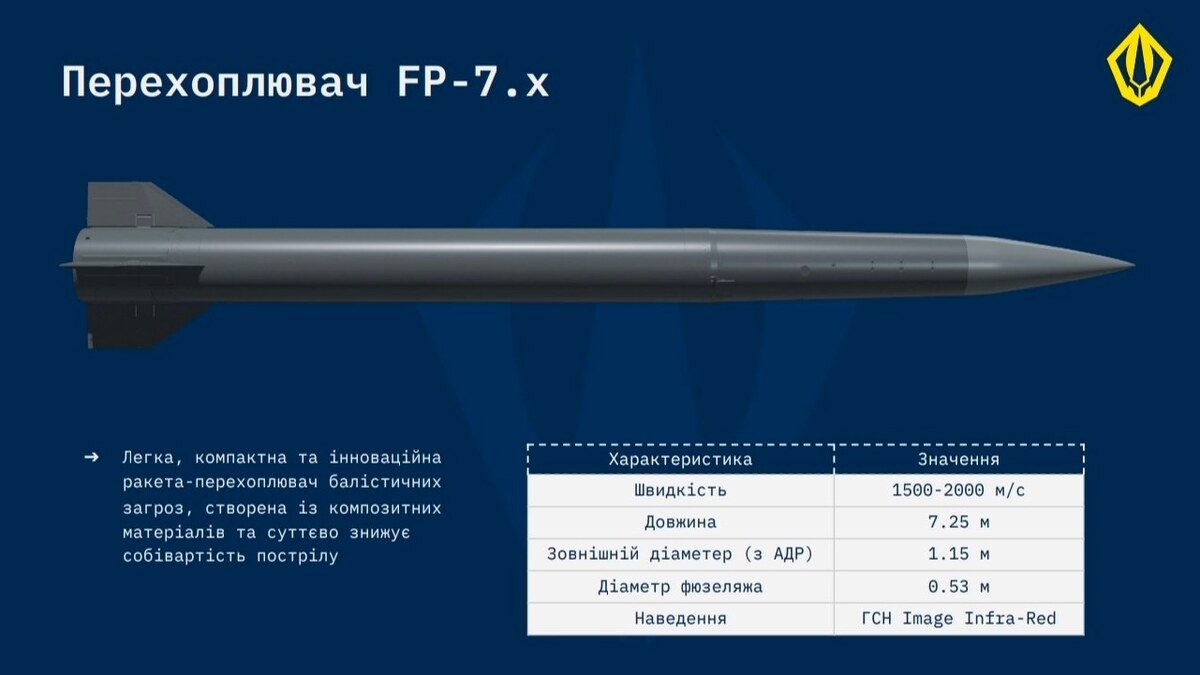
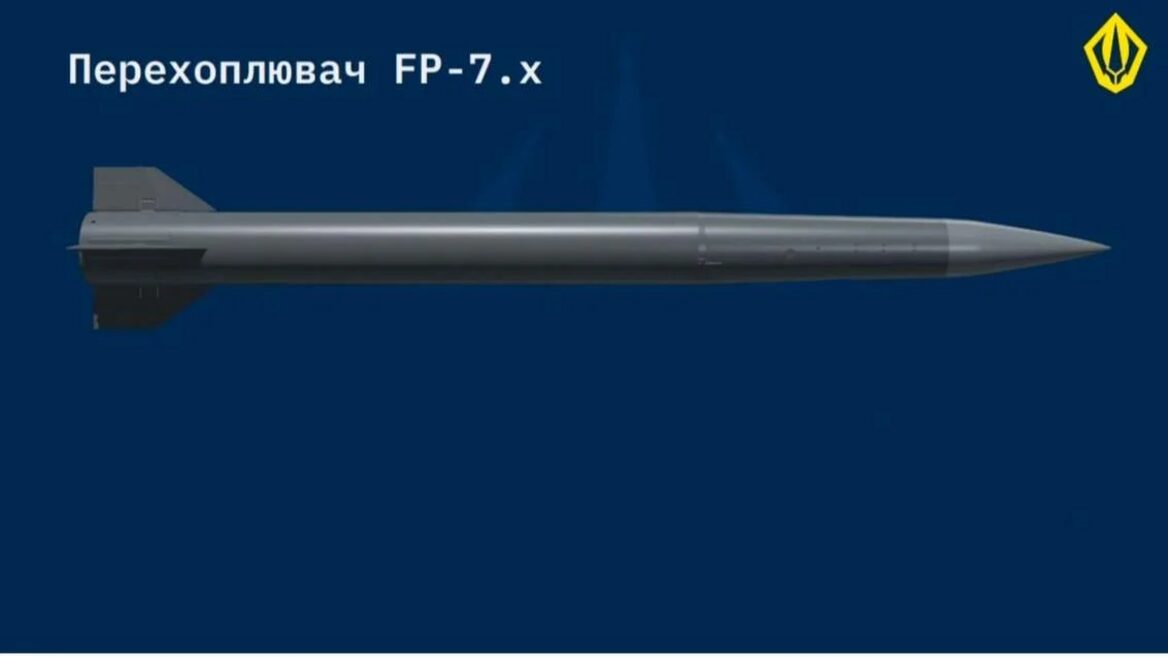
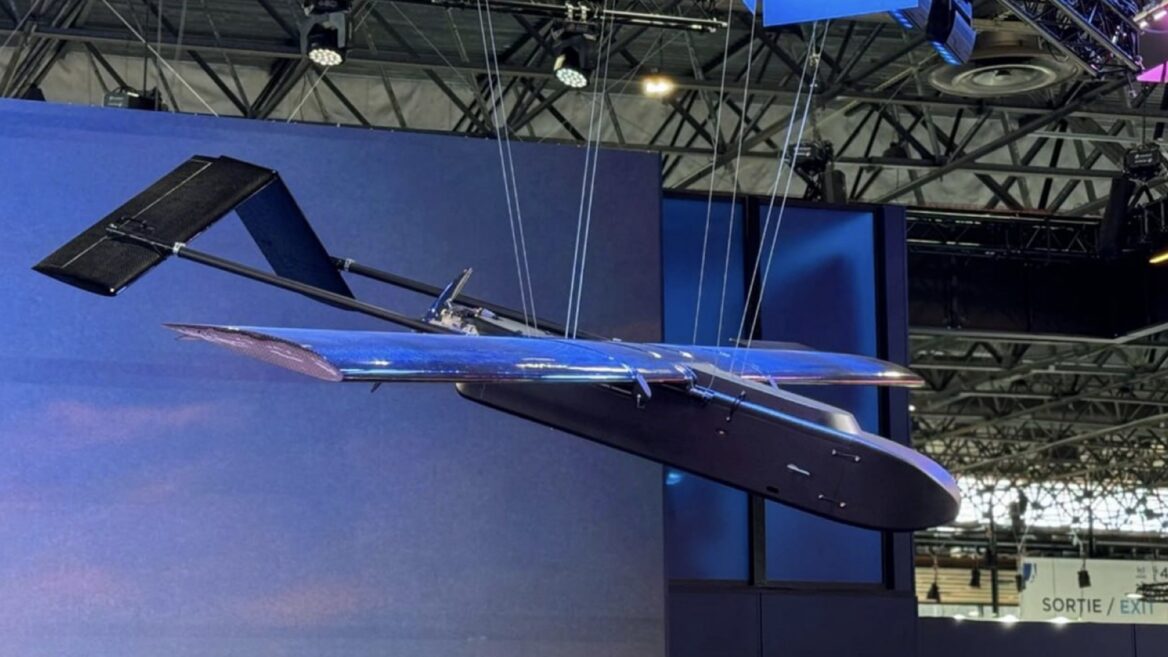
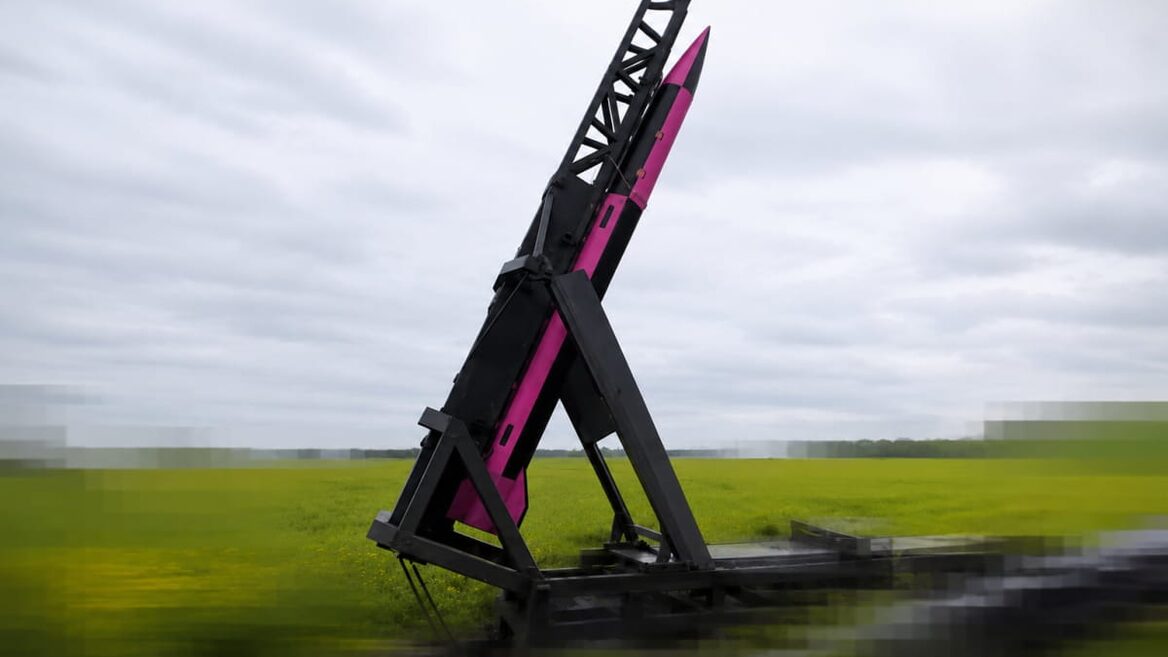
At the center of Freyja is the Ukrainian FP-7.x interceptor missile , which is being developed by Fire Point. It is a high-speed interceptor, comparable to the scarce PAC-3 for the Patriots, designed to engage high-speed targets at high altitudes. The FP-7.x is priced at around $700,000, while the PAC-3 costs $3.8 million.
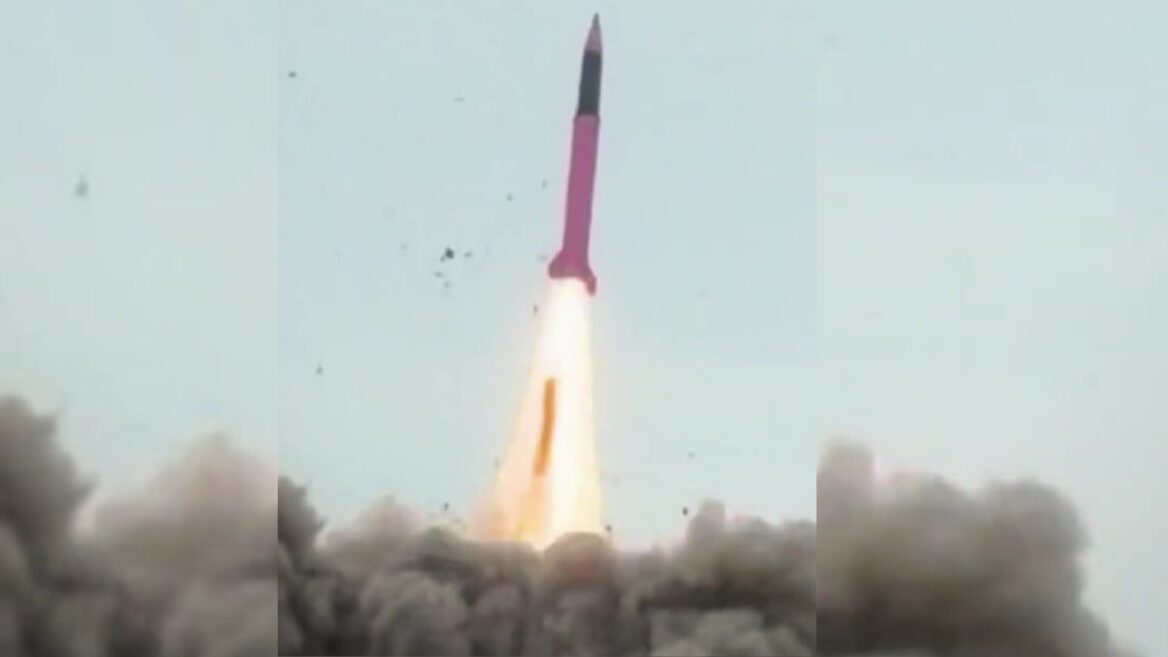
The missile has already undergone flight tests at altitudes of up to approximately 25 km. Fire Point Chief Designer Denis Shtilerman stated that from an aerodynamics point of view, the FP‑7.x fully complies with all control commands.
Radar component . For Freyja, the path of integration of existing and promising radars from European manufacturers was chosen. First of all, we are talking about the German Hensoldt TRML‑4D — a modern multifunctional radar, which already operates as part of the IRIS‑T systems and is capable of tracking dozens of targets simultaneously. In June 2026, Fire Point and Hensoldt signed an agreement to integrate these radars into the Freyja architecture, which in fact means that the “German eyes” will become one of the standard options for the system.
To make the design as cheap as possible, the engineers chose a combined guidance method. Unlike the Patriot, which is constantly accompanied by an expensive ground-based radar, the Ukrainian interceptor moves with the help of radar only on the marching trajectory, and on the “last mile” before the target it turns on its own thermal homing head. Although thermal sensors are more sensitive to heat traps and radio-electronic interference, this solution allowed to significantly reduce the cost of the missile.
Command and control section and communications. Freyja is designed to use the Link 16 standard, which ensures compatibility with NATO networks and allows you to see the overall aerial picture. Ukrainians are already familiar with Link 16, as it is already used by the Defense Forces for aviation coordination through the DELTA system. In connection with Freyja, the system will be able to receive target designation not only from its own radars, but also from other sensors - from ground stations of neighboring countries to early warning radar aircraft. Kongsberg solutions such as the Fire Distribution Center, which are already used in NASAMS, are being considered as the basis for control points.
Open software architecture. Denis Shtilerman emphasizes that Freyja should be a system that no one from the outside can “turn off” or block at a critical moment. This is done to make it impossible to completely depend on a single developer. Shtilerman draws attention to the fact that current Western air defense systems are often delivered in the form of “black boxes”, which means high prices and limited access to key algorithms, Freyja should change this logic.
How many countries does Freyja already have?
Any new defense initiative in Europe inevitably affects the interests of those who have been selling their systems here for years. Freyja is no exception. It directly raises the question of whether Europe is ready to get out of “patriotic dependence” and invest in a new, not yet fully developed complex, where Ukraine makes key components.
Freyja is implemented within the framework of intergovernmental agreements, on the basis of which manufacturing companies conclude separate contracts for the production of system components. This model allows to spread risks and make the project more politically stable, if the government changes in one country, the system does not “fall out” automatically. An important point is that the project is financed by the participating companies, and intergovernmental agreements create a legal framework and mechanisms for technology exchange.
As of now, at least six countries are already participating in Freyja: Ukraine as the initiator and supplier of FP‑7.x, Germany as a key radar partner, as well as France, Denmark, Norway and Sweden, involved at the government and industry levels. On the Ukrainian side, in addition to Fire Point, another company is participating in the project, the name of which has not yet been disclosed, which indicates the formation of an entire industrial cluster around Freyja.
"Soon, interceptor missiles will be in the skies not only of Ukraine, but of all of Europe." Fire Point founder reveals details of Freya anti-ballistic missile project
And how much is needed? For comparison, in parallel with Freyja, another major project has been operating in Europe since 2022 — the European Sky Shield Initiative (ESSI). This is a German initiative that Berlin launched after the Russian Federation's full-scale invasion of Ukraine to close the deficit of air defense and missile defense systems on the continent. The initiative works as a "joint procurement club" that brought together 24 European states that agreed to jointly purchase existing systems, from short-range to Patriot and Arrow 3, and integrate them into Europe's common defense.
For Freyja, ESSI is important more as a backdrop. It shows that Europe has already recognized the problem and is looking for a solution, but is going the route of coordinating the procurement of “ready-made” complexes, mostly American and Israeli. The Ukrainian project, on the other hand, is trying to create a new, open and relatively cheaper layer of anti-ballistics with a European-Ukrainian core, which in the future could become one of the elements of the same Sky Shield.
When Freyja shoots down the first rocket
In May, President Zelensky announced a one-year deadline to develop his anti-ballistic missile system together with European partners. Recently, during the 35th meeting of the Contact Group on Defense of Ukraine in Brussels, the head of state announced that by winter we will see the first results.
"Our anti-ballistic missile coalition — all the countries that are part of it — must demonstrate full capability and deliver real results — preferably this year. By this winter, we should already see concrete results from our joint work on anti-ballistic missile defense," the president said .
In practice, this means bringing FP-7.x to a level where it can intercept at least some of the ballistic threats, integrate it with the main radars and C2, and deploy the first batteries in key areas.
States lose wars on the battlefield much less often than they lose them in institutes, laboratories, and factories ten years before they begin.
When a country underfunds engineering education for years, cuts research, loses manufacturing competencies, or becomes accustomed to relying on… pic.twitter.com/Ti1Ayn4INf
However, the project has risks, and they are not only technical. Political fluctuations in the EU and the US, changing priorities, attempts by individual players to lobby for their own systems instead of a joint solution — all this can slow down the project. In particular, despite the May statements of US Secretary of War Pete Hegseth about the readiness to expand the transfer of Patriot missiles to Ukraine against the backdrop of constant Russian attacks, this was never done. And the tension in Ukrainian-Polish relations led to the fact that one of Ukraine's previously most reliable allies turned into a pirate clown, who declassified the list of weapons transferred to us, including the number of PAC-3s.
There is also a purely industrial problem - for the mass release of FP-7.x, production lines, materials, personnel are needed - all this must be increased in parallel with development. There is restrained optimism here. The extreme strikes of Fire Point drones on targets in the TOT and the Russian Federation showed that the Ukrainian company is able to achieve scaling of production in a short period of time even during a constant threat from the enemy. And the best advertisement for Fire Point as a reliable manufacturer occurred during the drone attack on Moscow, the burning footage of which was shown on large screens during the Eurosatory 2026 defense exhibition.
Freyja is currently at the stage of intercepting real or simulated ballistic targets in conjunction with radars and a control system. If these tests are successful, 2026 could be a turning point. Ukraine will not just get its own weapons against Russian Iskanders - it will prove that it can deprive the enemy of its main advantage in the air, as Volodymyr Zelensky seeks.
President of Ukraine
This war is changing. Today, peace and victory belong to the one who is smarter… The war is going on, but the front is no longer moving. When the front is almost motionless and the enemy cannot enter the sea, the sky remains. Today, there is a fight for the sky. This is a change in the priorities of this war. We are moving into the sky. And in the sky, we are already a competitor.