OpenAI is developing a humanoid robot, but the real challenge isn't in its body
Despite their active work on new AI models and consumer devices, OpenAI CEO Sam Altman and his team are working on another ambitious project — a humanoid robot.


Despite their active work on new AI models and consumer devices, OpenAI CEO Sam Altman and his team are working on another ambitious project — a humanoid robot.
Despite their active work on new AI models and consumer devices, OpenAI CEO Sam Altman and his team are working on another ambitious project — a humanoid robot.
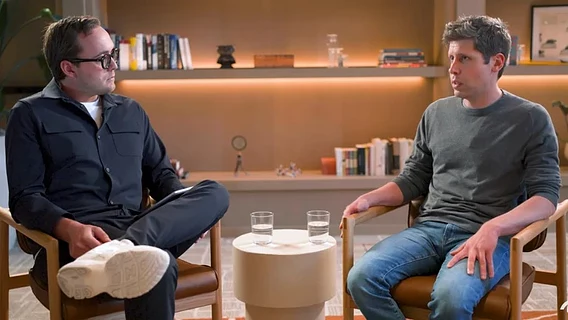
In the Sources podcast, Altman explained that the choice of the human form is quite logical, since “the world is largely designed for humans.” Doors, keyboards, tools, and workplaces are designed for a certain body type, so a robot that has to move and work in the same spaces should have a similar shape, writes Engadget.
When asked directly whether OpenAI is really building such a robot, Altman replied succinctly: "We will."
At the same time, the company's head noted that the details of the device's physical appearance are secondary. The much more difficult task is to develop a "brain" that will make this robot work effectively. Giving a machine two arms and two legs is not enough if it doesn't understand what to do with them.
The project is still far from a commercial product. In a comment to Fortune, Altman said, “I think we’ll have a cool demonstration in 2027… But I don’t think robots will be walking the streets for a few years after that.”
While home robot assistants are still a long way off, OpenAI has already outlined its primary goals. According to the company’s job posting, OpenAI’s short-term goal is to create a general-purpose robot that will assist skilled workers in building infrastructure. The long-term goal is to develop a personal robot that can perform a wider range of household and professional tasks.
A truly functional humanoid must not only execute commands, but also analyze its environment through cameras and sensors, adapt its actions and correct errors in real time. For example, to simply pick up a cup, the robot must identify it, find the handle, calculate the grip force and correctly calculate the lifting force so as not to spill the contents.
OpenAI is already actively recruiting specialists to solve these problems. Currently, the company's career page has 27 vacancies in the field of robotics - from motion control and actuator control to the development of machine learning infrastructure for physical AI.
While Altman is shifting the focus to intelligence, OpenAI is not neglecting the hardware side either. The company is working on its own electromechanical actuators (motors, transmissions, and sensor systems) and is also looking for manufacturing and supply chain experts for future scaling.
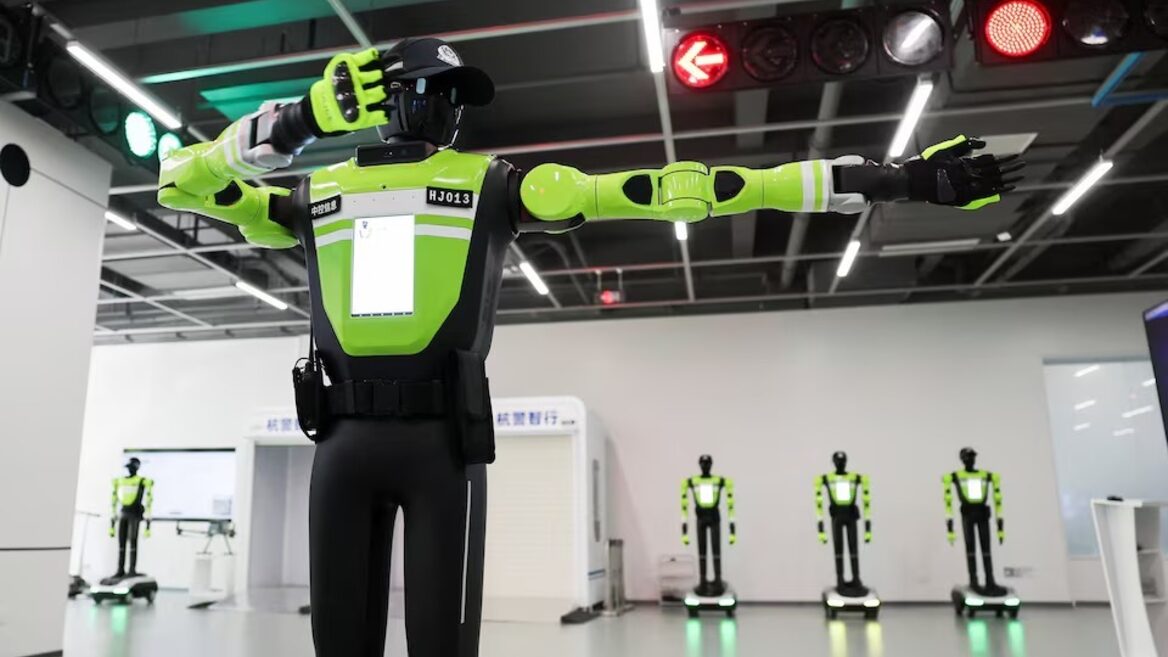
OpenAI is entering a market where there are already strong players: Tesla has been improving its Optimus robot for years, and China's XPENG recently demonstrated the humanoid IRON, which independently came off the assembly line after assembly.
OpenAI has not yet made any official announcements of specific models, prices, or release dates, but the scale of the hiring indicates that the company is determined to seriously establish itself in the field of physical artificial intelligence.