Хочете будувати кар’єру в Data Science та AI? Vodafone Big Data Lab відкриває новий набір —>
Олексій ДзюбаІсторії
4 December 2024, 09:03
2024-12-04
Got rid of sanctions, raised $700 million, will collect data in data centers. How "non-Russian" Yandex is flourishing in the West
Recently, the former parent company of Russian Yandex, the Dutch Nebius, raised $700 million. Investors include prominent international companies and funds. In particular, Nvidia, Accel Partners LP and Orbis Investments.
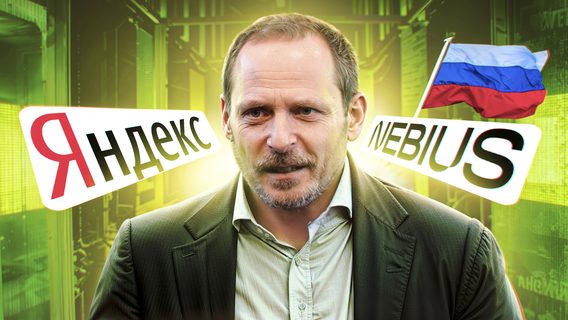
In less than 3 years of Russia's full-scale invasion of Ukraine, the European part of Yandex managed to separate from the Russian "daughter", "whiten out" and start growing in Europe. "We are now a Western company," says Nebius CEO Arkady Volozh, who stood at the origins of Russia's Yandex and devoted half of his life to working in it.
We tell you what "non-Russian" Yandex came to Europe with, how it builds business on the "debris" of its former greatness, and what risks it may have not only for the technological world.
Recently, the former parent company of Russian Yandex, the Dutch Nebius, raised $700 million. Investors include prominent international companies and funds. In particular, Nvidia, Accel Partners LP and Orbis Investments.
In less than 3 years of Russia's full-scale invasion of Ukraine, the European part of Yandex managed to separate from the Russian "daughter", "whiten out" and start growing in Europe. "We are now a Western company," says Nebius CEO Arkady Volozh, who stood at the origins of Russia's Yandex and devoted half of his life to working in it.
We tell you what "non-Russian" Yandex came to Europe with, how it builds business on the "debris" of its former greatness, and what risks it may have not only for the technological world.
Russian-international "Yandex"
We usually think of Yandex as a Russian company headquartered in Moscow. It was founded in 1997 and is better known in the world under the brand name "Russian Google". It is not only a search engine, but also a number of other products: maps, e-commerce, advertising, transport, etc.
Arkady Volozh, a 60-year-old Russian oligarch, stood near the origins of Yandex. A mathematician by education, in 2000 he became the CEO of the company that made Arkady a billionaire. In 2013, his personal fortune was estimated at $1.1 billion.
The fact is that "Yandex" made money not only in its home market and neighboring countries of the Russian Federation. The parent company of the Russian tech giant is the Dutch holding Yandex NV, which entered the Nasdaq stock exchange in 2011, after which a secondary placement of shares took place on the Moscow stock exchange three years later.
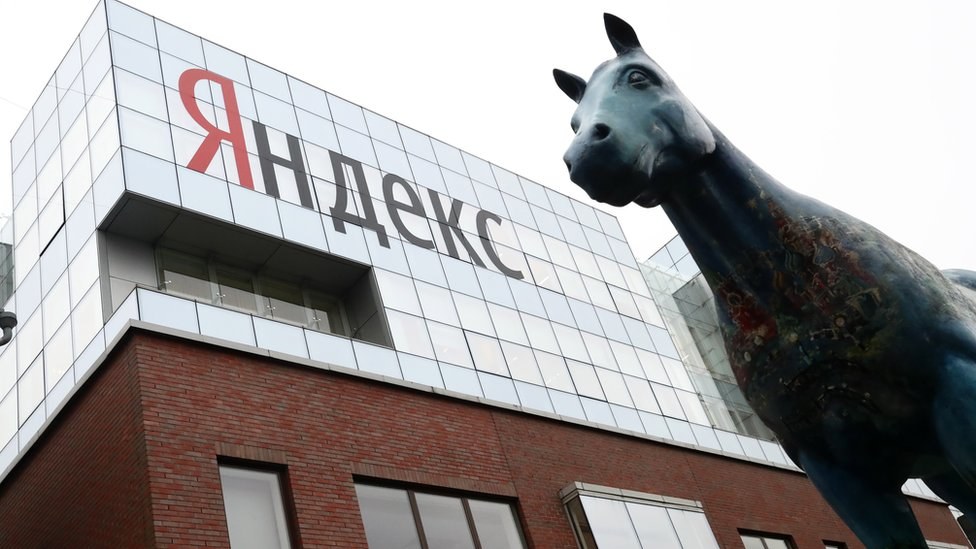
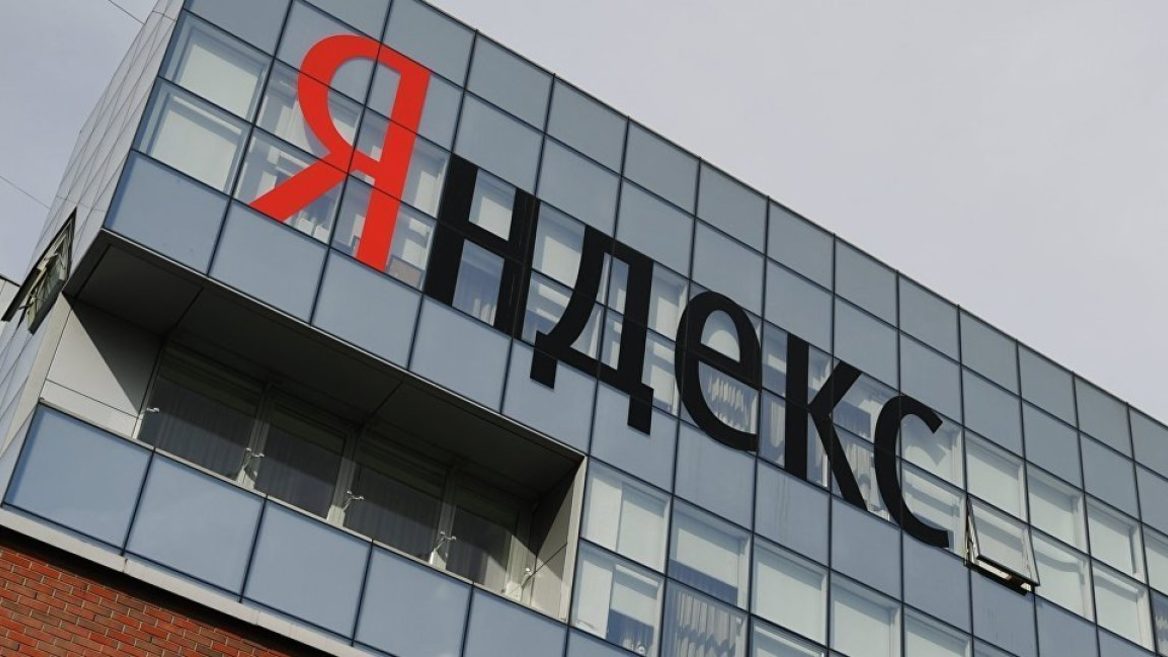
Photo — Yandex office in Moscow
Yandex NV as a public company has been doing more than great, reaching a peak market capitalization of $31 billion at the end of 2021. But everything changed with the start of a full-scale Russian invasion of Ukraine in February 2022. Then the Nasdaq stock exchange stopped trading in the shares due to sanctions against the company.
Initially, Nasdaq announced that it would completely exclude Yandex from the exchange. However, the company appealed, and Nasdaq agreed to keep the listing (share placement) but suspend trading while the Dutch company went through the process of severing all Russian ties.
Sanctions work
In June 2022, the European Union published the sixth package of sanctions against the Russian Federation. Arkady Volozh was also sanctioned. The company's shares fell by 14% on this news. After that, the businessman "immediately" resigned from the position of CEO of Yandex NV and left the board of directors.
The EU justified the inclusion of Volozh in the list of sanctions by the fact that the Russian state banks Sber and VTB are the shareholders and investors of Yandex. It is also noted that in 2019 "Yandex" agreed to restructuring, which gave a "golden share" to the Public Interest Fund, through which the government of the Russian Federation received the right of veto on key decisions. Yandex is also accused of promoting Russian state media and removing content critical of the Kremlin.
At that time, Arkady Volozh, the general director of the Yandex group of companies, with a fortune of $2.3 billion, was ranked 64th in the ranking of the 200 richest Russian businessmen according to Forbes. In 2018, Volozh and his family members received Maltese passports under the citizenship-in-exchange program.
Although a year earlier, this did not prevent the billionaire from giving Vladimir Putin a tour of the company's office for its 20th anniversary:
"Whitening" of the name
The long process of dividing "Yandex" into 2 parts: Russian and European has begun. It entered the final stage in February this year, when Yandex NV announced its exit strategy. All of its Russian assets, which also accounted for the lion's share of its business, will be sold to a Russian consortium for $5.4 billion, with $2.5 billion paid in cash and the rest in the company's own shares. In the end, the Russian part of the company went to structures related to Lukoil and Gazprom.
The deal itself was more like a sale, which accounted for half of Yandex's market capitalization at the time. The main reason for the "price reduction" is the Russian law, which requires a mandatory discount of at least 50% for any sale of shares involving parent companies registered in countries considered "unfriendly" to the Russian Federation. The Netherlands, as an EU signatory that imposed sanctions on Russia, falls under this category.
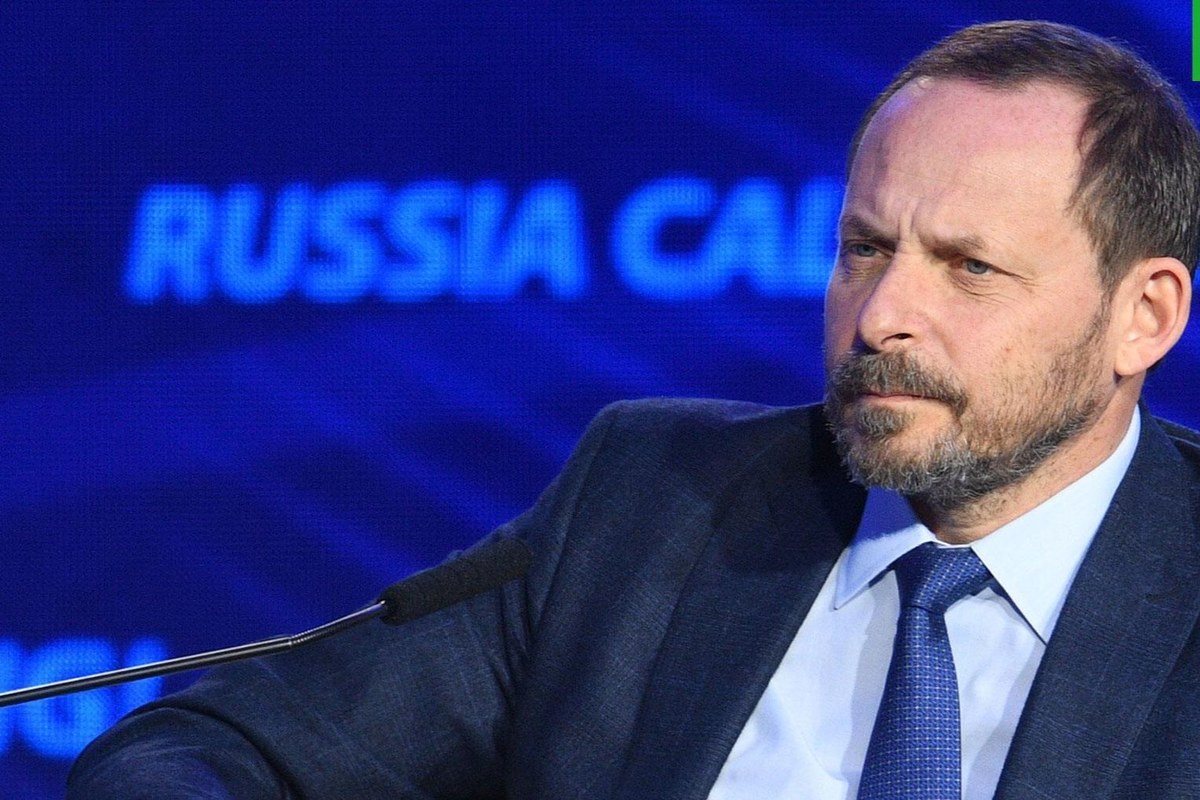
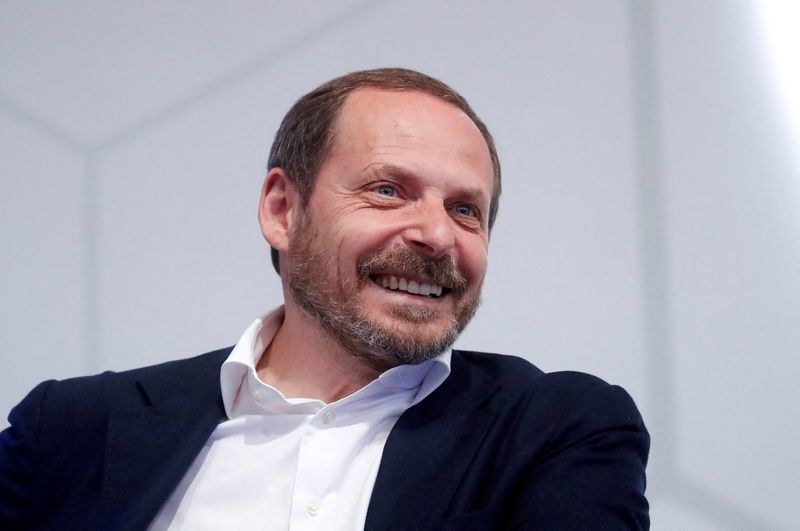
Photo — Arkady Volozh
While the distribution was taking place, Arkady Volozh slightly changed his official biography. Now he has become "an Israeli technology entrepreneur born in Kazakhstan, a scientist in the field of computer technologies, an investor and a philanthropist. He has been living in Israel since 2015." The last fact, as we can see from the video above, did not prevent the oligarch from reporting to Putin in the Russian Federation. "Yandex" in Volozh's biography is marked as "one of the largest Internet companies in Europe."
The next step in the "whitening" of his reputation was Volozh's condemnation of Russia's full-scale invasion of Ukraine. According to the businessman, two years under sanctions are in no way compared to the suffering that the residents of Ukraine experience every day. He called the invasion of Ukraine "barbarism" and "the end of an era" for Russia.
"We severed ties with Russia. That's all. Everyone expressed their opinion. I don't want to look back. I want to look ahead and create something new."
Investors' faith in new business
In March of this year, the EU lifted sanctions against Arkady Volozh at his earlier request.
In July, Yandex NV, registered in the Netherlands, finally completed the sale of its Russian business. After the approval of the shareholders, it became Nebius Group and focused on the development of its own projects. Arkady Volozh will oversee the process as the company's CEO.
In October, the American Nasdaq stock exchange resumed trading in Nebius Group shares. The papers trade under the name NBIS. The "break", which lasted from February 2022, is over.
In December, Nebius raised $700 million from investors. Among them were Nvidia Corp., Accel Partners LP and Orbis Investments. Matt Weigand, the Accel partner who led the investment round, will join Nebius' board of directors. The company expects to generate annual revenue (ARR) between $750,000 and $1 billion by the end of 2025. Nebius will use the raised funds to issue 33.3 million shares at $21 each. The company is postponing previous plans to buy back shares.
Photo by Nebius Group
After the sale of the Russian business, the new company has no debts and more than $2 billion in accounts. All this, according to Volozh, makes Nebius attractive to investors.
It is interesting that Russian investors from "Silicon Valley" managed to find a common language even with Ukrainian colleagues and even in the midst of a full-scale invasion of the Russian Federation. The process of formation of Nebius shows that the technological West is ready to "close its eyes" to the possible risks of cooperation with ex-employees of the Russian "Yandex". At the same time, without final guarantees that sensitive data about AI developments will not get into today's Russia thanks to Arkady Volozh's new company.
"AI event for Russian speakers with charity for Ukraine". A joint GPT Party of Ukrainian entrepreneurs and "good Russians" takes place in Silicon Valley
European Nebius
Volozh asked the Kremlin to take away four businesses: cloud computing, self-driving cars, data marking for AI, and an educational project for IT specialists.
As a result, the Nebius Group included four businesses:
— Nebius AI (ex-Yandex.Khmara) — cloud solutions for AI and sale of access to AI business computing power;
— Toloka AI (ex-"Toloka") — a project for training neural networks (ex-"Toloka");
— TripleTen — an edtech platform for training IT specialists in the USA (ex-Yandex.Practikum);
— Avride is the developer of driverless driving technology Avride (ex-Yandex Self-Driving Group), which is located in Texas.
At the same time, the question remains how these products, which were created in the Russian Federation and on the basis of "Yandex", completely "separated" from the "daughter" in technical terms.
Construction of data centers
The main bet of the company now is on the rapid development of AI in the world. It is Nebius AI that should become the main company with a stable business model for the holding — the main "cash-generating" leg, says Volozh.
"We are building a full-featured infrastructure to support the explosive growth of the global AI industry, including large-scale GPU clusters, cloud platforms, and developer tools and services," says Nebius.
The main customers of Nebius should be AI startups, which, following the biggest players, make either their own neural networks or applications based on them. Infrastructure for the development of AI is one of the main issues of the industry right now: everyone lacks data centers and electricity.
The main asset of Nebius is a data center in the Finnish city of Mäntsiala (60 km from Helsinki), which Yandex built in 2014 and used for the work of its foreign companies. In 2022, after the start of a full-scale war in Ukraine, it was disconnected from the power supply, but as a result it worked again.
The company is now positioning itself as a complete AI infrastructure developer with plans for a large-scale GPU (graphics processing unit) network to become a leading player in Europe. This was made possible by its data center in Finland and an existing partnership with Nvidia that dates back to Russia's Yandex.
Volozh says Nebius plans to triple the capacity of its current facility in Finland, with plans to reach nearly 100 megawatts. However, the company plans to start building additional data centers across Europe in the coming years.
Rescue of engineers from the Russian Federation
According to Volozh, he was able to make a statement condemning Russia's full-scale invasion of Ukraine only in August 2023 because he did not want to endanger employees who were in Russia and wanted to leave. "If I had just said what I really thought, we would be in a different situation now. We probably wouldn't be sitting here today."
400 engineers with experience in artificial intelligence development, creation of cloud services and infrastructure for them transferred to Nebius Group from Yandex. By comparison, as of 2024, OpenAI has more than 770 employees, including researchers, engineers and other specialists.
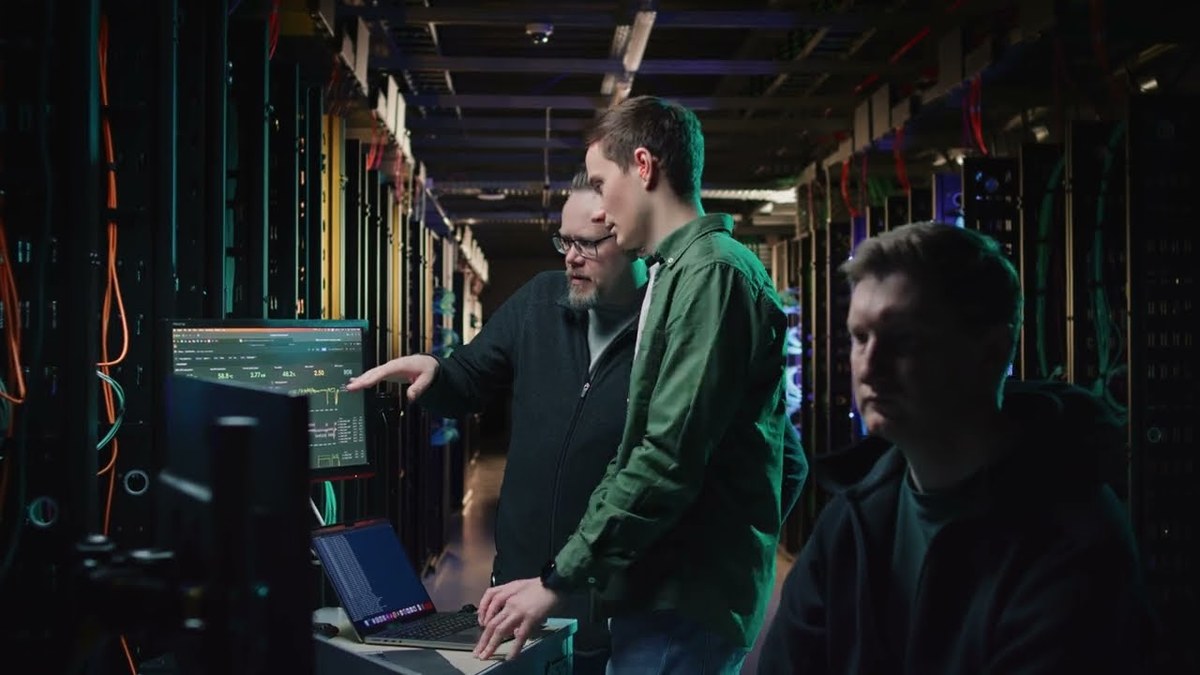
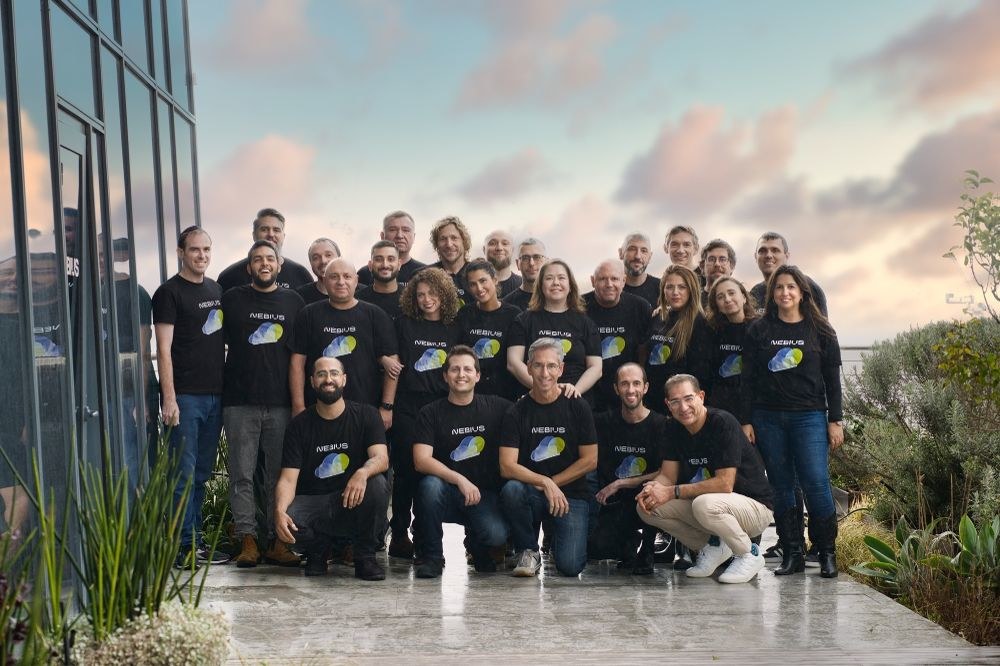
Photo — Part of the Nebius team
In 2024, Yandex NV talked about a staff of 1,300 employees. A total of 21,000 people worked at the Russian "Yandex" before the start of the war.
Today, the capital of the Netherlands is the company's largest location with approximately 500 employees, with the rest of the staff distributed elsewhere, including Israel, the United States (Austin, Texas) and Belgrade, Serbia.
there is no "Russian trace".
Nebius Group has no ties to Russia. "We are now a Western company," says Arkady Volozh.
"In the first months after the attack, no one knew how to react. Later, Europe, especially the Netherlands, realized who was leaving Russia. What an opportunity it represents for Europe to receive such a flow of experts! The EU opened up, our people got work visas."
Photo — Arkady Volozh
Volozh considers the example of the Russian company Kaspersky Lab, whose products were banned in the USA, to be irrelevant, since this company has always remained in Russia. Meanwhile, Nebius will strictly monitor that "not a single byte of data goes to Moscow" and that the company's management is "completely Western."
The parent company of the Russian "Yandex" severed all ties with the Russian Federation, selling its assets for $5.4 billion. Now the search engine is completely in the hands of the Kremlin
"So far, I have not met a single Russian in the venture industry who is pro-Putin or pro-war." Interview with top Ukrainian investor Oleksandr Soroka, who works in Silicon Valley