Хочете будувати кар’єру в Data Science та AI? Vodafone Big Data Lab відкриває новий набір —>
Марія БровінськаGadgets
22 September 2026, 11:04
2026-09-22
In league with the Americans, ahead of Moscow: Ukrainian engineers have assembled a super battery for drones, which almost no one in the world has
Imagine a reconnaissance drone that has just a few minutes to see the target and return. This is a daily dilemma for Ukrainian operators: either longer and better reconnaissance, or a guaranteed return of the device. Now you don’t have to choose. Ukrainian engineers have gained access to the battery with the highest energy density in Ukraine — it adds about 30% of the drone’s flight time. Only a few companies in the world have mastered this technology, mainly the American Amprius and Sion Power. And Russian developers haven’t even come close to achieving such a result. What does this change on the front line? Read on.
Imagine a reconnaissance drone that has just a few minutes to see the target and return. This is a daily dilemma for Ukrainian operators: either longer and better reconnaissance, or a guaranteed return of the device. Now you don’t have to choose. Ukrainian engineers have gained access to the battery with the highest energy density in Ukraine — it adds about 30% of the drone’s flight time. Only a few companies in the world have mastered this technology, mainly the American Amprius and Sion Power. And Russian developers haven’t even come close to achieving such a result. What does this change on the front line? Read on.
One battery from Lviv developers added a third of life to Ukrainian drones in the air
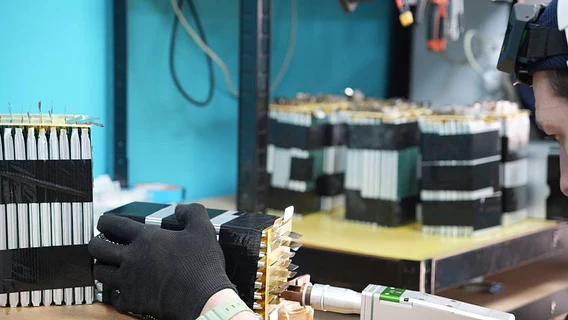
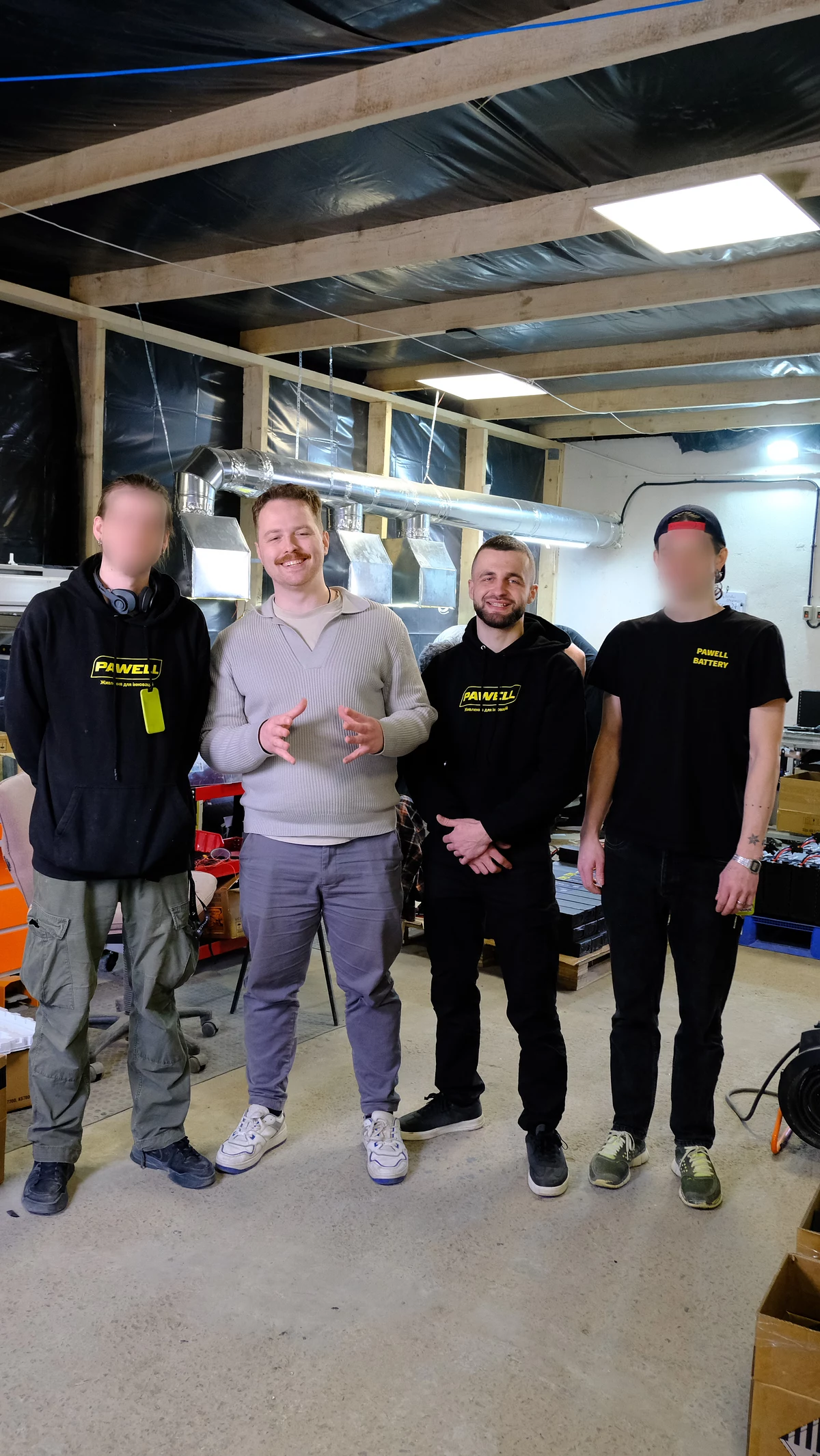
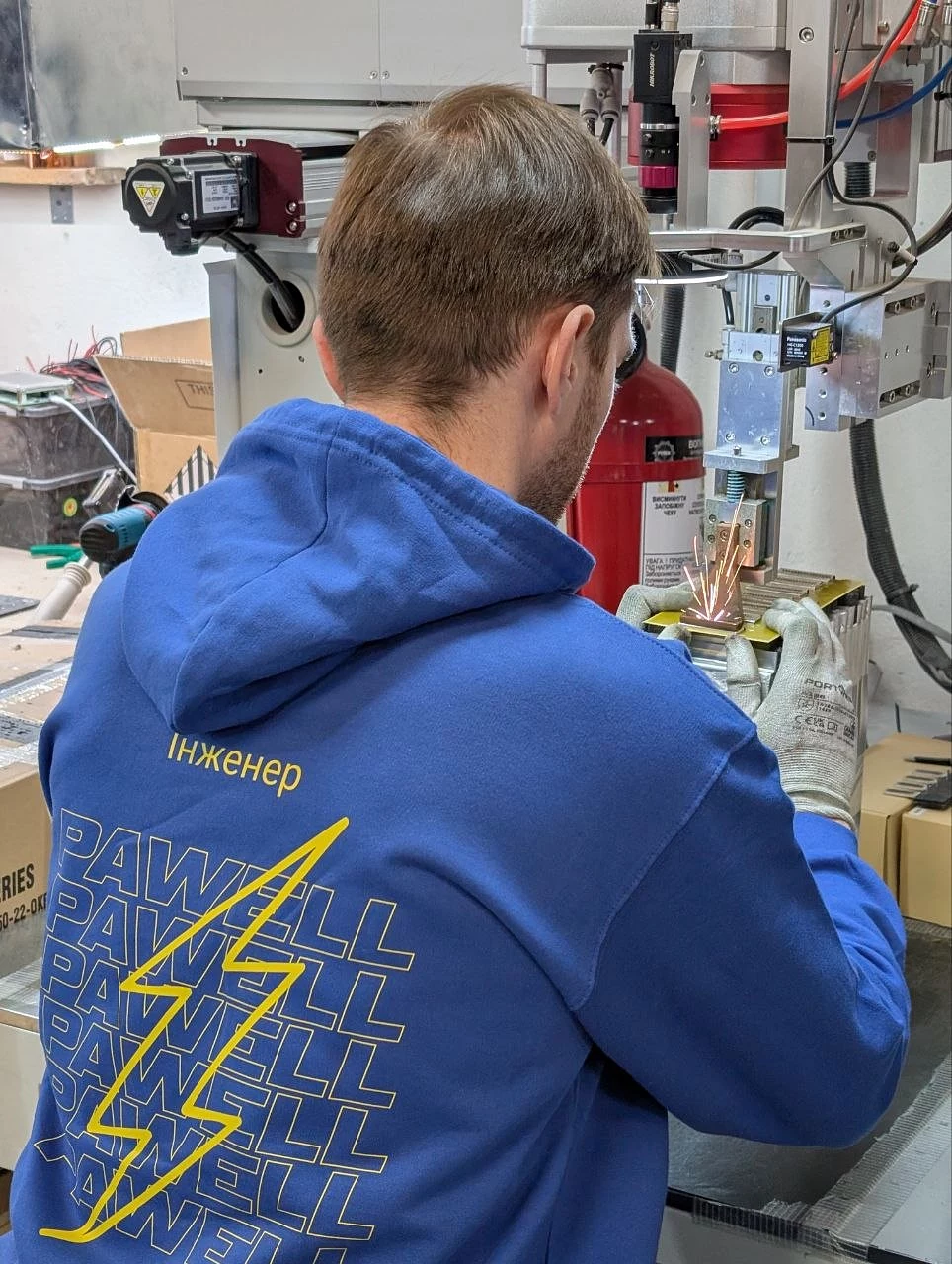
The Lviv-based company Pawell Battery is the first in Ukraine to gain access to the battery with the highest energy density — it will soon begin assembling configurations and testing them in combat conditions. Until recently, Ukrainian drones flew on cells with a density of 400 Wh/kg — this is a ceiling above which mass production simply did not rise. The new cells, which are already undergoing testing, produce 550 Wh/kg.
"Drones will fly a third longer and, accordingly, 30% deeper into the enemy’s rear. The device does not become heavier — it simply stays in the air longer and reaches places it could not reach before," notes the company’s co-founder Pavlo Yesyp.
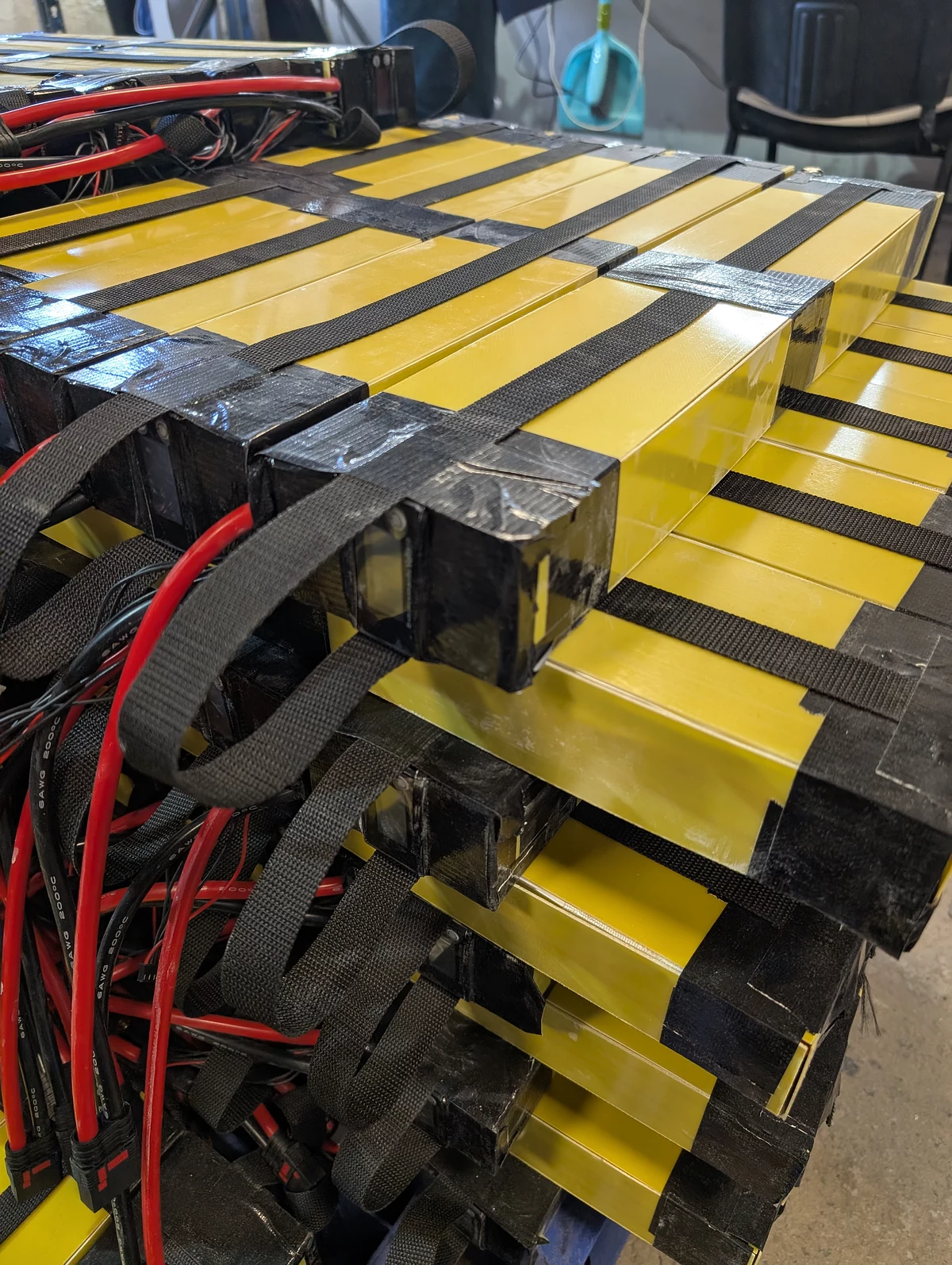
Important: this is not a battery for one specific drone, but a "brick" from which you can assemble power for any platform — from a small reconnaissance aircraft to a heavy strike aircraft.
Technology that was once held by only a few US companies is now owned by Ukraine
Conventional lithium-ion cells, which power most drones today, produce 200–300 Wh/kg. Specialized solutions for the defense and aviation segments produce 400–450 Wh/kg, and they are no longer produced in millions, but in small batches. And in the range of more than 500 Wh/kg, there are literally a few companies on the planet today — mainly the American Amprius and Sion Power, whose cells go directly to US defense customers.
"The level of 550 Wh/kg puts us in the same league as the world’s leading developers in this segment. And this is a fundamentally important point for Ukraine: it is not just about access to top-of-the-line elements, but about the ability to have such technology within the country — without dependence on external suppliers in a critical component for defense," the technology developers say.
According to open sources, there is no such development in the Russian Federation. They are working on volume: they have increased purchases of lithium raw materials from China and South Korea to mass produce conventional batteries for FPV drones.
What can a drone do with a new battery?
Deeper reconnaissance. The drone is capable of penetrating approximately 30% deeper into enemy territory and returning at the same time — this opens up access to objects that were previously off-limits due to round-trip range limitations.
Longer hovering. Up to 30% longer time in the air means the drone can "hold" an area of interest longer — waiting for a target or capturing the situation in real time — without frequent replacement or recharging.
More stable communication: Repeater drones stay in position longer, improving communication stability on the front lines.
Tracking moving targets at greater depths. Greater range allows escorting equipment and logistical columns on routes that were previously inaccessible due to the risk of not being able to return.
Previously, the operator was always faced with a choice: fly further and longer — or be guaranteed to return the drone home. A third of the additional autonomy removes this choice altogether. Instead of a swarm of short flights with a constant change of aircraft in the air — one drone now holds the position longer alone. Fewer "dead zones" in observation, fewer moments when the enemy notices the replacement of the aircraft, less strain on operators and logistics.
The secret of technology: why pure lithium replaces graphite
In a conventional battery, part of the weight is "eaten up" by the liquid electrolyte and separator — components that do not store energy themselves, but only serve the process. The new technology replaces them with a single thin solid layer — and immediately frees up both weight and space.
"A solid electrolyte paves the way for pure lithium instead of graphite — and this is a fundamental change: graphite only "holds" lithium like a container and does not store energy itself. Pure lithium metal does not have such ballast and contains many times more energy in the same volume. Previously, it was not used for safety reasons — the metal could grow "needles" and pierce the battery through. A solid electrolyte blocks this growth."
It is this combination — less excess weight plus pure lithium instead of graphite — that gives the jump from 400 to 550 Wh/kg.
Where is the technology now and when will it reach the forefront?
The battery is currently undergoing internal laboratory testing to test its stability under load, at different temperatures, and stability of characteristics during charge-discharge cycles. This is a standard mandatory step before field testing.
The team expects the first wave of testing with units by the end of 2027. Field and flight tests will be the next stage and will provide real-world data on the battery’s behavior in combat conditions.