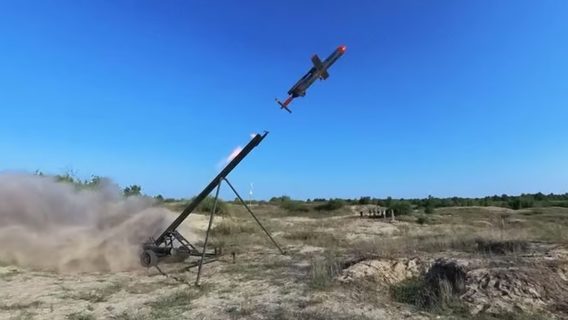
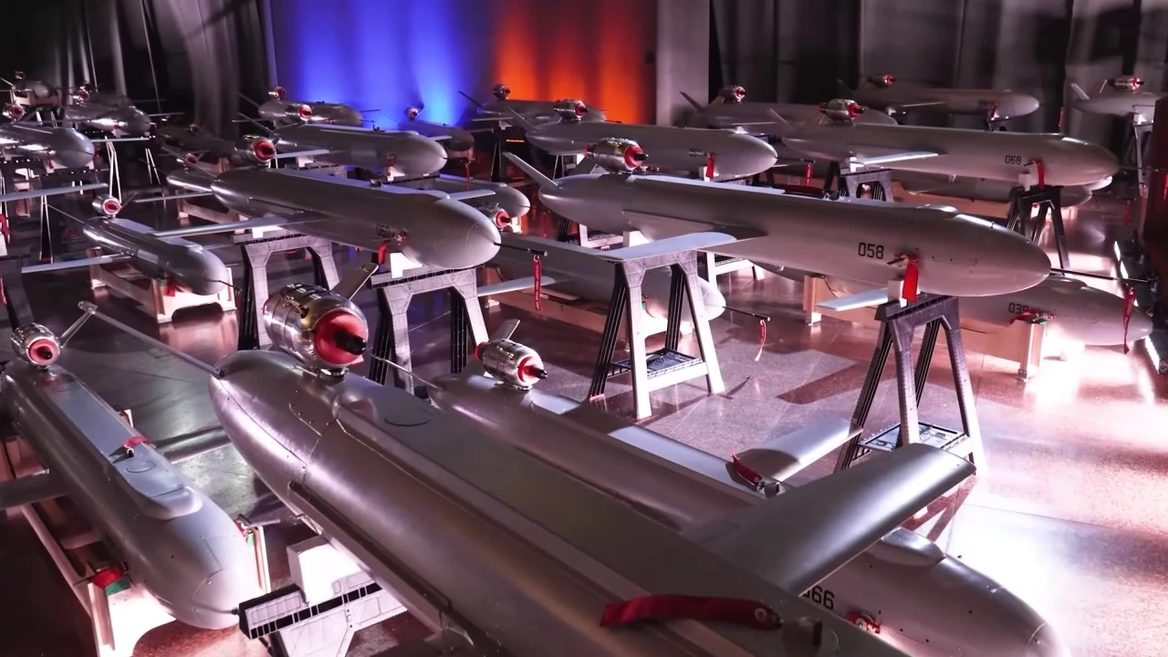
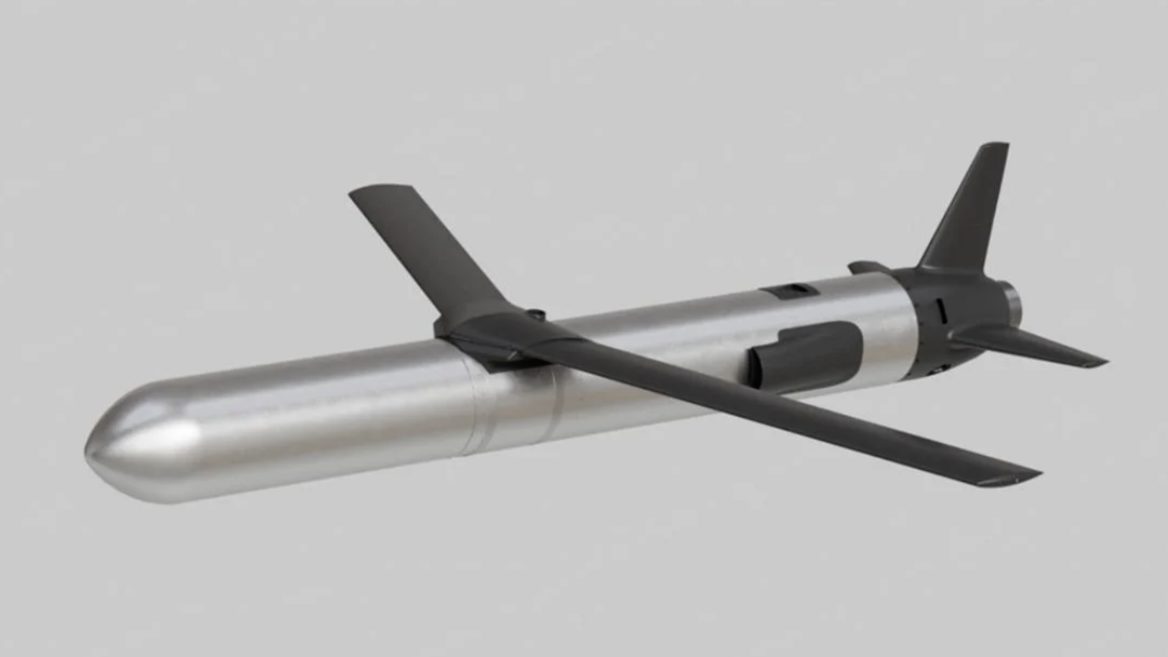
A Ukrainian team of volunteer engineers is developing a "Trembita" missile that can reach the enemy capital.
“We are a rogue missile. A lot of rogues can do a lot of damage,” says the head of the development team.
What is known about the technical specifications
The Trembita engine is a modern remake of the pulse jet engine first used on the German V-1 bomb in 1944, costing $200.
The basic Trembita flies at a speed of 400 km/h and has a flight range of 200 km. But a larger and more powerful model is currently being developed that will be able to reach Moscow.
The missile costs only $3,000 in the decoy version and $15,000 complete with a 20-30 kilogram warhead.
“We are a rogue missile,” joked the head of the engineering group, Sergei Biryukov, adding that the low cost could be a decisive factor in Ukrainian operations aimed at exhausting the enemy’s air defenses. “A lot of rogues can do a lot of damage.”
Serial production of the Trembita missiles is set to begin after final field tests. It took the developers only a year and a half to achieve this result, as the path from the drawing board to the battlefield usually takes many years, The Economist noted in an article.
"It is unknown how long Ukraine can count on large-scale foreign military assistance. Therefore, Trembita is one of several missile projects that Ukraine hopes will contribute to the revival of domestic industry," the publication also noted.
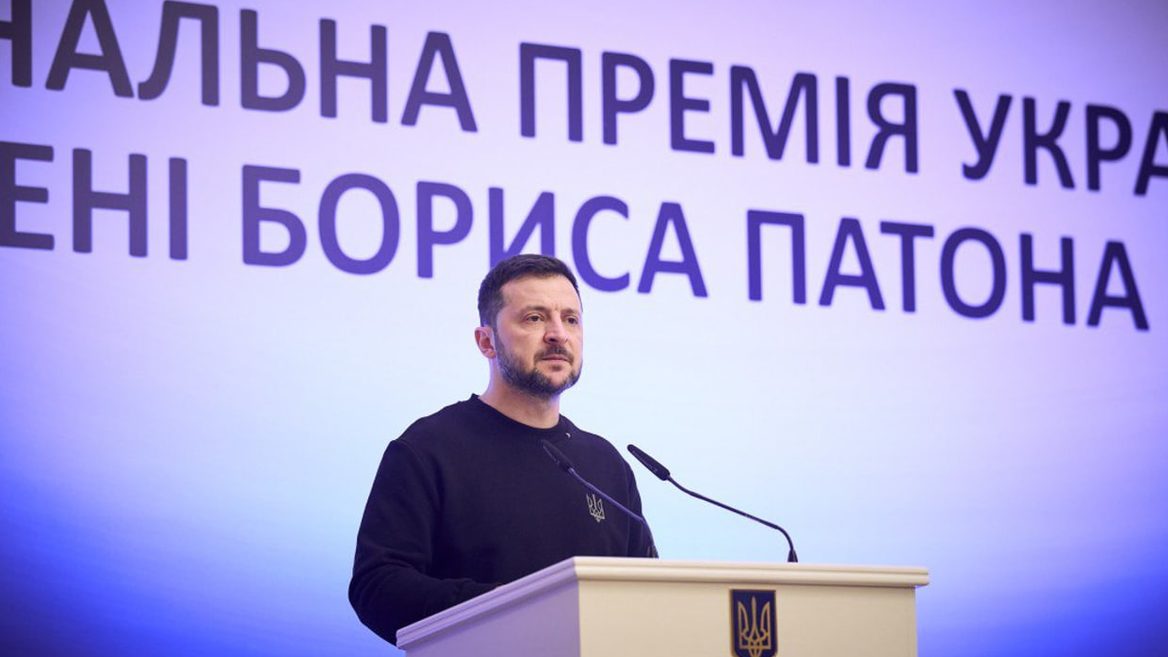
In late November, Volodymyr Zelenskyy announced a move to missiles that are harder to intercept, setting a goal of producing 3,000 such missiles by the end of 2025.
The task of producing wartime missiles has taken rocketry to a new level—underground. Some assembly has already moved to protected bunkers, while component production is scattered across hundreds of hidden, inconspicuous facilities, such as the garage that shelters Trembita.
“We will carry out the missile program, no matter what,” says Volodymyr Horbulin, a former Ukrainian national security adviser and a 62-year-old veteran of the missile industry who consults on several projects. He declines to share details of Ukraine’s ambitions — out of respect, he says, for those who risk their lives to make them happen. But he rejects the “wild, ill-informed fantasies” about nuclear rearmament that have recently stirred some Ukrainians.
According to a Ukrainian security official, it would take Ukraine at least a year to produce missiles in the quantity, range, and capabilities that would seriously threaten Russia.
By then, much could change. If Donald Trump restricts American aid to Ukraine (and if other Western allies follow suit), it could choke off the already limited supply of Western missiles. Russia could use the ceasefire talks to demand limits on Ukrainian missile production.
The pressure is mounting, but the Trembita team is not deterred. “If there is a truce, it will only be between governments,” says Mr. Biryukov. “We are partisans. Our missiles will continue to fly.
Zelenskyy said that Ukraine had successfully tested a new missile called "Ruta." But a year ago, a drone with the same name, which looks like a missile, was supplied to Ukraine by the Swiss company Destinus.