Наталя ХандусенкоHot News
6 March 2026, 11:06
2026-03-06
Russia is promoting its Max messenger abroad — it is now available in 40 countries around the world
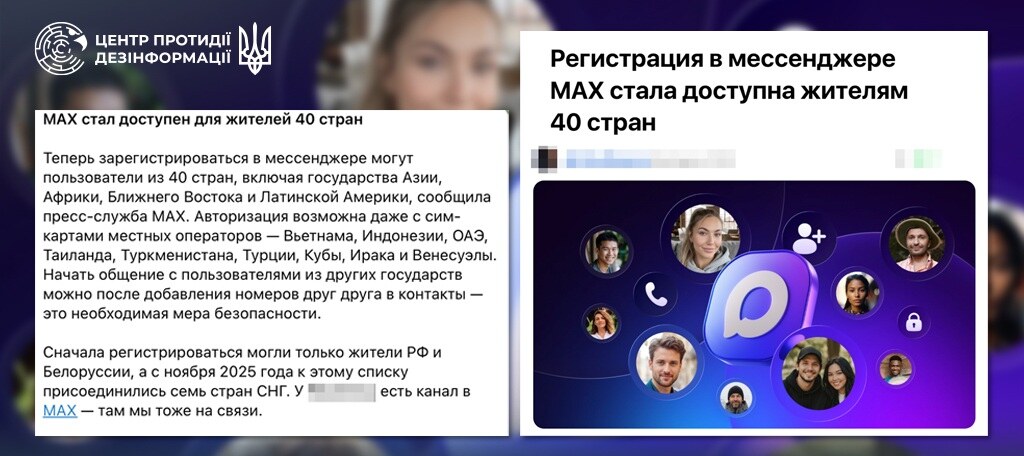
Kremlin media reports on the global success of the «sovereign» messenger Max, announcing its entry into the markets of 40 countries — Asia, Africa, the Middle East, and Latin America.
Kremlin media reports on the global success of the «sovereign» messenger Max, announcing its entry into the markets of 40 countries — Asia, Africa, the Middle East, and Latin America.
This was reported by the Center for Countering Disinformation, noting that in this way the propaganda wants to create the appearance of the success of a state messenger that the Russians themselves do not even want to install.
«The spread of Max to foreign countries is another example of „soft power“ and the promotion of Russian influence. This is also indicated by the fact that „rossotrudnichestvo“ has joined the service’s PR — a state structure that promotes ru-propaganda abroad under the guise of cultural exchange. It cannot be ruled out that the messenger will be used to recruit people into the Russian army and carry out hybrid operations,» the CPD noted.
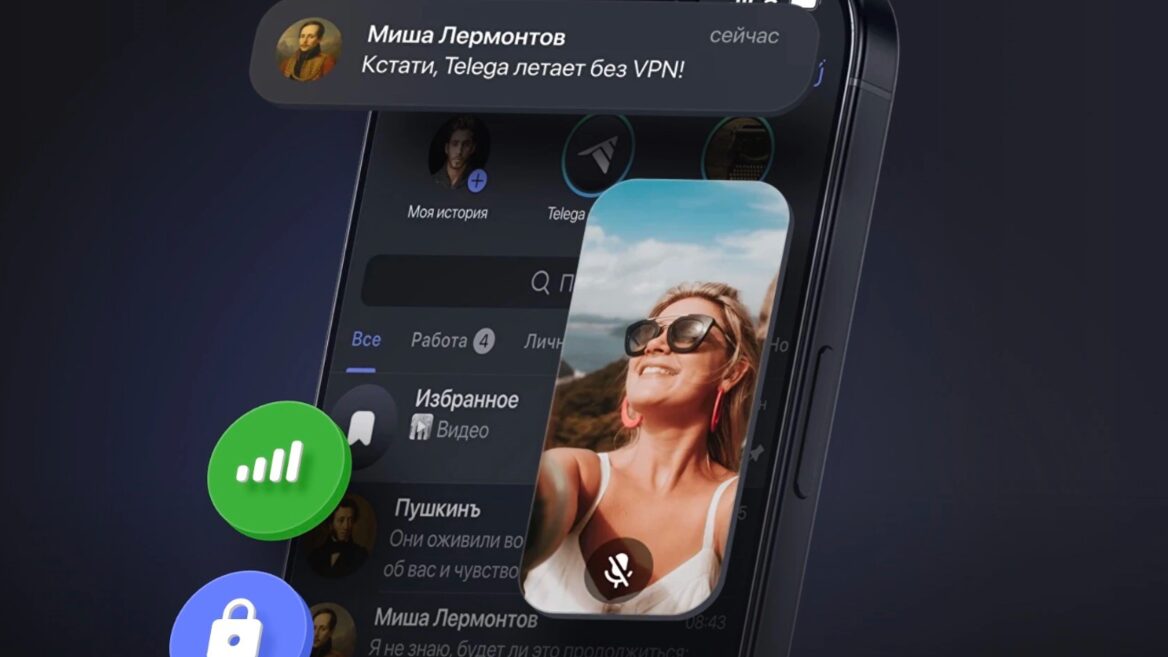
Recall that the Max messenger was developed by the Russian company VK at the request of the Ministry of Digital Affairs of the Russian Federation. In August, the Russian authorities restricted calls to Telegram and WhatsApp, allegedly to combat fraudsters. According to experts, this will contribute to the transition of users to the controlled service.
The Russian government also approved a decision to make the state-owned Max messenger mandatory for pre-installation on all mobile phones and tablets purchased in the country from September 1, 2025. It integrates with the Russian state services service «Gosuslugi», making it mandatory for state employees, schools and universities.
Experts warn that Max spies on users: it requires a large number of permissions on devices, can access the camera and microphone, and data is transferred to Russian state bodies upon request. In other words, it is not a «convenient service» as propaganda suggests, but a full-fledged tool of digital control.