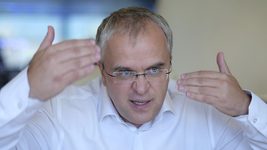
He grew up on Solomianka, built Helsi and sold his stake to Kyivstar for $10 million. What's next? Interview with serial IT entrepreneur Samvel Hakobyan
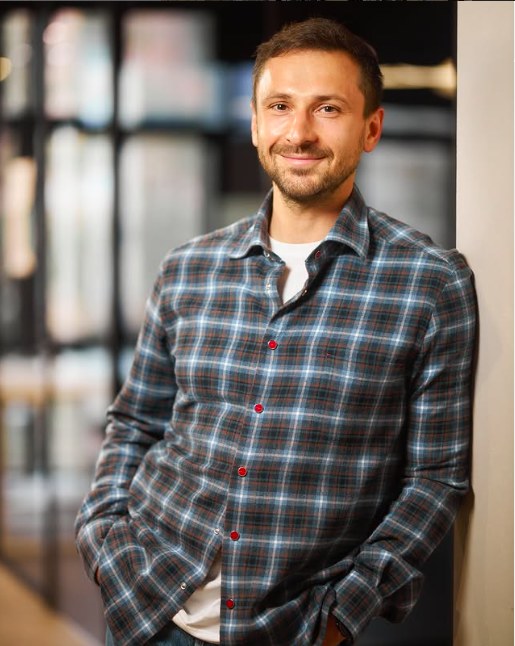
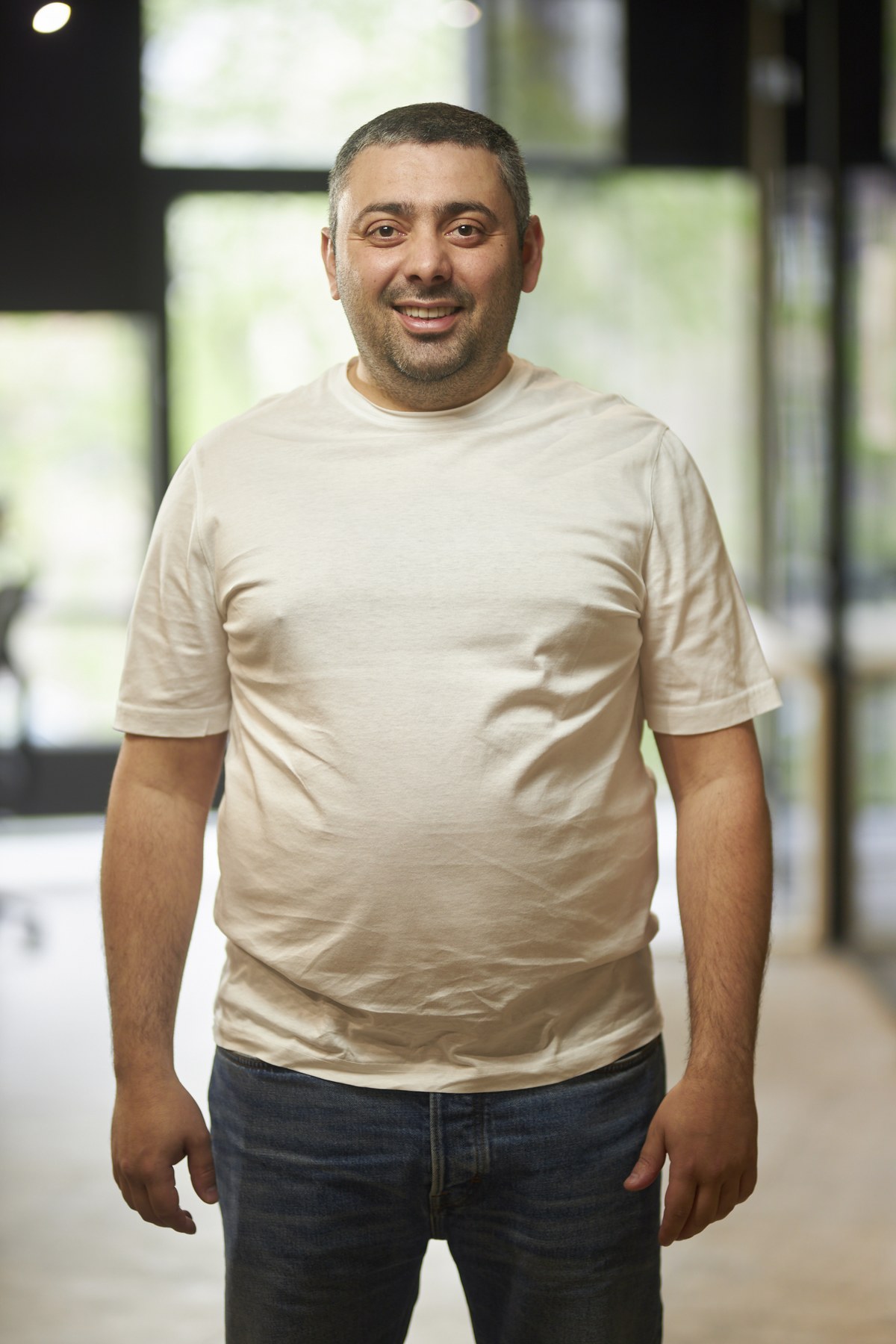
Samvel Hakobyan is a native of Kiev. He started programming early. First, he developed websites, then product solutions.
Samvel Hakobyan is a native of Kiev. He started programming early. First, he developed websites, then product solutions.
Helsi achieved success gradually. In fact, there were several approaches to its launch, about which we know little. In the end, Samvel’s team was the first in Ukraine to build a real-time booking system in medical institutions. To do this, hospitals had to be accustomed to their own SaaS, which was far from easy due to outdated employee habits. The first reaction to the system was sometimes: «Why do I need your monitor? I already know everything.»
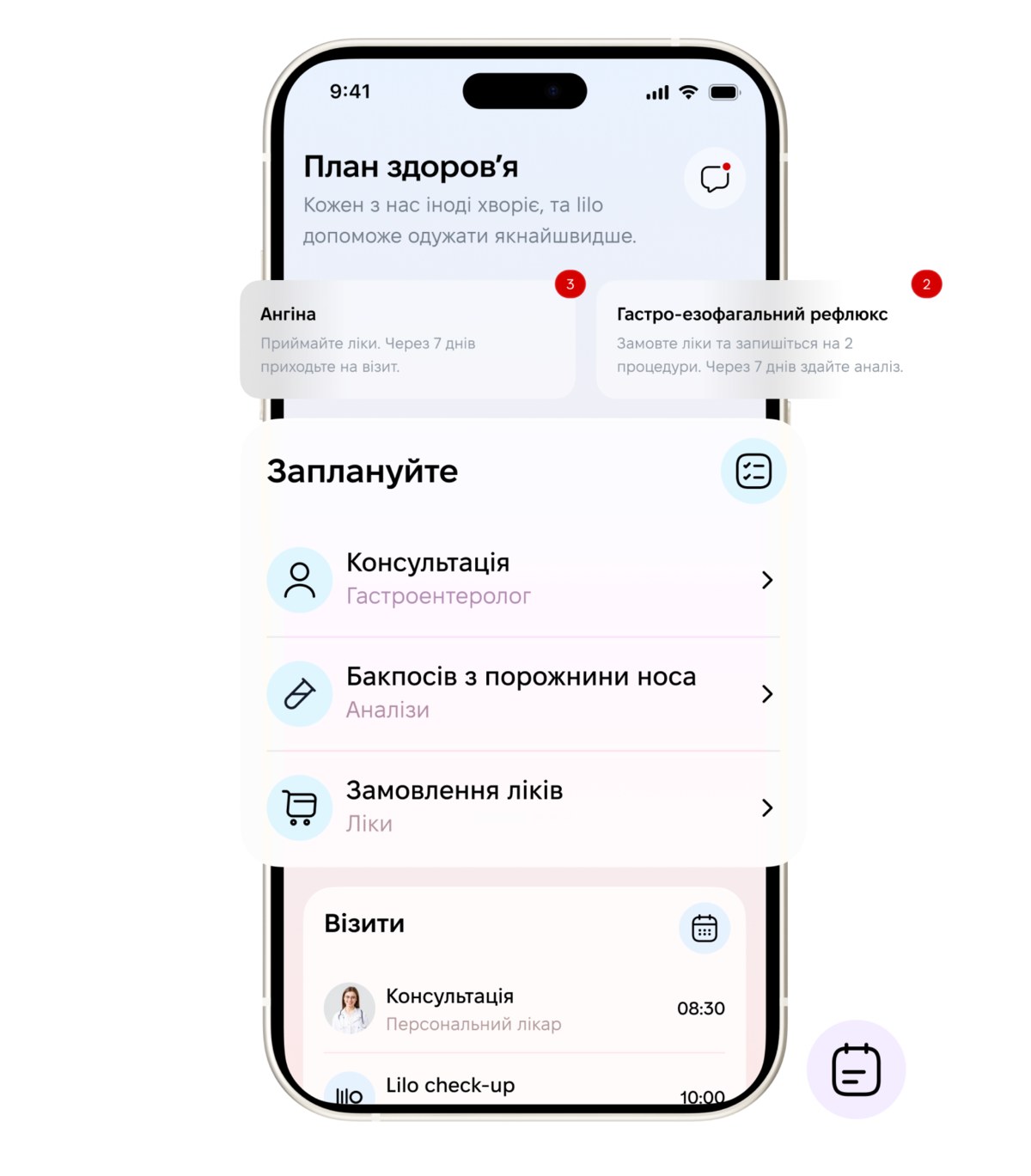
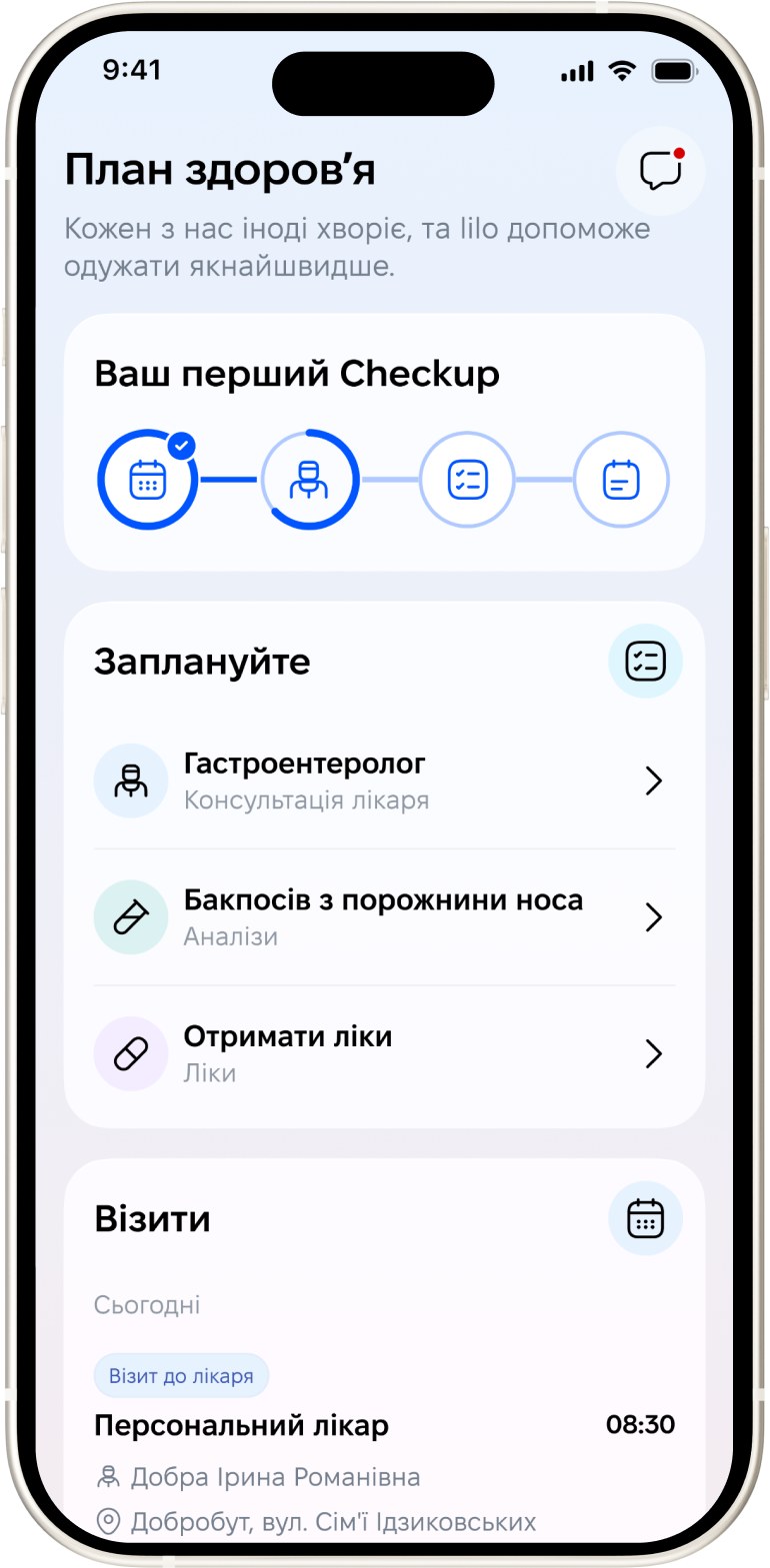
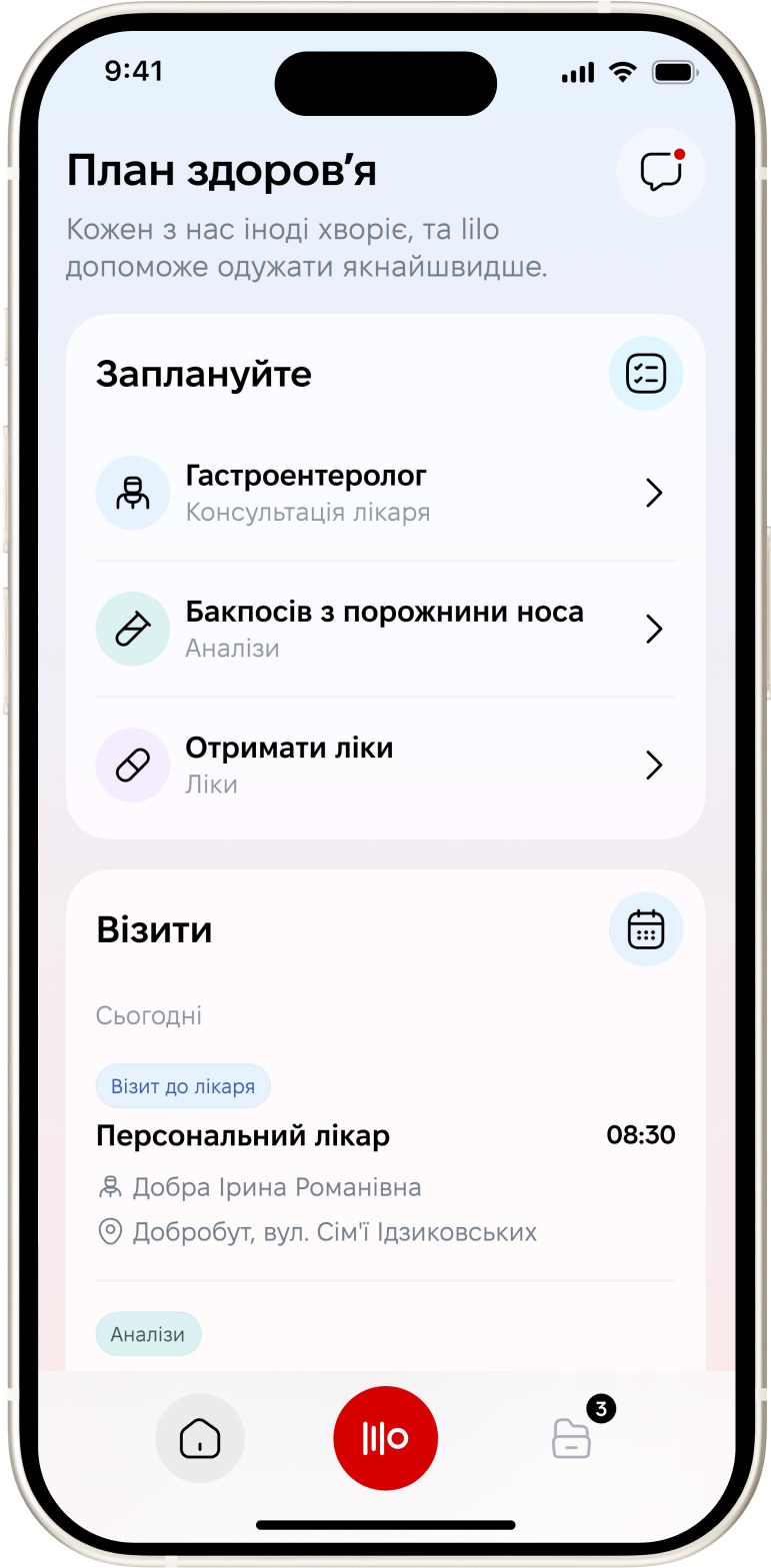
Having sold Helsi, the businessman is developing another ambitious project, the vocation of which is to change the health insurance system. It is called lilo. You have one application in which you make an appointment, receive prescriptions, tests, medical data. AI also helps you. No waiting for calls from insurance companies. Full automation of the process. And — which is very important — having your own permanent doctor for the insurance company.
We recorded an interview with Samvel Hakobyan, in which you can find out how Helsi was built and for how much Kyivstar bought it, what team he managed to assemble to develop lilo (including Dmytro Shymkiv and Vasyl Zadvorny), how the global animal-themed app Bubibo is developing, what interesting hobbies Samvel has, what his life principles are, and much more.
— Samvel, thank you for taking the time. I’m curious, how did you get into IT in the first place? What was it like at the very beginning?
— At first — like everyone else. Website development, then outsourcing, and later — product solutions. We started with a friend, making classic websites. Then — outsourcing projects, after which I joined the reform with Prozorro. At the same time, we launched Helsi.
— And what role did you play in Prozorro?
I managed one of the companies that was the operator of the platform in the Prozorro system. I was in the reform from day one, but in 2018 I left management and focused entirely on Helsi.
— And websites — what year was that?
Somewhere in 2011–2012. I was 20 years old then. But I was interested in IT since childhood — I was programming something from the age of 12. I’m actually from Kyiv, I studied at the Biotechnology Gymnasium on Solomyanka.
— So you went into business right after school?
Yes. I was always doing something. I even entered university, but I was expelled from the first year — I didn’t go to classes because I was already working. But last year I did graduate from university, in absentia.
— Who was your partner at the start?
I started it myself, and then Danylo Martynov joined. He now has the YARCHE agency. We still work together — he just stayed in strategic marketing, and I went to products. But we sit in the same office.
— How did the idea for Helsi come about?
It was an old idea. Even before 2014, my team and I decided to create a medical information system because there was a vacuum in the market — 2–3 players. It seemed interesting to us. But we made a big mistake — we didn’t have domain knowledge in medicine. We did something, showed it to doctors — and they said: «This is an organizer, it doesn’t help us at all.» So we closed the first version, but left the developed analytics.
In 2014, they tried again, with some expertise, but there wasn’t enough money. And in 2016, they launched in full force — the Helsi you know today.
— And who became partners and investors?
At first we invested our own money. Then Anton Drepin (a Kyiv politician and businessman — Ed.) joined, this is public information. Later — Kyivstar, which bought out a share. And two weeks ago I finally sold my share.
— By the way, congratulations on the deal. The news said it was $10 million. Is that true?
Yes, this is public information. And yes, it’s true.
— Where do you plan to invest these funds?
In two projects — lilo and Bubibo. We have big plans for them. We started investing back in 2023 — so these are not just «post-exit» ideas, but already a work in progress.
— Often after a big exit there is a risk of not repeating the success. Do you have such concerns?
No. Business is not about ideas, it’s about implementation. An idea without a team, without an accurate calculation, is worth nothing. We have already started investing in the deal, we know what we are doing. And most importantly, we are putting together an even better team.
— Helsi is a huge platform. 20 million patients. How did you manage to become virtually the only player in the market that brought patients and clinics together? Why couldn’t others?
— When we launched Helsi, we already had experience from two previous failed attempts, so we very carefully analyzed what was happening on the market — and not only in Ukraine, but also in the world. And we saw that everyone at that time was either making medical ERP systems, or appointment booking services, or something for pharmacies. But there was no company that covered the full cycle — a kind of 360-degree ecosystem.
And we decided: we need to build exactly the kind of platform that combines everything — from doctor’s appointments, to test results, prescriptions, and interaction with clinics.
— Were you the first to do this as an ecosystem?
Yes. We were the first in Ukraine to build real-time booking. It was a principled position — no «appointment requests» when the patient simply leaves a number and someone calls him later. If it says 11:00 — it means the patient gets to see the doctor at 11:00. To do this, it was necessary to integrate the booking system with the clinic’s medical system. And we made our own SaaS, which worked «under the hood» in the medical institution. Others didn’t have this.
— How much did you invest in Helsi? And how much did you sell?
— We constantly reinvested everything we earned. The story is not about money, but about development. But from a financial point of view, it is a very successful story. We took enough Xs — 2–3 to be exact. We built a truly unique product for Ukraine.
— Are there any interesting stories from the launch?
— One of the most beloved is the launch in the Podilskyi district of Kyiv in December 2016. Our office was there, so we started in the district where we worked and paid taxes ourselves. We came to the clinic, we said, «Here is the system, schedules, calendars, electronic records.» And the receptionist said to us: «Why do I need your monitor? I already know everything — this doctor comes 15 minutes earlier, this one comes later.»
And then I realized: we will have to change not only the system, but also the mentality. It was difficult, but exciting.
— How did Kyivstar come to you? Did you go to them yourself?
— We started communicating in 2020, during Covid. We needed to inform people about vaccination via SMS for free. And we asked Kyivstar not to charge for these messages. They agreed. It was a social initiative, and that’s where our cooperation began. Then we started talking about synergies, partnerships, investments.
— Who from Kyivstar was involved in these processes?
— The whole top team. And CEO Oleksandr Komarov, and Head of M&A Zoya Dronshkevych, and B2B Director Kostyantyn Vechir and others. It was really cool to work with professionals who really understand what partnership is. We negotiated, prepared the deal, and it was supposed to close in February 2022.
— And did the war change everything?
— Yes, everything stopped for two months. But Kyivstar said: we are in Ukraine, we are for Ukraine, we continue. And in August 2022, we closed the first stage of the deal.
— So you stayed in the company, but your partners didn’t?
— Yes. I stayed because I believed in the project. It wasn’t the end yet. We had a clear pipeline: I knew when I could leave, and I took advantage of this opportunity later. But then we still had to finish building the product and rolling it out.
— And how much did Helsi cost then? There were different estimates — from $10 to 40 million.
— The truth is somewhere closer to the second number.
— Why did you decide to leave completely?
— Because you need to focus your energy on something new. This is not a female business that you pass on to your children. Entrepreneurship is: you created it, you grew it, you sold it, you moved on.
— And that’s how Lilo and Bubibo were born?
— Yes. lilo is an idea from 2014. Back then, we were researching business processes in medical institutions and saw how chaotic everything was with insurance companies. Everything was done through calls: you can put a cast on Samvel, you can’t. Appointments were made through an assistant company. Even today, in 2025, it’s the same. No automation. And then in 2022, we looked again — nothing had changed. And we thought: our time has come.
— What is the main difference of your new service?
— In three key things. The first is complete seamlessness. You have one app where you make appointments, get prescriptions, tests, medical data — all in one place. Remember the 360-degree concept of Helsi? Here is a different segment, but the logic is similar.
The second is a personal doctor. All insured people have their own doctor who knows the patient’s history and coordinates treatment. In classic insurance, every time there is a new doctor and clinic — it’s like roulette.
And the third is prevention. We don’t wait for something to happen to you. We call you ourselves and offer to get a check-up, identify problems at an early stage and solve them. Because it’s cheaper to cure than to treat complications.
— Sounds like an expensive service.
— Yes, we are definitely not the cheapest. The price of such insurance is 35,000 UAH. But we do not deceive: we do not promise «all inclusive» for 12,000 UAH. This is a fiction. We work with top partners — «Dobrobut» (by the way, a minority shareholder of lilo), «Dila», a number of large pharmacy chains. And we create a quality product with proven providers, not just a facade.
— Is this a premium segment?
— We started with B2C (i.e. directly with customers), because people spend their own money there and are more demanding. This helped to hone the service. We have an NPS of over 75%, and this is in space in health insurance. And now we are entering B2B, because if the person who pays from his wallet is satisfied, then the company will be even more.
— What are the advantages for a corporate client?
— It’s simple: seamlessness, a personal doctor, quality partners, transparency of coverage, check-ups, family access. And most importantly — no fixed «buns» like «10 massages and 9 days of hospitalization.» If the diagnosis requires 21 days of hospitalization, it will be 21 days.
We are not a Turkish all inclusive, where «everything is there», but you can’t use it.
— But it’s hard to scale. Isn’t the market very big?
— This is not entirely true. In Kyiv alone, we see from 100,000 potential clients. This includes the IT sector and businesses with high competition for talent. People who try truly high-quality health insurance at least once will never go back to the old one.
— However, we will have to attract customers from already established players…
— Yes, it’s a challenge. But is there any easy business? If you know, tell me. All businesses are difficult.
— Are you planning a more affordable product for the mass segment?
— Yes, in the near future we are launching a budget version of our service, aimed at a wide audience. The price will be approximately 9,000 hryvnias per year, which makes it more accessible to the mass user. This package will include a basic set of services: a personal doctor, the ability to seamlessly access medical data, automatic recognition of test results and documents. At the same time, the functionality will be somewhat limited — for example, not all medical services will be included. If the user needs a full package with extended functionality and a larger number of services, he will be able to switch to the standard lilo.
— How do you assess the demand for your product? Do you have metrics?
— For us, the key indicator is LTV — lifetime value, that is, how many customers stay with us and continue to use the service for the second year and beyond. If more than 50% of users continue their subscription, we believe that the product is in demand and meets the needs of the market. Currently, we are just reaching this milestone — the first customers subscribed to the service in April 2024 and are starting to complete the year of use.
— Please tell us more about the role of artificial intelligence in your service.
— We create unique artificial intelligence models that allow us to recognize medical data in any format. The user can even upload old medical certificates, photos from an outpatient clinic or hospital, and our AI will structure the information, identify key indicators, highlight diagnoses and recommendations. This is not just a chatbot that gives template answers, but an intelligent assistant that analyzes health history in the context of evidence-based medicine and provides personalized advice.
— You mentioned working with the microbiome. What is it and how do you implement it?
— The microbiome is a collection of microorganisms that live inside us, especially in the intestines. They have a great impact on immunity, digestion, and even mood. In Ukraine, this area is almost undeveloped due to the lack of research and high prices for tests.
We want to make microbiome analysis more accessible and easy to understand.
Using AI, we help interpret complex test results and provide practical recommendations — what to eat, what medications to take, how to improve your overall health. This is a promising area that we are actively developing.
— How many people are currently working in your team?
— Currently, the lilo team has over 50 employees. These are specialists in various fields — developers, doctors, analysts, AI engineers, product managers. We are actively looking for talent, especially people with experience in digital medicine, AI, and strategic management.
— Do you plan to obtain your own medical license or work through partners?
— We operate under a partner license from one of the top 5 insurance companies in Ukraine, VUSO. This allows us to quickly launch products and use their infrastructure.
— Who are your key investors and shareholders?
— Among the main shareholders are Dmytro Shymkiv, a well-known Ukrainian technology businessman, member of the Kyivstar Supervisory Board, as well as Vasyl Zadvorny, ex-CEO of Prozorro, Daniil Privalov, and several other investors with whom we have worked previously on various projects.
Daniel is with me in many projects, and Dmitry is in lilo and Bubibo.
Daniil Privalov
— How did you meet Daniil Privalov?
— Daniil and I met back in 2017 or 2018. We have been friends for a long time, we communicate. Now we work together. We even have offices next to each other. By the way, another partner sits next to us — Yura Stasiv.
— Are Bubibo and lilo different teams? Do they overlap?
— Different. We are in the same business center, but these are different teams, without any overlap.
— How many people are in Bubibo?
— About 50 people, maybe a little less.
— Together in the two projects, that’s about a hundred people, right?
— Yes. But there are also back offices, lawyers, financiers — those who service all this.
— This is such an IT holding company.
— We haven’t merged yet, but we will have to merge into a group someday. There’s no point in doing so yet. It’s not that it’s too early — it just works that way. Merging won’t add any additional value. It might be needed for consolidation, but I don’t see the need for it right now.
— How much have you already invested in lilo and Bubibo?
— A lot.
— Is this millions of hryvnias?
— Already several million dollars for sure — two to three million plus.
— Is Bubibo already generating revenue?
— No, it’s just starting. Test campaigns are ending.
— And the same with Lilo?
— lilo is a different business. Time will pass — I think by the end of the year we will be able to sum up.
— When and how did the idea to create a project for Bubibo pets come about?
— The idea came back in 2022, after we made the first stage of the deal with Helsi. We looked at the fact that the pet-tech industry was growing by 30% every year, and realized that there was not a single global product there yet. We decided that this was a cool story and started working on it.
— Why this particular niche?
— We saw that this market is growing rapidly and is not very crowded with competitors. We are not trying to enter a niche that is empty, because there are none. But there is still no leader in this one that would occupy the entire field.
— What product are you creating?
— This will be a mobile application and SaaS system for clinics. In the application, the user will be able to make an appointment with a veterinary clinic, for grooming, training, keep a history of the animal’s diseases, receive recommendations from dog trainers, buy food, medicine, etc. All in one place.
— Are you focused on the Ukrainian market or the global one?
— We immediately think globally. Ukraine is a great place to start, but the market is small. We are already testing the product in the USA, Canada, Britain, Mexico, Spain. We haven’t scaled yet, we’re just looking at the cost of acquisition, retention, LTV.
— How many users are there in Ukraine now?
— Somewhere around 200,000. However, we haven’t launched mass marketing yet. The launch will be at the end of the summer.
— And abroad?
— There are about 20–30 thousand, we are testing them now.
— Do you already have partners in Ukraine?
— Yes, we already work with MasterZoo. This is our key product partner.
— How do you plan to monetize the product?
— We have three directions: the first is subscription (freemium + premium), the second is a store (goods, food, medicines), and the third is a SaaS service for clinics.
— How much will the subscription cost?
— We are still testing, but approximately — about $7 per month.
— Do you plan to integrate with state registers, for example, for registering dogs? In Kyiv, this has already become mandatory since May.
— Not at the moment. But we support the idea of registering animals. This is the right story.
— What else is included in the premium subscription services?
— More storage space, more lessons, discounts on products, additional services.
— Do you have any other projects besides this?
— We are currently in R&D of another software product. There are ideas for wind generation. There are no other active projects yet.
— Besides business, if you fantasize: you will receive a large sum from Kyivstar. Maybe you will buy something for yourself? A car, a yacht?
— I have everything.
— Maybe you have some dreams?
— I have two hobbies, I do them. I love enduro motorcycles and precision shooting. I have both motorcycles and rifles.
— In sufficient quantity, I understand?
— Well, you don’t need many enduros, one is enough. Why two? Rifles — yes, in sufficient quantity.
— How do you feel about the fact that the situation in the country is difficult, and some businesses are looking for themselves in other countries? Have you thought about this? Do you think that Ukraine has potential?
— I would definitely classify myself as a patriot. I believe that Ukraine is a very large country with great human potential. Yes, times are very difficult: there is no investment market, no money — and this is very important. But everything is connected with Ukraine for us. And Helsi was in Ukraine, and lilo is Ukraine. We do a lot here. If there is an opportunity, we should do it.
Difficult times should push us: when someone stands and someone runs, then later, when it gets easier, the one who ran will be ahead.
It’s risky, but it’s business. There is no business without risk.
— So you didn’t think about relocating your business from Ukraine?
— Not about relocation, but about entering new markets. That is, about expansion. I don’t see any point in relocation. We have a large team, many people in Ukraine. Some are not in Ukraine, but that’s obvious. I thought that all companies are like this now.