Хочете будувати кар’єру в Data Science та AI? Vodafone Big Data Lab відкриває новий набір —>
Марія БровінськаІсторії
19 February 2026, 09:00
2026-02-19
“My phone has contacts for ‘Aunt Nina Meat’ and ‘Aunt Luda Ogirky’.” Aitivitsa Ciklum from Kharkiv has been forced to live in the village for four years and admits that she considered such a scenario for herself 25 years later.
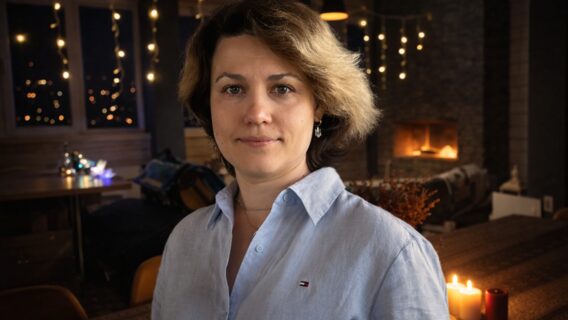
On February 24, 2022, for many Ukrainians, moving was no longer an option. It became a matter of safety. 42-year-old Olga Artemasova, Global Head of Business Analysis Center of Excellence at Ciklum, told dev.ua how a temporary solution «for a week» turned into almost four years of living in the village — with a generator, an inverter, «Aunt Nina Mʼyaso» in contacts and a dream of returning to her native Kharkiv. What follows is her direct speech.
On February 24, 2022, for many Ukrainians, moving was no longer an option. It became a matter of safety. 42-year-old Olga Artemasova, Global Head of Business Analysis Center of Excellence at Ciklum, told dev.ua how a temporary solution «for a week» turned into almost four years of living in the village — with a generator, an inverter, «Aunt Nina Mʼyaso» in contacts and a dream of returning to her native Kharkiv. What follows is her direct speech.
Moving as a necessity
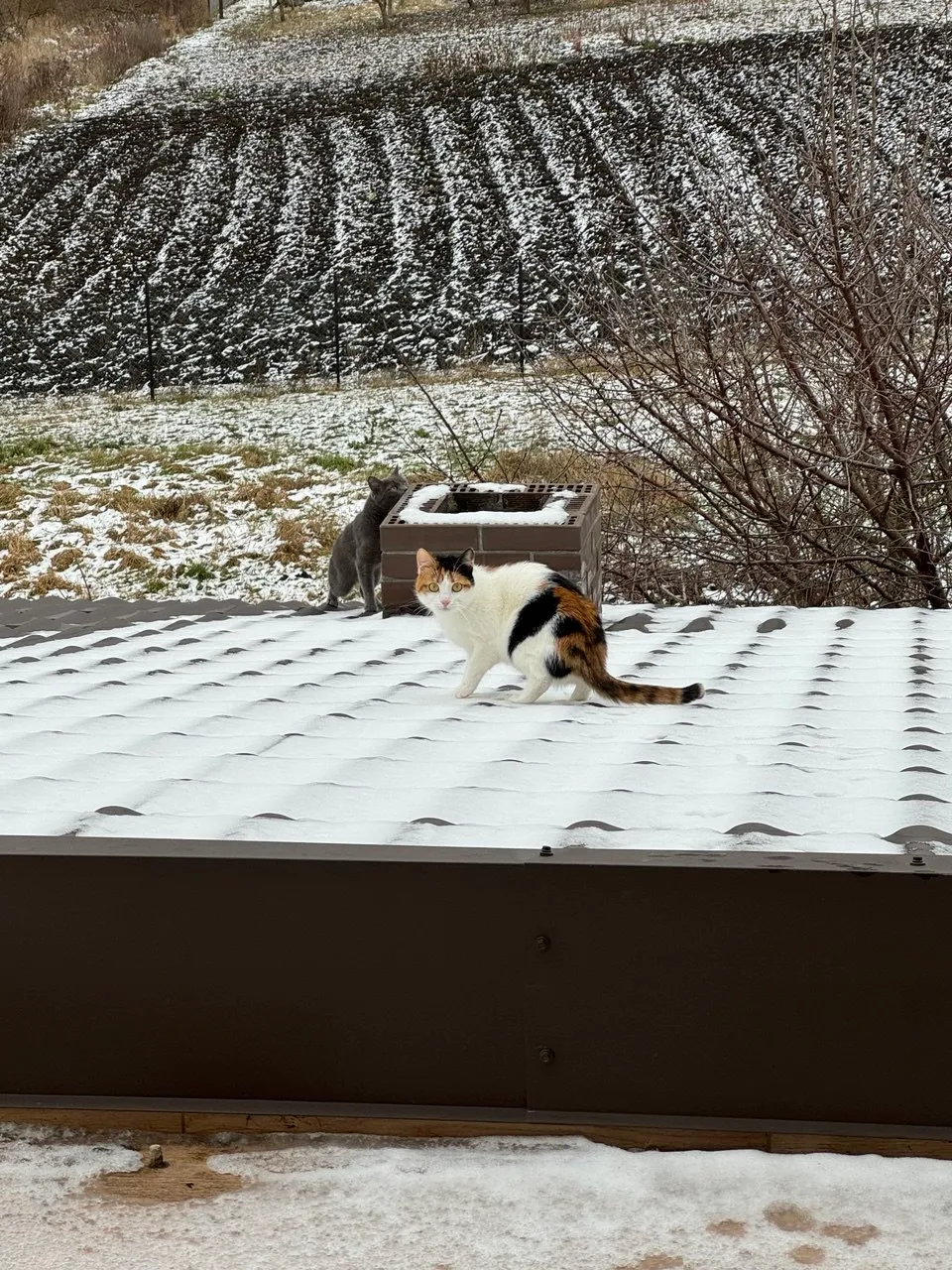
I have my own practice as a business consultant, transformational systems coach, and speaker. I have a wonderful family — a son, a military cadet, and two cats.
What made me move? Let’s put it this way: on the morning of February 24, 2022, it became not a choice, but an obvious necessity. We were not «aiming» at a village or a specific city — it was not up to that at all.
To be honest, it’s even a little ironic how we ended up here: as if by our own decision, and as if without any other options.
A few weeks before the full-scale invasion, Ciklum held briefings with security consultants. They explained how to strategically choose an evacuation location — away from military units, airfields, and even prisons — and how to properly assemble.
Among the unexpected things, for example, was that you shouldn’t take suitcases on wheels. If the roads are shelled and you have to leave your car somewhere in a field, you won’t be able to roll a suitcase across the winter roads or through a windy forest. At the time, it sounded almost fantastic. Then it became a reality.
That’s why we went with backpacks. Although with hopes for the best — because, as it turned out, I did take a swimsuit.
«I wish I could live in a house like this»
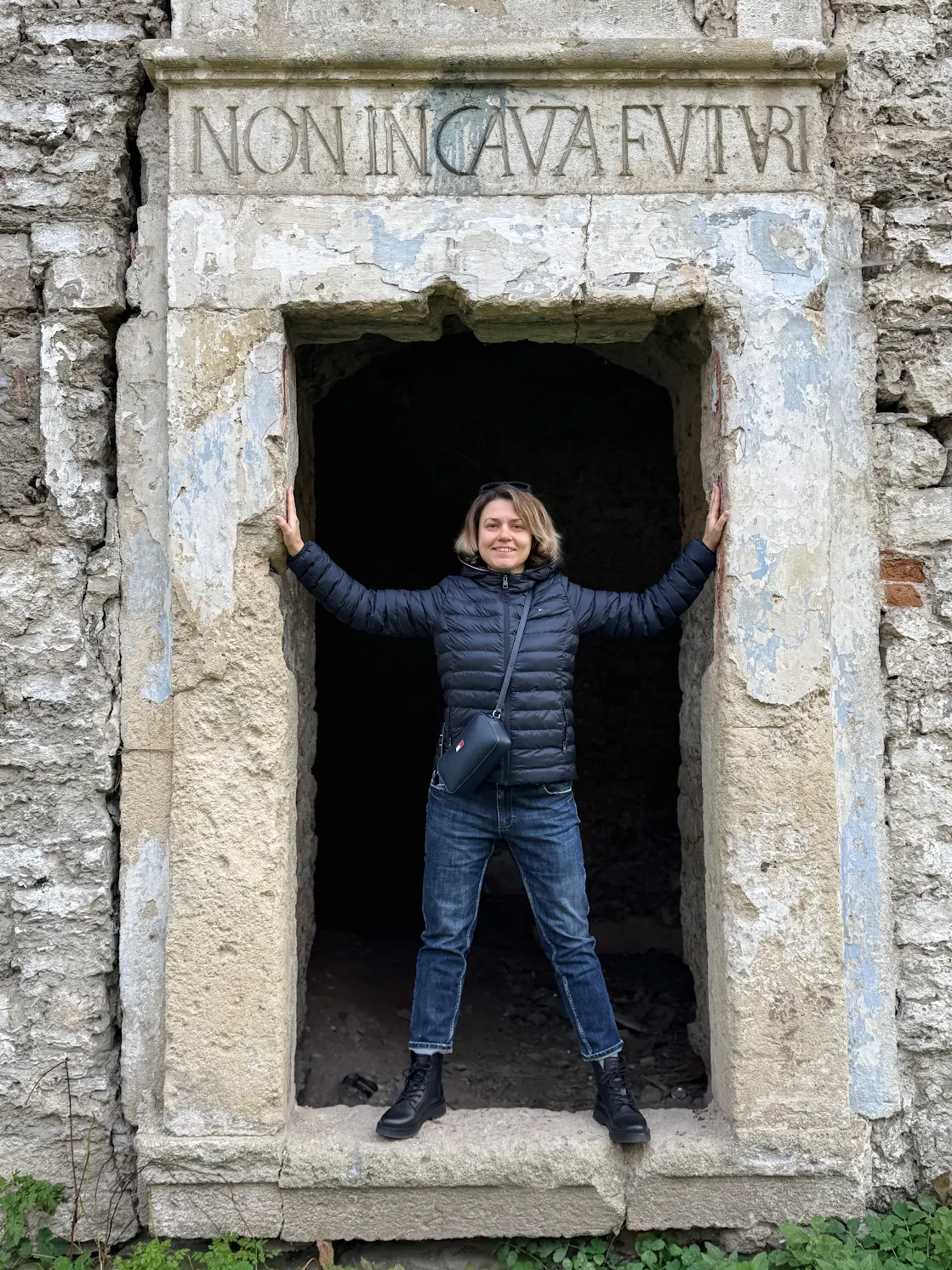
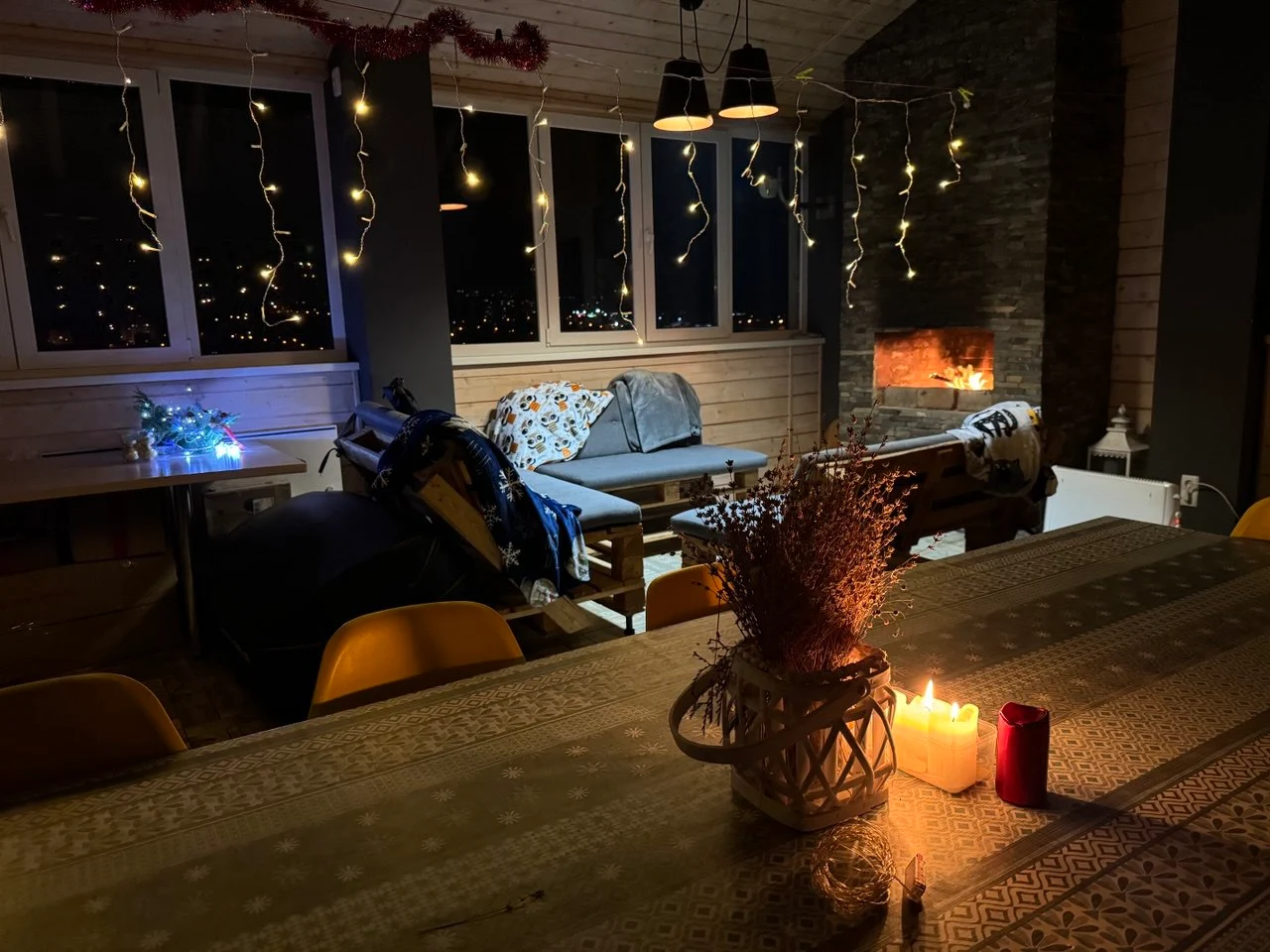
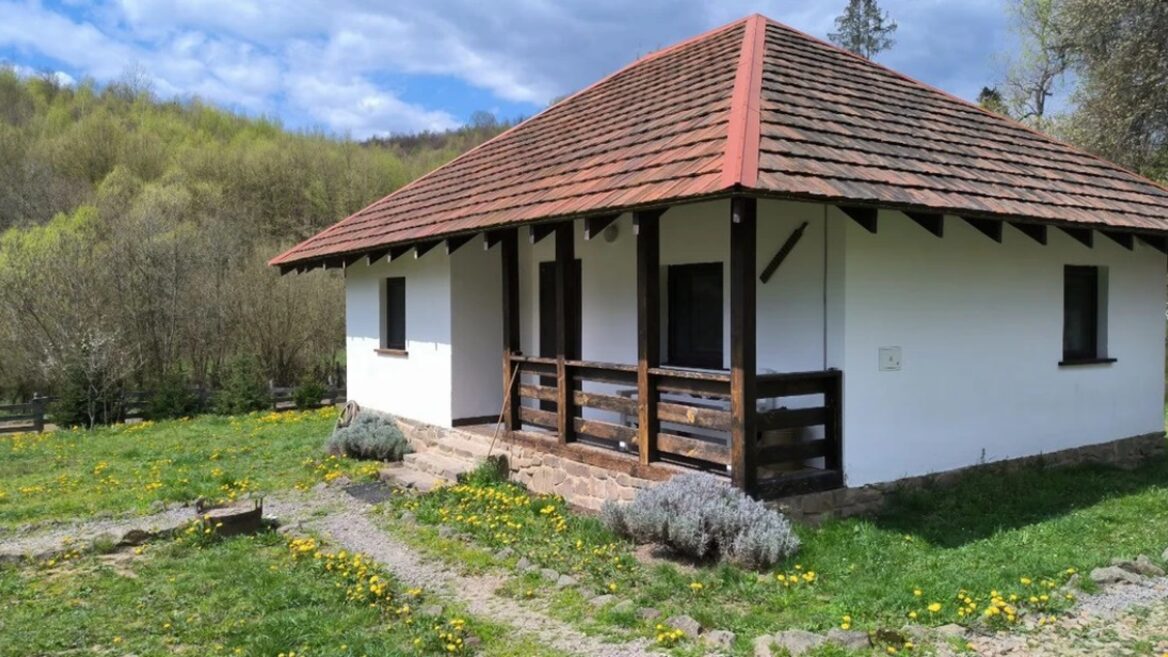
We already stayed in the house where we live now for one night in 2021, when we traveled around Ukraine. We walked around, admired the incredible view of the city and the fortress, and joked: «I wish I could live in a house like that.» As it turned out, we had slightly under-formulated our wishes.
On February 24, we called the owner and asked to rent it for a week. Then we extended it for another two. Then another. And now we have been living in western Ukraine for almost four years. We still rent this house because of the security, autonomy, and enough space to take someone else in if necessary. For the first six months, ten people, three dogs, and three cats lived here at the same time. After this, I really hope that this will remain just a reinsurance.
Autonomy as an advantage
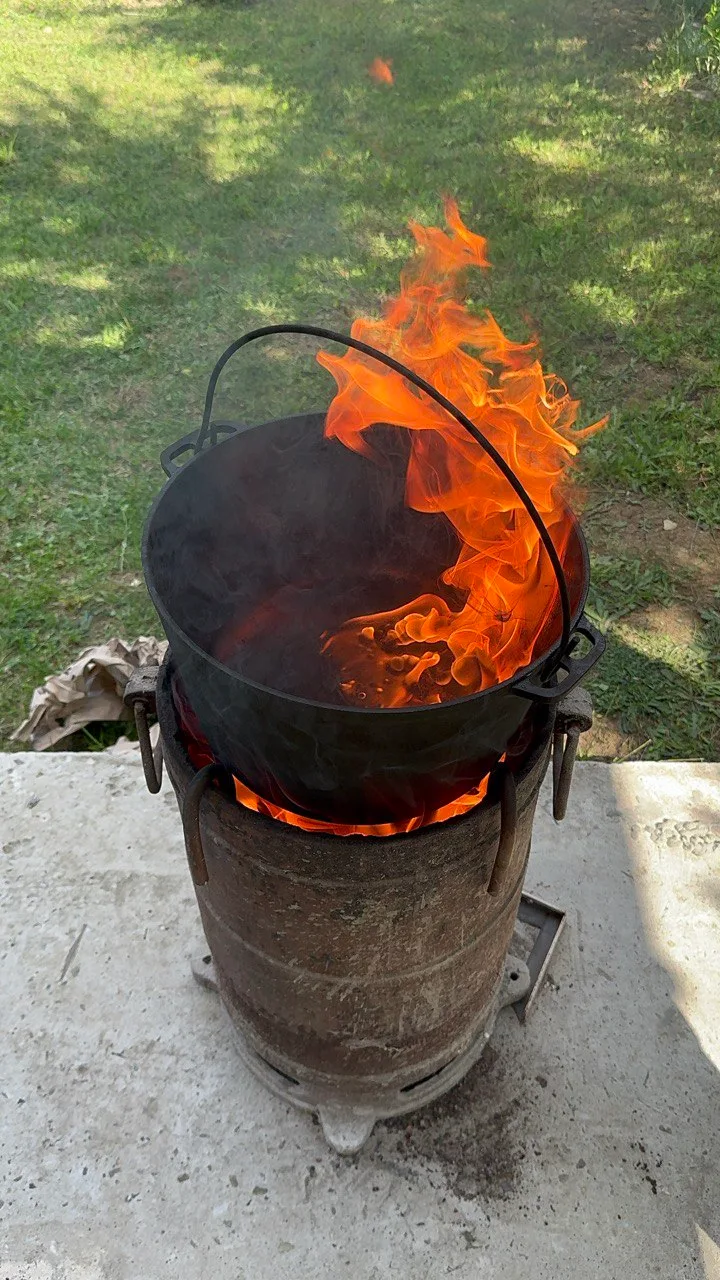
Autonomy became a key advantage, especially during blackouts. Our own well, gas, heating and hot water from our own boiler — in fact, everything we needed for life, all that remained was to provide electricity. At first, we bought a small EcoFlow for the router — we had the optics installed in the first days, because a whole team of IT professionals and teachers lived in the house. When the situation with electricity worsened, we bought a more powerful EcoFlow for laptops and basic household needs.
Later, a generator appeared — it’s a good thing they stocked up on gasoline back in the summer of 2022. It was connected to the house: you could use almost everything except the washing machine and oven. However, you had to go outside every time to start or switch it on.
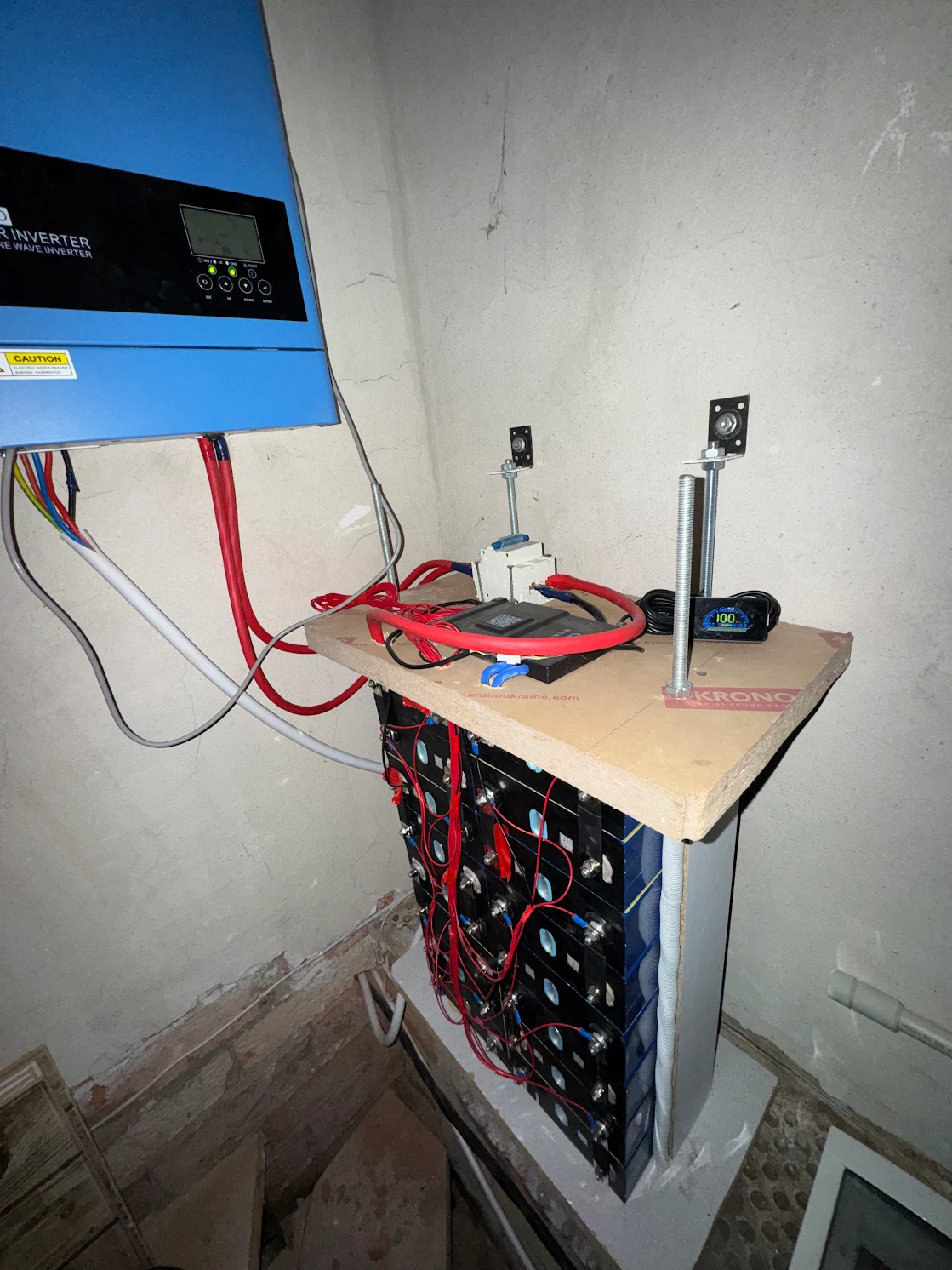
In 2024, together with the owner, we installed an inverter that powers the entire house and charges when there is light. If electricity is only provided for an hour and there is no power for six, it does not have time to fully charge — then you have to save money or start the generator again.
«I even go to the hairdresser in Kyiv»
Do I miss the big city? Of course. Maybe one day I would like to move to the village — but by my own decision and in twenty-five years. We live almost in the suburbs, so we have access to supermarkets and basic services. But the range of goods and services is completely different. For many things, you have to go to bigger cities — to the service station, to the theater, to the shopping center. I even go to Kyiv to see a hairdresser.
We didn’t consider moving abroad. With our son in his final year of military college, we didn’t even think about it.
The village is about relationships
What keeps us here, besides security? People. They are more open and warm here. In my phone, I have contacts for «Aunt Nina Meat» and «Aunt Lyuda Cucumbers.» In almost forty years of living in a big city, I have never had anything like that — everything is simple there: I came, bought, left. And here it’s about relationships. About the fact that they remember you and worry if you don’t come for a long time.
Life here is much cheaper: groceries, housing, and restaurants. Friends came from Lviv, had dinner for four, and they brought the bill — and they asked, «Are you sure you counted everything? Is this for everyone?»
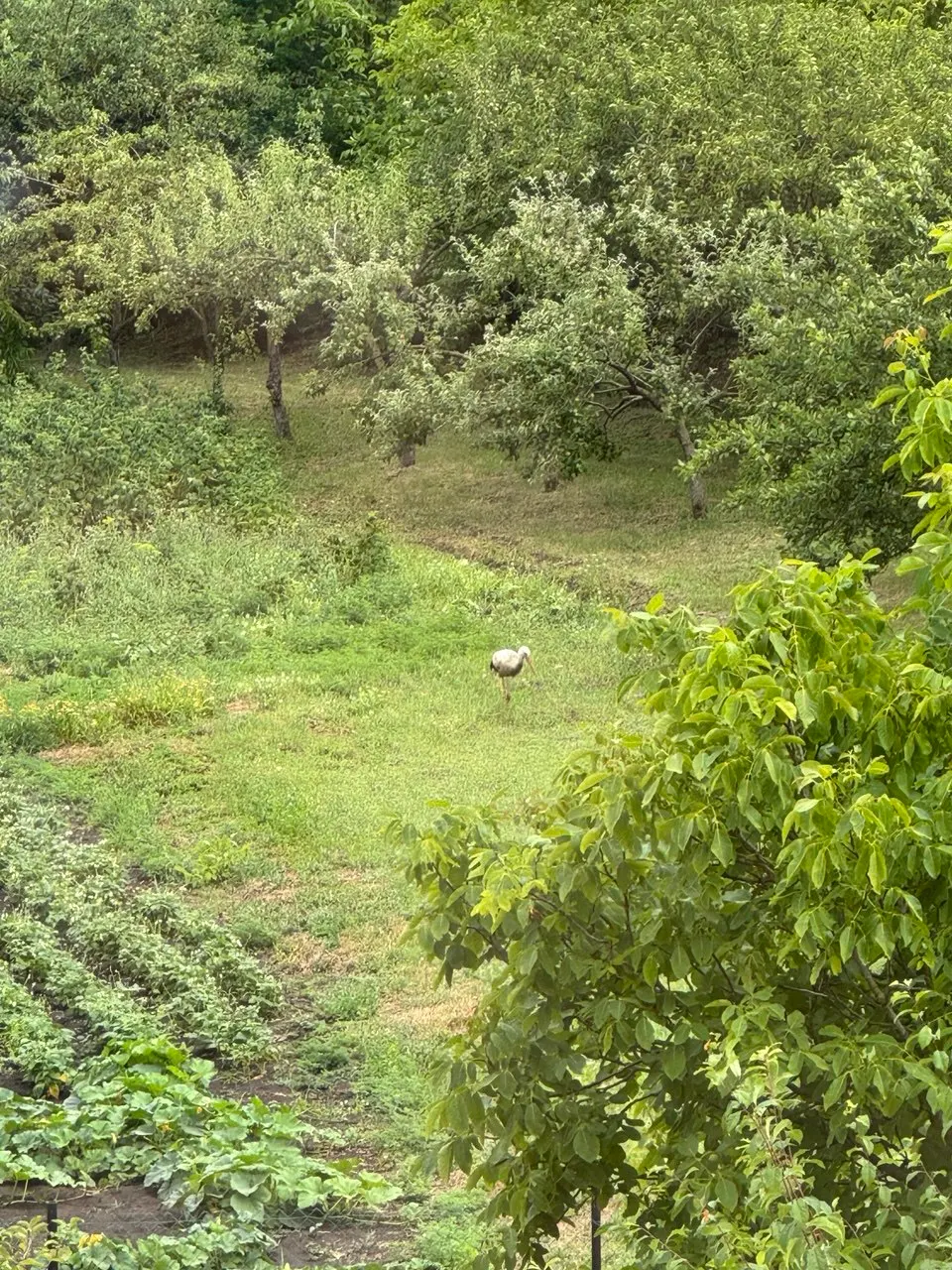
And then there’s the air, the views, the river with incredible places, the canyon, waterfalls, caves, castles and fortresses. There’s also a bit of real rural life: a tomato patch, a cucumber patch, fed birds. Sometimes we even think about chickens — but for now we’ll hold off.
And yet, I miss the scale, events, conferences, opportunities, and dynamics of a big city. That’s why I often travel to Kyiv and other regional centers.
And I only want to return to one city — my own, the best in the world. To Kharkiv. And I really believe that one day that will be the case.
«This idea occurs to almost everyone who has had fun in IT for 10 years»: Ukrainian IT professionals in Threads fantasize about an IT village outside the city
«In Kharkiv I was a 'concrete person', an agnostic intellectual with no ties to traditions.» It is possible to change the rhythm of a million-dollar city to life in a village in Bukovina and feel absolutely happy. Here is the story of an IT professional from EPAM who proves it
Як увійти в IT, якщо не вмієш кодити? Три історії неайтішних спеціалістів з Ciklum, TECHIIA та Intetics
Для того, аби працювати в IT, необов’язково вміти писати код. Адже в компаніях велика кількість спеціалістів, які не знають жодної мови програмування та не орієнтуються у фреймворках.
dev.ua розповідає, як влаштована робота в IT неайтіших спеціалістів й чим вона їх приваблює.
«Ситуація вже пройшла точку критичного дна». Що відбувається на ринку праці та чи є шанс на відновлення активного найму в українському IT
36% українців, які втратили роботу, не знають, як її шукати, рапортує Work.ua. Зокрема, 15% читачів dev.ua, згідно з опитуванням, також опинилися за бортом і наразі не працюють. Скаржаться на досить скромний найм у порівнянні з довоєнними часами і рекрутери. Висновок, що ринок кандидата через війну перетворився на ринок роботодавця, вже ні в кого не викликає сумнівів.