Not like in "Star Wars": Sergey "Flash" explained how air defense laser systems actually work
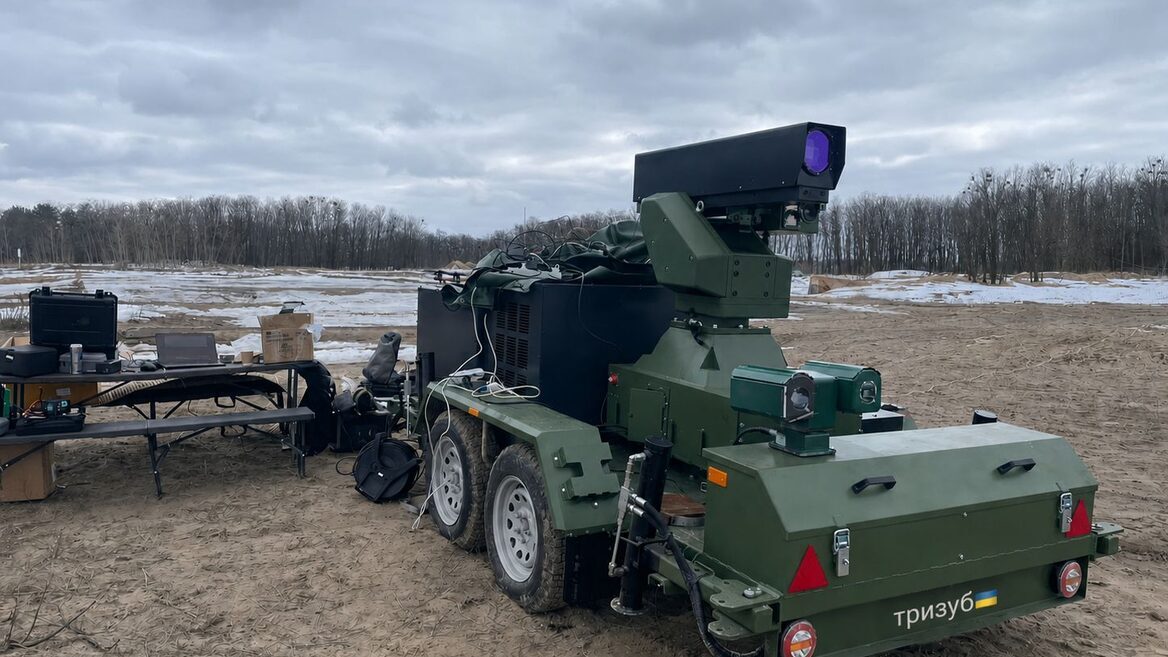
Yesterday, November 25, Presidential Advisor for the Development of Technological Areas of Defense Sergey "Flash" Beskrestnov reported that a combat laser involved in covering a critical infrastructure facility had shot down a Geran jet drone for the first time.
Yesterday, November 25, Presidential Advisor for the Development of Technological Areas of Defense Sergey "Flash" Beskrestnov reported that a combat laser involved in covering a critical infrastructure facility had shot down a Geran jet drone for the first time.
Against the backdrop of this event, the specialist dispelled common myths about the principle of operation of combat lasers in his Telegram channel. According to him, many people mistakenly imagine the operation of such weapons according to the script of the "Star Wars" films - supposedly the beam instantly burns holes in the drone and cuts its wings and body into pieces right in the air.
In fact, the task of the laser complex is to precisely maintain a focused spot of radiation at one fixed point of the drone. Such prolonged thermal exposure leads to critical overheating of the internal components of the device, which causes them to fail. At the same time, the power of the installation itself directly determines two key characteristics: the range of the target and the time required to disable it.
Context
The destruction of the Gerani jet was the first recorded case in the world of the destruction of this type of drone using a laser air defense system. The combat work was demonstrated by the Blysk complex from the development company Carmin Sky, which is being created within the framework of the state program "Private Air Defense" with the support of the Brave1 defense cluster.
As Serhiy Beskrestnov notes, several Ukrainian teams are currently working on the implementation of laser technologies in air defense. Despite the high complexity and cost of development, successful combat use is an important benchmark for the entire defense innovation market. It is too early to talk about mass production of Blysk systems - the complexes are undergoing testing, combining testing with real coverage of infrastructure facilities.
Recall that Carmine Sky put its own laser installation "Blysk" on combat duty in Kyiv in early November 2026.
Purchasing the first components under the "honest word" and an R&D laboratory in the basement. How Celebra Tech gradually went from the first drones to the development of the "Trident" laser weapon