Хочете будувати кар’єру в Data Science та AI? Vodafone Big Data Lab відкриває новий набір —>
Валентин ШнайдерWeapon
19 April 2026, 13:13
2026-04-19
Sergey "Flash" told what SIM cards russians use to control "Shaheds"
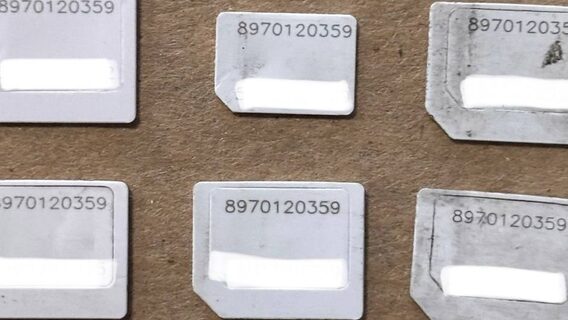
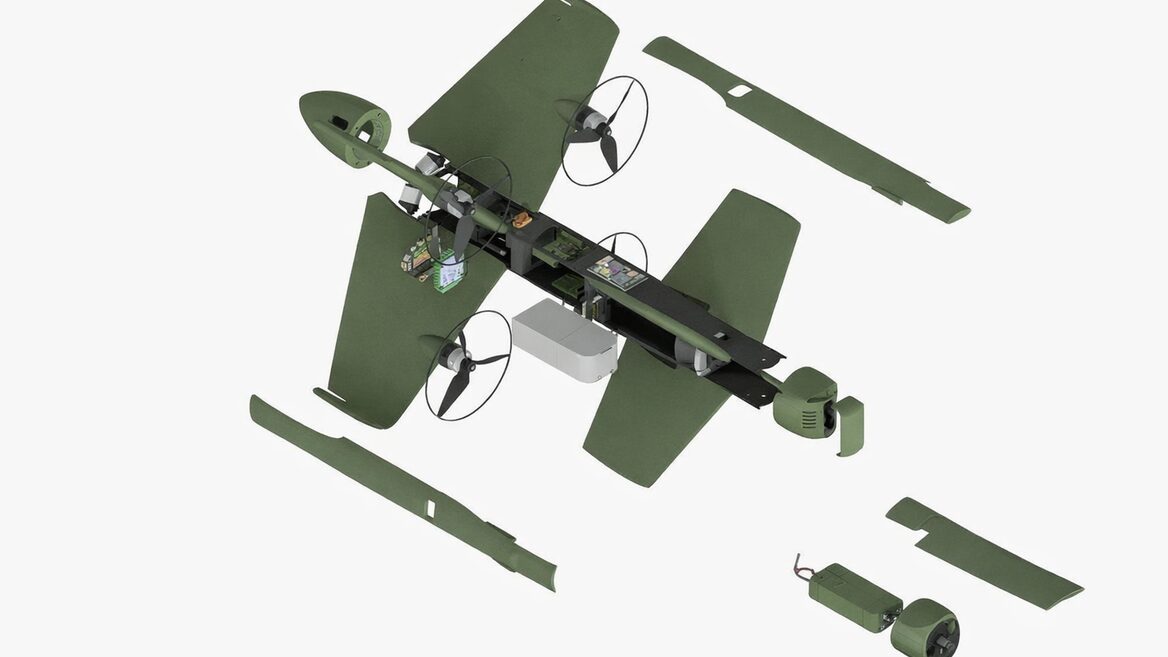
Defense Ministry Advisor Sergei «Flash» Beskrestnov stated that the Russian military uses SIM cards from one of the mobile operators to operate Shahed drones and supplies them to manufacturers in these batches.
Defense Ministry Advisor Sergei «Flash» Beskrestnov stated that the Russian military uses SIM cards from one of the mobile operators to operate Shahed drones and supplies them to manufacturers in these batches.
As Serhiy «Flash» Beskrestnov writes in his Telegram channel, SIM cards of the operator «Tele2» (t2) are installed in «Shakhedy», which, according to him, are specially purchased and transferred for use in these drones.
He notes that the operation of these SIM cards has already been restricted inside Ukraine, but the problem remains near the borders. There, drones can connect to roaming networks, in particular through Belarusian operators, and also, presumably, through the infrastructure of Poland or Romania while flying along the borders.
Beskrestnov also suggests that SIM cards from the same operator may be used in other drones that have recently been spotted in various European countries, but emphasizes that this is a likely scenario, without any confirmed technical details.
Against this background, he called on telecommunications operators in other countries to terminate cooperation with this operator. This concerns roaming and international interconnect, which actually allow such SIM cards to work outside of Russia.
In fact, we are talking about blocking the possibility of using foreign telecom infrastructure for drone operations, not just restricting them within Ukraine.
The key problem, which Beskrestnov points out, is not the SIM cards themselves, but the fact that they remain operational through international networks. Even if they are blocked in Ukraine, roaming along the borders allows you to partially bypass these restrictions. That is why the issue goes beyond internal security and depends on the decisions of foreign operators, who either maintain or break such connections.