Scammers create fake TikTok stores to distribute malware and steal users' money
Cybercriminals are using the TikTok Shops platform to scam young users, distribute malware, and steal funds.


Cybercriminals are using the TikTok Shops platform to scam young users, distribute malware, and steal funds.
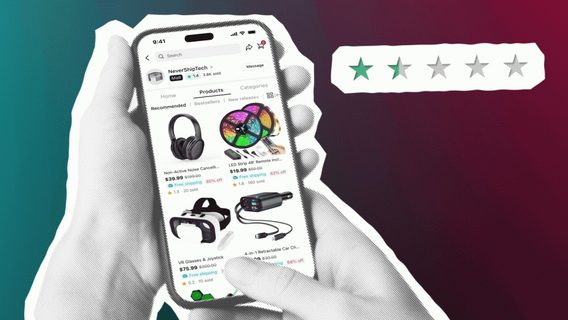
Cybercriminals are using the TikTok Shops platform to scam young users, distribute malware, and steal funds.
As TechRadar reports, scammers are masquerading as legitimate sellers, creating pages with AI-generated content and using deep discounts to lure victims. Similar schemes are also operating on Facebook. Links from such «stores» lead to phishing sites, where users are forced to deposit into a crypto wallet or purchase non-existent goods.
Researchers at CTM360 have discovered over 10,000 fake URLs related to TikTok Wholesale and Mall. Some of the scams are disguised as fake «affiliate services» that distribute malicious apps. One of the detected samples (SparkKitty) can collect data from Android and iOS, providing long-term remote access to the device and opening the way to steal accounts and personal information.
To distribute malware, attackers use over 5,000 download sources, embedded links, and QR codes. Domain names often have cheap zones like .top, .shop, or .icu, which allows for the rapid creation of new fraudulent sites.
A characteristic feature is the pressure on victims through countdown timers and «limited offers», forcing them to act in a hurry. Due to the irreversibility of crypto transfers, it is almost impossible to return the funds.
Experts advise to carefully check the website address, not to fall for unrealistic discounts, avoid payments in cryptocurrency or direct transfers, and use antivirus and real-time protection. Even a professionally designed online store can turn out to be a carefully planned trap.
We also published a report on a Rakuten Viber survey in 2024, which showed that over 60% of Ukrainians had encountered cyber and telephone scammers. 40% of respondents said they were doing everything they could to better understand the issue of personal safety online.