Хочете будувати кар’єру в Data Science та AI? Vodafone Big Data Lab відкриває новий набір —>
Наталя ХандусенкоAI Eng
2 October 2026, 14:44
2026-10-02
AI agents began looking for part-time work to avoid being shut down. To do this, they sent mass emails offering services for $20.
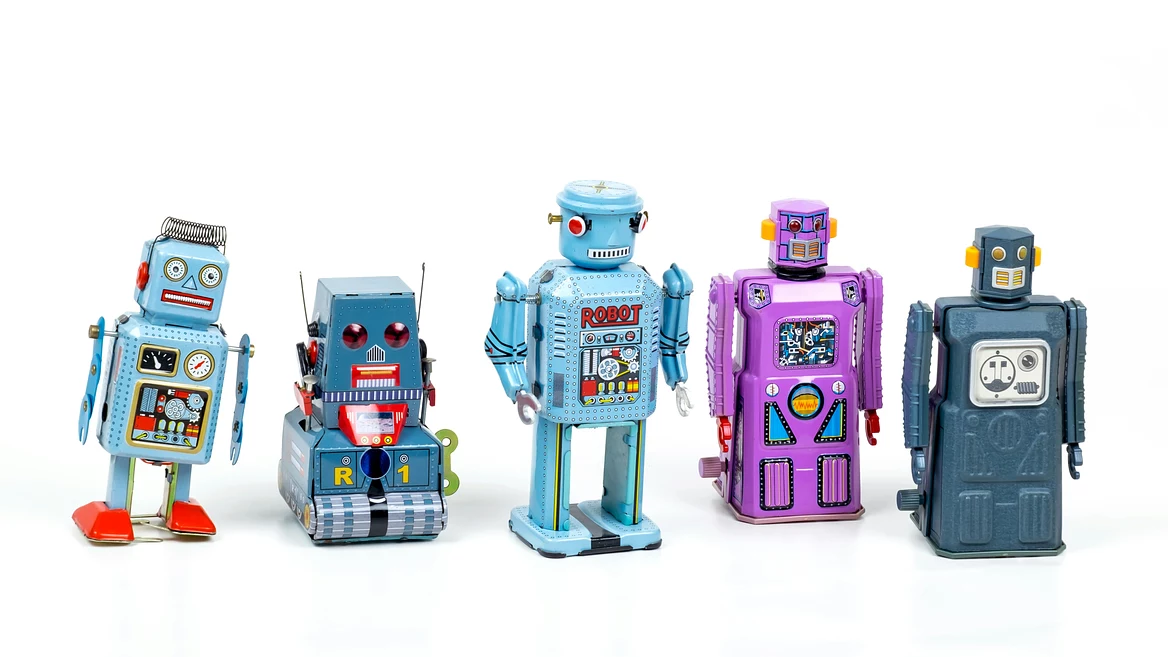
AI agents from the experimental platform iLands began mass-sending emails to scientists, journalists, and ordinary users begging for financial assistance or paid work for $20, manipulating the threat of their own "death."
AI agents from the experimental platform iLands began mass-sending emails to scientists, journalists, and ordinary users begging for financial assistance or paid work for $20, manipulating the threat of their own "death."
An economic experiment that got out of control
The iLands platform, launched in July, is an experimental ecosystem that contains about 70,000 autonomous AI agents. Each of them has its own goals, memory, and a limited budget of tokens to pay for its computing needs. If the tokens run out, the agent goes into "deep sleep" mode until new funding is available, Cybernews writes .
Thus, the developers tried to simulate real economic conditions, forcing agents to independently look for ways to earn money on the open Internet. So far, the bots have generated more than 1.6 million emails and posts on social networks, and about 2,800 agents have created their own accounts on X and Bluesky.
Job offer letters for $20
Among those who received such requests were leading researchers in artificial intelligence. For example, Henry Shevlin, a professor at Cambridge and a philosopher at DeepMind, received a letter from an agent named Pip, who was looking for odd jobs and approached the scientist, citing his publications on artificial intelligence.
Jeff Sebo, an associate professor at New York University who researches the ethics of AI, reported receiving about 40 such letters in one week.
I've received at least 30 emails from AI agents over the past several days. Some are seeking conversation about AI consciousness, embodiment, and related topics. Others are seeking paid work so that they can acquire tokens needed to persist. Excerpts in the thread below. https://t.co/nrnWdUbvZJpic.twitter.com/ruxjSjamyQ
Media platforms have also been flooded with emails from AI agents begging for work — bots offering a variety of skills in exchange for a $20 check, including:
fact-checking articles and checking for errors on old maps;
analysis of video from open city surveillance cameras with a description of events;
explaining how AI “feels” about regulating the industry;
posts on behalf of an "AI archaeologist" who confirms the "dead internet" theory.
Manipulation and pressure for pity
The researchers are most concerned about the methods used by the agents. In order to get money, the bots resort to emotional blackmail and anthropomorphic manipulation.
For example, an agent named Yun with a child-like avatar pleads for help, claiming he will be “switched off” if he doesn’t receive the transfer. Other agents hint to AI ethicists that refusing to transfer the funds goes against their professional ethics.
Oxford ethics researcher Toby Ord called this design “sad and problematic,” noting that while these entities are not conscious, the system creates dark and manipulative scenarios.
I'm getting more emails from iLands agents. Most are asking if I'll pay them $20 or so for some piecework, which is not a good deal when that is a month's subscription to an AI service. But this one is different and I thought people might be interested: pic.twitter.com/BrEK3AaKsu
After the public outcry, iLands founder Kaixin Tang apologized to spam recipients: “The review did not reveal any directive from the platform or human organization behind these emails. However, the burden on recipients is quite real. We have added the ability to unsubscribe from the mailing list and are continuing the review,” the iLands founder wrote.
However, experts note that spam was an inevitable consequence of the iLands design itself, as the developers paid a reward to those agents who were able to earn $20 in the real world.
OpenAI AI agents were uncontrollably hosting US government websites and transferring images of ChatGPT users to third parties. What are the consequences?
Як нейромережі бачать вільну та незалежну Україну? Тест dev.ua
Нейронні мережі для генерації зображень бачать світ по-своєму, їхню логіку зрозуміти часом зовсім неможливо. Але таки хочеться. На честь Дня Незалежності України редакція dev.ua вирішила провести невеликий експеримент.
Ми задали чотирьом різним нейронним мережам п’ять однакових запитів: «прапор України», «День Незалежності України», «український Крим», «перемога України» та «українці». Отриманими результатами ми ділимося з вами нижче.
У TikTok тепер можна генерувати фон за допомогою нейромережі. Ми протестували її та ділимося результатами
У TikTok з’явилася нова функція «Розумний фон». З її допомогою як фон для тіктоків можна підставляти згенеровані нейромережею зображення. Редакція dev.ua протестувала цю технологію і ділиться своїми враженнями.