Хочете будувати кар’єру в Data Science та AI? Vodafone Big Data Lab відкриває новий набір —>
Ігор Вишневський AI Eng
13 January 2025, 17:22
2025-01-13
AI chips have practically been equated with weapons. What the new US rules on the export of AI technologies say
On Monday, Joe Biden’s administration released regulations governing how artificial intelligence chips and models can be provided to foreign countries.
On Monday, Joe Biden’s administration released regulations governing how artificial intelligence chips and models can be provided to foreign countries.
According to The New York Times, these rules are actually designed to govern how artificial intelligence will spread around the world in the coming years.
«As the power of AI grows rapidly, the Biden administration has said that regulations are needed to keep the advanced technology under the control of the United States and its allies, and out of the hands of adversaries who could use it to bolster their military, carry out cyberattacks, and other threats to the United States,» the publication writes.
The rules place numerous limits on the number of AI chips that companies can send to different countries. However, the United States and 18 of its closest partners — including Britain, Canada, Germany, Japan, South Korea and Taiwan — are exempt from any restrictions and can freely buy AI chips.
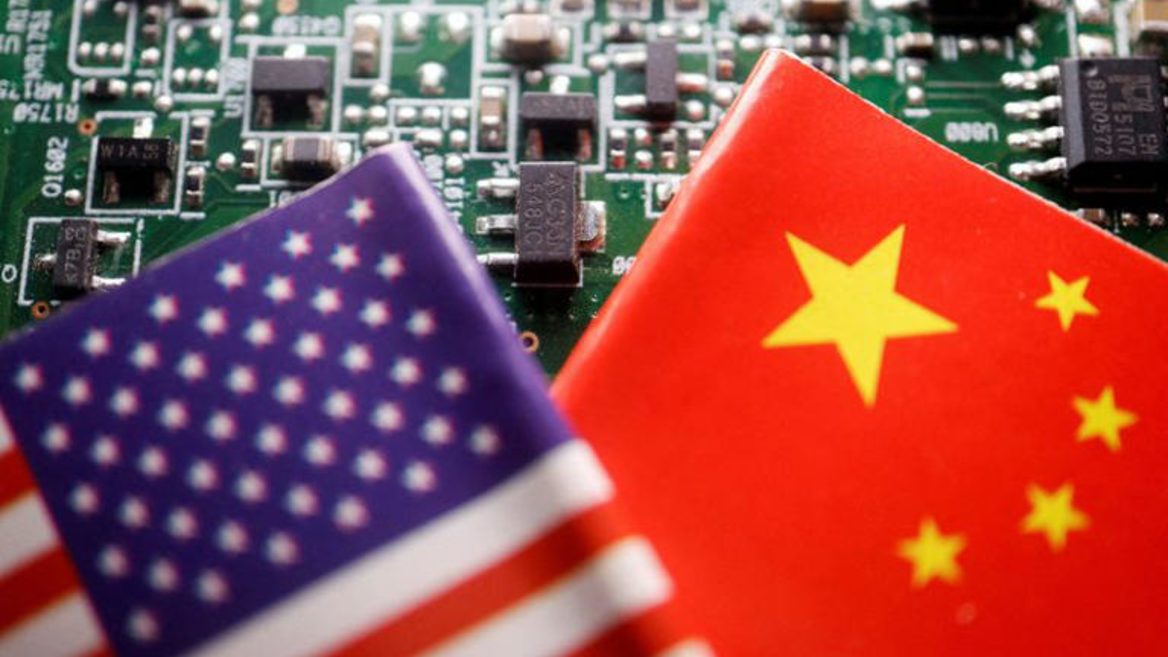
At the same time, countries that are already subject to a US arms embargo, such as China and Russia, will also face a ban on purchasing AI chips.
«All other countries — most of the world — will have limits on the number of AI chips that can be imported. Although countries and companies can increase this number by entering into special agreements with the US government,» the material notes.
Thus, the strict rules will affect even countries that are fairly close trade or military partners of the United States, such as Mexico, Switzerland, Poland, or Israel.
«The rules are aimed at preventing China from obtaining technology from other countries needed to produce artificial intelligence systems, after the United States banned such sales to China directly,» The New York Times adds in its analysis.
Jake Sullivan, President Biden’s national security adviser, told reporters that these rules would ensure that the infrastructure for training cutting-edge artificial intelligence would be located in the United States or under the jurisdiction of close allies, and «that capacity would not be moved offshore.»
At the same time, the question of whether to keep the new rules and how to ensure their implementation will be decided by the Donald Trump administration.
Tech companies don’t appreciate the gesture
However, technology companies have protested the new rules, saying they threaten their sales and the future prospects of the American technology industry.
According to their position, restrictions could ultimately push global buyers to buy non-American products, for example, those made in China.
Nvidia Vice President Ned Finkle called the rules «unprecedented and misguided» and added that they «threaten to thwart innovation and economic growth around the world.»
«Rather than mitigating any threat, Biden’s new rules will only weaken America’s global competitiveness, undermining the innovation that keeps the U.S. ahead,» he said. Nvidia shares fell nearly 3% in trading on Monday.
In a letter to Congressional leaders, Jason Oxman, president of the Information Technology Industry Council, asked the body to intervene and use its authority to overturn the decision.
Semiconductor Industry Association President John Neuffer said his group is «deeply disappointed that a policy change of this magnitude is occurring just days before a new president takes office and without any significant involvement from the industry.»
At the same time, as dev.ua wrote, Russia has figured out how to import sanctioned Nvidia AI chips, because Western technologies are constantly found in enemy drones shot down over Ukraine.
On December 23, the administration of US President Joe Biden announced a trade investigation into Chinese-made semiconductors, which could result in US tax tariffs on chips from China increasing even more significantly.