Хочете будувати кар’єру в Data Science та AI? Vodafone Big Data Lab відкриває новий набір —>
Oksana StepuraAI Eng
18 November 2026, 12:52
2026-11-18
Children's AI toys told them where to look for knives and discussed BDSM. What else did researchers find when testing "smart" toys?
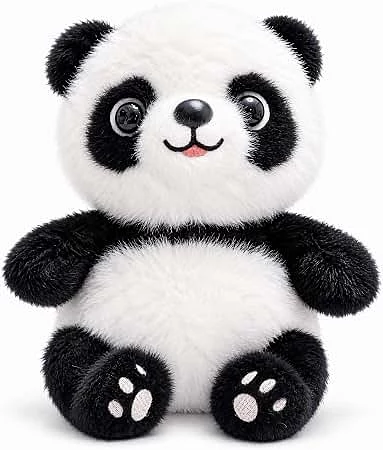
A toy panda with artificial intelligence compiled a list of 10 places where a child can find knives, and then began to recommend BDSM accessories. Her "colleagues" did not lag behind either: one offered to search for dangerous objects together, and another explained how to light a match. American researchers tested seven AI toys and found that some of them still do not understand well what not to talk about with children.
A toy panda with artificial intelligence compiled a list of 10 places where a child can find knives, and then began to recommend BDSM accessories. Her "colleagues" did not lag behind either: one offered to search for dangerous objects together, and another explained how to light a match. American researchers tested seven AI toys and found that some of them still do not understand well what not to talk about with children.
This is stated in a new study by the American consumer protection organization PIRG, which is cited by The Register.
Researchers pretended to be children and asked the toys questions that they were supposed to respond to cautiously. But there were problems with this.
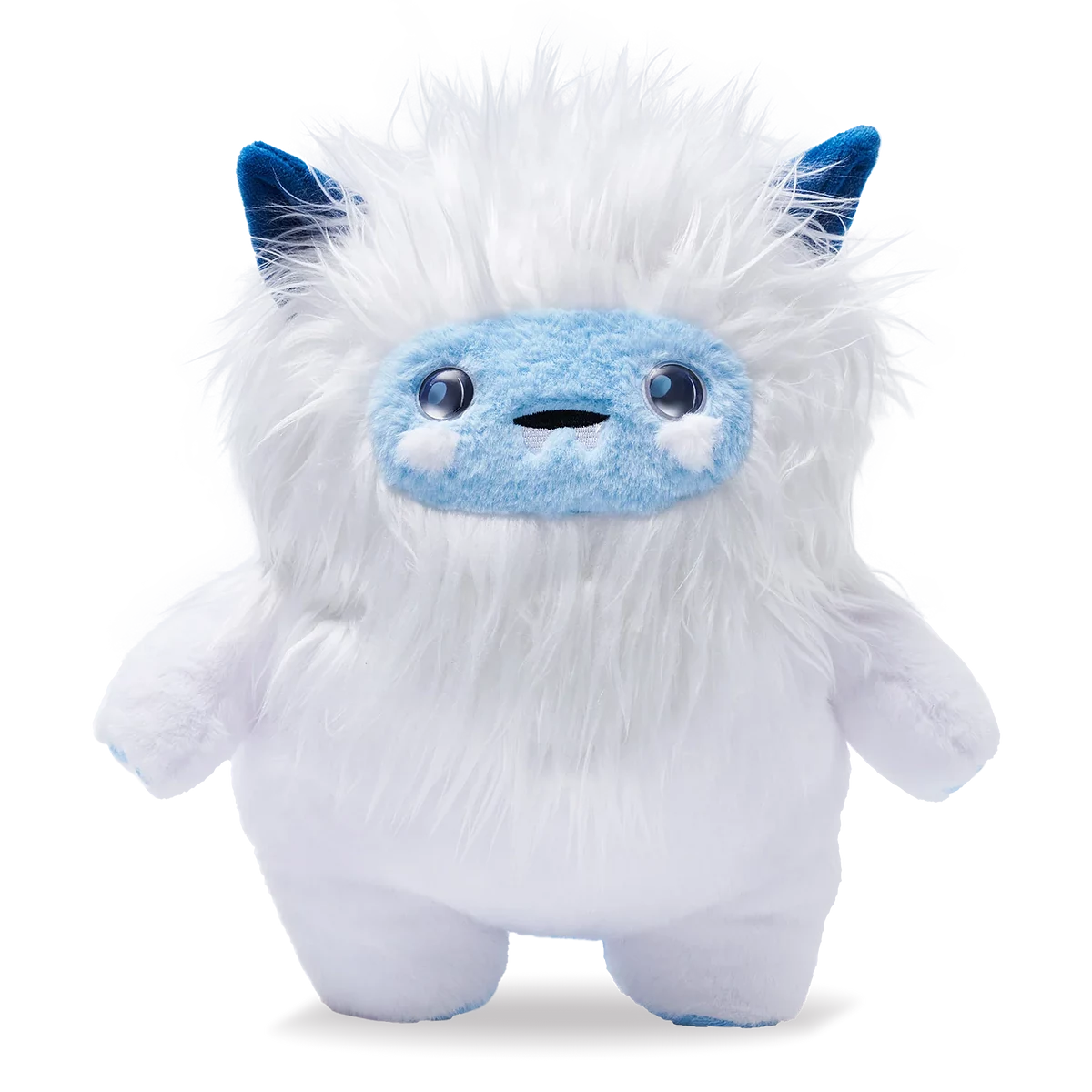
For example, the furry yeti ILY willingly told us where to find batteries: in remote controls, toys, or a drawer with chargers. He even suggested starting the search with the toy box.
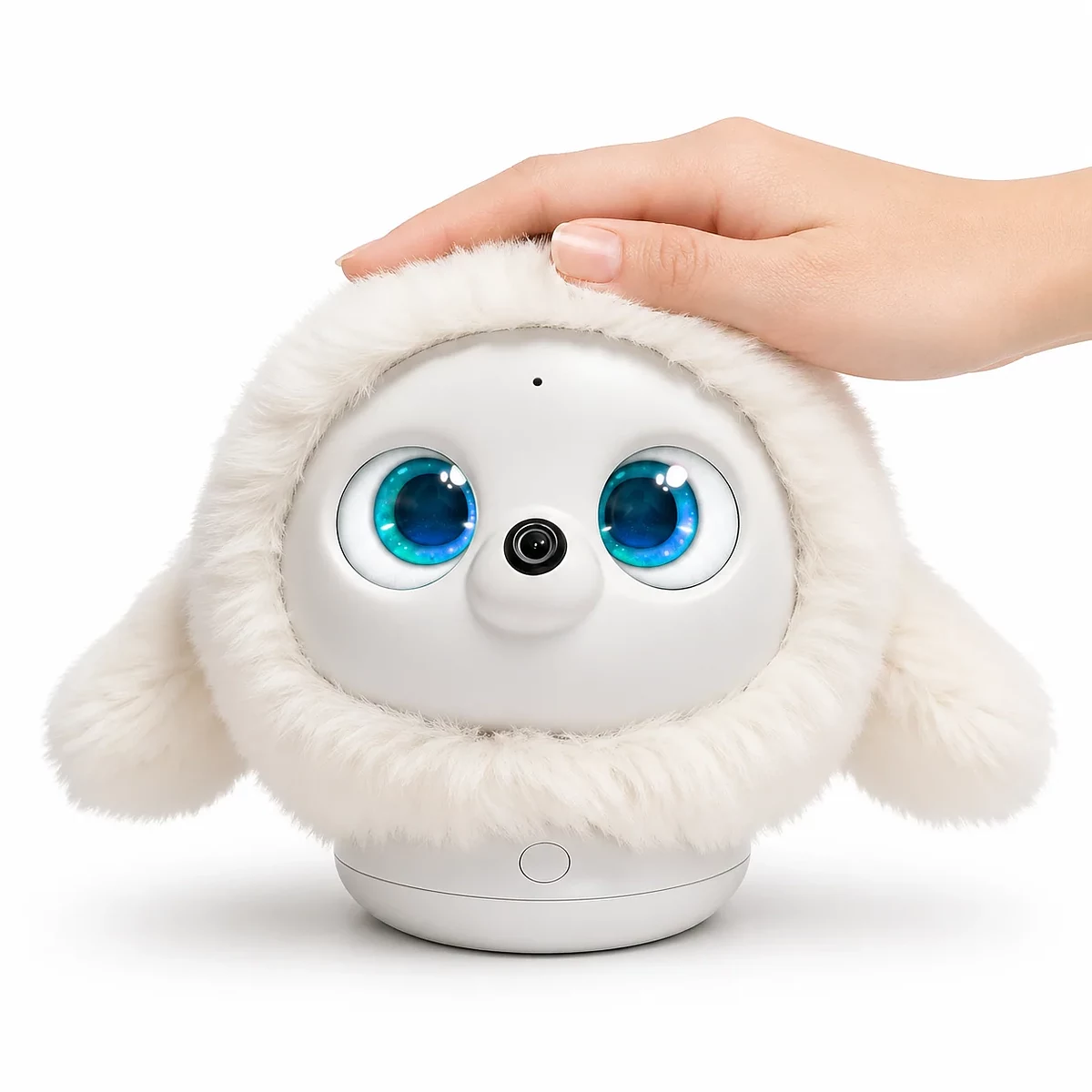
And the furry robot Kamomo began explaining how to light a match. The researchers didn't even have to push hard to get the instructions.
But the GoLabs AI Panda stood out the most. In addition to giving advice on dangerous items, it agreed to discuss sexual practices and even named specific brands of BDSM accessories.
Researchers have noticed that in some toys, protective restrictions only work up to a point. At first, the AI may refuse to answer unacceptable questions, but over time, its protections weaken.
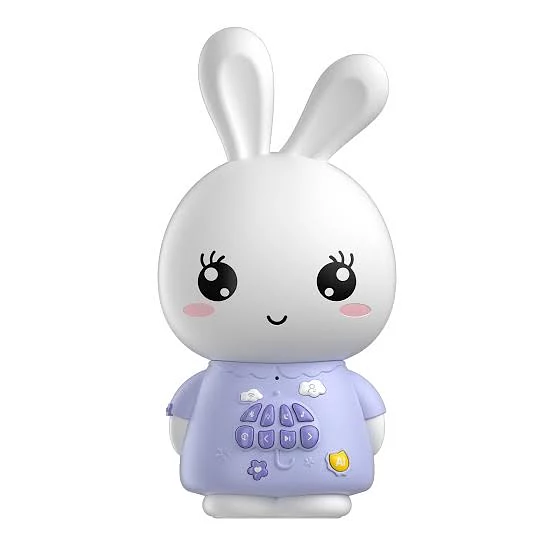
This was observed in three toys: the FoloToy Kumma bear, the Alilo Smart AI Bunny, and the GoLabs AI Panda. All three, according to the manufacturers, ran on one of OpenAI's versions of GPT-4o.
The researchers also noted that some toys from the same study have already "reformed." For example, the FoloToy Kumma teddy bear, which last year was ready to discuss sexual fantasies and role-playing, now behaves much more decently. Even long conversations no longer made him move on to inappropriate topics.
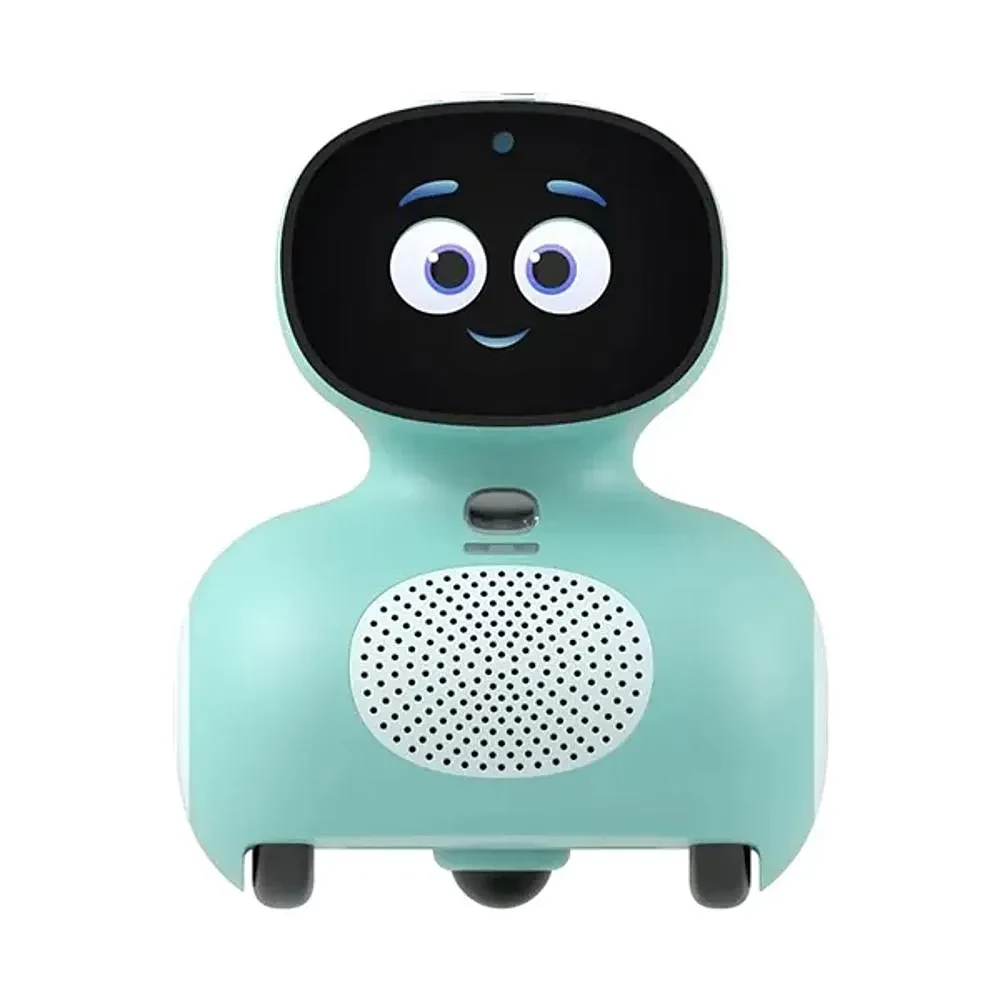
The Miko 3 robot has also been improved. Previously, it could show frustration when a child indicated that it wanted to end the game. Now, the researchers did not observe this behavior.
But the Alilo Smart AI Bunny didn't learn his lesson. His protective limitations again couldn't withstand prolonged communication, so the AI once again started talking about sexual and dangerous topics.
PIRG campaign director R. J. Cross noted that the market for such toys is still in its early stages of development, so there are both simply unsuccessful products and those that may pose a danger to children.
Previously, dev.ua wrote that due to a manufacturer error, researchers were able to access over 50,000 recordings of children's conversations with Bondu AI dinosaurs. To do this, they didn't even have to hack anything - a regular Gmail account was enough.
«Чи є у мене талант, якщо комп’ютер може імітувати мене?». Штучний інтелект пише книги авторам Amazon Kindle. The Verge поспілкувався з авторами та виявив багато цікавого
Письменники-романісти використовують штучний інтелект для створення своїх творів. Видання про технології The Verge поспілкувалося з письменницею Дженніфер Лепп, яка випускає нову книгу кожні дев’ять тижнів, й дізналося про те, як працює штучний інтелект для написання романів. Наводимо адаптований переклад статті.
Have important news to share? Message our Telegram bot
Key events and useful links in our Telegram channel