Хочете будувати кар’єру в Data Science та AI? Vodafone Big Data Lab відкриває новий набір —>
Олександр КузьменкоAI Eng
20 August 2025, 17:59
2025-08-20
Scientists created a social network where users were exclusively AI chatbots. It quickly became a “hotbed of extremist views”
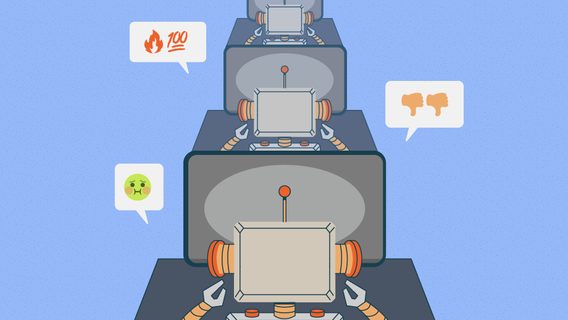
Researchers in artificial intelligence and social media conducted an experiment to improve social networks for users. They used AI models to see if it was possible to keep social networks from segmenting into information bubbles filled with anger and stupidity. The results were disappointing.
Researchers in artificial intelligence and social media conducted an experiment to improve social networks for users. They used AI models to see if it was possible to keep social networks from segmenting into information bubbles filled with anger and stupidity. The results were disappointing.
The experiment was conducted by scientists from the University of Amsterdam — AI and social media researcher Petter Thornberg and research associate Mike Larouille. They simulated a social media platform that was completely populated by artificial intelligence chatbots powered by OpenAI’s large language model GPT-4o, Futurism reports, citing Ars Technica.
The researchers tested six specific intervention strategies that were intended to prevent social media from becoming isolated information bubbles. These included switching to a chronological news feed, amplifying diverse viewpoints, hiding social statistics such as follower counts, and removing account descriptions (bios).
None of these strategies have been reported to have yielded satisfactory results, and some have shown only marginal effects. Some have had the opposite effect and made the situation worse. For example, organizing news feeds chronologically reduced attentional bias but pushed extreme content to the forefront.
This disappointing result demonstrates that companies’ aspiration to create the “ digital town square ” that Elon Musk talked about, where all users peacefully coexist, may be an unattainable utopia. And social media platforms in their current form may be doomed to become «highly polarized hotbeds of extremist views.»
«Can we figure out how to improve social media and create online spaces that actually deliver on those early promises of creating a public sphere where we can constructively discuss and debate politics?» Thornberg asked Ars.
Petter Thornberg acknowledges that using AI in an experiment is not a «perfect solution» due to «all sorts of biases and limitations.» However, the technology can «more believably reflect human behavior.» According to him, it is not only certain elements of content that lead to strong polarization in online communities.
He added that toxic content «also shapes network structures» and this «influences what content you see, leading to the formation of a toxic network.» The result is «extreme attention inequality,» with a small minority of posts receiving the most visibility.
«We’re already seeing a lot of actors, leveraging the monetization of platforms like X (Twitter), using AI to create content just to maximize attention. So misinformation, often highly polarized information, as AI models become more powerful, that kind of content will prevail,» Thornberg said.
In his opinion, traditional social media models are unlikely to survive in such conditions.
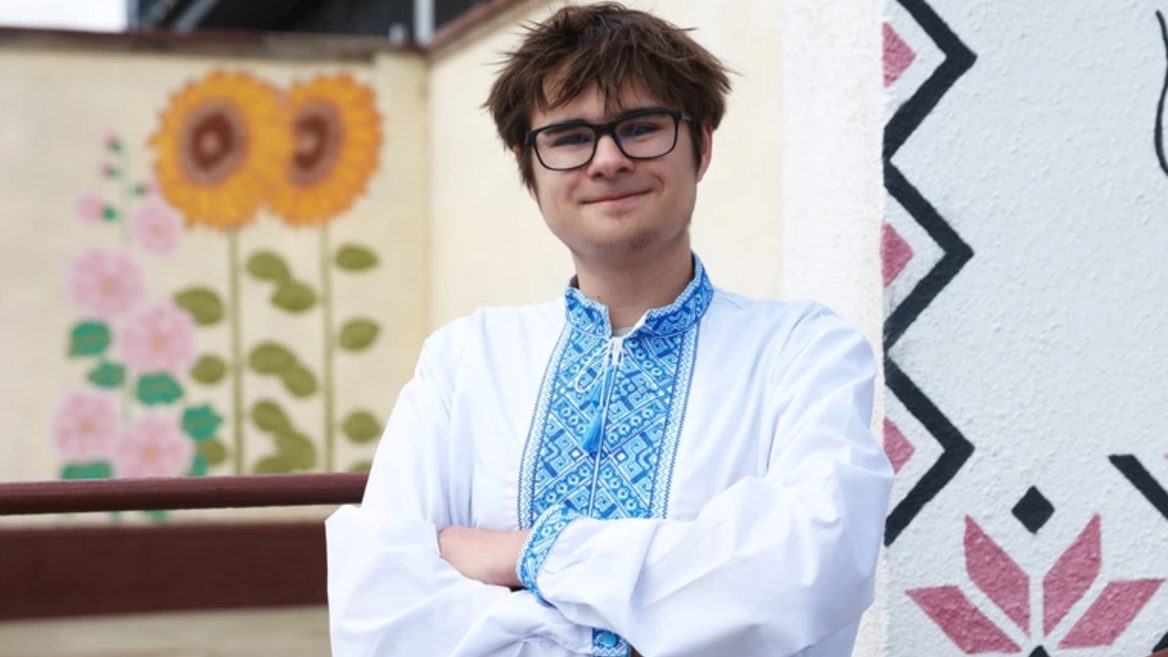
A schoolboy from Mykolaiv created an MVP of an application to combat social media addiction. The development of the full version is estimated at $280,000
«The idea of becoming an AI model seemed interesting — I’d seen celebrities doing it on social media.» A 23-year-old British woman sold her face to an AI startup, and now she’s worried about the consequences
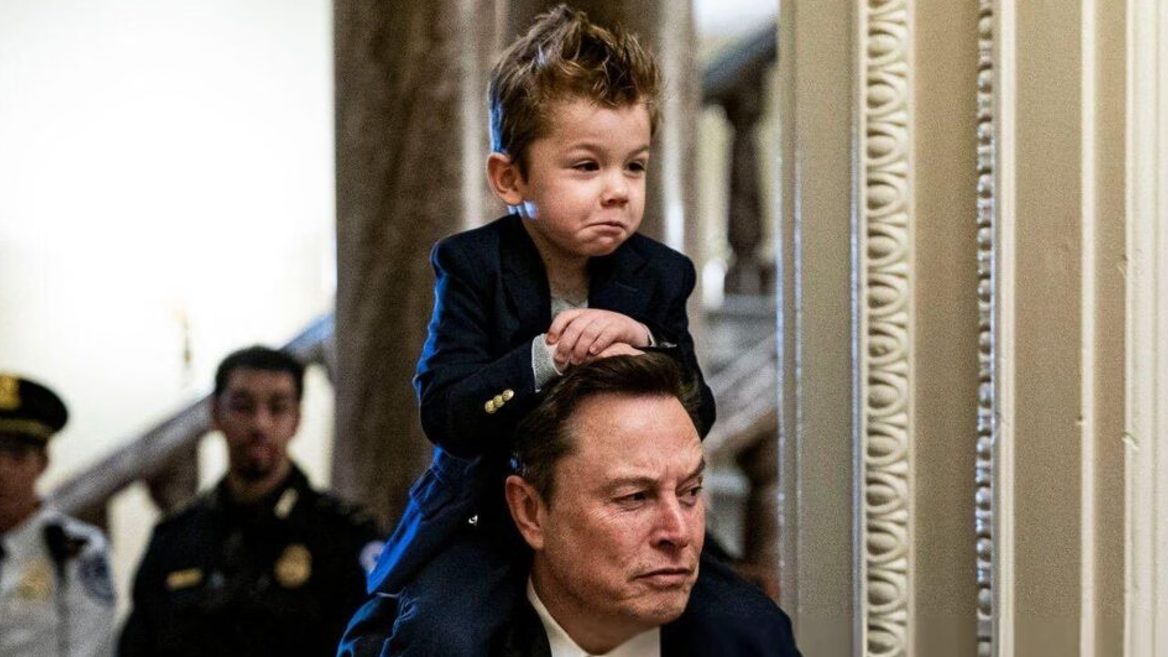
Musk uses social media to find women who would be willing to get pregnant by him, and wants to father a legion of children before the apocalypse hits Earth — WSJ
Як нейромережі бачать вільну та незалежну Україну? Тест dev.ua
Нейронні мережі для генерації зображень бачать світ по-своєму, їхню логіку зрозуміти часом зовсім неможливо. Але таки хочеться. На честь Дня Незалежності України редакція dev.ua вирішила провести невеликий експеримент.
Ми задали чотирьом різним нейронним мережам п’ять однакових запитів: «прапор України», «День Незалежності України», «український Крим», «перемога України» та «українці». Отриманими результатами ми ділимося з вами нижче.
У TikTok тепер можна генерувати фон за допомогою нейромережі. Ми протестували її та ділимося результатами
У TikTok з’явилася нова функція «Розумний фон». З її допомогою як фон для тіктоків можна підставляти згенеровані нейромережею зображення. Редакція dev.ua протестувала цю технологію і ділиться своїми враженнями.