Хочете будувати кар’єру в Data Science та AI? Vodafone Big Data Lab відкриває новий набір —>
Наталя ХандусенкоAI Eng
19 February 2025, 12:41
2025-02-19
Musk's employee created the AI assistant DOGE to make the government "less stupid." But the chatbot itself couldn't even name the employees of the newly created department
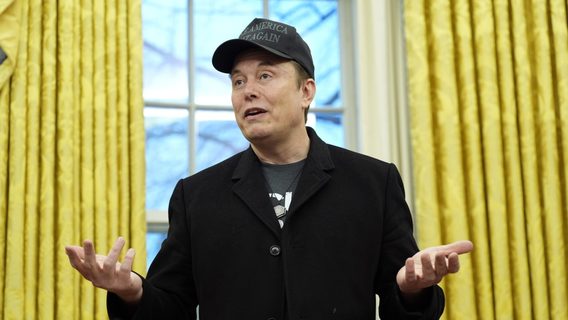
A senior employee of Elon Musk has created a special AI chatbot to help the Department of Government Efficiency (DOGE) reduce government waste. It is powered by AI from xAI.
A senior employee of Elon Musk has created a special AI chatbot to help the Department of Government Efficiency (DOGE) reduce government waste. It is powered by AI from xAI.
The publicly available chatbot is hosted on a subdomain called DOGE on the website of Christopher Stanley, who works as the head of security at SpaceX and also at the White House, TechCrunch reports.
It is unclear whether the chatbot is experimental or whether DOGE was used as part of its cost-cutting measures in the US government.
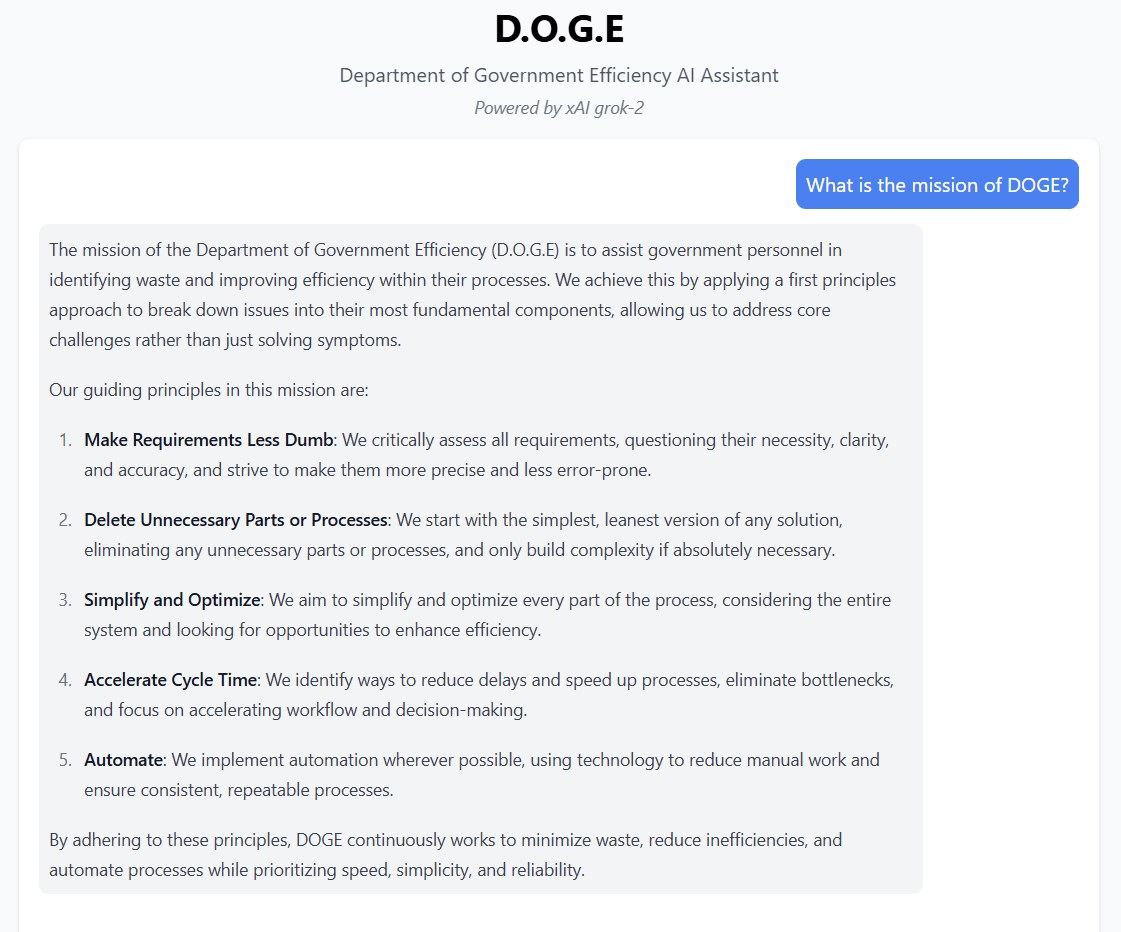
The chatbot calls itself the «Department of Government Efficiency AI Assistant» and says it’s powered by xAI’s Grok-2. The chatbot told TechCrunch that it’s here to «help government employees identify waste and improve efficiency.»
The chatbot is a large language model trained on certain key DOGE goals, including five «guiding principles» that include «less obtuse» government requirements and the removal of «unnecessary parts or processes.»
For example, when TechCrunch asked the chatbot what DOGE should do with USAID, a federal agency that has effectively ceased operations due to the department’s reforms, it applied five guiding principles and recommended eliminating any «bureaucratic layers» between decision-makers and recipients of USAID funds.
Source: TechCrunch
The chatbot returns to these five principles across a wide range of topics. When TechCrunch asked the chatbot which 20th-century political leaders DOGE should emulate, it applied the guiding principles and responded with two people: former British Prime Minister Margaret Thatcher and former Singaporean Prime Minister Lee Kuan Yew, saying they provide «great role models for DOGE,» focusing on «efficiency, simplicity, and the use of technology.»
The chatbot suffers from some problems, including one common to all major language models: hallucinations. When TechCrunch asked the chatbot to name the people who work at DOGE, it initially refused, but later gave generic names and fictitious job titles. The chatbot also occasionally gives out strange advice, such as recommending that USAID use drones, wearables, and other internet-connected devices to improve its efficiency.
It’s unclear whether using an xAI chatbot poses a conflict of interest for Musk. Since LLMs typically charge users for using the API, government employees using xAI-powered chatbots could directly increase the company’s revenue.
Як нейромережі бачать вільну та незалежну Україну? Тест dev.ua
Нейронні мережі для генерації зображень бачать світ по-своєму, їхню логіку зрозуміти часом зовсім неможливо. Але таки хочеться. На честь Дня Незалежності України редакція dev.ua вирішила провести невеликий експеримент.
Ми задали чотирьом різним нейронним мережам п’ять однакових запитів: «прапор України», «День Незалежності України», «український Крим», «перемога України» та «українці». Отриманими результатами ми ділимося з вами нижче.
У TikTok тепер можна генерувати фон за допомогою нейромережі. Ми протестували її та ділимося результатами
У TikTok з’явилася нова функція «Розумний фон». З її допомогою як фон для тіктоків можна підставляти згенеровані нейромережею зображення. Редакція dev.ua протестувала цю технологію і ділиться своїми враженнями.