Court orders Yandex to hide access to maps and photos of one of the largest refineries due to Ukrainian drone attacks
The court believes that open access to refinery maps online undermines the defense capability of the Russian Federation.


The court believes that open access to refinery maps online undermines the defense capability of the Russian Federation.
The court believes that open access to refinery maps online undermines the defense capability of the Russian Federation.
A court in Moscow has for the first time ordered Yandex to block access to maps and photos of the infrastructure of one of Russia's largest oil refineries due to the threat of attacks by Ukrainian drones, Reuters reports .
The company must “exclude information access” to the refinery infrastructure within one month “by removing and retouching graphic images of the enterprise’s components (workshops, compressor stations, tank sites, and other plant elements) from the Yandex Maps search and information mapping service.”
The lawsuit was filed by "one supervisory agency", which was conducting an audit of the implementation of legislation in the field of the defense-industrial complex and found publicly available information about all refinery facilities.
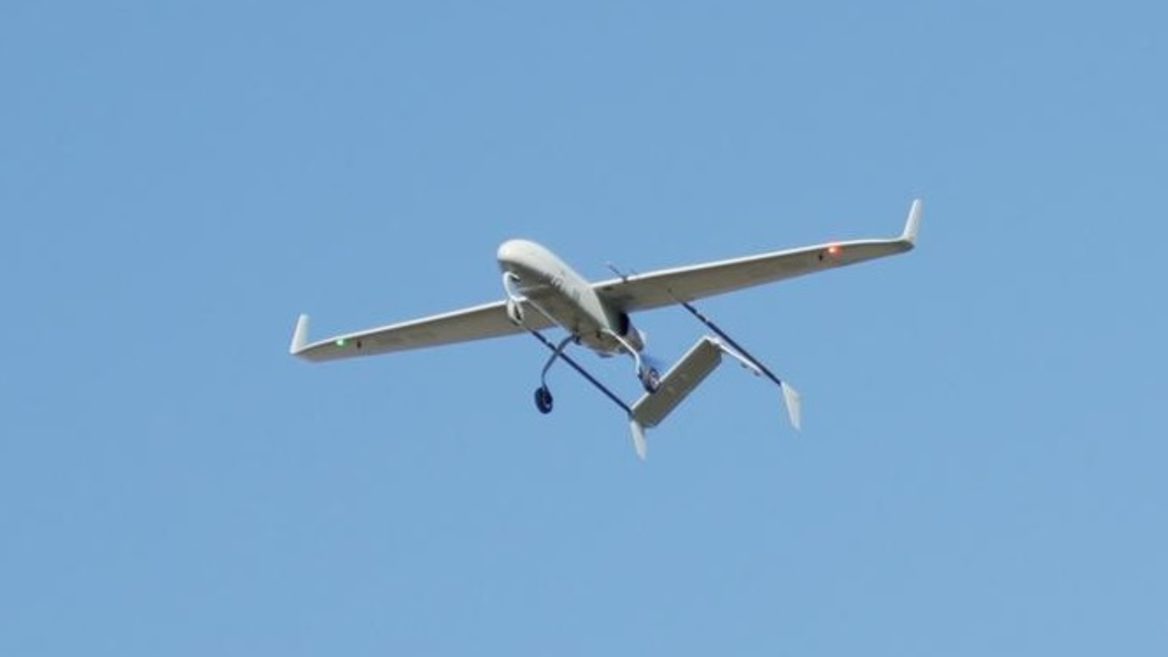
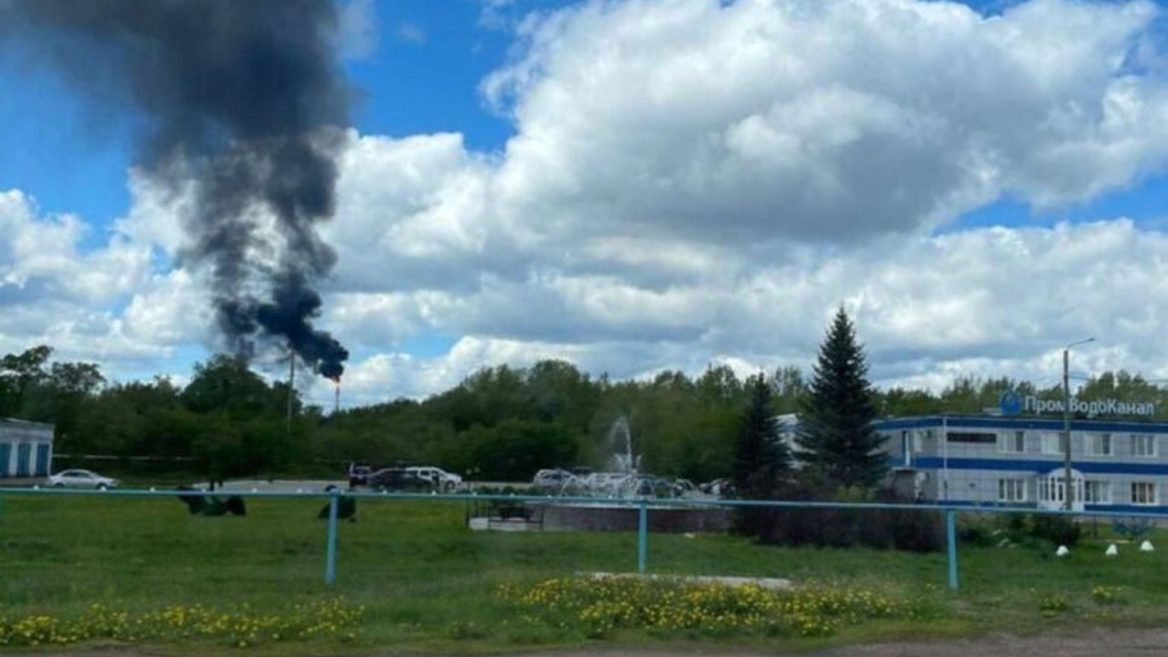
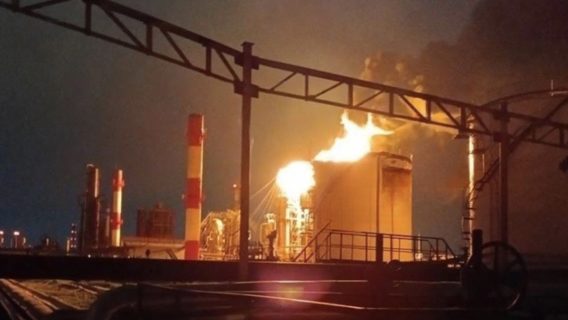
The lawsuit states that the plant in question “operates uninterruptedly, meeting the needs of the Russian army and navy during a special military operation,” and was attacked four times by Ukrainian drones in 2024 alone. The attacks damaged the company’s infrastructure and injured its employees.
Before going to court, the “supervisory authority” tried to resolve the issue directly with Yandex, but this did not lead to anything. The court decided that open access to maps and photos of the refinery “undermines the state’s defense capability” and also “has a negative impact on the timely supply of materials” to the Russian army. By court decision, Yandex was also charged a state duty.
Some Russian media outlets report that the court's decision concerns the Ryazan Oil Refining Company, a part of Rosneft. The refinery produces 17.1 million tons of oil per year and is one of the main suppliers of motor fuel for the Russian regions located near Moscow.
Recall that by October, in addition to oil depots, at least nine of the 32 largest refineries in Russia had been hit. The peak of the attacks fell in May. Then, according to experts, 17% of the Russian Federation's oil refining capacity was knocked out.
Overall, as a result of Ukrainian drone attacks, oil refining volumes in Russia fell to a 12-year low in 2024, to 266.9 million tons. This is 8.1 million tons less than a year earlier.