Хочете будувати кар’єру в Data Science та AI? Vodafone Big Data Lab відкриває новий набір —>
Валентин ШнайдерAround IT
24 April 2026, 09:00
2026-04-24
The world after the oil shock. Which transport is ready for the new reality and alternative fuels?
dev.ua investigated which types of electric transport and other transport without oil dependence are already actually working, which of these are being scaled up in the world, and which solutions have the greatest chances of taking root in Ukraine.
dev.ua investigated which types of electric transport and other transport without oil dependence are already actually working, which of these are being scaled up in the world, and which solutions have the greatest chances of taking root in Ukraine.
Whenever oil prices rise sharply, the conversation about transport without it ceases to be abstract. At such moments, the question is no longer what futuristic concepts are shown at presentations, but what transport technologies can actually reduce the economy’s dependence on oil shocks. This is especially important now, when the world has once again seen how sensitive the market is to risks to key oil supply routes.
This article is not about fuel per se, but about transport: what already works, what is only being scaled up, and what is still a distant future. And separately, which of all this has a real chance of taking root in Ukraine, and which for us is still too expensive, complicated, or simply not the right time.
Why the topic has become relevant again
Let’s start with a simple fact: modern transportation is still heavily dependent on oil. According to the International Energy Agency (IEA), one of the key international bodies that monitors global energy markets, transportation was the largest end-use sector of petroleum products in the world in 2023, accounting for 64% of that consumption.
This is even more evident on the roads. According to the IEA, road transport provides about 45% of global oil demand. So whenever the oil market fluctuates, it very quickly becomes not just an energy or geopolitical problem, but also a problem of transport, logistics, urban transport and the cost of travel itself.
That is why the topic of alternative transport sounds different today than it did a few years ago. It is no longer just a story about ecology, technological fashion or the distant future. It is a story about sustainability: which types of transport can already operate according to a less oil-intensive logic, and which ones are still almost completely dependent on fossil fuels. And it is from this question that it is logical to move on to the main framework of the material: transport after oil is not one technology, but several different scenarios for different types of transportation.
There will be a different scenario for each mode of transport.
Looking for a single universal oil replacement for all transport is flawed logic from the start. According to the European Environment Agency, road transport still dominates transport and remains the main problem, while rail has a much stronger position where less dependence on fossil fuels is concerned. This alone shows a simple thing: what works for a city will not necessarily work for planes, ships or long-haul trucks.
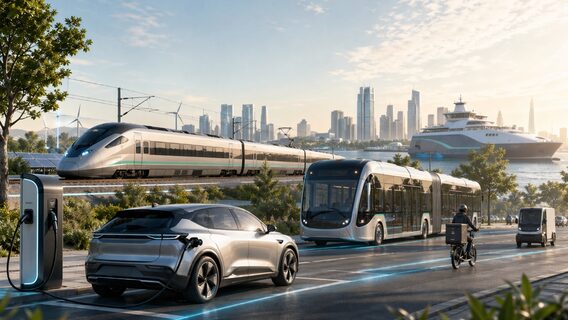
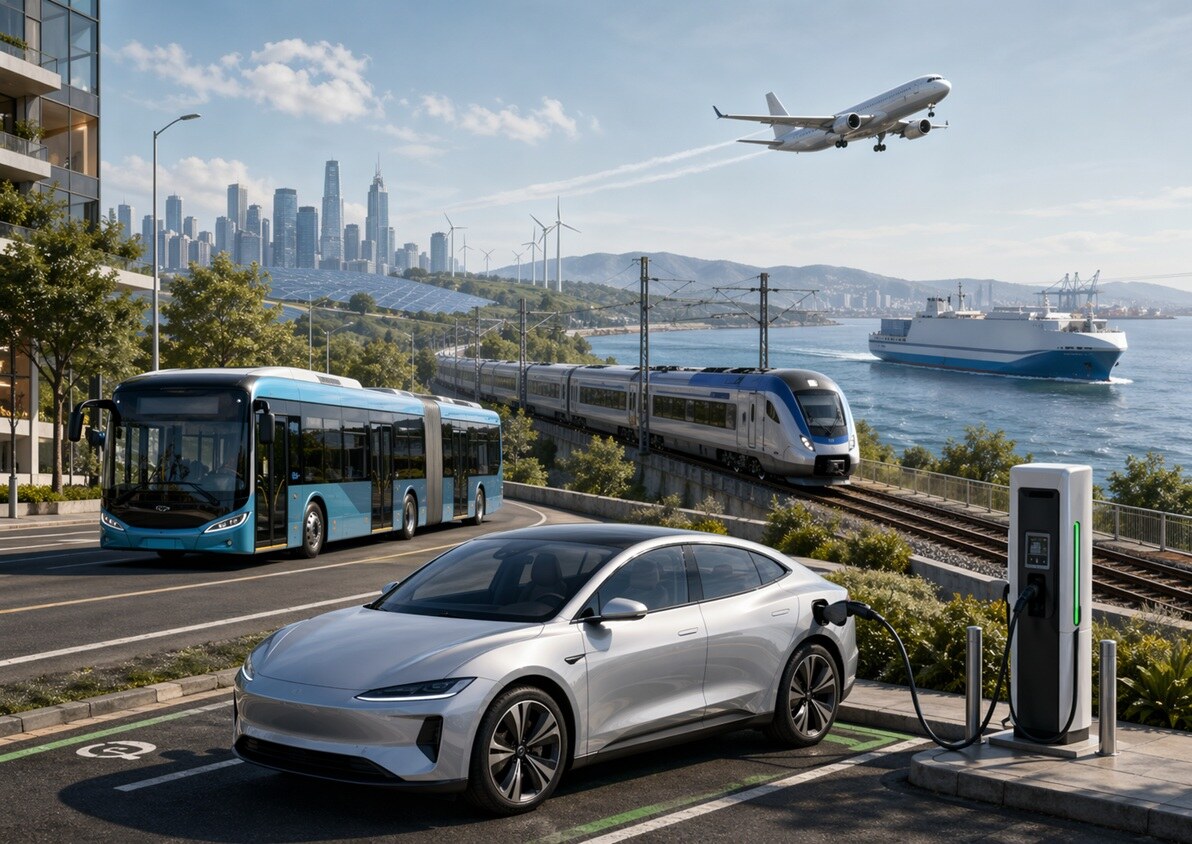
Therefore, transport after oil is developing not as one big revolution, but as several different transitions at the same time. For cars, city buses and some commercial transport, electrification has become the most realistic path. For railways, the key remains the development of the rail system itself: electrification of lines, new electric locomotives, modernization of infrastructure, and in some areas even battery or hydrogen locomotives. In maritime transport and aviation, everything is more difficult, because there they are already resting not only on technology, but also on weight, range, safety and operating economy.
That is why, in this vein, it is more logical to look not at the «transport of the future» in the singular, but at several different models. One group of technologies is already working in the real world. The second is only entering the scaling phase. The third is still more of a promise than a full-fledged market. And the main question here is not which technology is the most effective, but which of them is truly suitable for a particular type of transport.
Where new transport is already operating
New transport technologies are most likely to enter areas where everything can be well calculated: the route is short or stable, the equipment regularly returns to one point, and the infrastructure can be adjusted to a specific type of transportation. That is why the first to really change were not airplanes or large ocean-going ships, but ordinary cars, city buses, and short ferry routes.
Passenger cars have become a mass segment
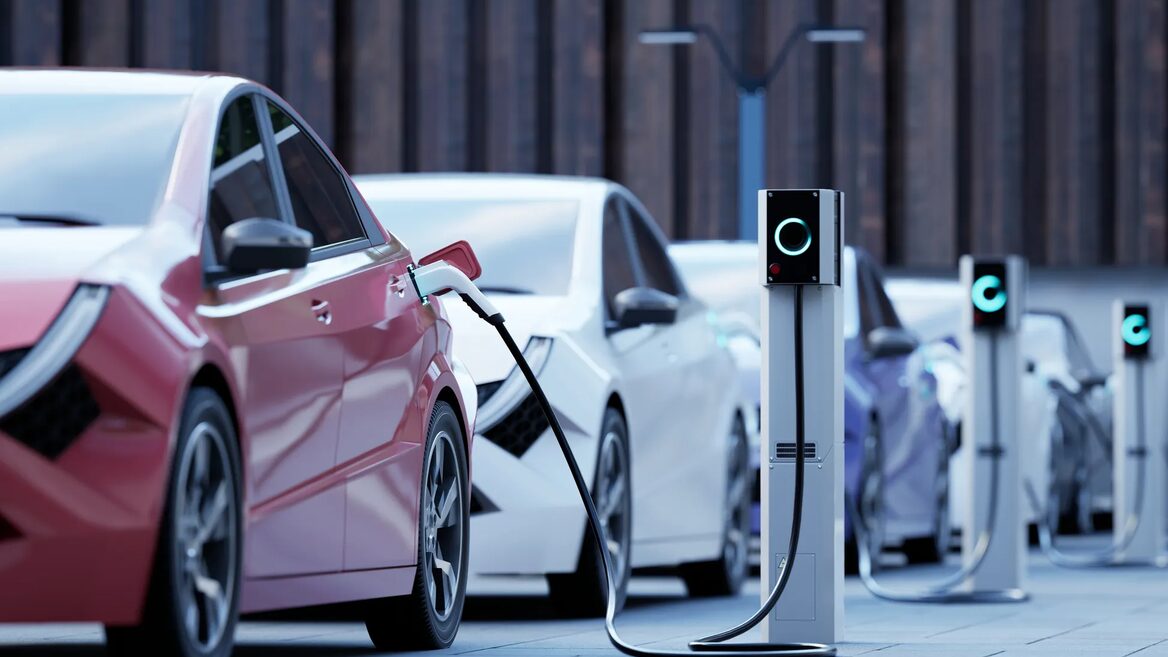
For passenger cars, the transition has long since moved beyond the realm of experimentation. The Global EV Outlook 2025 reports that in 2024, more than 17 million electric cars were sold worldwide, and their share exceeded 20% of all new cars. This means that an electric car no longer looks like a rare vehicle for a narrow circle of people. In many countries, it is already a common choice for daily movement in the city or suburbs.
City buses turned out to be an even more convenient format
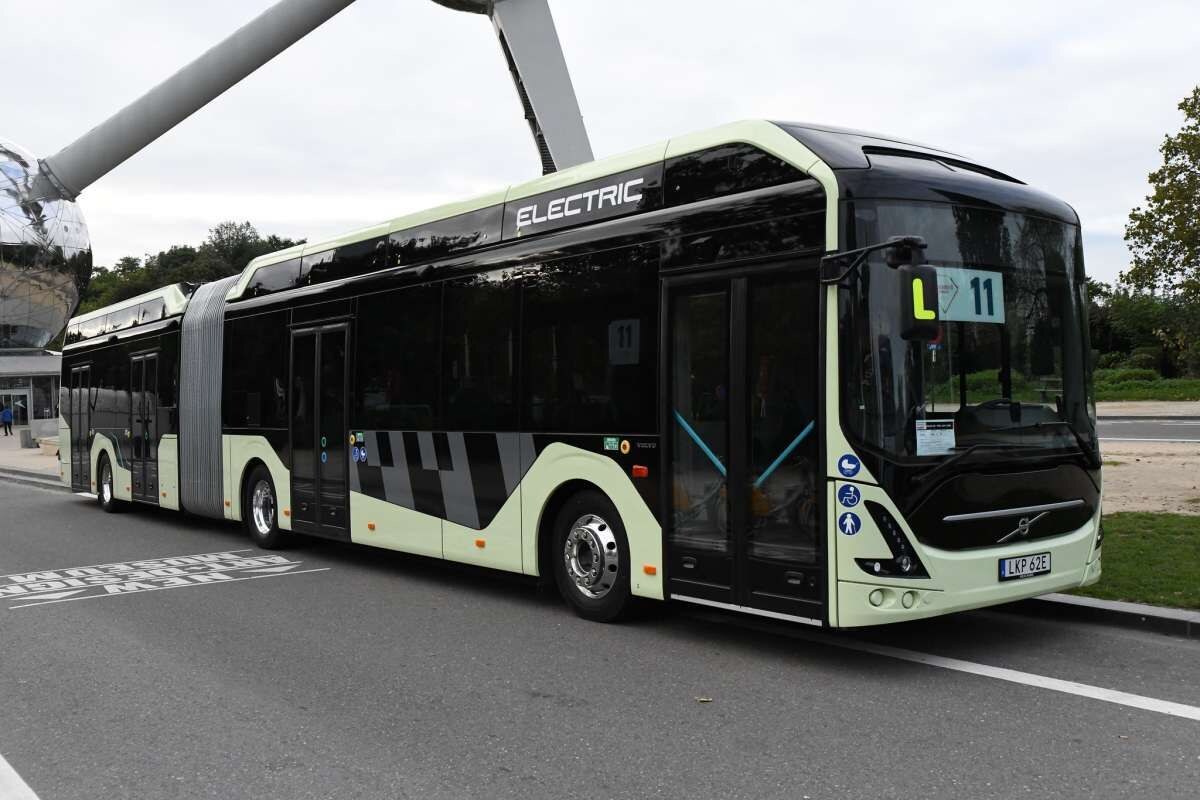
For urban transport, the transition is often even easier than for private cars. Buses travel on clear routes, return to the depot, and charging can be built not randomly throughout the city, but at specific points. In 2024, more than 70,000 electric buses were sold worldwide. What is important is that urban transport has already become one of the first major sectors where the new transportation model actually works every day, and does not exist in the form of a beautiful presentation.
Changes have also begun on the water, but so far on short routes.
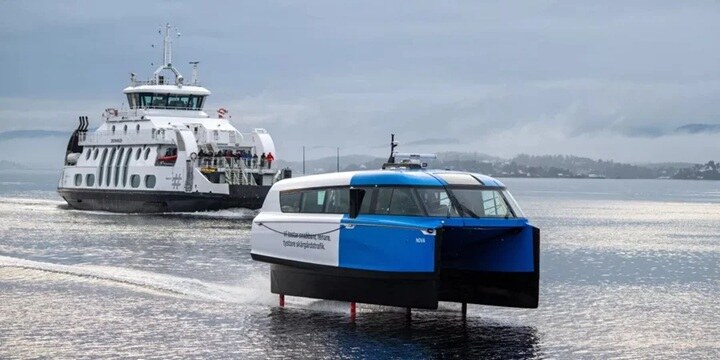
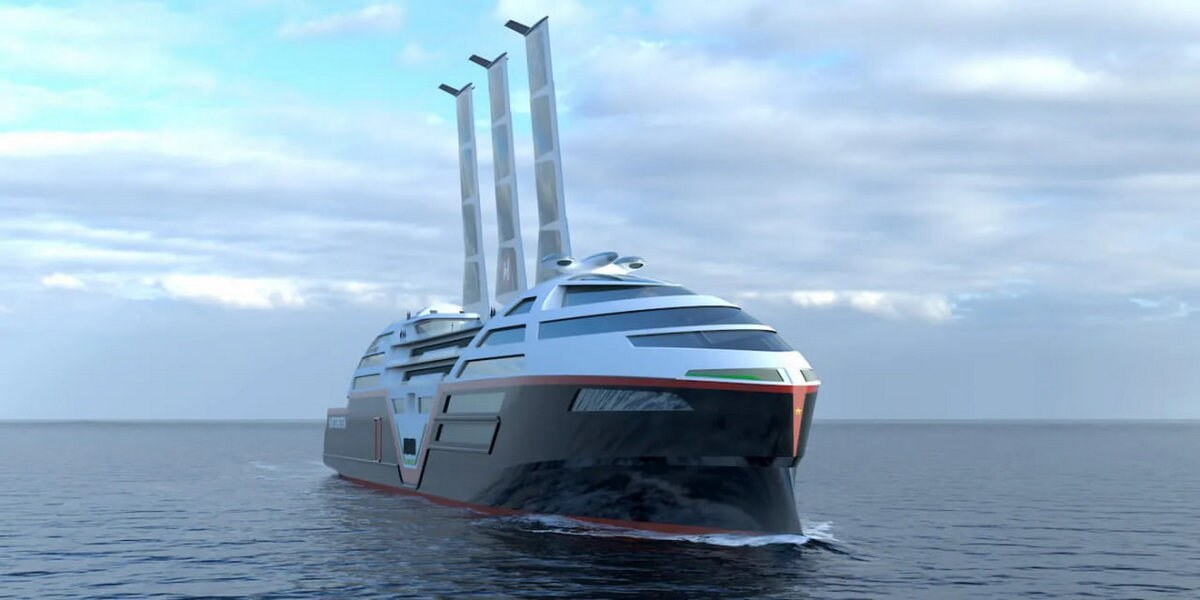
In maritime transport, the transition is slower, but on short routes it has already become a reality. The best example here is Norway. According to REN21, the country already has more than 70 electric ferries in operation. This is an important case because it clearly shows the limits of current technology: where the route is short and stable, electrification is already working; where we are talking about long voyages and large volumes of transport, everything is much more complicated.
What do these examples have in common?
In all these cases, the same pattern is visible. New transport takes root best where the system can be kept under control: a clear route, predictable load, available space for charging or maintenance. That is why today, passenger cars, city buses and short water routes are the fastest changing modes.
Where the market is already moving, but there is no turning point yet
There is transport that has already become a familiar part of the market. And there are segments where the technology has already left the test mode, but has not yet become the new norm. This is where the most interesting thing is happening now: manufacturers are already investing money, customers are already seeing the point, but there is no mass breakthrough yet.
Trucks
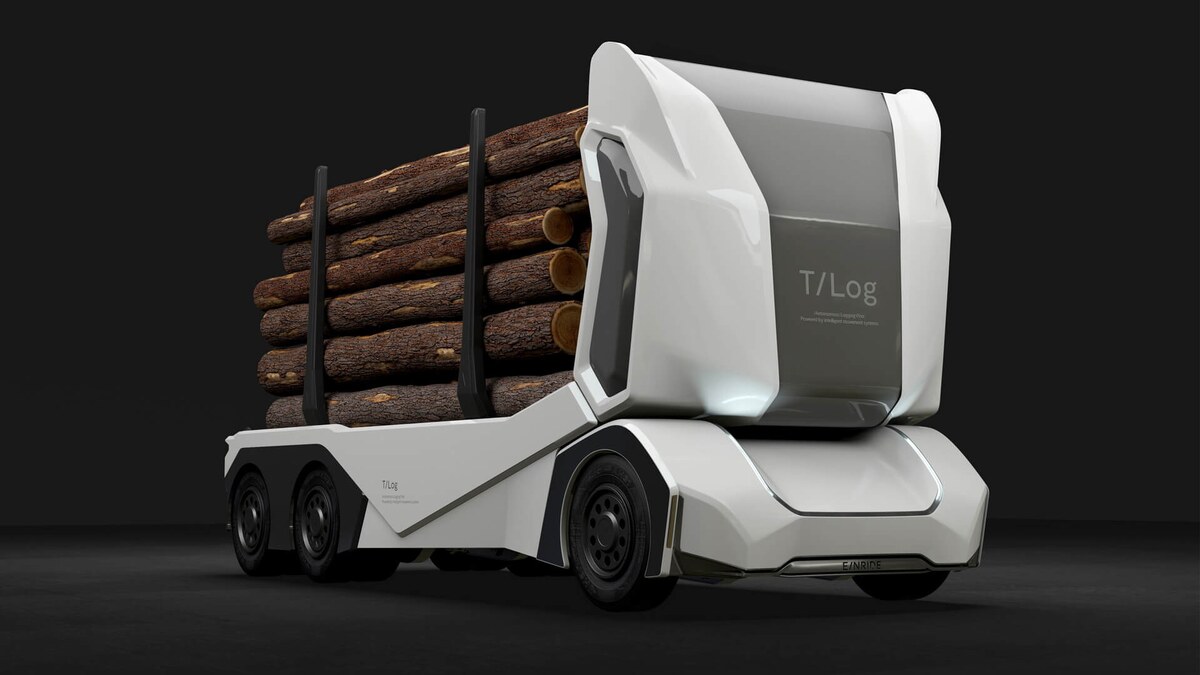
Changes are already visible in freight transport, but they have not yet become an everyday picture. According to the aforementioned IEA, in 2024, global sales of electric trucks increased by almost 80% and reached approximately 2% of all truck sales. This is not the scale to speak of the victory of a new model, but it is not a rare experiment. Such technology works best where routes are repeated, and logistics can be accurately calculated: between a warehouse and a hub, in ports, in regional transportation.
Rails
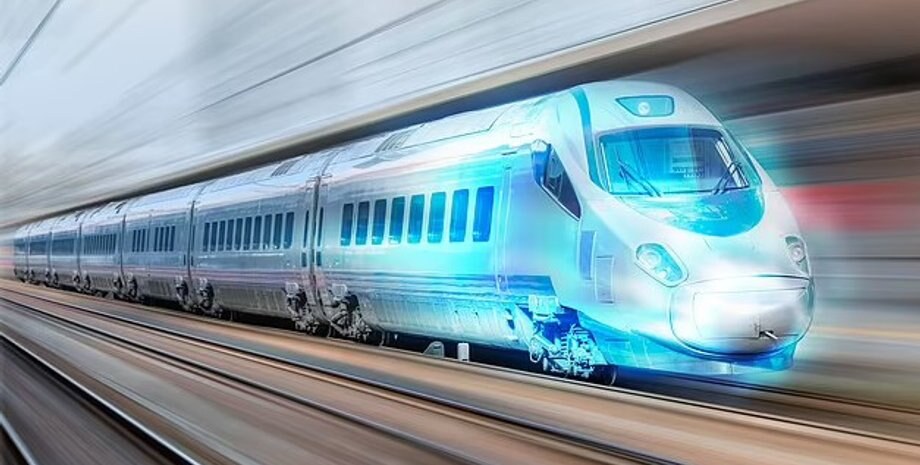
On the railway, the transition has a calmer but more practical look. Here, no one is waiting for one «magic technology». The market is moving through the gradual expansion of electrification, the modernization of locomotives and the search for solutions for those sections where it is expensive or long to pull wires. In 2022, 56,9% of railway lines in the EU were electrified, and in Germany in April 2024, battery trains already entered regular passenger routes. This is an important signal: for some rail transport, new technology is no longer a theory, but a working tool.
The Great Sea
In maritime transport, things are even more complicated. Large ships cannot simply be taken and converted to batteries like a city bus. Therefore, the market is not looking for a perfect solution here, but a working compromise. One of the most notable examples is provided by Maersk: the company is already introducing large ships with dual-fuel methanol engines into its fleet and is directly saying that it wants to make such engines the standard for all new ships.
In all three cases, the logic is the same. The technology has already proven that it works. But it still takes time, infrastructure, cheaper production, and clear economics to become the standard for the entire market.
What is not yet ready for the mass market
This block has a simple role: to separate the things that are already really entering everyday transportation from the things that are still more talked about at presentations than seen on the streets, in ports or airports. This does not mean that such technologies are fake or unpromising. It means that between a working prototype and the mass market there are almost always years of refinement, certification, infrastructure and very high costs.
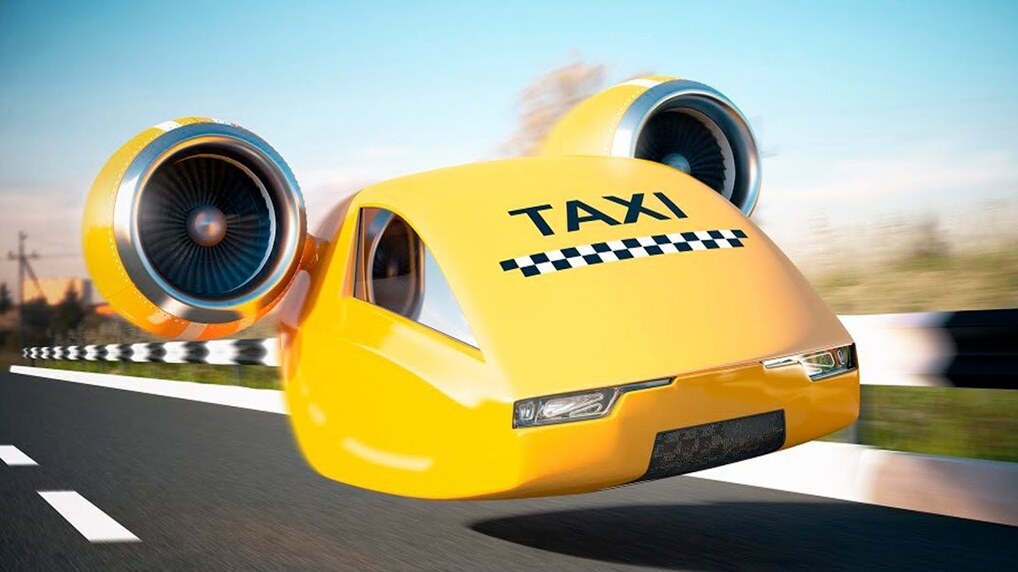
Air taxis. They can no longer be considered pure fantasy, because the American aviation regulator FAA has already updated the rules for powered-lift aircraft, that is, for a new class of equipment, which includes future air taxis. But the fact that rules have been written for them does not mean a quick mass launch. The market still needs to prove that such technology can be not only safe, but also economically understandable for cities, operators and passengers.
Hydrogen. It sounds very loud in conversations about the transport of the future, but in practice everything rests on the infrastructure. In the H2USA program, which works with the participation of the US Department of Energy, this is formulated directly: the biggest barrier to the commercialization of hydrogen cars is precisely the network of filling stations. That is, cars may appear before a convenient system appears in which they can really be used without unnecessary hassle. This is precisely why hydrogen does not yet seem like a universal answer for all transport, but rather a bet on individual niches.
Large aviation. Here, changes will take the longest. Even Airbus, which shows a vision of the next generation of passenger aircraft, speaks of the possible release of a new single-aisle aircraft only in the second half of the 2030s. And the European aviation regulator EASA separately indicates that the energy capacity of batteries remains a big problem for electric aircraft: it is still not enough to simultaneously reduce weight and provide the necessary flight range. Therefore, the future in aviation is already visible, but the mass market is still very far away.
What of this will actually take root in Ukraine?
If we look at the Ukrainian situation without futuristic illusions, then oil-free transport in our country does not begin with air taxis or hydrogen experiments. The closest and most realistic level is electric cars and charging infrastructure. The market has already gone beyond single purchases: by the end of 2025, the Ukrainian BEV fleet was replenished with more than 110,200 cars, and in the fall the state launched an interactive map of favorable locations for new charging stations. Consumer demand is also clearly visible: in the first half of last year, Ukrainians purchased 31,753 electric cars.
But Ukrainian history is not limited to private cars. Much more important is that we already have a movement towards urban transport, metro and railways. It is here that the changes that can have the greatest effect in real life are concentrated: the modernization of buses, trolleybuses, trams, metro cars and traction on rails. In 2025, the European Investment Bank announced financing for the modernization of urban transport in Ukrainian cities, and even earlier it approved funds for new cars for the Kyiv metro.
At the same time, Ukraine not only consumes ready-made solutions in this area, but also has its own developments of electric transport. One of the most illustrative examples is the Brovary Polytechnoservice, which creates trolleybuses with autonomous movement without a contact network and showed a car with the possibility of installing a hydrogen system. This is not a futuristic concept for the sake of the exhibition, but an attempt to make urban transport more flexible in real Ukrainian conditions.
There are other local examples. The Ukrainian brand Delfast developed electric bikes that were used, in particular, on the front, and the Ternopil startup ELEEK created electric bikes for the military after field tests. Separately, we can mention the Dnipro Kozak EV project, where engineers made electric versions of the Tavria and Slavuta, and the BoxTruck cargo electric bike. All this is not yet a mass market, but it already shows that Ukraine can be not only an importer of electric vehicles, but also a platform for its own engineering solutions.
It is worth mentioning separately the agreement between Alstom and Ukrzaliznytsia for the supply of 55 electric locomotives. This is important not only as news about the equipment. This is one of the most tangible signals that the Ukrainian transport transition in the coming years will take place primarily through rails, electric traction and modernization of the existing system, and not through expensive and spectacular concepts for which the country does not yet have either extra money or a separate infrastructure.
Therefore, if we were to answer directly what alternative transport will really take root in Ukraine in the near future, the answer would be quite mundane: electric cars, charging hubs, urban electric transport, the metro and new railway traction. That is where there is already a market, demand, a route, institutional interest and at least some understandable economics. Everything else is still too far away or too expensive for us.
What prevents transport from moving away from oil?
Even where new transport technologies already exist and are working, the transition does not happen automatically. The problem is not that there are no alternatives. The problem is that almost every one of them runs into its own limitations — economic, infrastructural, or technical. This is especially clear if you look not at the presentations, but at what exactly is slowing down scaling.
High starting price of the equipment . Even when new transport is cheaper to run, entry into it is often expensive. This applies to electric cars, electric trucks, and new rolling stock for public transport. As a result, the market grows faster where there are government incentives, large corporate fleets, or external financing.
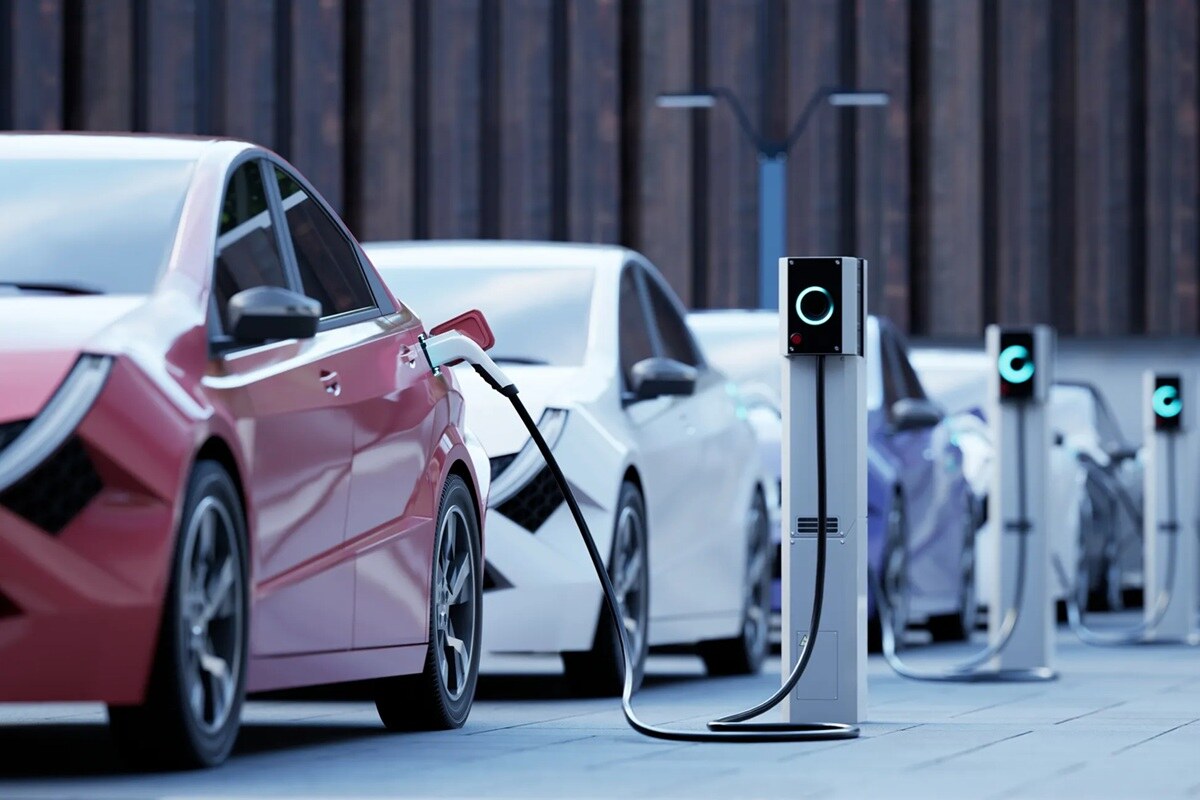
Infrastructure almost always lags behind the technology itself . It is easier to buy a new car or bus than to build a full-fledged environment around them. Electric transport requires charging stations, connections, network capacity, service and normal maintenance logistics. The Ukrainian example shows this well: the very appearance of an interactive map of favorable places for charging stations means that the market has already come to grips not only with the demand for cars, but also with the question of where exactly to deploy the infrastructure.
Not all transport is equally easy to re-engineer . Cars, city buses or short ferry routes change more quickly because they are easier to calculate. On the other hand, long-distance trucks, large ships and especially aviation have a completely different level of energy consumption, range and load requirements. That is why the transition is uneven: what works in the city does not transfer one by one to the sea or the sky.
There is a strong dependence on batteries, components, and global supply chains. Oil-free transport does not mean dependency-free transport. It’s just that the dependency shifts in the other direction — to batteries, raw materials, electronics, charging equipment, and production chains. This makes the market vulnerable to price fluctuations, imports, and concentration of production in individual countries. There is no magical autonomy here either.
Regulation, standards, and safety move slower than marketing . This is especially evident in aviation, hydrogen transport and new types of ships. There it is not enough to simply show a working prototype. It is necessary to prove that the technology is safe, economically justified and can operate within a real system of rules. Because of this, futuristic transport ideas often sound closer than they actually are.
In the Ukrainian context, there are additional obstacles. For us, it is not only money, but also war, risks to the energy system, vulnerability of infrastructure, dependence on international loans, and the fact that the country is often forced to invest primarily in the basic stability of the system. Therefore, in Ukraine, the most realistic way to scale is not the most efficient transport of the future, but the one that already has at least some market, support, or practical sense here and now.
Electric cars in winter — a problem or a solution during blackouts? Real experiences of owners and expert advice on frost, charging and survival without electricity