The Defense Forces completed over 9,000 missions using NRC in March: which units made it to the top 5
In March 2026, ground robotic complexes completed over 9,000 combat and logistical missions on the front line.


In March 2026, ground robotic complexes completed over 9,000 combat and logistical missions on the front line.
In March 2026, ground robotic complexes completed over 9,000 combat and logistical missions on the front line.
According to the Ministry of Defense, in November 2025 there were over 2,900 such missions, and in January 2026 there were over 7,500. In the first three months of this year, the robots completed approximately 24,500 tasks. Such dynamics indicate a rapid scaling of the use of NRCs at the front.
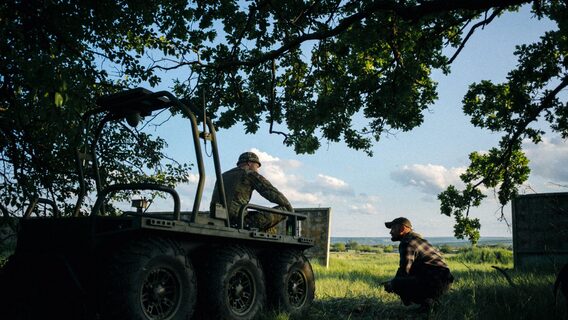
Most often, the complexes are used for tasks where the risk to people is maximum. This includes transporting ammunition, delivering equipment, working in difficult areas under fire, and evacuating the wounded. Some units are already systematically transferring logistics to robotic platforms.
The number of those working with such solutions is also growing. If at the end of 2025, 67 units used NRC, then in March this year there were already 167 of them. This means that the use of ground robots is no longer a point practice and is becoming part of standard processes at the unit level.
The top five units with the highest results in the use of NRC in March included the 3rd Separate Assault Brigade, the 1st Separate Medical Battalion, the Unmanned Systems Company of the 92nd Separate Assault Brigade, the 95th Separate Airborne Assault Polissya Brigade, and the 3rd Operational Brigade named after Colonel Petro Bolbochan «Spartan».
All missions are recorded in the DELTA system. Units plan tasks there, after completion they are checked, and the system generates reports and evaluates effectiveness. This allows you to see the real use of NRC, not declarative indicators.
The important point is that NRCs have begun to directly affect the survival of units in the combat zone. The transfer of logistics and evacuation to robotic platforms reduces the number of personnel exits under fire. In parallel, through the Brave1 Market, units gain access to different types of NRCs for specific tasks, which accelerates their implementation and allows them to quickly scale the most effective solutions.
Previously, dev.ua wrote about how the Ministry of Defense is launching a basic minimum provision of drones to brigades and moving from manual collection of applications to automatic calculation of needs based on data from units. The department also reported on the scaling of the NRC and testing of AI drones, which could become an alternative to Mavics.