Марія БровінськаThat's Life
6 May 2026, 08:39
2026-05-06
Student hacks Taiwan railway radio network and stops four trains - system may have been unencrypted
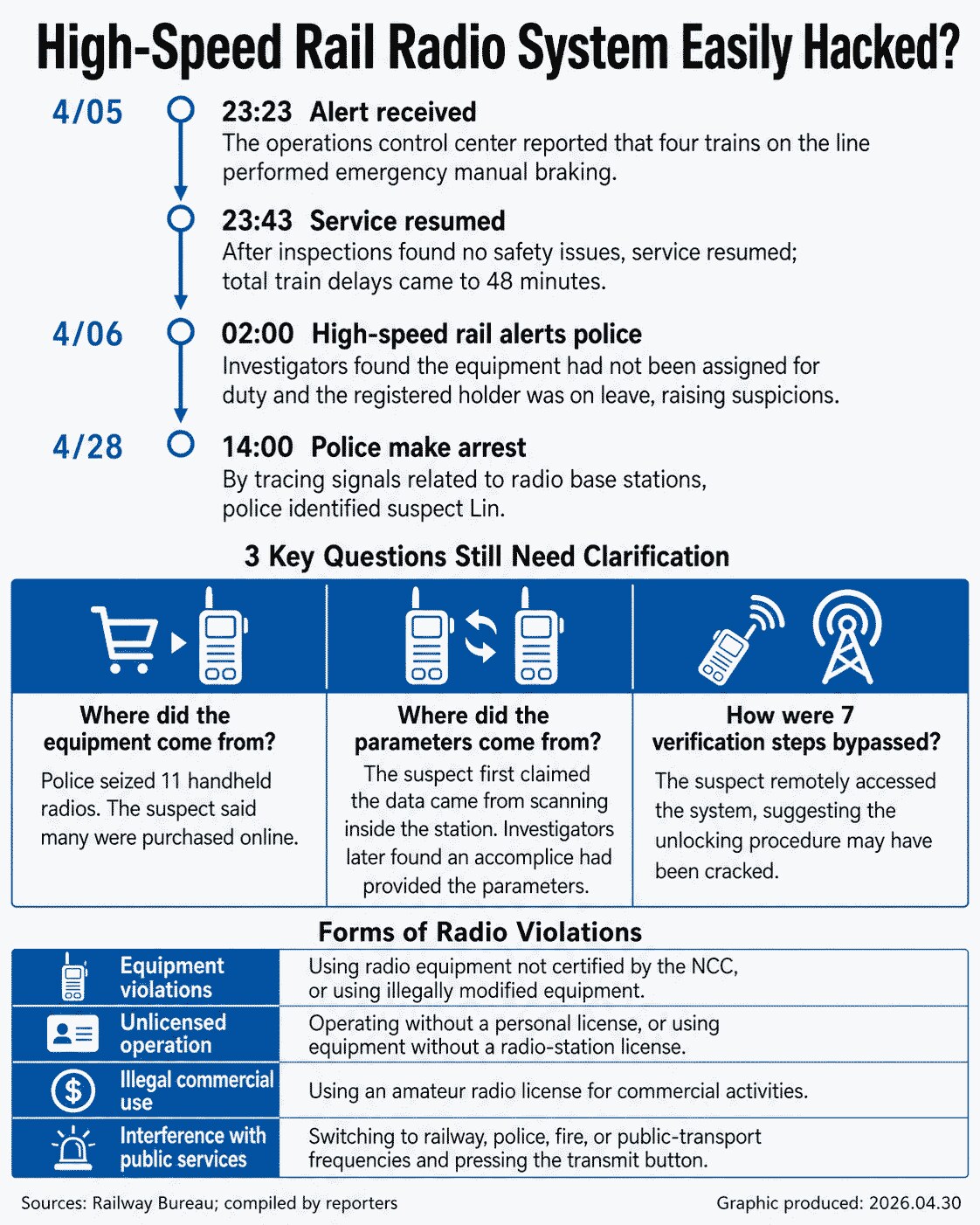
In Taiwan, a 23-year-old student hacked into the internal radio network of a high-speed railway and effectively paralyzed the movement of four trains for 20 minutes. The incident occurred on April 5, 2026 at around 11:23 p.m.: a «General Alarm» signal was transmitted to the system — the highest level of alarm in the TETRA standard, which automatically forces trains to enter emergency braking mode.
In Taiwan, a 23-year-old student hacked into the internal radio network of a high-speed railway and effectively paralyzed the movement of four trains for 20 minutes. The incident occurred on April 5, 2026 at around 11:23 p.m.: a «General Alarm» signal was transmitted to the system — the highest level of alarm in the TETRA standard, which automatically forces trains to enter emergency braking mode.
According to police and local media, the student used a software-defined radio (SDR), a laptop and a walkie-talkie to carry out the attack. He first intercepted radio network traffic, decoded the signal parameters, and then played them back through his own device. Another 21-year-old is also listed in the case file, who may have helped with some of the technical data.
Although the exact scheme of the hack has not been officially disclosed, experts suggest that the system could have operated without proper encryption or used the TEA1 algorithm, which has long been considered compromised. It is known that this radio network has been in operation for almost two decades, and its key parameters have not been updated.
The suspect was identified thanks to the logs of the TETRA network itself and video surveillance cameras. The system records which base stations received the signal and with what strength, which allowed the source of the transmission to be localized. Additional suspicion was aroused by the student’s behavior during a phone call from the dispatch center: he was confused in his answers, and later turned off the device. After that, law enforcement officers identified him and conducted a search.
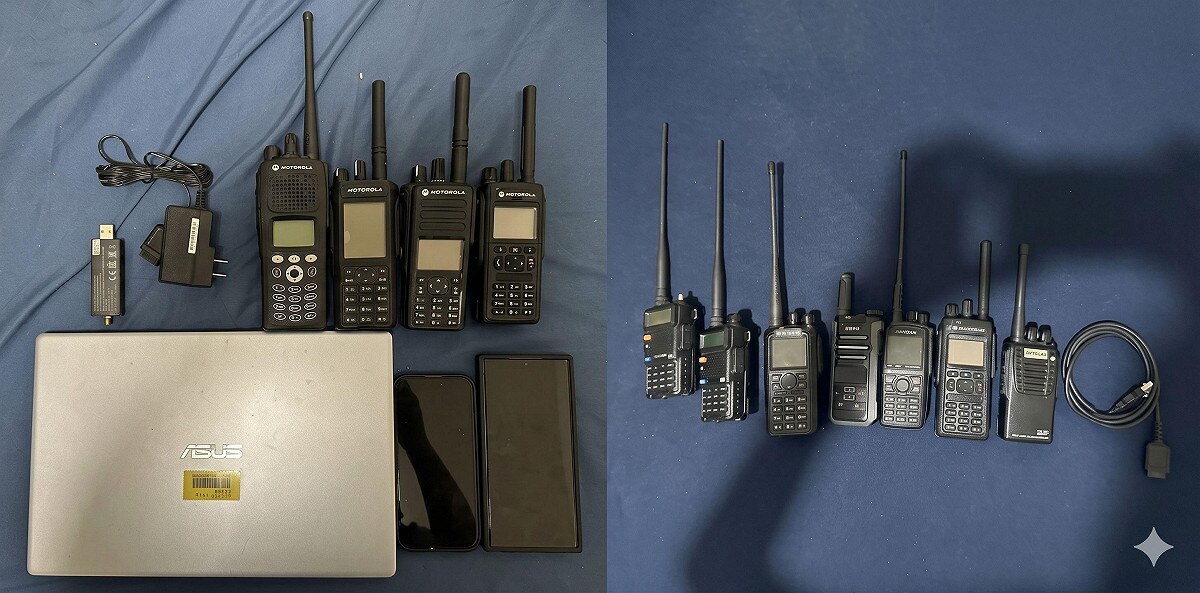
The suspect was found to have 11 walkie-talkies, an SDR, and a laptop. It was also discovered that he had access to the radio frequencies of the New Taipei City Fire Department and the subway line to Taoyuan International Airport.
The student is currently out on bail of about $3,200. If convicted, he faces up to 10 years in prison. His version of events — that the alarm was sent accidentally by pressing a button in his pocket — seems unlikely given the evidence.
The incident has prompted Taiwan’s high-speed rail operator and other transportation services to review the security of their radio systems, further demonstrating that even critical infrastructure can remain vulnerable if it relies on outdated or poorly secured technology.
«Росіяни завжди хочуть когось трахнути». Микита Книш розповів FT, як українські хакери видавали себе за дівчат, зламували камери відеоспостереження та россайти заради перемоги
Видання Financial Times опублікувало статтю про роботу українських хакерів у війні проти рф, засновану на розмові з українським білим хакером Микитою Книшем. Він, як і сотні інших хакерів, допомагає боротися із російськими загарбниками в кіберпросторі. Наводимо адаптований переклад матеріалу.