Tesla will resume development of Dojo supercomputer, Musk said
Tesla is resuming work on Dojo 3, the third generation of its own supercomputer project. The Dojo team was disbanded last year as the company focused resources on AI chips for cars.


Tesla is resuming work on Dojo 3, the third generation of its own supercomputer project. The Dojo team was disbanded last year as the company focused resources on AI chips for cars.

Tesla is resuming work on Dojo 3, the third generation of its own supercomputer project. The Dojo team was disbanded last year as the company focused resources on AI chips for cars.
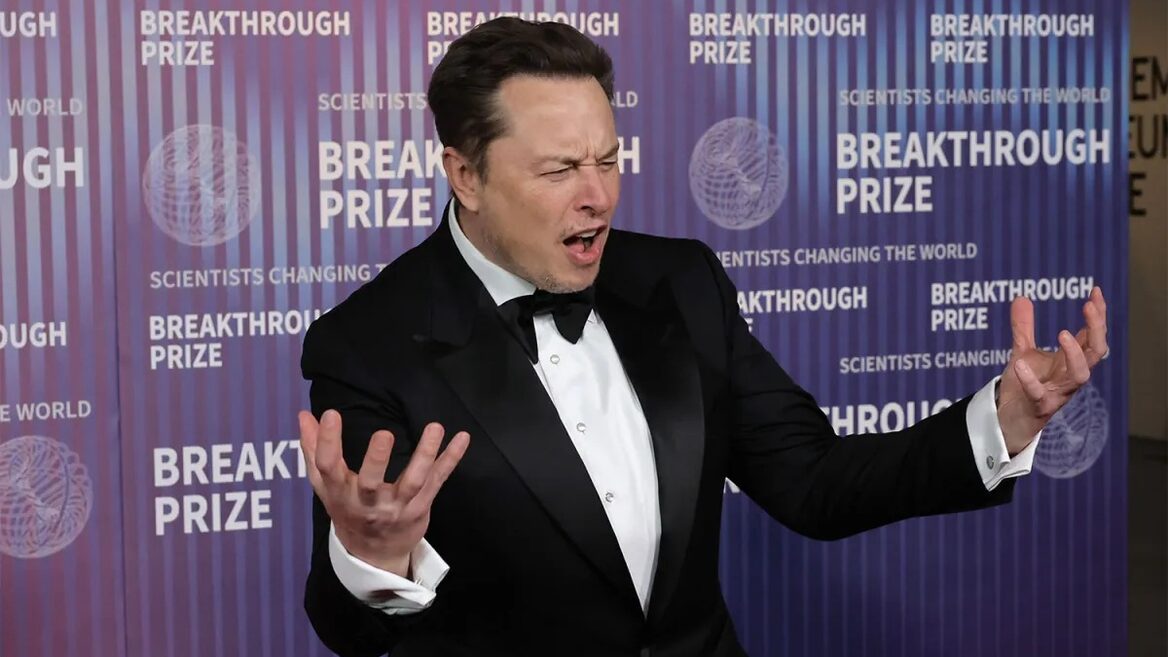
Elon Musk announced this at X, noting that the company is returning to the project now that "the development of the AI5 chip is in good shape."
The goal of the Dojo project is to process video recordings and other data from Tesla cars to train a "neural network" on which the software for full self-driving is based, writes Engadget.
However, Musk wrote in X last year: “It doesn’t make sense for Tesla to waste resources and scale two very different AI chip designs. Tesla AI5, AI6, and subsequent chips will be great for inference and at least pretty good for training. All efforts are focused on that.”
The AI chips Musk is referring to are designed specifically for Tesla's Full Self-Driving (FSD) system and are not optimized for learning tasks. The AI6 chips will be manufactured by Samsung at its Texas plant in a $16.5 billion deal.
Musk has made a lot of promises over the years, many of which have turned out to be either exaggerated or simply not true. Another idea that could hinder the implementation of this project is another idea of Musk: he said that Dojo 3 will be a “space-based AI computing system,” as he and some other experts consider orbital data centers a better alternative to the ground-based giants currently being built.
The concept is that space provides easier access to solar energy, and the low temperatures could significantly reduce energy consumption, among other benefits. While the idea is gaining popularity, it remains purely speculative, and experts are skeptical.