Japan this week executed the «Twitter Killer» who killed nine people in 2017. It is the first use of the death penalty in the country since 2022.
The series of murders committed by Japanese man Takahiro Shiraishi, nicknamed the «Twitter Killer,» shocked the country and sparked a massive debate about how suicide is discussed online. In 2017, Shiraishi, then 30, lured his victims—mostly young women aged 15 to 26—to his apartment, where he strangled and dismembered them. The killings came to light in October 2017, when police investigating the disappearance of one of the girls discovered body parts in the city of Zama, near Tokyo.
«I want to help people who are really hurting»
Shiraishi later confessed to killing nine people who had expressed suicidal intentions, and said he had met them through Twitter, a social media platform now called X. He would convince his victims that he would help them die, and in some cases, that he would commit suicide with them. His profile read: «I want to help people who are really hurting. DM me anytime.»
When police arrived at his apartment, they found nine dismembered bodies hidden in refrigerators and toolboxes. The media dubbed the apartment a «house of horrors.»
The prosecution had pressed for the death penalty, but the lawyers had sought a reduction to «consensual murder,» arguing that the victims had consented to their deaths. They had also requested a psychiatric evaluation.
However, Shiraishi himself later denied his defense and said he killed without the consent of the victims. Hundreds of people came to the announcement of the verdict in December 2020 — Shiraishi was sentenced to death.
Japanese Justice Minister Keisuke Suzuki, who signed the execution order, said Shiraishi acted «solely out of selfish sexual and financial motives.» «This case has caused enormous shock and alarm in society,» the minister added.
Search for victims
Shiraishi used Twitter to find suicidal girls, convincing them that he could help them die, and sometimes claiming that he would commit suicide with them.
Between August and October 2017, he strangled and dismembered eight women and one man aged between 15 and 26, the Japanese Kyodo news agency reported, citing indictment materials.
The series of murders first gained publicity on Halloween —On October 31, 2017, police found dismembered remains in his apartment in Zama, near Tokyo. The police were searching for a missing 23-year-old woman who turned out to be one of the victims. After she disappeared, the girl’s brother checked her Twitter account and reported the suspicious account to police, which led to the arrest of Shiraishi.
Japanese media called Shiraishi’s apartment a «house of horrors» because nine human heads were found there, as well as a large number of arm and leg bones hidden in refrigerators and toolboxes.
Suspicious resonance and influence on Twitter
The series of murders has sparked a national debate about how suicide is discussed in the digital environment. On the day of the verdict, more than 400 people turned up at the courthouse, even though only 16 seats were available to the public, local media reported.
This case was a turning point for Platform X (Twitter):
changed the policy on content related to suicide or self-harm;
For the first time, they seriously talked about the moral responsibility of social networks for what is published and how it affects vulnerable users.
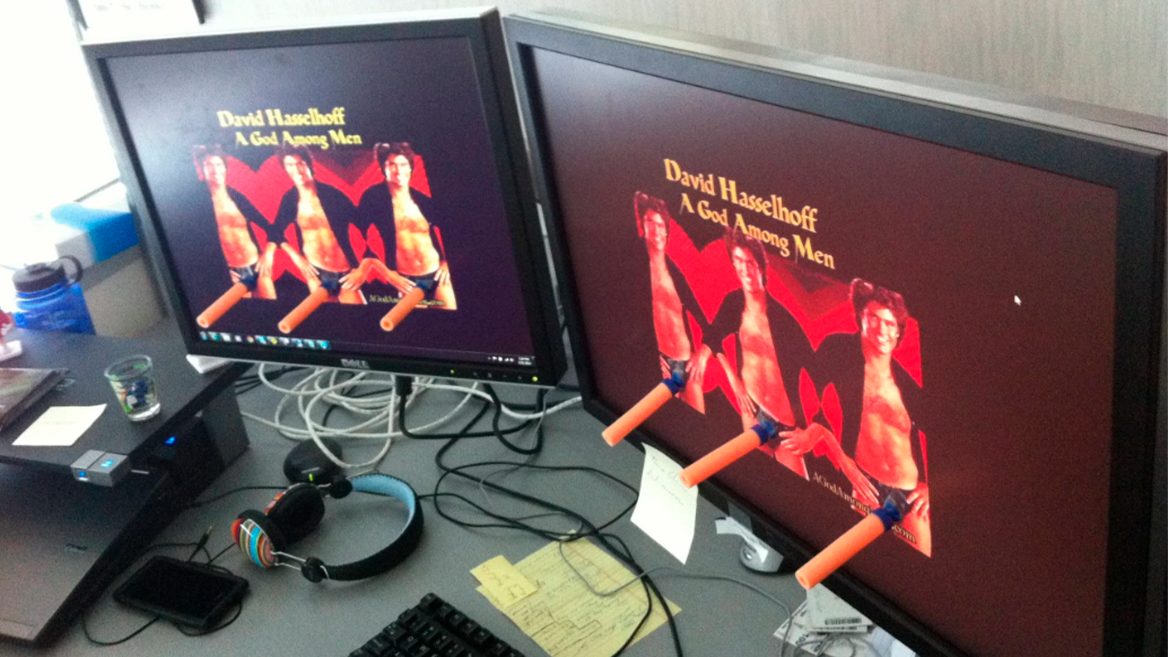
«S*x automatically flies to the desktop.» Social media users are discussing whether it is ethical to «prank» colleagues who leave their computers unlocked and unattended
Що робити, щоб ваші твіти не блокували кремлеботи. Інструкція
Соціальна мережа Twitter — один з головних майданчиків для поширення інформації про війну в Україні західній спільноті. Але де правда про війну, там відразу з’являються боти Кремля, які кидають страйки. Розповідаємо що робити, аби ваші твіти не блокували.
Битва за розум. Як Facebook і Twitter спинили операцію США, спрямовану проти російської пропаганди в соцмережах
Twitter, Facebook і Instagram видалили низку облікових записів, які були спрямовані проти російської пропаганди і боролися з нею в тому числі і за допомогою мемів. За словами дослідників, кампанія тривала майже 5 років. Розповідаємо головне з матеріалу Vice.
Have important news to share? Message our Telegram bot
Key events and useful links in our Telegram channel