Хочете будувати кар’єру в Data Science та AI? Vodafone Big Data Lab відкриває новий набір —>
Валентин ШнайдерAround IT
27 October 2025, 16:48
2025-10-27
The US is strengthening biometric control: border guards will take photos when entering and leaving the country
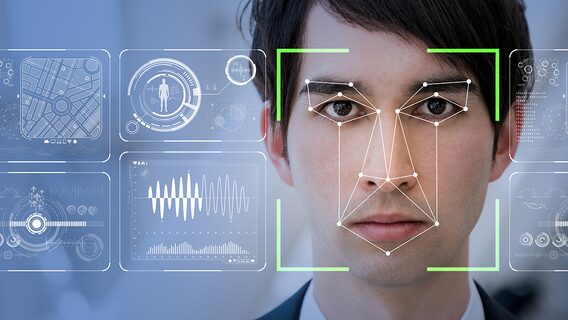
The new amendment allows U.S. Customs and Border Protection (CBP) to require the photographing of all non-U.S. citizens, not only upon entry but also upon exit from the country.
The new amendment allows U.S. Customs and Border Protection (CBP) to require the photographing of all non-U.S. citizens, not only upon entry but also upon exit from the country.
According to Engadget, the amendment was filed with the Federal Register and provides for the creation of an «integrated automated entry/exit data system» that will match biographical and biometric data of foreigners. CBP and the Department of Homeland Security (DHS) say that the image galleries will be formed from photos taken by border agents, as well as from images from passports or other travel documents; they will be compared with «live» frames at checkpoints. Previously, the service could already require photos and fingerprints upon entry; now the requirement extends to exit.
The government justifies the changes by the need to combat document fraud, identify potential threats, and monitor compliance with authorized periods of stay. The documents emphasize that the new requirements will come into force on December 26, 2025, but it will take time for the system to fully work: according to CBP, the deployment of biometric control at all commercial airports and seaports for entry and exit will take three to five years. In practice, this means a phased installation of cameras, integration with databases, and setting up information exchange routes between agencies, including within the DHS.
The photo database, the filing states, should reduce the burden on officers by automatically matching faces, speed up border clearance, and increase the accuracy of identifying suspicious matches. At the same time, CBP emphasizes that the system is focused on non-US citizens; the requirements for US citizens remain unchanged and depend on the specific checkpoint and type of trip.
Biometrics at the U.S. border have been expanding for several years, from pilots at major airports to larger DHS programs. Key implementation issues include data storage and security, access limits between agencies, and transparency for travelers denied entry due to false positives. The final impact of the amendment will be determined by CBP’s regulatory guidance and the pace of technical deployment at ports, where passenger traffic and service time requirements at checkpoints are both increasing.
Earlier, dev.ua wrote about how the Embassy of Ukraine in Poland reminded that from October 12, the European Union is launching an IT-system for entry/exit (Entry/Exit System — EES), which will change the rules for crossing the border, in particular for Ukrainians. The new rules provide for mandatory biometric control for citizens of non-EU countries.