Ukraine has created a cheap laser weapon to destroy drones
Ukrainian engineers have developed a cutting-edge laser weapon called Sunray, which is capable of effectively shooting down enemy drones while remaining invisible to the enemy.


Ukrainian engineers have developed a cutting-edge laser weapon called Sunray, which is capable of effectively shooting down enemy drones while remaining invisible to the enemy.
Ukrainian engineers have developed a cutting-edge laser weapon called Sunray, which is capable of effectively shooting down enemy drones while remaining invisible to the enemy.
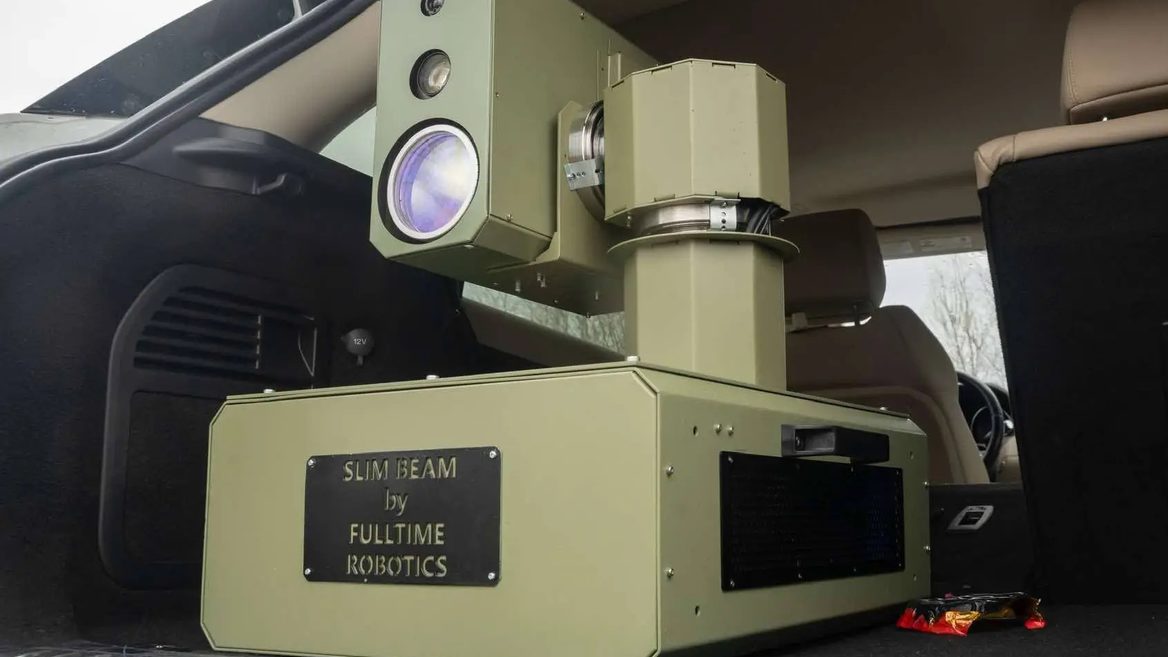
According to Simon Schuster of The Atlantic, who was present at the prototype tests, the system looks deceptively simple. From the outside, it resembles an amateur telescope with cameras on the sides and fits easily on the roof of a pickup truck or in the trunk of a car.
The main feature of the weapon is the complete absence of visual and sound effects when fired.
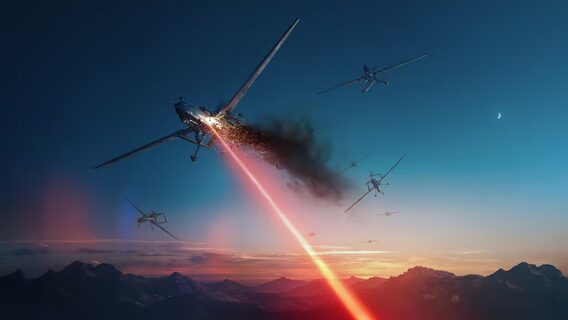
“It makes no noise and emits no light, not even that red beam familiar from the movies. The operator aimed the gun… In a matter of seconds, the drone began to burn, as if struck by invisible lightning, and fell to the ground in an arc of fire,” Shuster describes what he saw.
According to Shuster, the Ukrainian model is much cheaper and easier to manufacture than Western counterparts. For comparison, the Helios laser system, which the US Navy ordered from Lockheed Martin, was developed under a $150 million contract.
Instead, Sunray's creators said they created their system in about two years, spending several million dollars on development. The expected cost of a single installation is several hundred thousand dollars, making it affordable for mass use.
Earlier, Andriy Hrytsenyuk, CEO of the Brave1 defense innovation cluster, assured in an interview with dev.ua that combat lasers developed by Ukraine will be able to shoot down small enemy UAVs this year.
Last year, the Unmanned Systems Forces presented the work of the Ukrainian laser complex "Tryzub", which is capable of destroying ballistic missiles at a distance of up to 3 km, and airplanes and helicopters at a distance of up to 5 km.