The first Asian office of Ukrainian IT company Intellias opened in Tokyo
On April 1, 2026, the first Asian office of the Ukrainian IT company Intellias opened in Tokyo, which will directly cooperate with Japanese automakers.

On April 1, 2026, the first Asian office of the Ukrainian IT company Intellias opened in Tokyo, which will directly cooperate with Japanese automakers.
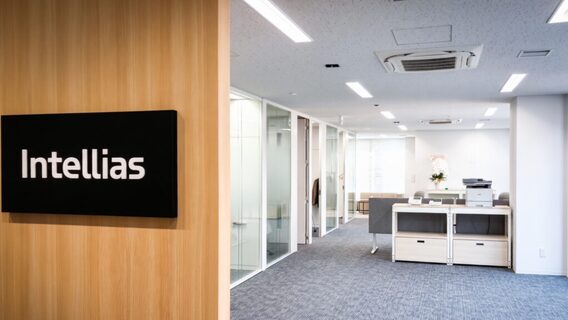
On April 1, 2026, the first Asian office of the Ukrainian IT company Intellias opened in Tokyo, which will directly cooperate with Japanese automakers.
The Japanese auto industry, known for its manufacturing precision, is now forced to compete on software architecture, AI integration, and development speed due to the global shift to software-defined vehicles (SDVs). However, according to Japan’s Mobility Digital Transformation Strategy (METI), the country will face a shortage of about 51,000 IT professionals by 2030, which is why traditional auto software development cycles in Japan last 3–4 years, while agile market newcomers can handle it in 2–3 years.
Partners have access to Intellias’ powerful global base of over 3,200 engineers, Intellias says. The company’s portfolio covers over 30 automotive brands, including European premium automakers and electric car market leaders, and Intellias software has already been integrated into over 170 million cars on the world’s roads. The company flexibly adapts its processes to the Japanese business culture, where trust is key. Therefore, cooperation usually starts with pilot launches (PoC) or small projects and only then scales up.
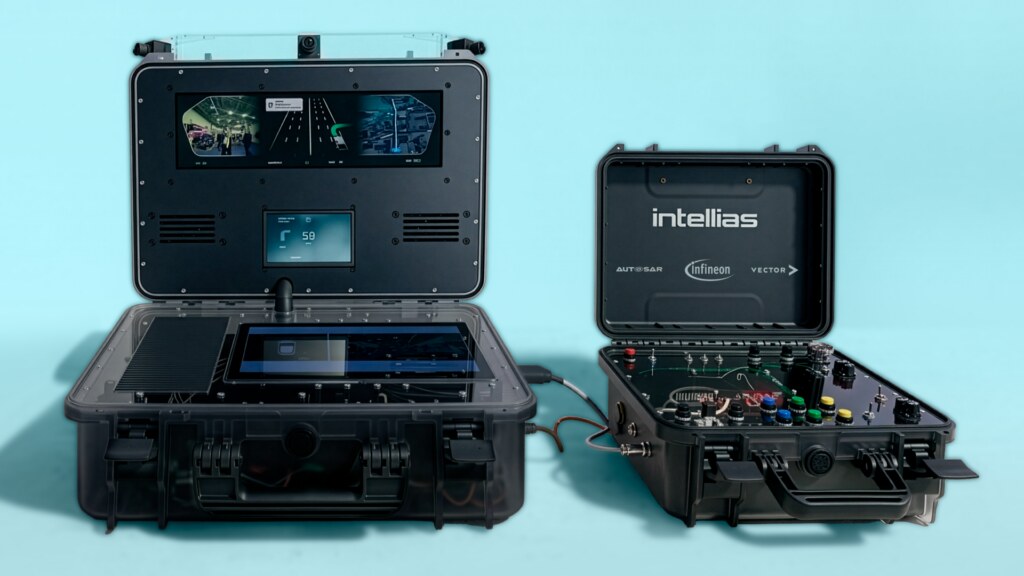
The Tokyo office is permanently equipped with the IntelliKit platform. It is a portable automotive technology solution that integrates embedded software, AI, human-machine interface (HMI), and the cloud into a single operating ecosystem consisting of three modules: the Electronic Control Unit (ECU Kit), Automotive Kit, and Automotive Cloud.
The platform is based on technologies from leading Intellias partners and fully covers all levels of the digital cabin: from the operating system architecture, AI assistant and object recognition system to multimedia, security and over-the-air updates (OTA). Thanks to this, customers can visually see how key vehicle systems work together in real-world conditions.
For automakers designing next-generation digital cockpits, IntelliKit becomes a ready-made foundation that allows you to test the architecture, verify feature compatibility, and bring the product to market much faster.