Наталя ХандусенкоStartup
13 October 2026, 18:04
2026-10-13
An Ukrainian smart home voice assistant has been developed in Rivne. It is adapted for people with disabilities and fundamentally ignores the occupier's language
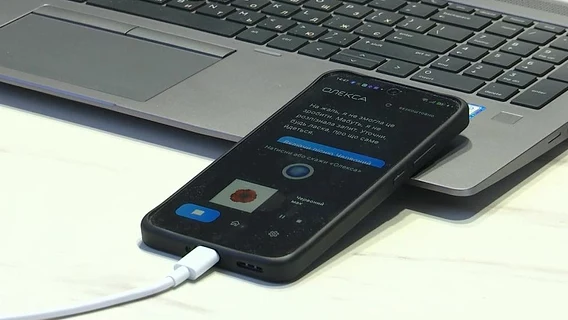
In Rivne, they created their own smart voice assistant called "Olexa." The application controls home appliances, is adapted for people with inclusiveness, fundamentally ignores the language of the aggressor country, and is already growing from a family idea into an international startup.
In Rivne, they created their own smart voice assistant called "Olexa." The application controls home appliances, is adapted for people with inclusiveness, fundamentally ignores the language of the aggressor country, and is already growing from a family idea into an international startup.
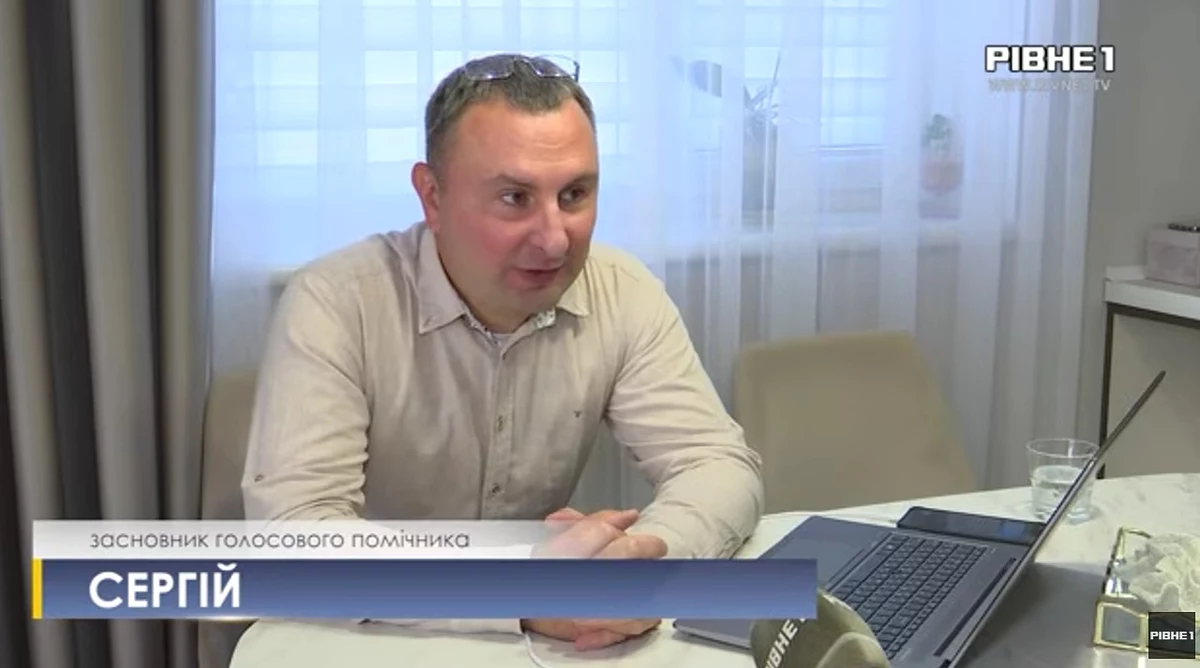
The idea of creating a Ukrainian voice assistant has been brewing for years with the founder of the project, Serhiy. The developer admits that the idea had been in his head for about five years. Before the full-scale invasion, he himself used a Russian smart speaker and application, but with the outbreak of the great war, he decided to abandon the products of the aggressor country forever, Rivne 1 reports .
The name of the project has deep personal roots and a warm family history. Serhiy was born in the village of Oleksandria, has a brother and brother-in-law Oleksandr, as well as a daughter Oleksandra, who is affectionately called Oleksa at home. When the daughter first heard her father testing voice commands and addressing the program, she ran to the call, thinking that she was being called. This fixed the final name for the assistant.
"Olexa" freely understands any language, but responds exclusively in Ukrainian and categorically ignores the language of the occupier. With its help, you can easily control household appliances — for example, switch air conditioner modes or turn on the lights.
The most important feature of the development is adaptability for people with inclusiveness, in particular for people with visual or hearing impairments.
"In the application, someone they know sets the appropriate mode once (for example, "I can’t see"), and from then on, "Alexa" understands that it should respond exclusively to voice commands," the founder explains.
Active development of the application began in early summer, and on October 2, "Olexa" spoke in a male voice for the first time. As of today, the assistant is able to perform up to 5 tasks simultaneously.
A team of three people is working on "Olexa": the founder, Serhiy, in Ukraine, the second developer, in Poland, and the third specialist, in the United States of America.
The voice assistant is currently in the stage of active testing and improvement. In the future, the founder plans to make "Olexa" multilingual: it is expected that within a year it will speak English, French, and German in order to enter the international market.