Олександр КузьменкоWeapon
14 October 2026, 10:58
2026-10-14
Ukrainian startup Deftak is preparing mass production of "smart" bombs for UAVs
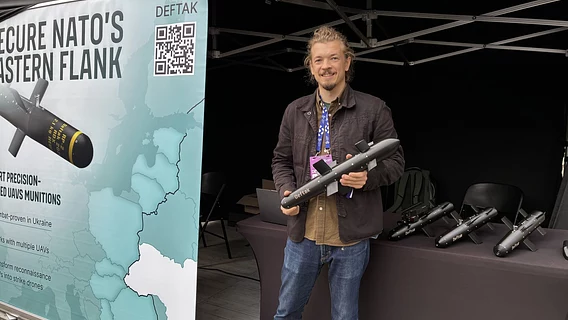
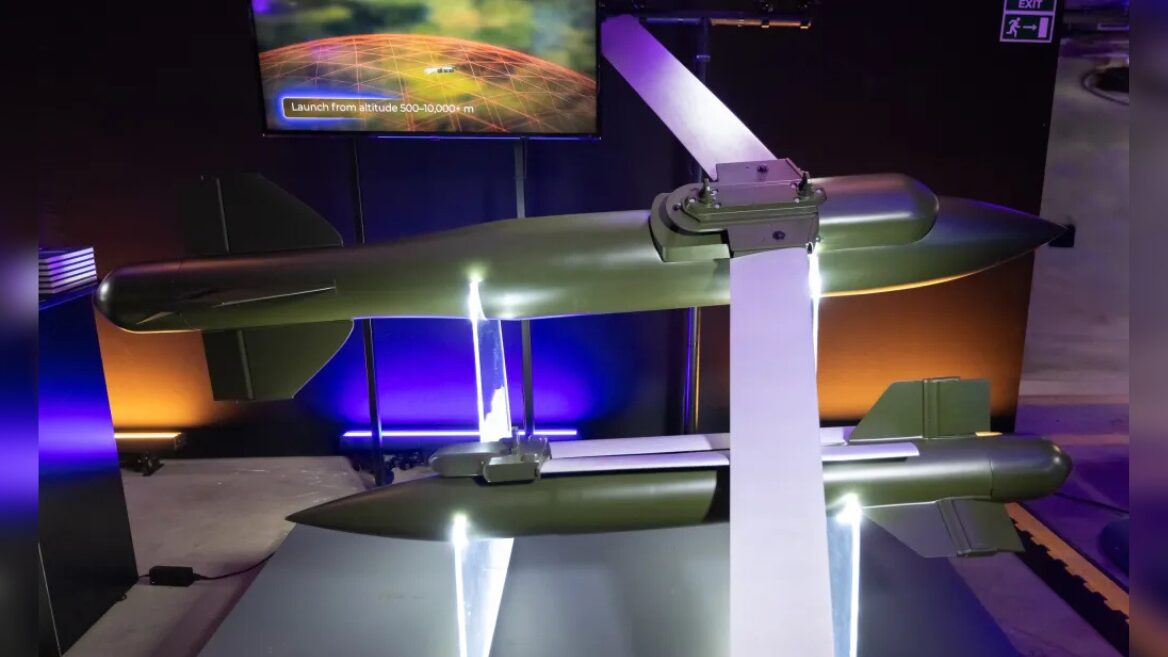
Ukrainian defense-tech startup Deftak is preparing to launch a mass production line for autonomous munitions for copters and aircraft-type UAVs in early 2027. The team is developing munitions with computer vision systems and also integrating laser guidance in partnership with another domestic startup.
Ukrainian defense-tech startup Deftak is preparing to launch a mass production line for autonomous munitions for copters and aircraft-type UAVs in early 2027. The team is developing munitions with computer vision systems and also integrating laser guidance in partnership with another domestic startup.
This was stated by Deftak co-founder and CEO Andriy Romanenko in an interview with DOU.
The project’s history began with the development of the first version of the munition, which worked using GPS. Despite the risks of jamming by electronic warfare, the company received the first contracts in 2024 and delivered several batches to the front at the specific request of the military. In parallel, the team developed a computer vision system, which is currently Deftak’s main product. This solution allows the munition to automatically guide itself to the target using a camera, reaching speeds of over 100 meters per second without using its own engine.
"First, I’ll explain how a bomb with computer vision works. You tell it where to fly, launch it, and then it moves simply by memory. The carrier can launch three bombs at three different targets simultaneously, and they will all arrive at the address without further control," Andriy Romanenko noted.
In addition to the optical system, Deftak is developing the laser guidance direction. Instead of developing its own from scratch, the startup collaborated with a Ukrainian team that specializes in lasers. The joint product is already undergoing field tests.
According to the company’s head, the laser solution makes it possible to make the ammunition itself cheaper than the optical analogue, since the main expensive equipment is placed on a reusable carrier. At the same time, the Ukrainian approach to illuminating targets differs significantly from NATO standards and costs much less than foreign systems.