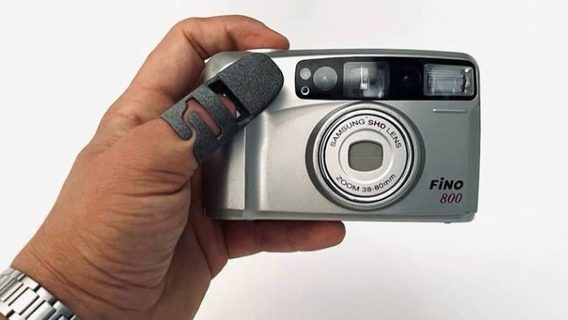
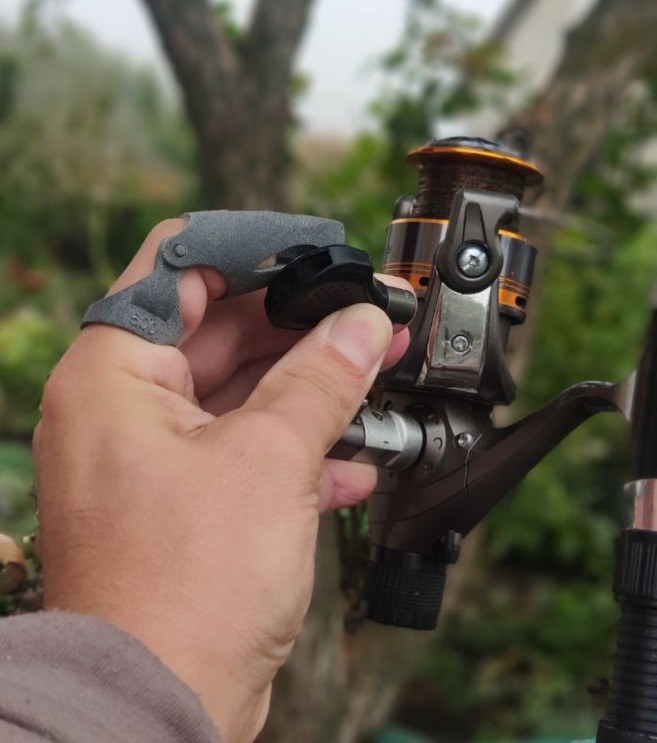
Ukrainian startup Dotyk Fingers creates 3D-printed mechanical prostheses for people who have lost parts of their fingers.
As Oleksandr Ternovy, CEO of the startup, told the Vector publication, the impetus for its creation was volunteer work with Ukrainian veterans who were undergoing treatment and prosthetics in Germany.
«Faced with bureaucracy and refusals of insurance companies to provide finger prostheses, I noticed that even local residents could not get such help, although the German medical system is considered one of the best in the world. Regardless of age, fitness or even plans to stay in Germany, patients did not have access to functional solutions for their fingers», — he said.
According to the founders, product development began in June 2024, and in less than six months, they developed the first finger prosthesis that replaces the first phalanx.
You can order prosthetic fingers, as Dotyk Fingers says, according to the following scheme:
a person sends a photo of a hand with a 10 hryvnias coin;
with the help of artificial intelligence, the exact dimensions are determined, and the model is automatically adjusted to these parameters;
one or two prototypes are sent to the customer for testing, if the size is not suitable, then it is re-adjusted;
when the client confirms that all is well, the final nylon prosthesis is made and shipped to the client.
The startups said that for distribution in Ukraine, permission from the Ministry of Health is not required, but in order for someone to be able to get prostheses at the expense of the state, Dotyk Fingers must enter their products in the register of medicinal products with appropriate documentation, which the team is working to do in the coming months.
The main users of the products are veterans and workers such as carpenters or metal workers who lost fingers on the job.
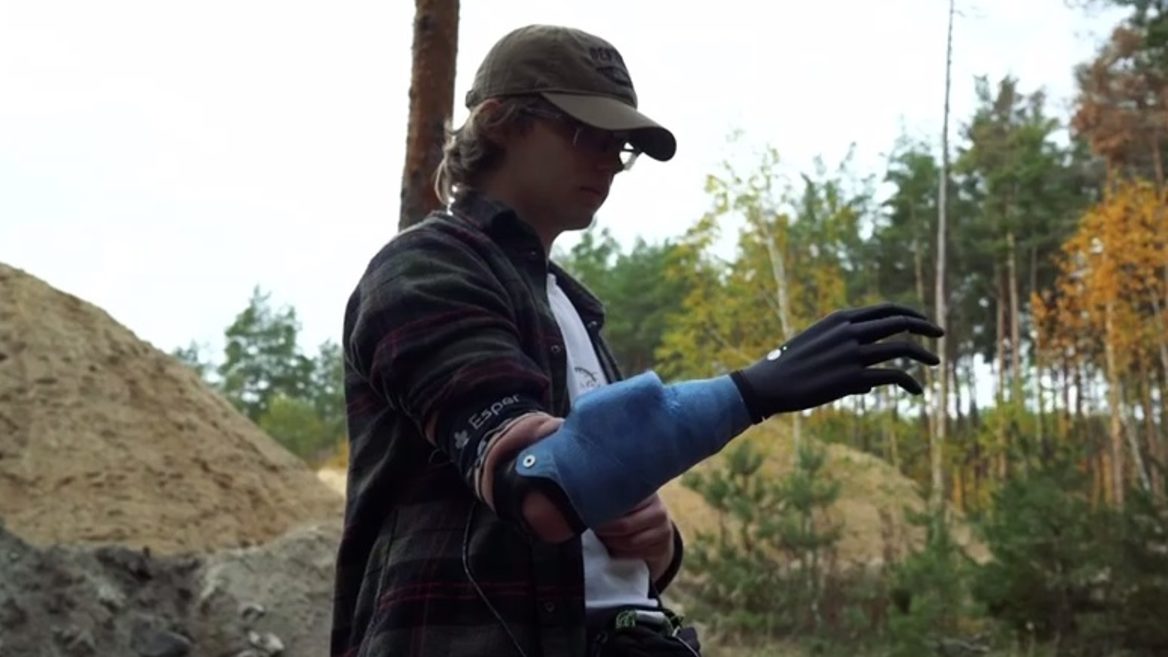
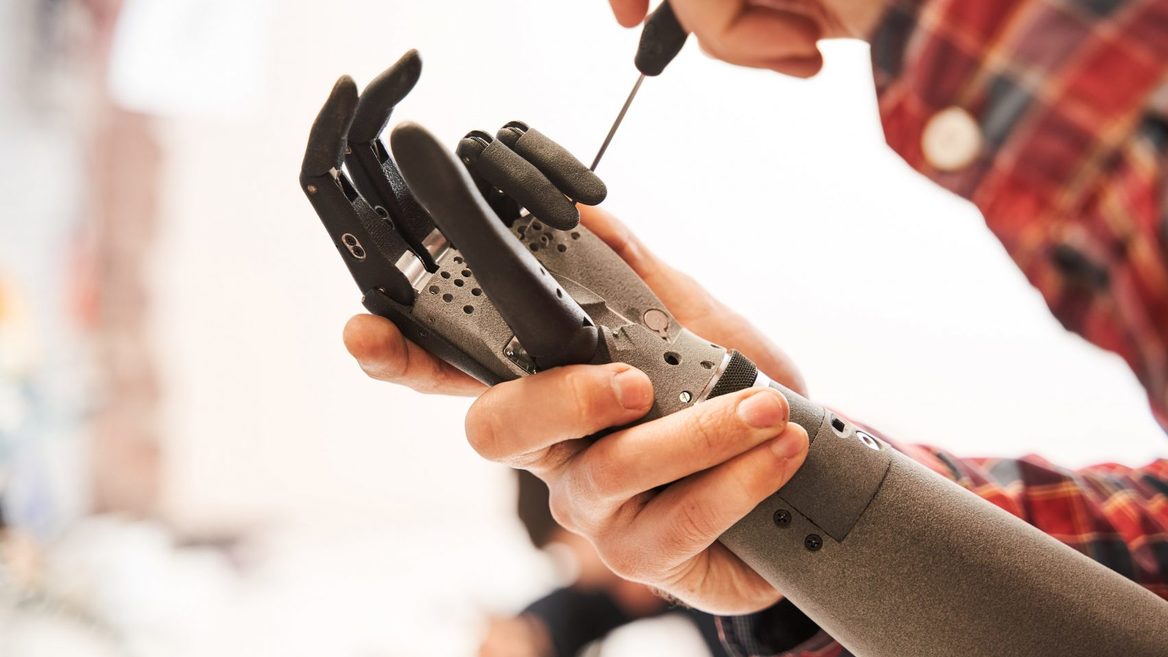
Photo from dotykfingers Instagram
«The main problem is that modern functional finger prostheses cost from 3,000 euros for one finger, and in cases of complex amputations — up to 17,000 euros. At the same time, states and insurance companies rarely cover such costs, leaving people with only cosmetic solutions, which are often also expensive and always not functional. We aim to make prostheses affordable by localizing production, automating the manufacturing process, and using AI to transmit measurements directly to patients, which significantly reduces costs,» explains Oleksandr Ternovy.