Хочете будувати кар’єру в Data Science та AI? Vodafone Big Data Lab відкриває новий набір —>
Валентин ШнайдерWeapon
11 December 2025, 09:51
2025-12-11
Ukrainians file lawsuits against Intel, AMD and other chip manufacturers over use of their chips in russian weapons
A series of lawsuits have been filed in Texas on behalf of Ukrainian civilians against Intel, AMD, Texas Instruments, and distributor Mouser Electronics, alleging that their chips have ended up in missiles and drones used by Russia and Iran to attack Ukraine, despite U.S. sanctions.
A series of lawsuits have been filed in Texas on behalf of Ukrainian civilians against Intel, AMD, Texas Instruments, and distributor Mouser Electronics, alleging that their chips have ended up in missiles and drones used by Russia and Iran to attack Ukraine, despite U.S. sanctions.
This is reported by Bloomberg, citing five lawsuits filed in a Texas court. They were prepared by renowned American lawyer Mikal Watts together with the law firm Baker & Hostetler, which represents dozens of Ukrainian victims. The cases describe five strikes between 2023 and 2025 that resulted in the deaths and injuries of civilians.
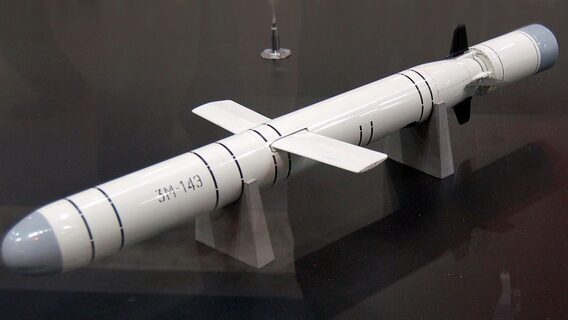
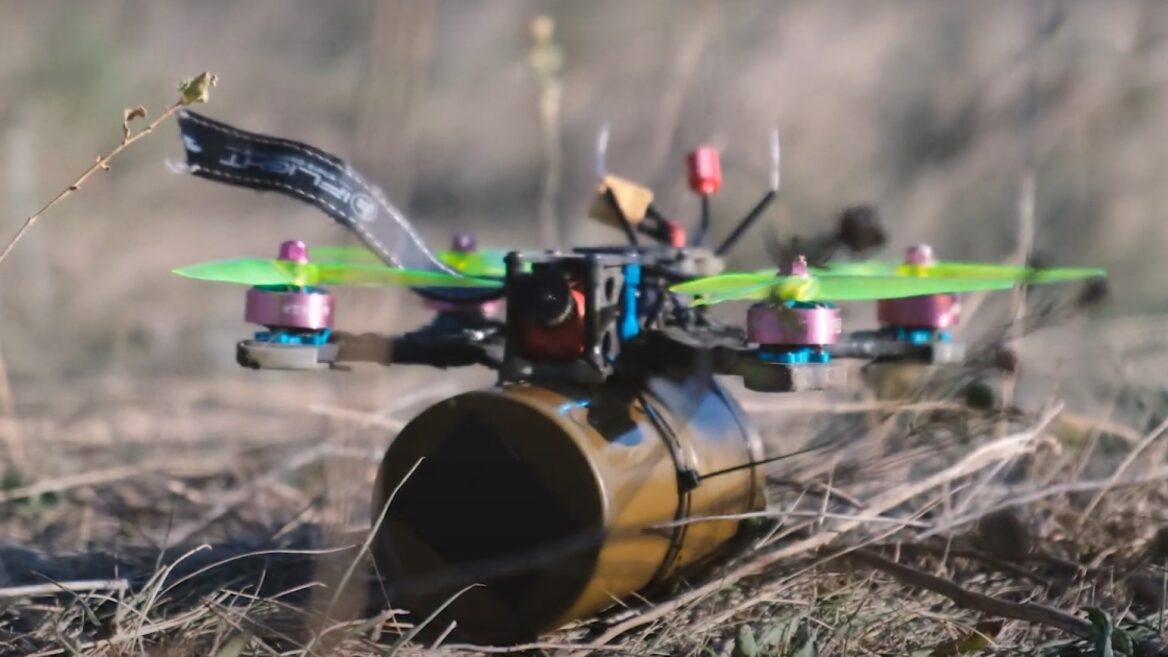
The plaintiffs allege that U.S. manufacturers demonstrated «willful indifference» and failed to stop the illegal diversion of products to third parties. The chips allegedly found their way into Iranian strike drones, Russian Kh-101 cruise missiles, and Iskander ballistic missiles used against Ukrainian cities.
One of the lawsuits accuses the companies of «internal corporate negligence» due to shortcomings in export controls and systems to prevent diversion. The lawyers emphasize that these chips should not have been sent to Russia or Iran, but the manufacturers «did nothing to actually stop this flow.»
A separate set of claims concerns Mouser Electronics, owned by Berkshire Hathaway. According to lawyers, the distributor helped supply chips from Intel, Texas Instruments and others through shell companies controlled by Russian intermediaries. Mouser’s solutions and logistics, the lawsuits claim, became «an essential part of the chain» that ultimately led to the plaintiffs’ deaths.
The companies deny any wrongdoing. Intel said it had stopped all shipments to Russia and Belarus at the start of the full-scale war and was operating in compliance with sanctions legislation, requiring partners and customers to do the same. Texas Instruments and AMD have also previously said they do not do business in Russia and have strict compliance procedures.
The problem, which both lawyers and journalists point out, is the scale of the «gray» market: microcircuits are massively resold through intermediaries, bypassing export restrictions. Earlier, a Bloomberg investigation had already documented the use of Western chips in Russian missiles, communications equipment, and drones, despite years of sanctions.
Now a Texas court must decide whether manufacturers can be held civilly liable for their products ending up in the arms of an aggressor country through intermediaries. If at least some of the demands are met, it could set a precedent for the entire global microelectronics market and increase pressure on the industry to control supply chains.
Previously, dev.ua wrote about how the Main Intelligence Directorate of the Ministry of Defense published the detailed structure of the Russian Iskander-M operational-tactical missile complex, a description of its key components, and a list of enterprises involved in the production of 9M723 missiles.
«Technological independence is not a theoretical issue, but a condition for survival.» What components does the miltech industry lack to 100% localize production in Ukraine, and why should we strive for this?