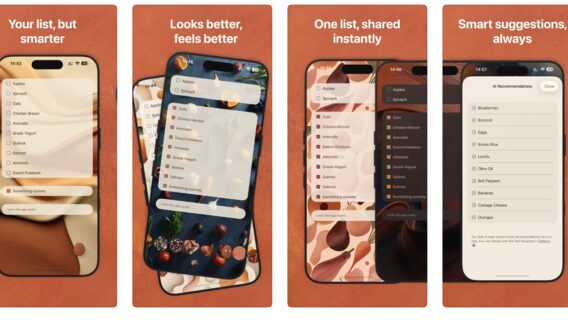
Ukrainian entrepreneur Denys Sudilkovsky developed the shopping list app Utorbu — but without a classic development team.
According to him, the application was created by a group of AI agents who independently performed various roles: from programming and working with databases to naming and icon design.
«The idea is to create a team that will self-organize and make a product out of my idea,» he explains.
Utorbu is a simple app for creating supermarket shopping lists. Its key feature is not in the functionality, but in the way it is created: the product is completely assembled using AI.
The author himself calls this experiment an illustration of a new trend — the transition from «writing code» to «managing intelligence.»
The author’s role was limited to minimal intervention: coordinating proposals and not getting involved in the technical process.
How it works
According to the developer, the most effective approach is to organize the work of agents during the day and «send them to work» at night.
«It works while I sleep,» he notes.
This format changes the very approach to work: instead of writing code, a person focuses more on problem formulation and process logic.
«The developer monopoly has been broken»
Sudilkovsky believes that AI is already changing roles in IT teams. «The monopoly on creating IT solutions has been completely destroyed,» he says.
In his opinion, the manager’s technical base is enough to correctly formulate the task, build a workflow for AI agents, and get a finished product.
«If a manager can’t bring a demo, there are big questions about why the team needs him,» he notes.
In the new reality, according to him, the role of marketing is growing.
«When anyone can create almost anything, the one who understands the audience best wins,» he explains.
In particular, what is becoming more important is not the code or design, but the ability to find the first paying users, understand the market needs, and quickly test the idea.
Competition and copying
Another trend is the speed of product copying.
According to the author, AI allows you to reproduce most solutions in the field of UX, because they are based on existing approaches.
«The speed of copying is already faster than the speed of creation,» he notes.
What’s next?
Sudilkovsky believes that this is just the beginning of the changes. Lower development costs, personalized products, and small niches (where a product is created for dozens of users) can completely change business models.
At the same time, AI management becomes a key skill:
«Competent planning and agent management are must-have hard skills for a manager.»
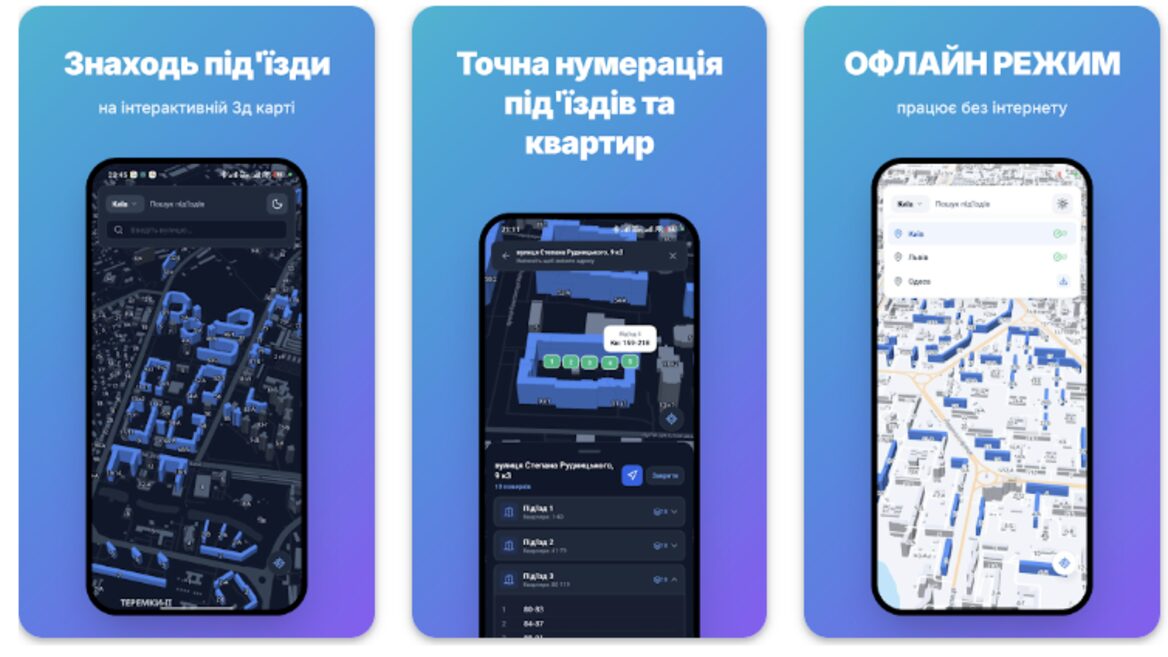
A Ukrainian has released an app for couriers, taxi drivers, and anyone else who wanders around high-rise buildings. Now it’s easy to find the right entrance