The first network of virtual reality museums has been created in Ukraine: what can you see in VR KOLO
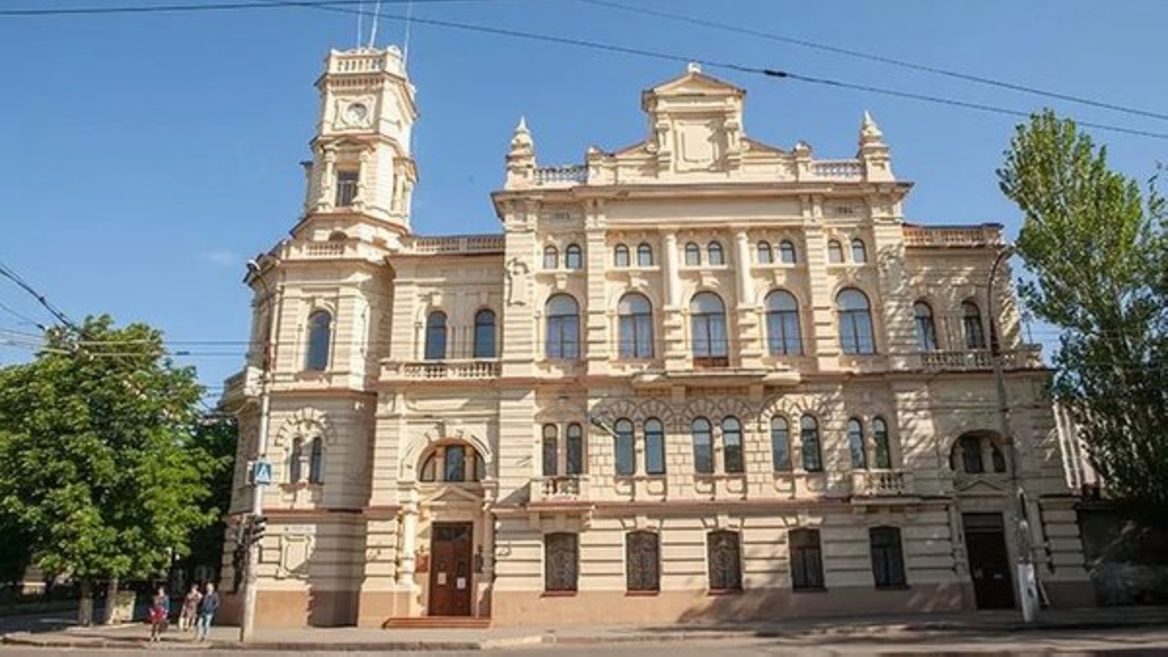
The first Ukrainian network of museums in virtual reality VR KOLO united 5 museums from different regions into a single digital space.


The first Ukrainian network of museums in virtual reality VR KOLO united 5 museums from different regions into a single digital space.
The first Ukrainian network of museums in virtual reality VR KOLO united 5 museums from different regions into a single digital space.
Visitors will be able to virtually "travel" between Chernihiv and Khortytsia, Pryluky, Okhtyrka, and Dubno, according to the project organizers.
Currently, 5 museums are connected to VR KOLO, each with its own VR zone:
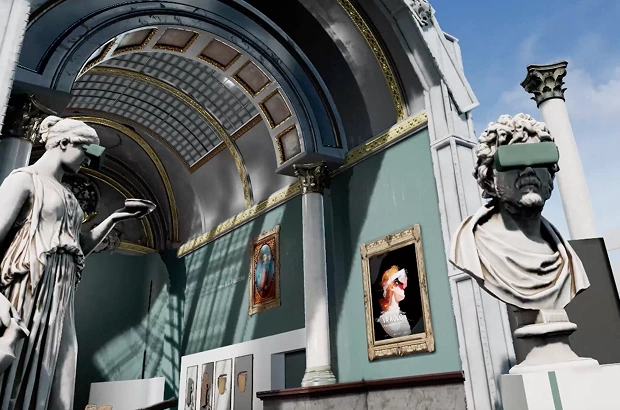
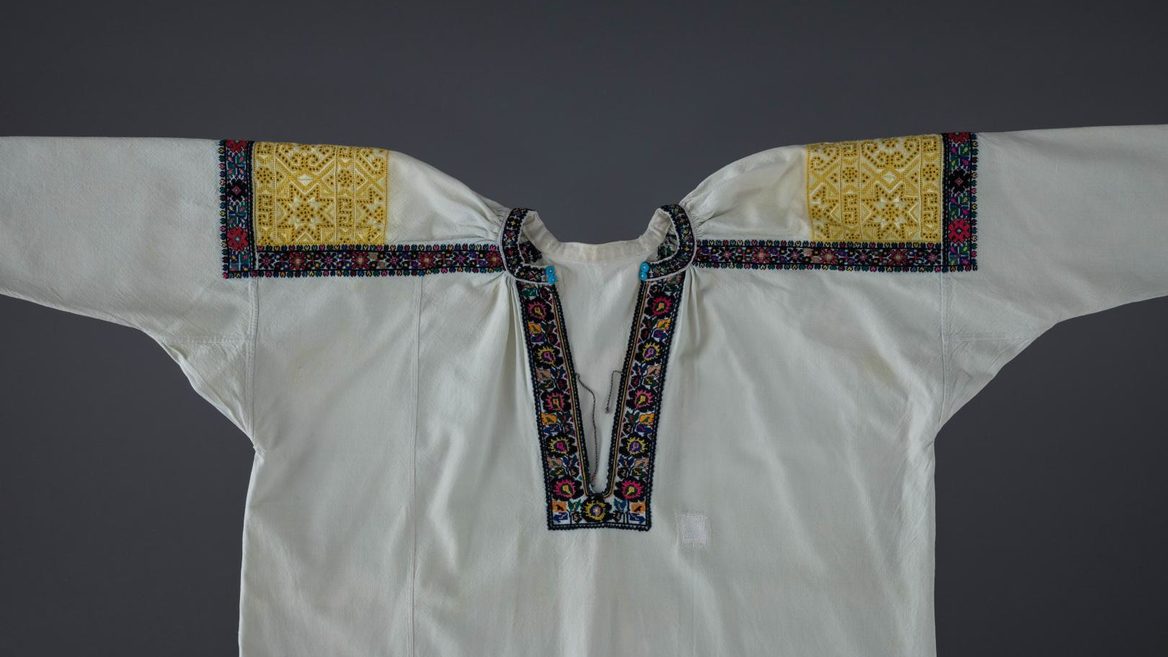
The project already features over 120 digital exhibits, from ancient artifacts to objects damaged during hostilities. Each of the most valuable artifacts can be studied in maximum close-up - the most fragile ones can be enlarged and even held in your hands.
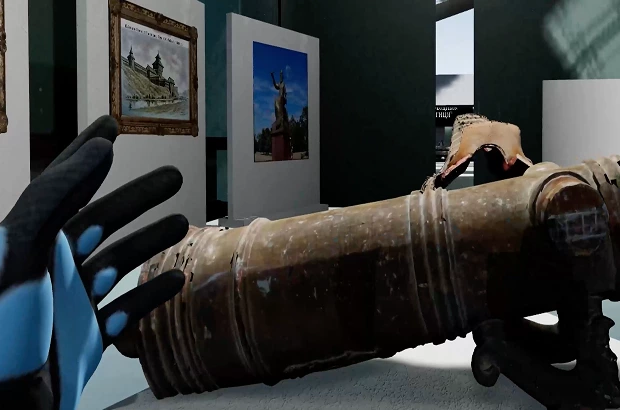
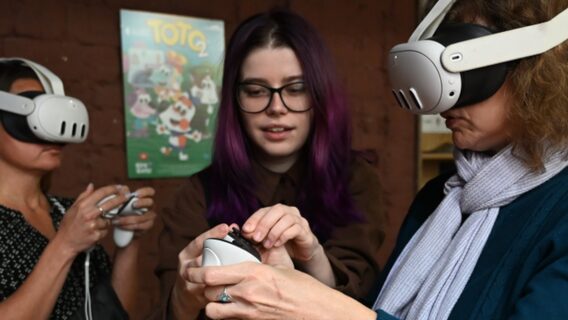
All 5 VR tours are gamified with special effects and quests. VR restorations for interaction with cultural heritage, audio guides, subtitles, and adapted controllers are also available.
The project was implemented by Forward Inc. together with the Museum Development Fund and five museums, with the support of the Ukrainian Cultural Foundation.
"We are creating a sustainable infrastructure that will operate daily and be updated with new exhibitions. This is a new museum culture where heritage becomes alive, accessible, and unifying," says Anton Shynkaruk, head of the Digital History Center Public Union.
In addition, there is Museum 2.0 - a version for children and young people with virtual adventures.
“Young people love new technologies and interactive content, and now the museum is an adventure journey where children may be in virtual reality for the first time and will be able to put on a VR helmet, not to play, but to get acquainted with their own history,” says Margarita Tkachenko.
The developers plan to expand the network, so they are ready to partner with museum institutions, urban communities and educational institutions. Interested parties will receive technical expertise, staff training and support in creating VR zones.