Хочете будувати кар’єру в Data Science та AI? Vodafone Big Data Lab відкриває новий набір —>
Наталя ХандусенкоStartup
10 November 2026, 15:08
2026-11-10
Ukrainian-Lithuanian startup Valkyrie Dynamics raises €1 million for miniature radars for all-weather interceptor drones
Defense company Valkyrie Dynamics has raised €1 million in a pre-seed round to develop and manufacture miniature radar heads for FPV drones and autonomous interceptors. The investment round was led by Paris-based venture capital firm Hexa with participation from defense technology business angels.
Valkyrie also became the first Ukrainian team to join the Hexa Sprint Defense acceleration program, which supports European dual-use and defense startups in their early stages.
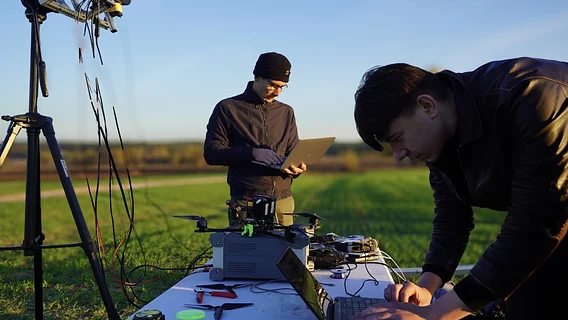
The startup's headquarters are located in Lithuania, but its physical R&D laboratory operates in Kyiv, which allows it to test and improve developments together with the Ukrainian military in real time.
The answer to the "shaheed season" and bad weather
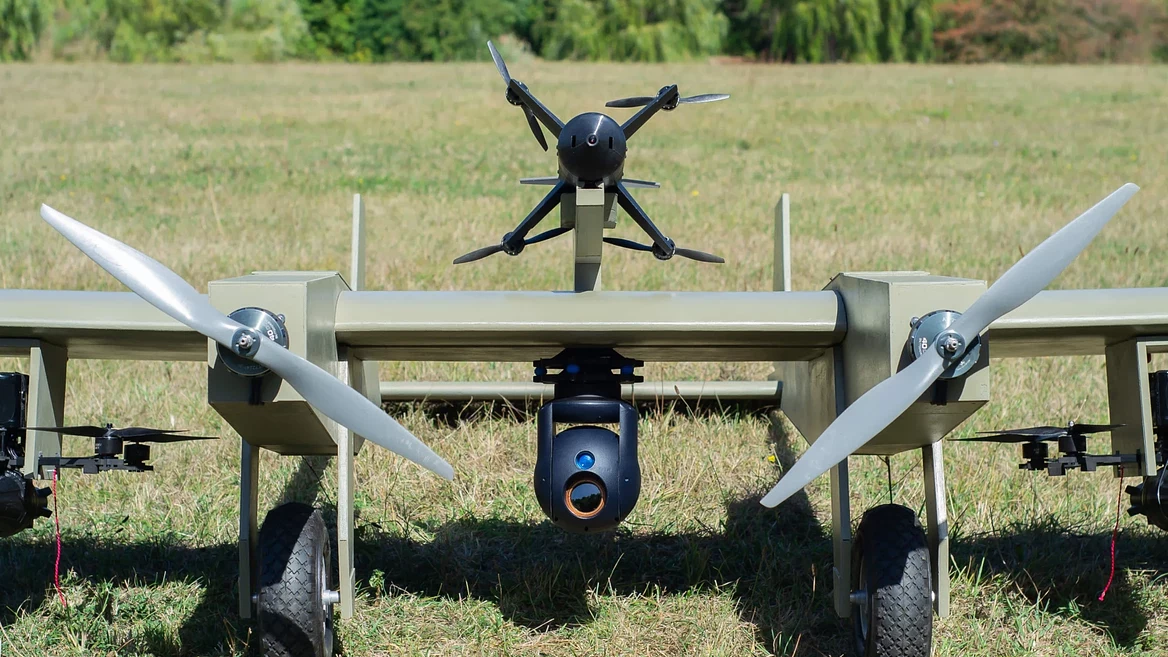
Modern interceptor drones rely primarily on optical and thermal imaging cameras. However, during heavy rain, fog, or snowfall, their visibility drops to 80% at a distance of just a few dozen meters. In addition, Russia is increasingly using faster jet-powered "shaheeds," which require more maneuverable platforms and more reliable sensors to destroy.
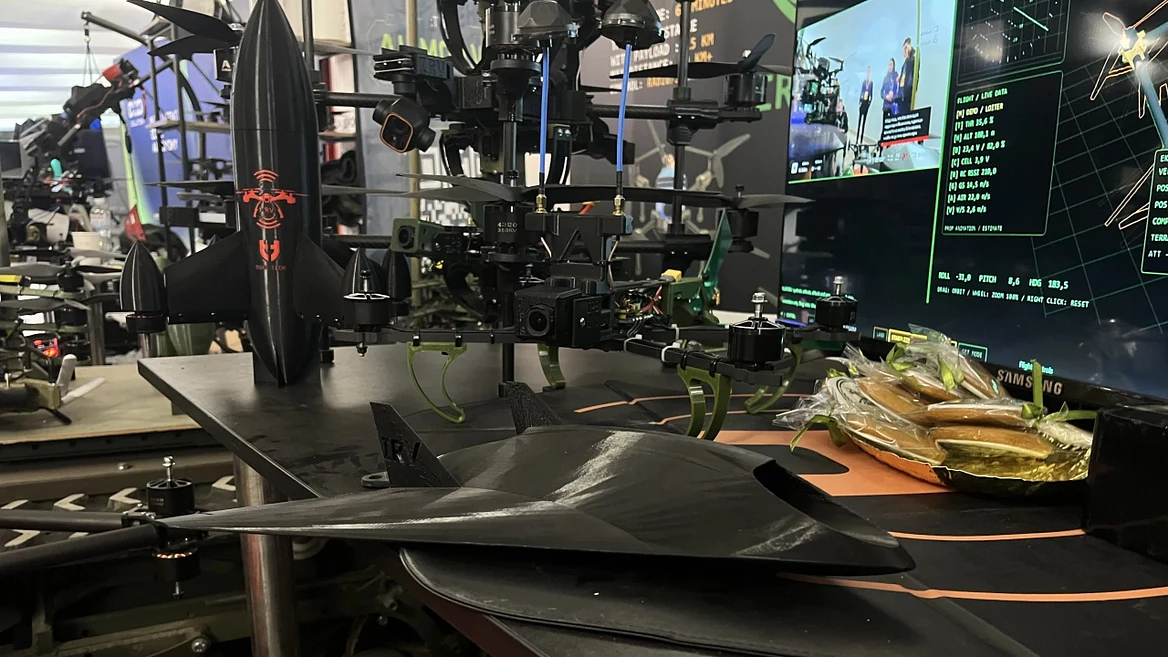
To solve this problem, Valkyrie created Heimdall, a lightweight (about 100 g) airborne radar homing head that mounts in the nose fairing of an FPV interceptor.
How Heimdall works:
in the last sections of the distance (from 100 to 500 meters), the radar transmits a radar image to the operator instead of optical video, emitting radio waves that overcome any weather obstacles;
The radar supports both FPV navigation and autonomous flight in conjunction with the guidance module. The final decision on the hit remains with the pilot or the interceptor's automation;
The target cost of Heimdall in mass production will be less than €300 per unit, making mass air defense significantly cheaper compared to traditional missiles costing millions of dollars.
“Our mission is to make mass air defense cheaper and more accessible. We aim to replace $3 million missiles with inexpensive drone interceptors guided by affordable radars. Better sensors will take drone interception to the next level,” says Marcin Kowalewski, founder and CEO of Valkyrie Dynamics.
From suitcase labs to flight tests
The idea for Heimdall came to Marcin Kowalewski, a physics engineer by training, after talking to Ukrainian military personnel at the European Defence Tech hackathon in London in 2025. At first, he developed the project on weekends at his own expense, and later packed the equipment into two suitcases and moved to Kyiv, where he set up an R&D laboratory right on the territory of a factory damaged by missiles.
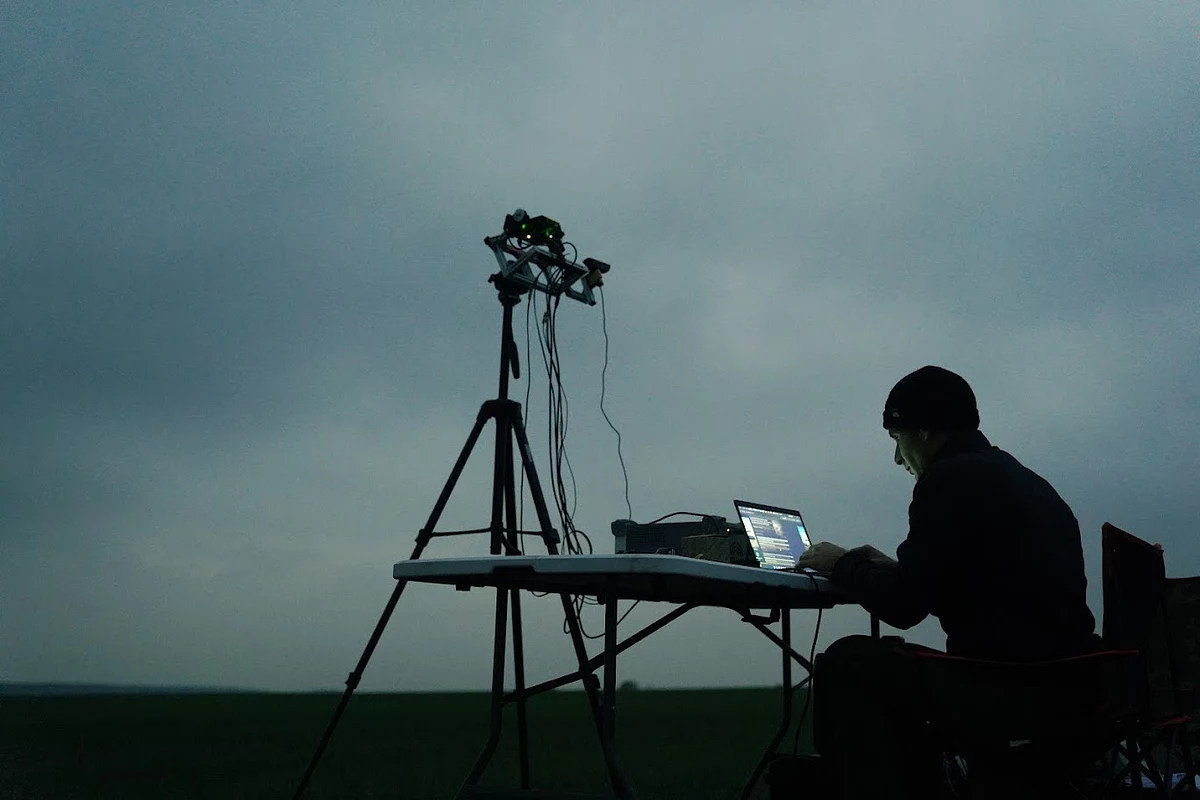
By the fall of 2026, the company had created a working prototype and recently conducted flight tests with autonomous systems developer Korven Systems.
“Valkyrie solves a problem that every European army will soon face: drones hiding behind bad weather. The team works in Kyiv, where feedback comes in a matter of days, not years,” commented Hexa VC partner Guillaume Lerouge.
Development plans
The raised funding will be used to produce the first batch of radar heads, develop the next generation of Heimdall with an extended viewing angle and increased range, and expand the team.
In addition to FPV drones, the technology is planned to be adapted for ground armored vehicles and unmanned platforms. By the end of 2026, Valkyrie also plans to open European technical integration centers to participate in NATO procurement programs.