Vyriy will begin mass production of the Veresen drone in April
The Ukrainian company Vyriy plans to begin production of the Veresen drone in April, which is currently undergoing combat testing.


The Ukrainian company Vyriy plans to begin production of the Veresen drone in April, which is currently undergoing combat testing.
The Ukrainian company Vyriy plans to begin production of the Veresen drone in April, which is currently undergoing combat testing.
According to Militarny, this was announced during a live stream by the company’s director, Oleksiy Babenko. According to him, the device is expected to be released this April, and its estimated cost will be up to $5,000, although the final price has not yet been approved.
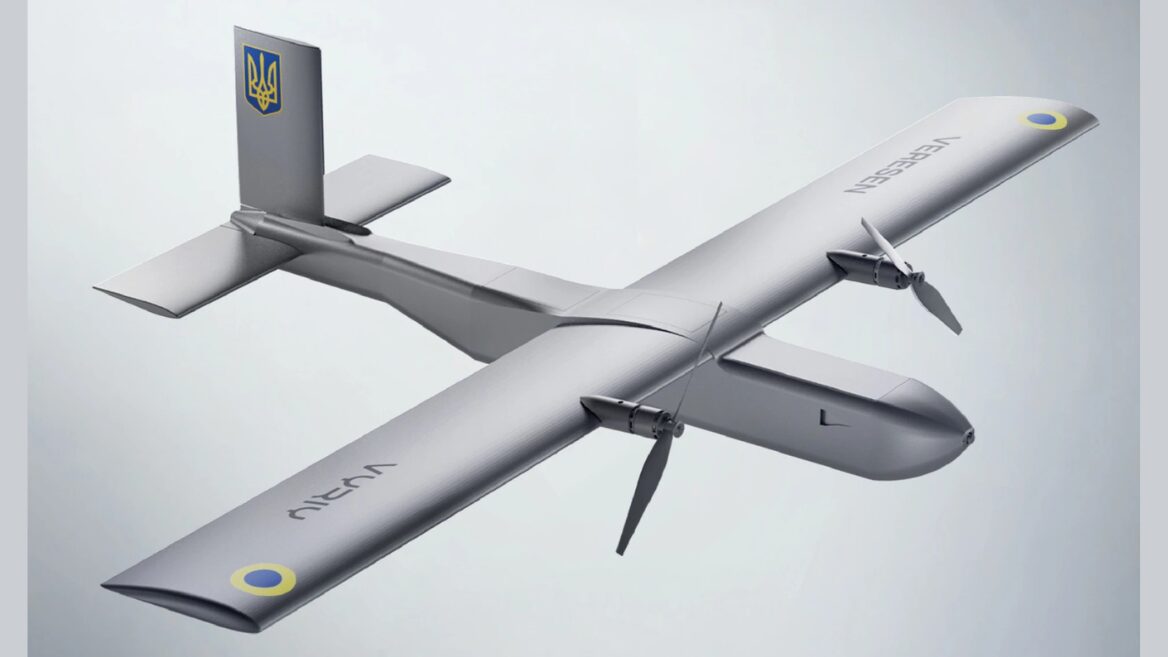
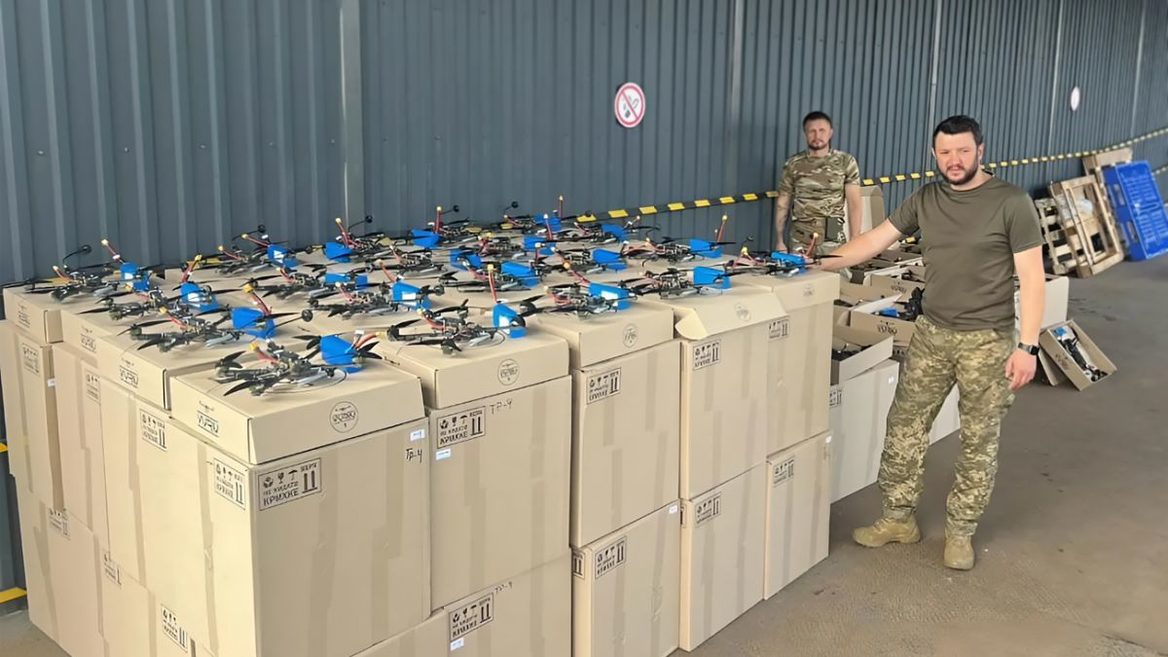
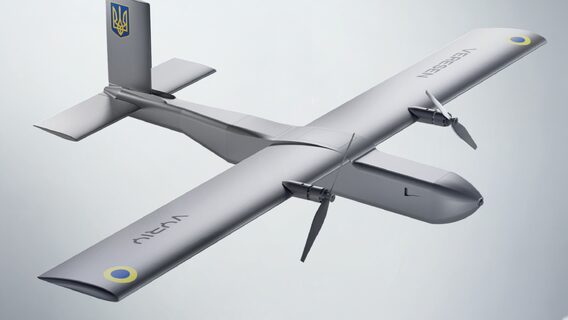
Veresen is a twin-engine drone created by Vyriy together with specialists from the 20th K-2 Brigade. It was named after the unit’s commander, Kirill Veres. The platform can carry two FPV helicopters under its wings with a payload of up to 1.5 kg each. This reserve allows the use of a fragmentation warhead or PG-7V series cumulative grenades.
The company says that the device should combine reconnaissance and target destruction in one flight. After entering the desired area, the drone can detect the target, and then alternately release two FPVs for attack. The result of the destruction is recorded by the camera of the carrier itself. According to Babenko, this is about working at a distance of about 50 km.
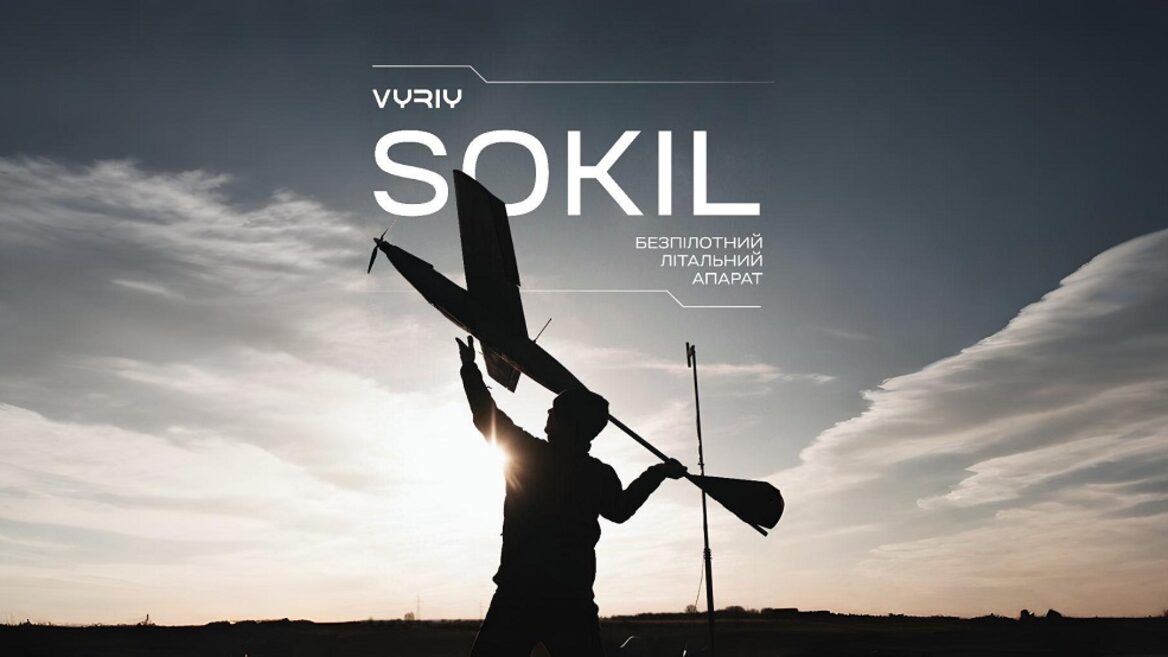
In terms of camera and communication, Veresen is close to the reconnaissance Sokil, but the new platform is about 2.5 times heavier, so it launches from a catapult. It is also considered not only as an FPV carrier, but also as a separate strike drone. In this configuration, the device can carry up to 4 kg of payload, operate for up to 60 minutes and cover a range of up to 75 km. Its cruising speed is 70 km/h, and the maximum is up to 130 km/h.
Working with Veresen requires a prepared crew. Three people are needed to launch and control the carrier itself, with one or two more people working separately with the FPV drones.
Veresen was developed as a platform that reduces the time between detecting a target and striking it. While the usual scheme requires first finding the object, and then separately lifting the FPV crew, here reconnaissance and attack are combined in one complex. This allows you to work faster on targets in depth and reduces the pause between fixing the object and its defeat.
Previously, dev.ua wrote about how Ukrainian Vyriy developed a navigation system for UAVs, which allows the drone to stay on course even in situations where satellite navigation and the operator’s radio channel are jammed.