Хочете будувати кар’єру в Data Science та AI? Vodafone Big Data Lab відкриває новий набір —>
Олег ОнопрієнкоІсторії
3 February 2026, 09:00
2026-02-03
"We thought it would never happen to the same place twice." A developer from Odesa told how he lost his home after two attacks by "shaheeds"
In the world of programming, the term “stress tolerance” is often just a cliché on a resume. However, for Oleksandr Viter, Senior Python Developer, this concept has acquired a completely new, physical meaning. Twice in two weeks, Russian “shaheeds” hit Oleksandr’s apartment in Odessa and almost completely destroyed his home. We talked to the IT guy about how to act in such a situation, who to contact and who came to the rescue first.
In the world of programming, the term “stress tolerance” is often just a cliché on a resume. However, for Oleksandr Viter, Senior Python Developer, this concept has acquired a completely new, physical meaning. Twice in two weeks, Russian “shaheeds” hit Oleksandr’s apartment in Odessa and almost completely destroyed his home. We talked to the IT guy about how to act in such a situation, who to contact and who came to the rescue first.
Gift for the old new year
The first test of war occurred on the night of January 12-13, which Oleksandr calls “a gift for the old New Year.” He learned about the arrival in the morning from his parents, who recognized their house in a photo on the news.
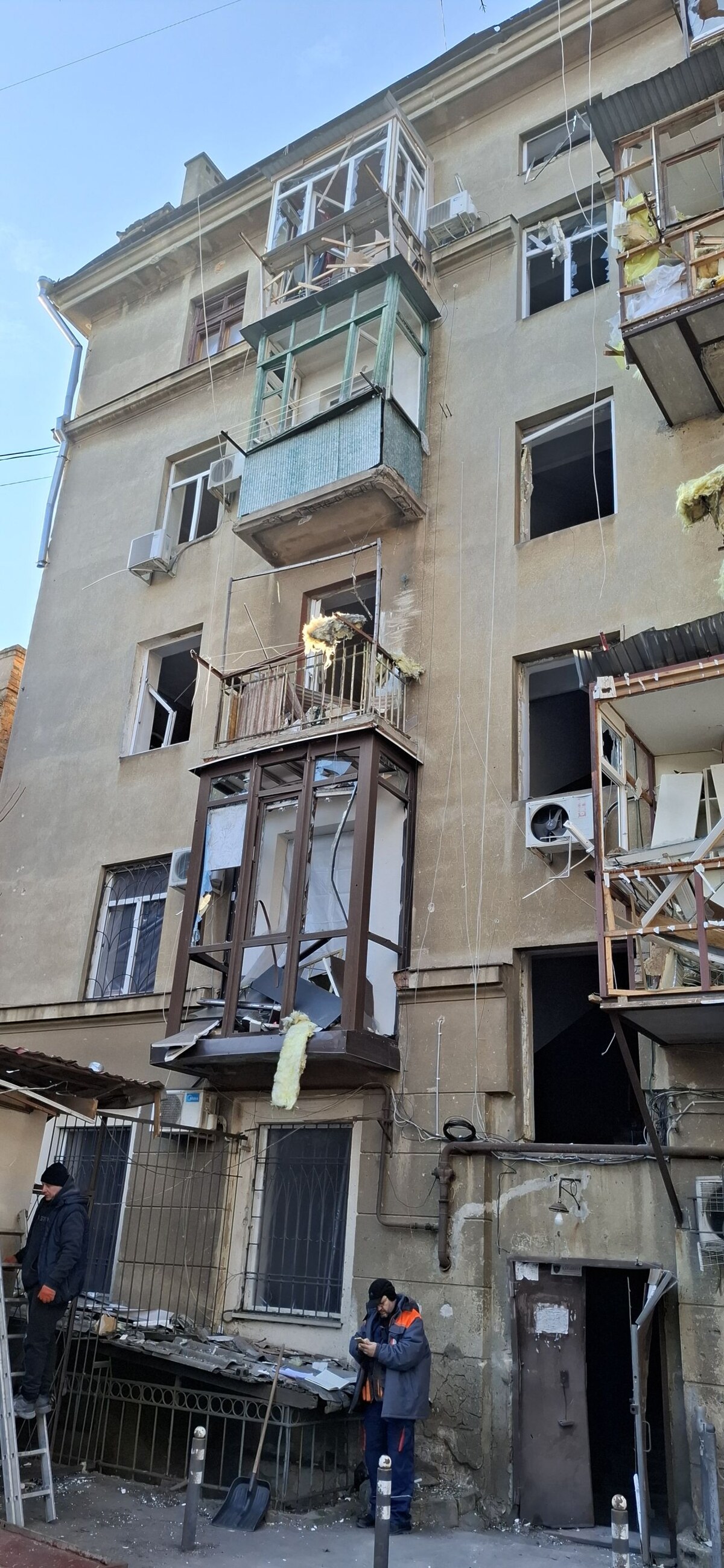
Arriving at the scene, Alexander was stunned, as in all the years of the full-scale invasion, the "shaheeds" had never fallen so close to his street.
"We arrived at the scene that same day and were, of course, shocked by what we saw, because in all four years of the war, the "shaheeds" had not even fallen close to our house or on the neighboring streets," Oleksandr shared his first impressions.
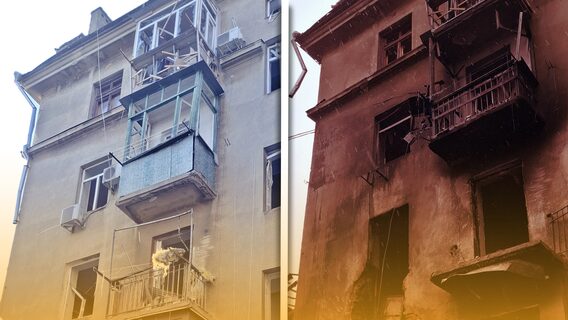
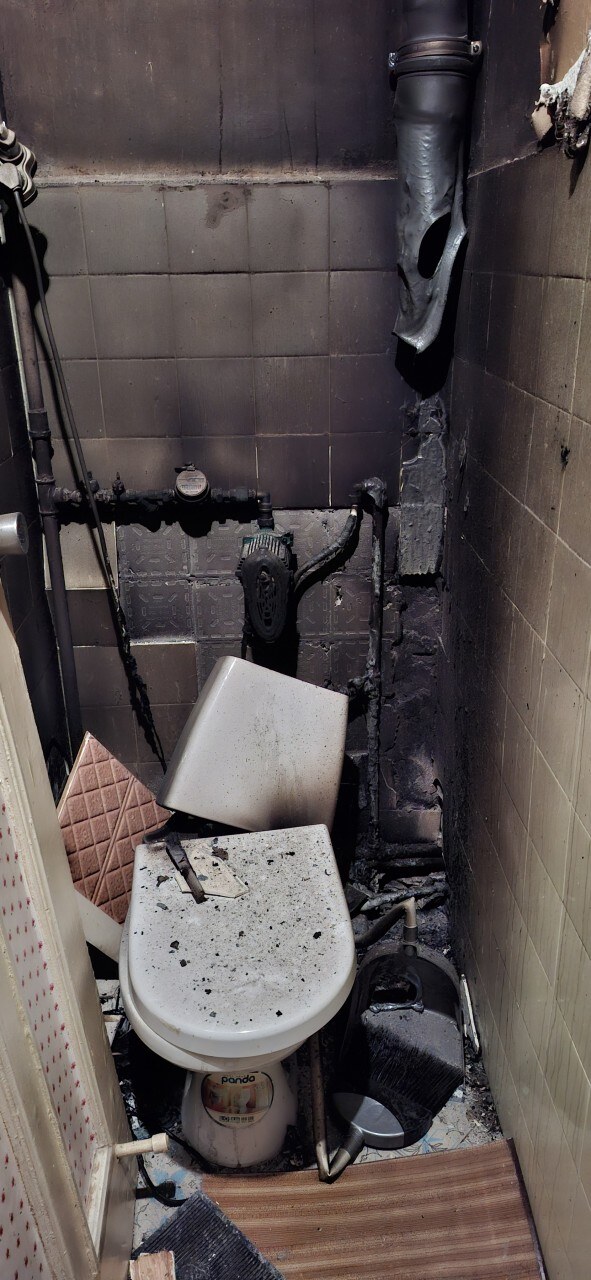
Alexander's house after the first hit
An operational headquarters and municipal services were already working near the damaged house, helping residents with the most urgent matters: repairing doors, sealing windows with plywood, and removing debris. They also immediately issued a sheet with an algorithm of actions and contact details of services to which they could turn for help and compensation.
Oleksandr followed this algorithm — first he recorded all the destruction on camera, and only then he started cleaning. That same evening, he filed an application for compensation through the “eRecovery” program in the “Diya” application.
Second arrival
At the time, the damage seemed minor, and Alexander's family, relying on the folk wisdom that lightning never strikes the same place twice, began planning repairs. They even managed to order new windows, hoping to quickly return the apartment to habitable condition.
"Then we thought, 'You can't fly in the same place twice' and even managed to order new windows, because in principle, at that time the apartment was not badly damaged and after replacing the windows and a general cleaning, it could be suitable for living," the AIT resident said.
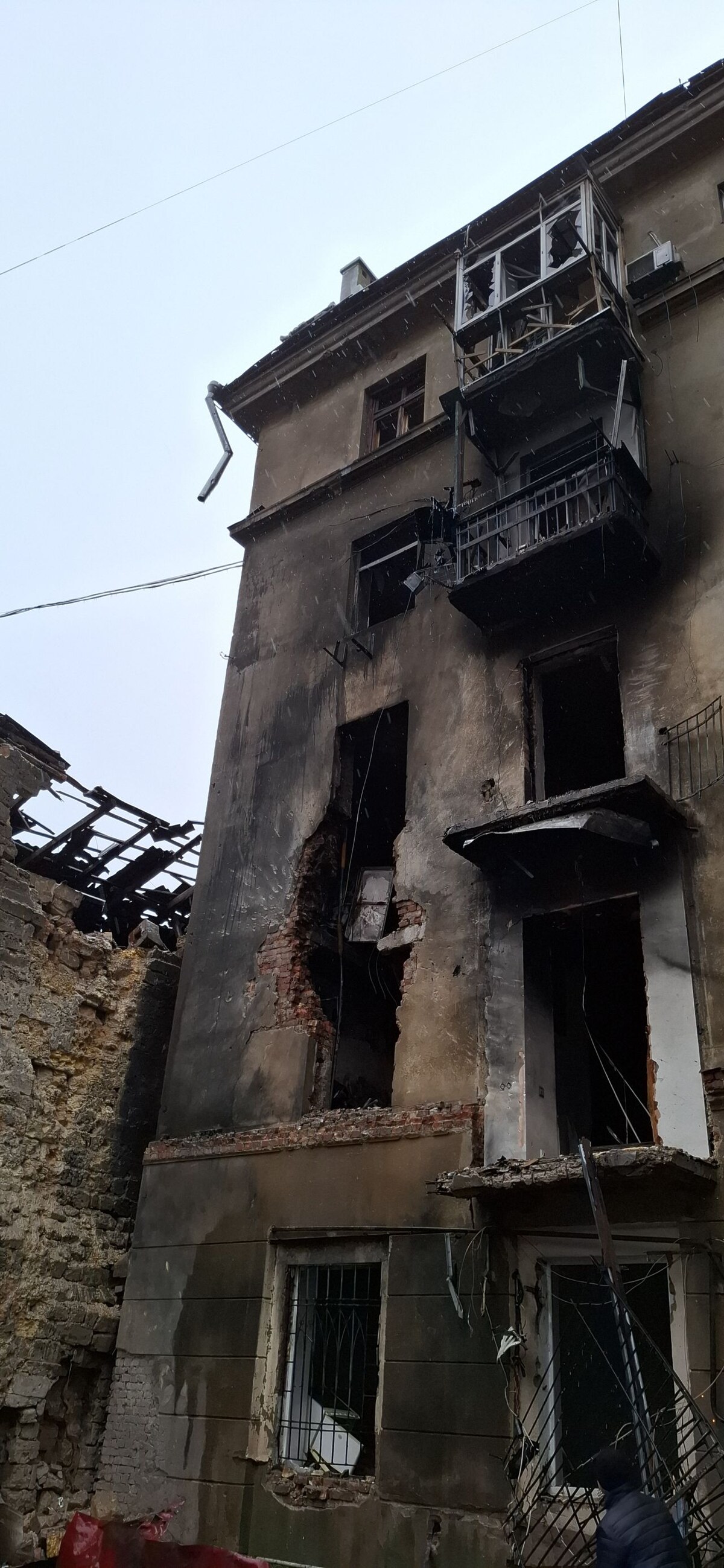
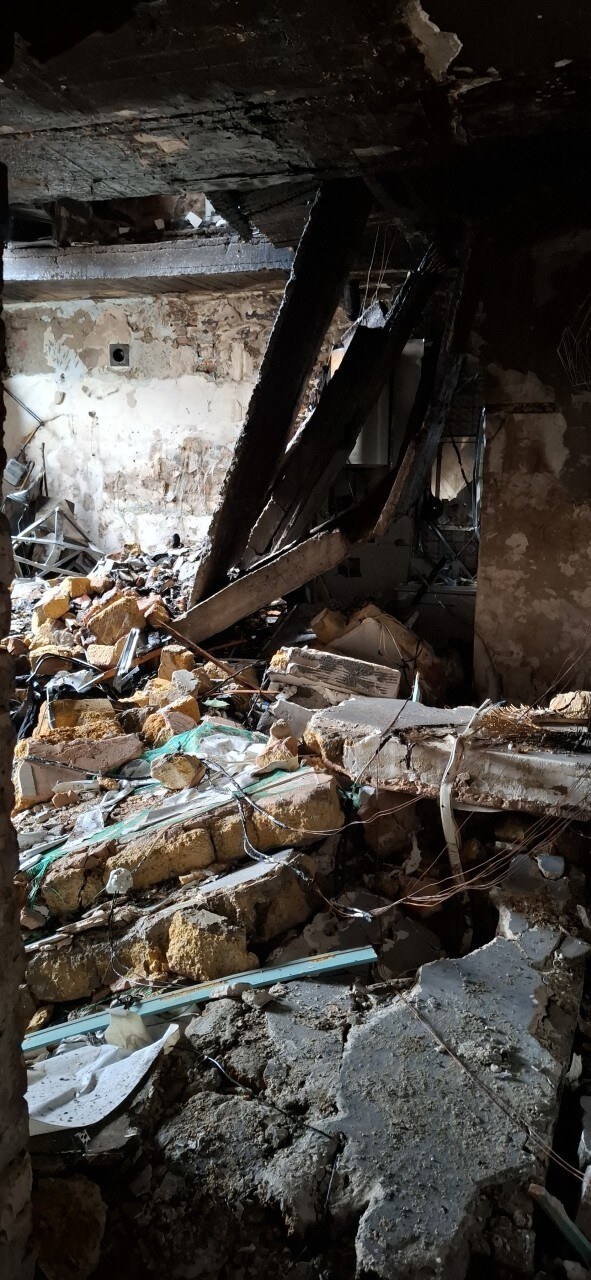
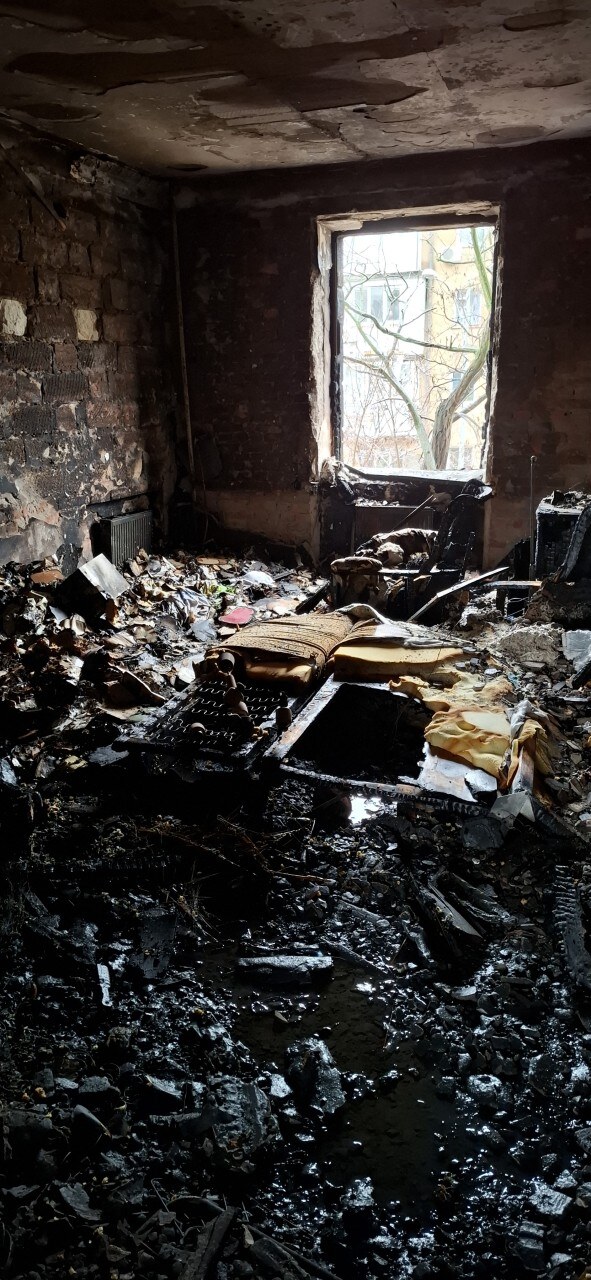
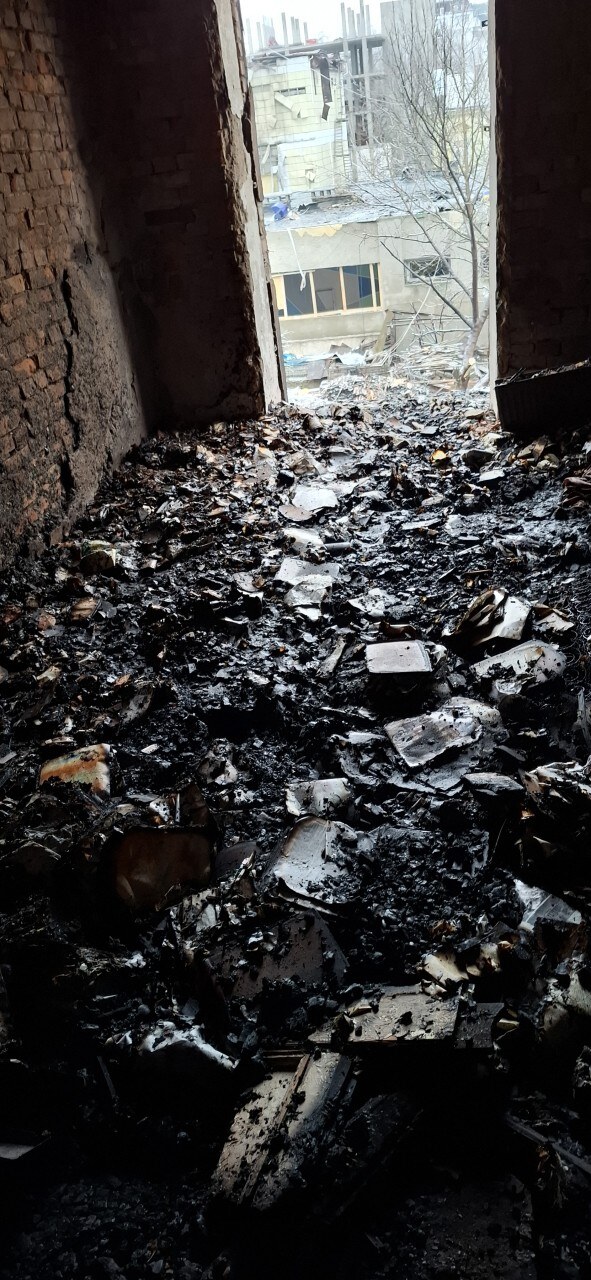
Alexander's house after the second hit
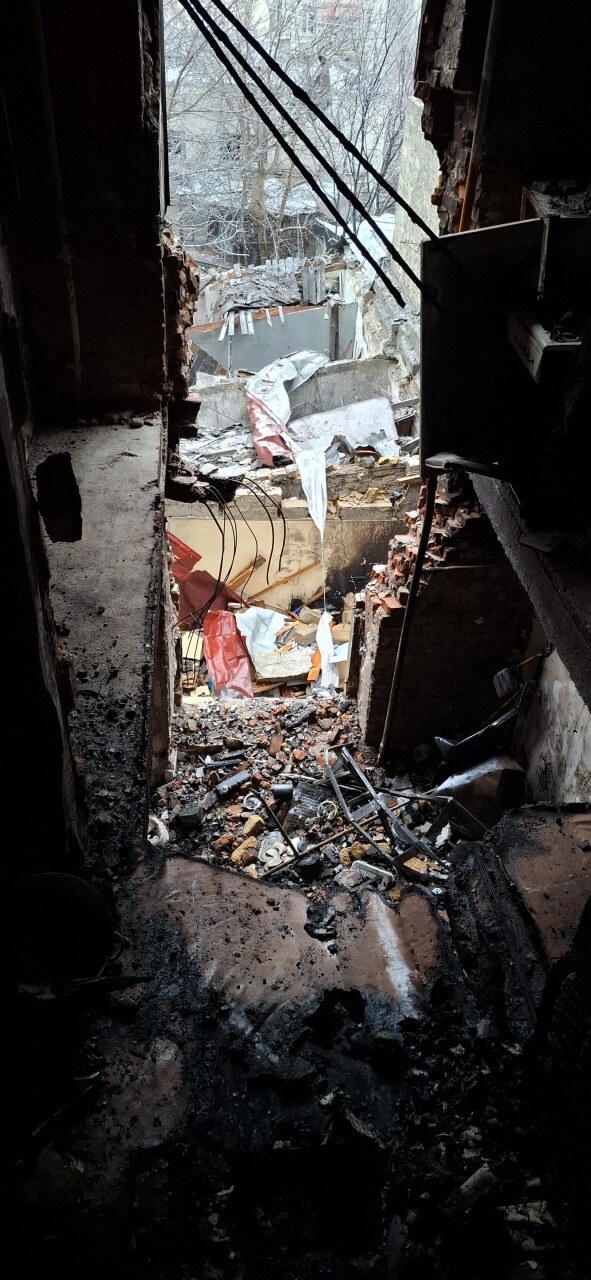
However, statistics proved powerless against Russian terrorism. Exactly two weeks later, on the night of January 26-27, a second attack occurred, the consequences of which were much more catastrophic. The explosion destroyed part of the wall of the building and the ceiling between the second and third floors. A fire broke out right under Alexander's apartment on the third floor, melting the sewer pipes on several levels.
"We also learned about this arrival from the news and also arrived almost immediately, but when we saw the scale of the destruction, we were even more shocked than the first time, because it was obvious that the matter would not be limited to simply replacing the windows," Oleksandr shared his emotions.
The scale of the destruction this time left no room for illusions about quick repairs. Oleksandr again went through the procedure of photo fixing and submitting applications, now waiting for a commission to determine whether the building's condition is critical.
"Today was one of those days when you don't know who to consider yourself: a super-unlucky person - because a pack of shaheeds flew into your house for the second time in 2 weeks and a bunch of apartments burned down, or vice versa, super-lucky - because you spent the night in the wrong place and miraculously remained alive and unharmed," Oleksandr wrote in his post after the second hit.
Rules of Survival
An algorithm of actions from Alexander, what to do after being hit.
Take photographs of all the damage, you will need this for various applications and reports;
Ask for help from utility workers who should be on site - they can provide assistance with clearing debris, temporarily closing windows (especially important during the cold season), and repairing the entrance door to the apartment;
Apply for "eRecovery";
Accept any help that is offered to you;
In the event of a very difficult life situation, you can open a bank and raise funds on social networks;
Consider what happened as a second chance in life and an opportunity to continue living no matter what.
This experience helped Oleksandr formulate his own rules of survival. First, he emphasizes the importance of a financial cushion , because state compensation does not cover all losses, and renting a new home requires significant expenses.
Secondly, Alexander notes the role of his own car , which allows him to quickly evacuate valuables to a safe place.
The most important lesson was the undeniable benefit of shelters . Oleksandr noted that those neighbors who did not ignore the alarm and went to the shelter remained unharmed. Those who stayed at home received cuts, fractures and ended up in hospitals.
"Life and health are the highest value. If you have a head on your shoulders and your hands don't grow out of your ass, then everything will be rebuilt and life will continue. The main thing is not to give up and move forward like a tank, no matter what," said Oleksandr optimistically.
Second chance
Despite the horror he experienced, Oleksandr does not lose his sense of humor. He jokes that now he has every right to add a line about "stress resistance" to his resume not for show, but as a confirmed fact of life.
Oleksandr urges everyone who finds themselves in a similar situation to accept any help, not to be shy about opening meetings, and to consider each such case as a second chance at life. His house is awaiting restoration, which could take months, but the developer himself continues to move forward.
"The life of a Ukrainian now is when four shaheeds fall and explode 10-20 meters from your house, you deal with the consequences during the first day, still in a state of shock, and the next day you return to work," the developer concluded.
You can help Oleksandr restore his lost home financially by following the link to monobank . If your home was also significantly damaged as a result of hostilities or enemy air attacks and you don't know who to contact, dev.ua published a separate large material with a step-by-step algorithm of actions on what to do in this situation.
Rockets and "shaheeds" are massively destroying Ukrainian cars. What insurance companies offer in this case and for what reasons they may refuse compensation: analysis dev.ua
"I have to live in a bombed-out house until the funds arrive. And when they will arrive is unknown." dev.ua collected the experience of IT workers while using "eVidnovlenie" and prescribed a step-by-step mechanism for receiving compensation for damaged housing