Хочете будувати кар’єру в Data Science та AI? Vodafone Big Data Lab відкриває новий набір —>
Олег ОнопрієнкоAround IT
4 November 2025, 09:00
2025-11-04
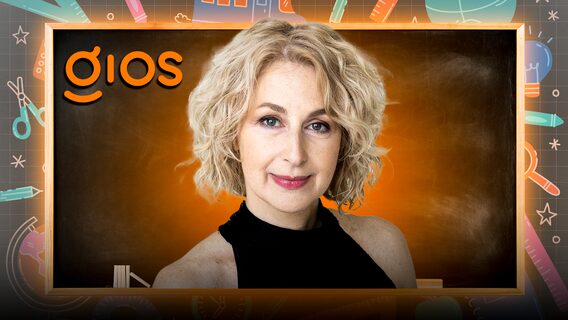
When learning becomes more interesting than playing. Interview with Natalia Limonova, owner of the EdTech startup GIOS, used by 160,000 children in over 30 countries
From a furniture business to an international EdTech startup. Natalia Limonova created the GIOS platform for learning STEM subjects with elements of gamification and artificial intelligence. We spoke with Natalia about the challenges in the education system and how her startup gained popularity thanks to "TikTok Style" lessons.
From a furniture business to an international EdTech startup. Natalia Limonova created the GIOS platform for learning STEM subjects with elements of gamification and artificial intelligence. We spoke with Natalia about the challenges in the education system and how her startup gained popularity thanks to "TikTok Style" lessons.
Natalia Limonova is the founder of GIOS (Global Innovative Online School). She has over 10 years of experience in education. Before founding GIOS, she co-founded several private schools in Kyiv and Lviv. Natalia is also the Chairwoman of the Board of ETech Ukraine, an association that unites all players in the ETech ecosystem.
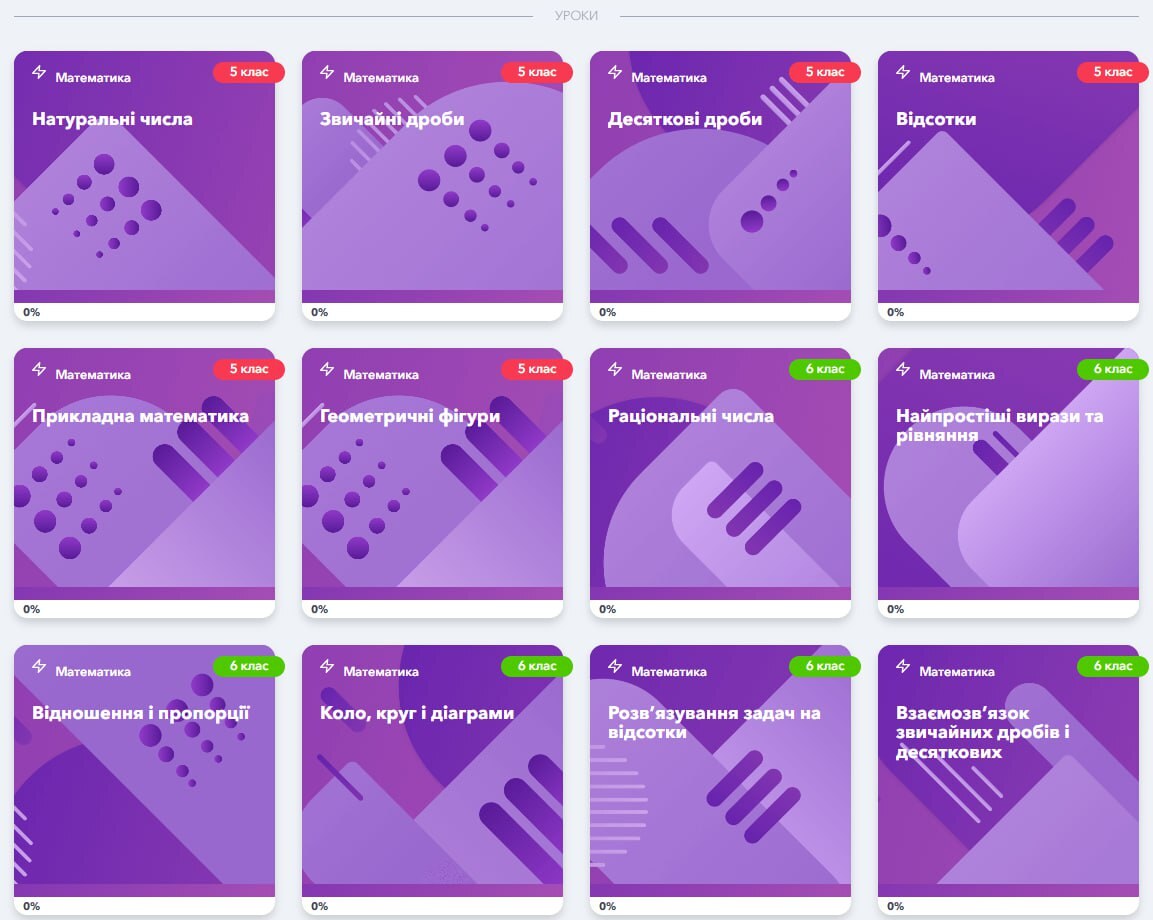
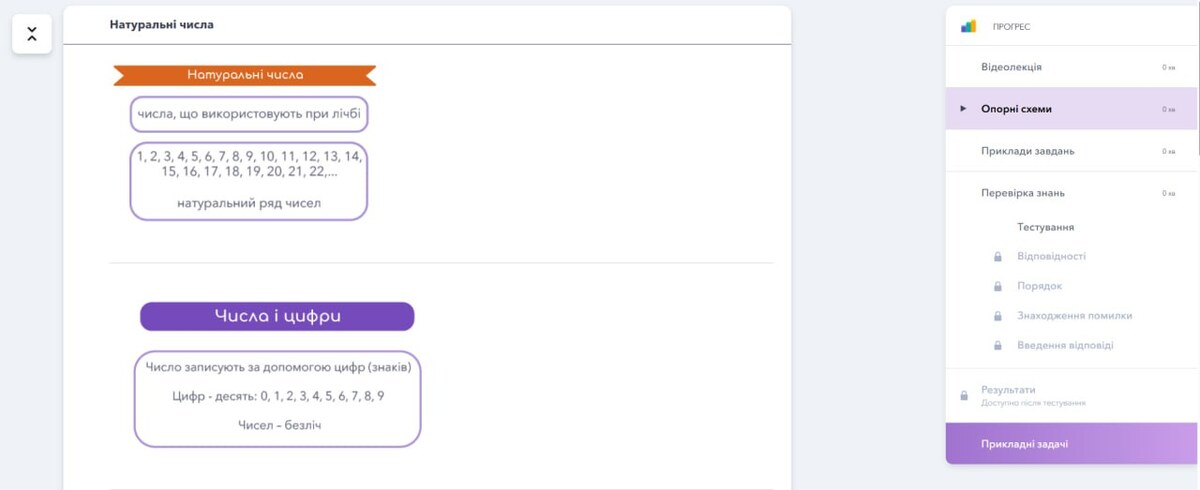
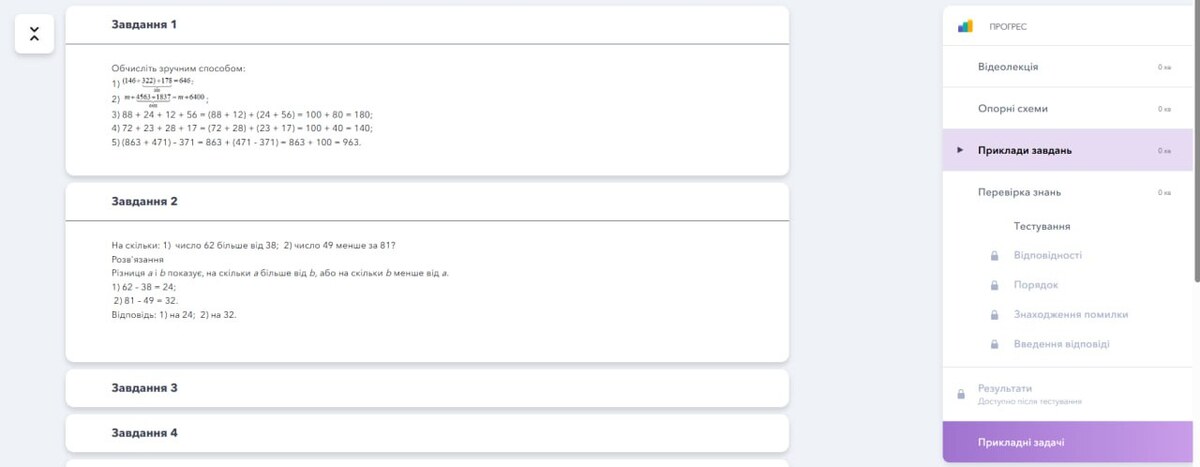
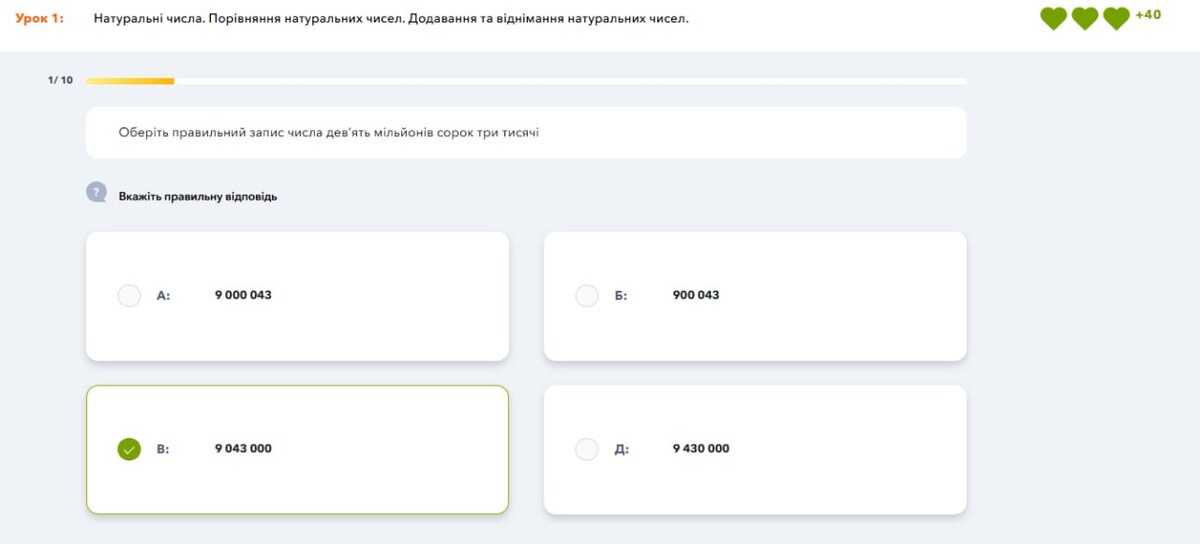
GIOS is an interactive platform with artificial intelligence, designed to teach mathematics and develop critical thinking for schoolchildren. The platform offers a comprehensive solution in a format that the company calls “TikTok Style lessons” — short, bright and interactive. GIOS courses cover the school curriculum from grades 5 to 11 (grades 3 and 4 are in development), as well as prepare for NMT and Olympiads. Currently, the platform has more than 160,000 registered users studying in more than 30 countries around the world. GIOS courses are officially approved by the Ministry of Education and Science of Ukraine.
— Tell us about yourself, what is your background, where did you study, what did you do before starting a startup?
My name is Natalia Limonova, I am the founder and CEO of GIOS. I have been in education for over 10 years. Before that, I was a co-founder of several private schools in Kyiv and Lviv. Even earlier, in a “past life,” my husband and I founded a furniture company that made furniture for children.
This is my third project, which is scaling and growing. I really like creating projects for the needs of our users. For example, we started a furniture business when our first child was born, and I saw that there was no normal children's furniture. When my children went to school, I noticed that their interest in learning was fading. At school, the main motivation of teachers was to prepare children for the state entrance exam, and as a mother, I wanted something more, so that they could reveal their talents to the fullest.
Later, I realized that there are over 1 billion children in the world who need interesting, modern learning. That's why we created the GIOS technology platform, which makes it possible to learn mathematics and develop critical thinking with pleasure.
— How does GIOS work?
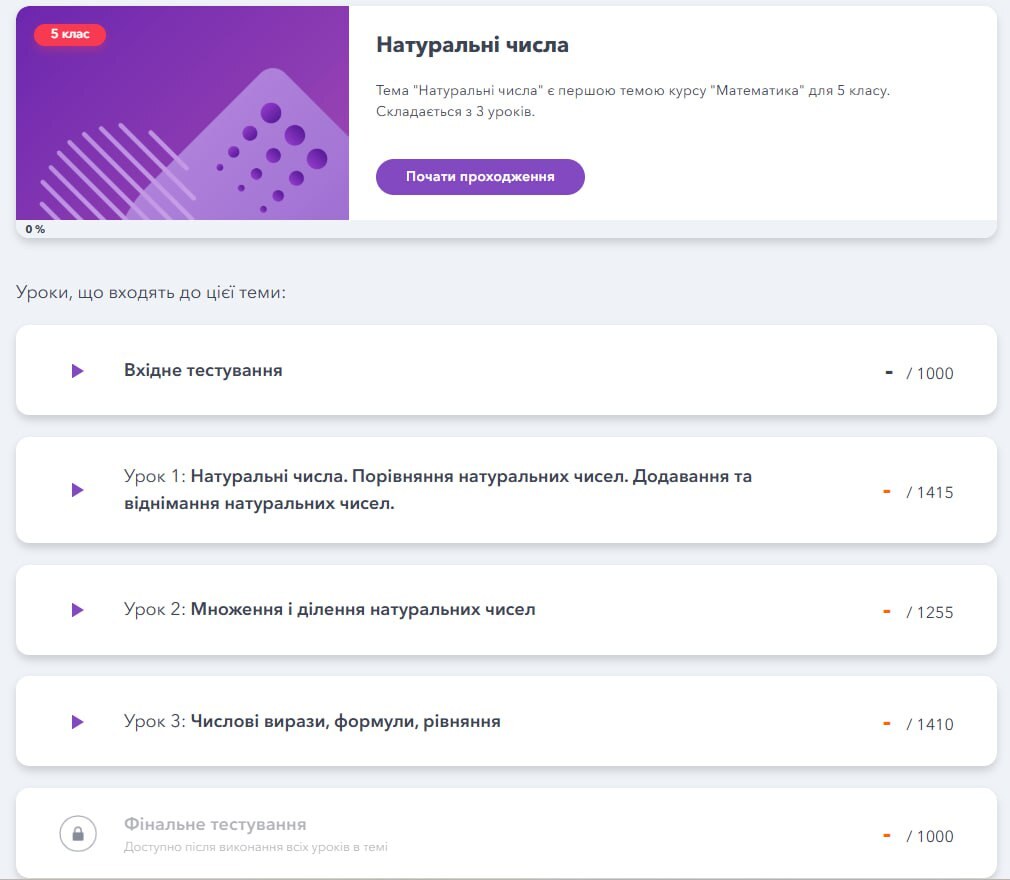
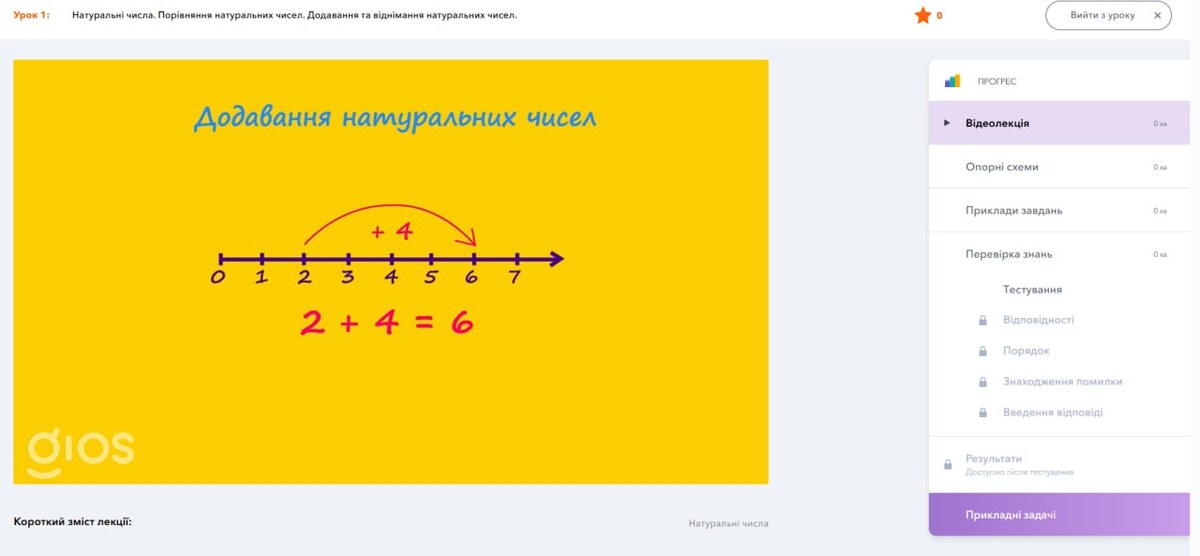
Our product fully covers the entire school mathematics curriculum, but we have enriched it with tasks for critical and logical thinking, interactive and applied tasks. We have created a platform that provides lessons in mathematics, a complex subject, in a format that we call TikTok Style lessons. These are short, bright, interactive lessons, with questions and practical tasks. We want to be more interesting than TikTok under the desk.
In addition, we help teachers implement new technologies in the educational process through our platform. The teacher is no longer the only source of information; he should be more of a mentor, a tutor. Technological tools like ours help make learning as effective and individualized as possible. We have a whole community of mathematics teachers, currently over 3,000 people in Ukraine. We hold webinars, seminars, and conferences for them, teaching them how to use digital tools, including the GIOS platform, for modern teaching.
— What is your opinion on the problem of the aging teaching staff and the issue of involving young people in education in Ukraine?
This is a huge problem that needs to be addressed at the state level right now. The status of teachers today is very low, and the passing score for teaching professions is often low. To overcome this, it is necessary to raise the status of teaching, and for this it is necessary to raise teacher salaries and attract young specialists with other methods of payment and financing. Also, university courses do not meet modern demands. We need to find our own way, as countries with high PISA indicators (for example, Estonia, Finland) did, which started precisely with the renewal of teaching and the creation of creative laboratories.
The main thing is to understand the psychology of modern children. Now the idea has taken root that online learning has reduced the level of children's preparation. But we show by our own and world example that there is high-quality distance learning.
It is worth noting that a large percentage of our teachers are of pre-retirement or retirement age. Although there are teachers “from God” of not young age who study on our courses because they see that children are not interested in traditional education. But of course, there are also teachers who are even afraid to open the modern donated equipment because they do not know what to do with it.
— Do you cooperate with the state in the field of education?
It is our dream that the state would not reinvent the wheel, but would introduce a true public-private partnership and involve existing innovative EdTech solutions.
We are currently working to ensure that the digital ecosystem is not the monopoly of one state player. We have our first active cooperation with the state - we have certified our GIOS as an electronic mathematics textbook. Schools that have ordered the corresponding textbook can receive our application for state money.
— How do parents and teachers respond to GIOS?
There is a lot of feedback. We measure results through entrance and exit testing. On average, academic performance increases by 43% in two months, and children's engagement increases by 90%.
We hold the Play Math competition annually with the support of the Ministry of Education, Science and Technology and the Ministry of Digital Economy. This is a gamified marathon where children can practice for free, compete for points, avatars and places on the leaderboard. In addition, we award children with Chromebooks and other prizes for first places in the competition, and children have additional motivation to study. The child practices during the day, and at night the leaderboard results are listed on the platform servers. In the morning, he runs to look at his place in the ranking and starts practicing again to get to the TOP and get a reward, while improving his knowledge and feeling involved in the large GIOS mathematical community. As a result, the child practices mathematics every day with pleasure and excitement.
18,000-20,000 children from all over Ukraine and 30 other countries come to our competitions. We see how children, motivated by the competition, complete a year-long math course in two months. This is a real tool for overcoming educational losses.
We were struck by the fact that 70% of the children who studied were from frontline areas. They study even in bomb shelters when there is no electricity, and according to the teachers, it also improves their mental state, as they switch their attention from the scary present to the interesting process of learning.
— What age groups do you work with?
The largest group was high school (grades 5–9) — this was our main audience and at the same time the most difficult target group (teenagers), who begin to fail in mathematics (algebra, geometry).
Now we have expanded the line to high school (grades 10-11 are already available) and are going into fourth and third grades.
— How many people work in the GIOS team?
We have a small but very ambitious team. Eight people work full-time, and three more are joining in the process. We have a very talented CTO.
We have already implemented elements of artificial intelligence for content generation, for example, the AI Challenge of the Day, where logic tasks are generated daily. We are currently developing an AI Tutor, which will help children answer questions and explain the material.
— Tell us about the financing of the project.
We started with my own funds, which I invested after leaving the offline schools project. Later, we attracted funding from business angels and a venture fund.
Since this is an impact project, we also started to attract grant funds. We received grants from Google for Startups, as well as from European projects such as Social Tides, Seeds of Brewery, and the Ukrainian Startup Fund.
— What are your plans for the future and scaling?
We want to scale to international markets, especially European ones. We are currently conducting active negotiations and implementing pilot projects. We are cooperating with Romanian and Bulgarian schools, and are also negotiating a project between Ukrainian and British schools. Since our content was bilingual from the beginning (Ukrainian and English), we will be doing language adaptation to actively enter new markets.
We are also looking at expanding our target audience — not just schools, but also corporations that can influence change. We have expanded our offering beyond math to include chess, financial literacy, English, some IT areas, and psychological support.
The dev.ua journalist also spoke with GIOS CTO Sergey Kotlyarov about how the company is implementing artificial intelligence.
— What challenges did you face when implementing the AI tutor?
The first difficulties are that at the moment artificial intelligence is not as perfect as everyone thinks. A person is still needed, for example, to generate content. AI itself generates content, but it needs to be checked, because hallucinations occur - this is a very common phenomenon. We solve this with technical life hacks and experience.
We also encountered the fact that our expectations, for example, regarding the video part (graphic part), did not correspond to reality. You watch the presentation of the models - it seems that there is a super effect, but in reality it is not so simple. There is no such magic wand that once and for all a great video will be made according to the script.
You need to divide the process into parts: break the script into small pieces, generate intermediate frames, generate video pieces, and then put it all together.
— What major language models do you use?
We mainly used Gemini 2.5 Pro. It is the most optimal for large generations, as it thinks without rushing and gives deeper answers. For audio, we used Eleven Labs, and for frame generation, Midjourney. We also used GPT-5 to generate the description, that is, the prompt for the frame. We generate the frame itself through Sora or similar tools, because we have tried a lot of things. We take a frame from Midjourney, and in Sora a small video is made with the prompt, and the audio is added through Eleven Labs.
— How does the process of verifying generated content work?
The text requires proper prompt engineering and, most importantly, proper output structure. Re-verification is always required: one AI generates, another checks it, and it is checked again. If something is wrong, re-generation occurs.
Regarding the verification of information, this is what the teacher-methodologist does. He proofreads and makes the final verdict, whether it is correct or not. If it is incorrect, we start re-generation. In this way, we free people from routine, because otherwise the teacher would have to come up with and write content himself. This allows us to increase the speed of creation and the quality of content.










Дуже цікава стаття, сама навчалась у цій школі, та отримала лише приємні враження. Дякую такій інноваційній школі як GIOS!