Хочете будувати кар’єру в Data Science та AI? Vodafone Big Data Lab відкриває новий набір —>
Марія БровінськаІсторії
16 December 2025, 08:52
2025-12-16
“I regret not starting my business right after university.” Ukrainian created fintech startup for sailors Kadmos and sold it to the Japanese: how it was
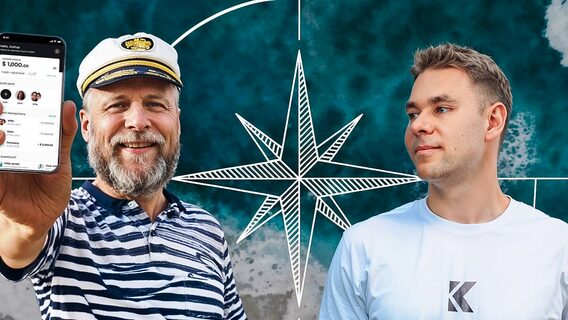
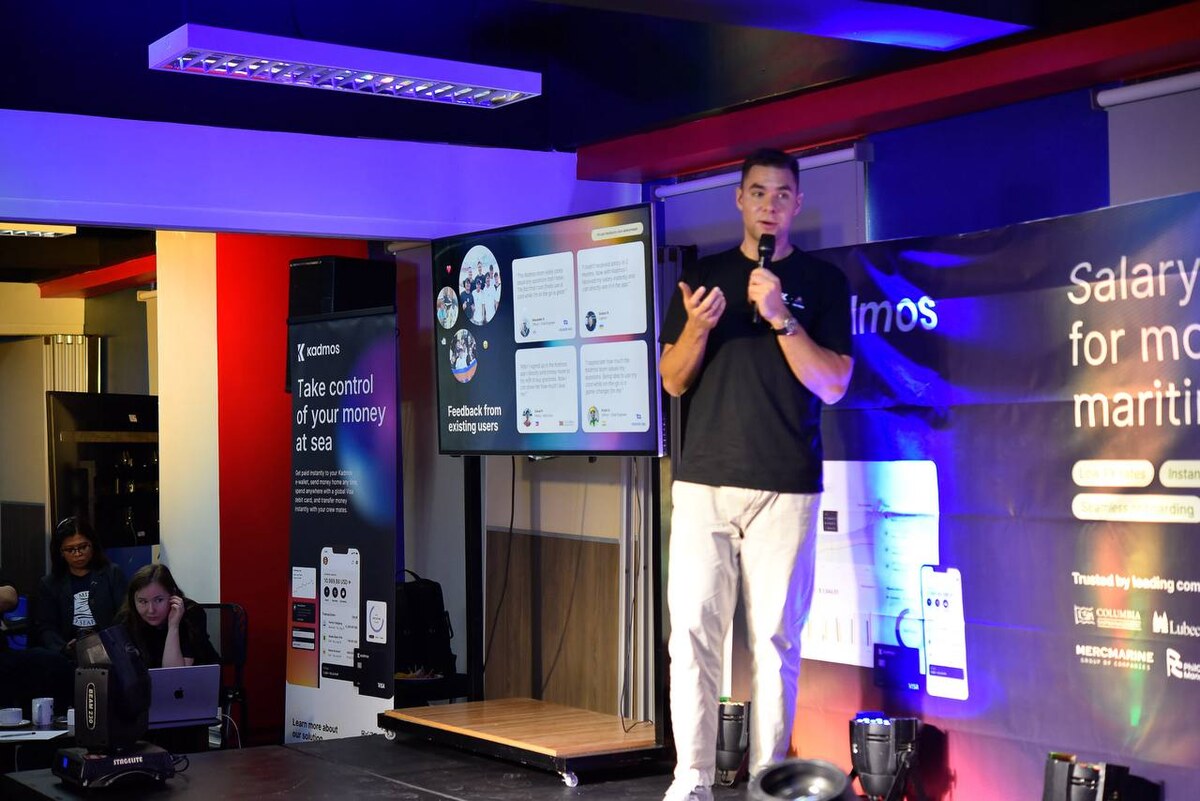
How many Ukrainian startups are bought in the Far East? Units. And today’s hero of the interview is Sasha Makarovych, the founder of the Kadmos startup, which he sold to a Japanese company last year. His service simplified salary payments to sailors and became one of the few global solutions in this industry. dev.ua asked Sasha about his childhood and youth, his first business attempts, the creation of Kadmos, and the sale of the service to the Japanese. The entrepreneur also gave advice to Ukrainian startup founders based on his own experience. What follows is his direct speech.
How many Ukrainian startups are bought in the Far East? Units. And today’s hero of the interview is Sasha Makarovych, the founder of the Kadmos startup, which he sold to a Japanese company last year. His service simplified salary payments to sailors and became one of the few global solutions in this industry. dev.ua asked Sasha about his childhood and youth, his first business attempts, the creation of Kadmos, and the sale of the service to the Japanese. The entrepreneur also gave advice to Ukrainian startup founders based on his own experience. What follows is his direct speech.
Farmer’s son
I grew up in Kamianets-Podilskyi, an urban-type settlement between Zaporizhia and Berdyansk. It was once called Kuibysheve, Bilmak, and then Kamianka. It is now occupied.
My dad is a mechanical engineer by education. He built an agribusiness from scratch. He managed the land, equipment, and shareholders. By 2003, he had almost 25,000 hectares, but this enterprise was taken away by raiders. At the time of the occupation, he had about 2.5 thousand hectares. He grew lentils, wheat, sunflowers, and other crops.
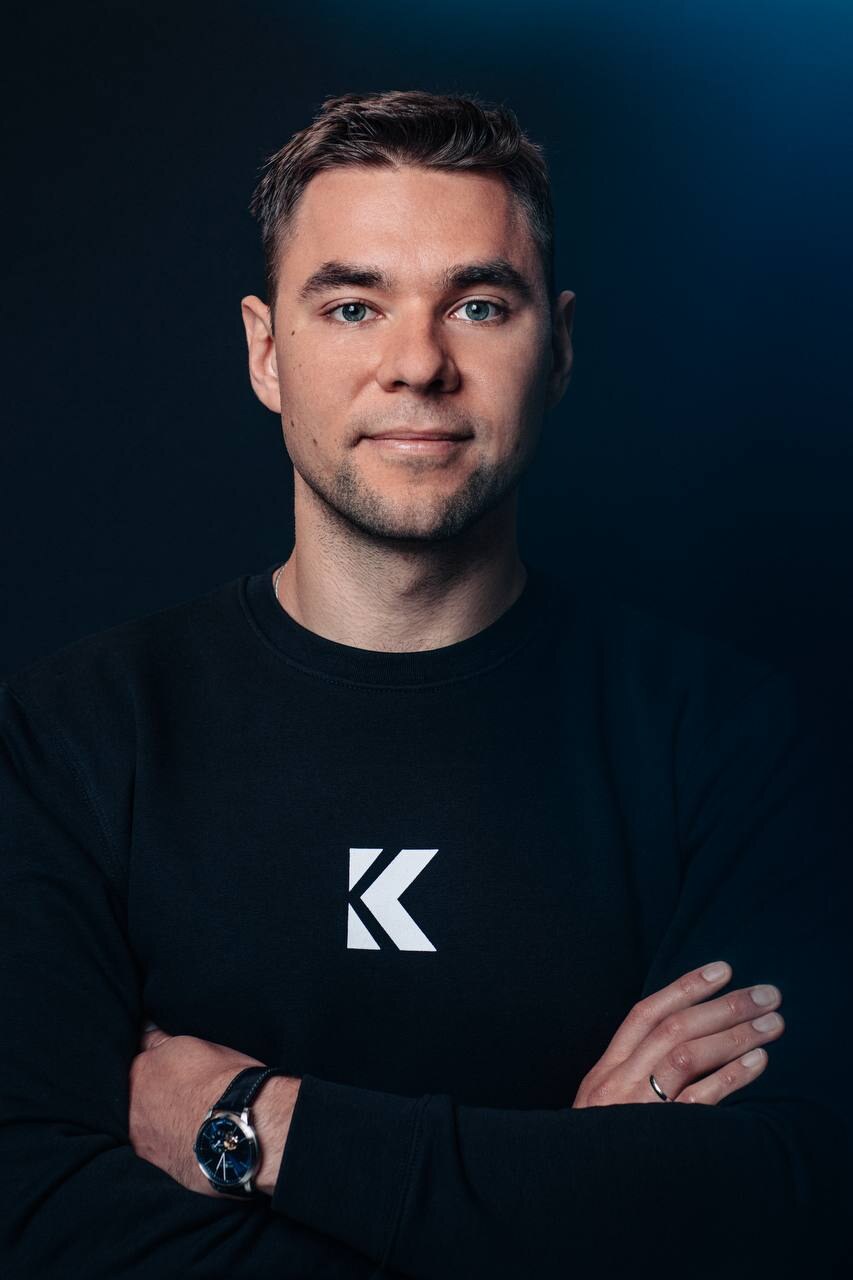
Sasha Makarovych
My mother was an accountant by education and ran a cosmetics and perfumery store. Entrepreneurship was a common thing in the family.
As a child, I thought about being a firefighter, a lawyer, a construction worker. Then I wanted to be a trader, so I went to study at MIT. Already there, I realized that trading was not for me.
«I wanted to study abroad»
Sasha Makarovych
I studied at a regular school in Kamianets-Podilskyi. Then I entered the Faculty of International Business at the Educational and Scientific Institute of International Relations of the Kyiv National University, where I received both a bachelor’s and a master’s degree.
At the same time, I did an internship at Ernst & Young, but realized that auditing was not for me. I wanted to study abroad and in 2016 I went to MIT, where I received a master’s degree in finance.
I chose this direction because of Nassim Taleb’s book «The Black Swan», which greatly changed my attitude towards risks and financial thinking, and towards life in general. After reading it, I wanted to understand this more deeply.
I’ve always been drawn to games and data. In school I wrote a bunch of video game reviews. At MIT I got into data science and ML. At some point I combined the two and ended up in gaming, at Massive Entertainment.
I definitely had entrepreneurial inclinations. Every year on January 14, my dad and I would give generously to all his friends. I would teach poetry, sow seeds, and collect cash. At the age of twelve, I brought one and a half thousand hryvnias to school and was sure that this was already a serious business.
In general, I was constantly looking for an opportunity to earn something in the summer. I worked in the fields, painted pig sties, took on any job. It seemed normal — because it was nice not to have to ask my parents for money.
«Drop everything, let’s start our own company»
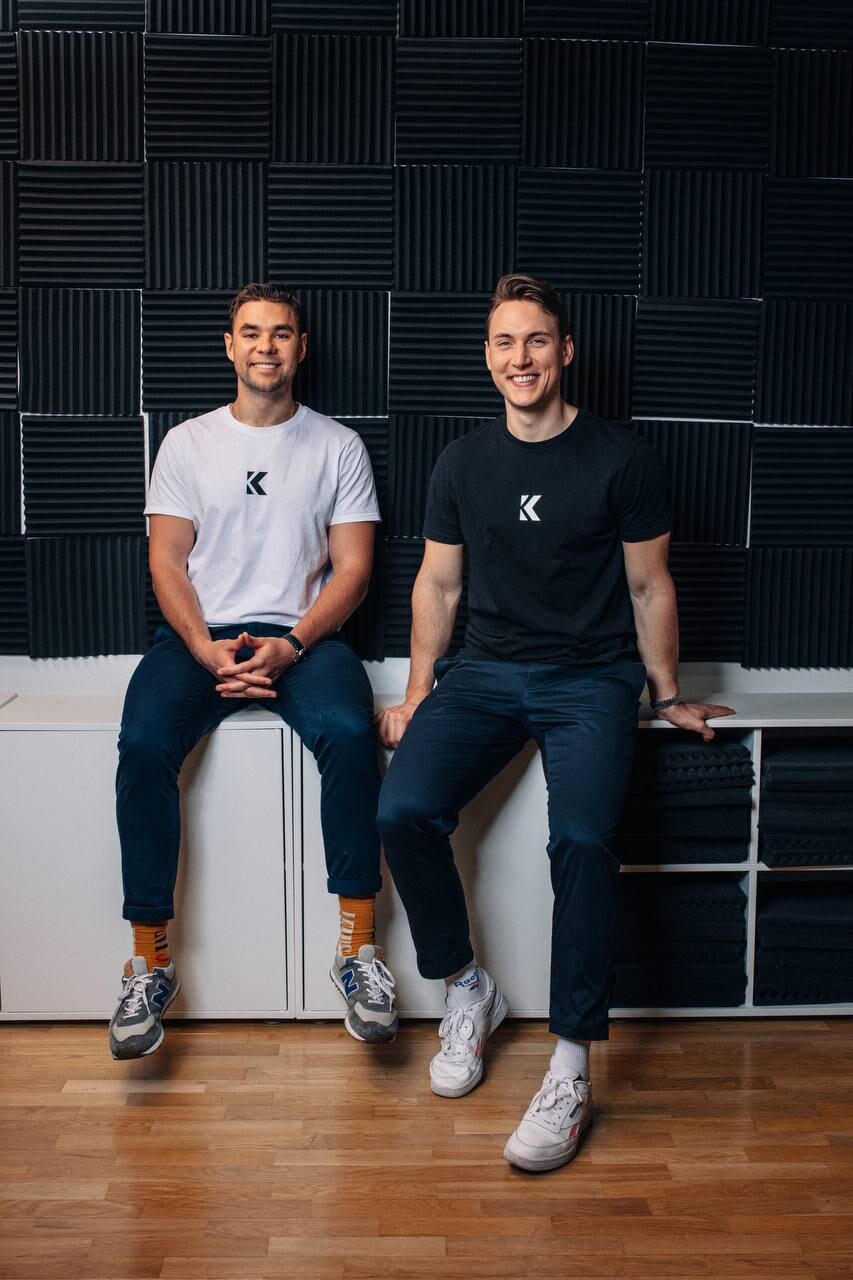
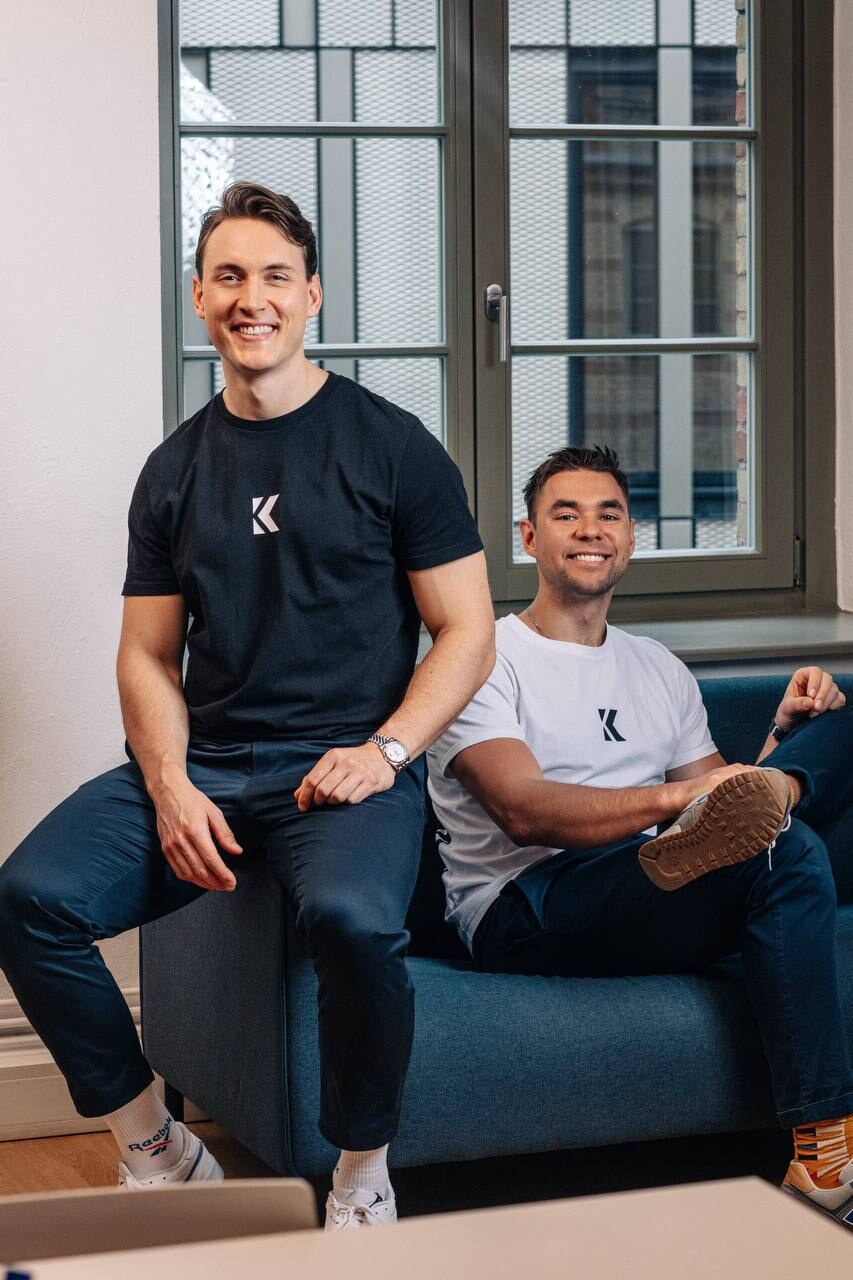
Sasha Makarovich and Justus Schmüser
There wasn’t a specific moment when I decided I wanted to create products. It came gradually.
The year I remember best was 2020. I was working at the London-based game studio Rocksteady, part of Warner Brothers. I called my friend Justus, who I studied with in the States, and said: drop everything, let’s start our own company.
The main thing was that we wanted to work together and build something of our own. Everything else came later.
At school, a friend and I made a website about the video game Dragon Age: Origins, which wasn’t even released yet. He wrote the code, I made the content. We did it for a year, and before the state entrance exams we simply sold the website to an affiliate network. The money wasn’t much, but the fact of the deal seemed like a big deal at the time.
Then there was an attempt with a wine subscription, Smart Wine. It was my friend’s idea, I became the first investor. We tried to promote it for a long time, but the business did not take off.
After that, Kadmos appeared, which became the third and, in fact, the first serious attempt.
IT login
Justus Schmüser and Sasha Makarovych
I came to technology without a big plan. Justus and I just really wanted to work together and in 2020 we were looking for something to do. At first we thought about a land-related business in Ukraine, we talked to funds through friends.
But we quickly realized that no one would give us enough funding to buy a normal amount of land. And we started thinking about what to do next.
And then it all happened by chance. A relative from Mariupol, who worked on a Greek container ship, called me and told me how the sailors were paid. I listened and thought how this was even possible in a world where there is Revolut and Monobank.
I told Justus about it, and we both realized that this was the problem we wanted to solve. And so the first impetus for Kadmos came.
My experience in video games has influenced me the most. There, no one expects a perfect plan, but creativity and rapid iteration are valued. I am used to working in the same way — leaving room for experimentation and not getting hung up on details.
The second thing that changed me a lot was the book «Black Swan,» which I already mentioned. It made me understand that great opportunities come unexpectedly, and you have to be ready to seize them.
And the third is my family. My parents have always been in business, where everything changes every year. I saw this from childhood and learned to take risks very calmly. I am comfortable with instability, because I cannot imagine any other reality for myself.
The path to Kadmos
We really initially wanted to raise a fund and buy Ukrainian agricultural land.
But for most funds, Ukrainian agriculture seemed complicated and incomprehensible, and they were definitely not ready to enter this project with beginners. Therefore, it became clear that they simply would not give us money, and we abandoned this idea.
We didn’t come up with the idea for Kadmos right away. After trying our first fund, it became clear that venture capitalists were interested in us as a team, but they needed a simple technology idea with a small budget.
At that time, we met in Berlin with a pre-seed partner of the Atlantic Labs fund, Christoph Meyer. He said that he was ready to support us if we found an idea.We came up with many proposals, one of which was related to the personal story of my relative from Mariupol. He worked on a container ship and told how salaries are still paid in the maritime industry.
Some of it goes through international transfers across borders, which is slow and expensive. The rest is paid in cash to seafarers on board. The cash has to be physically delivered to the ship, which is constantly moving. This creates enormous costs, risks, and a lot of manual labor for the crew. In 2020, it looked like a system from the past.
Through my partner’s parents, we were introduced to one of the largest employers of seafarers in Sri Lanka. He confirmed that the problem was indeed painful and that a solution of this magnitude was a great opportunity for the entire industry.
Justus and I were in a good position to do this. Investors trusted us, we tested hypotheses quickly, and we weren’t tied to the old rules of the market. This gave us the confidence to get started.
How Kadmos works
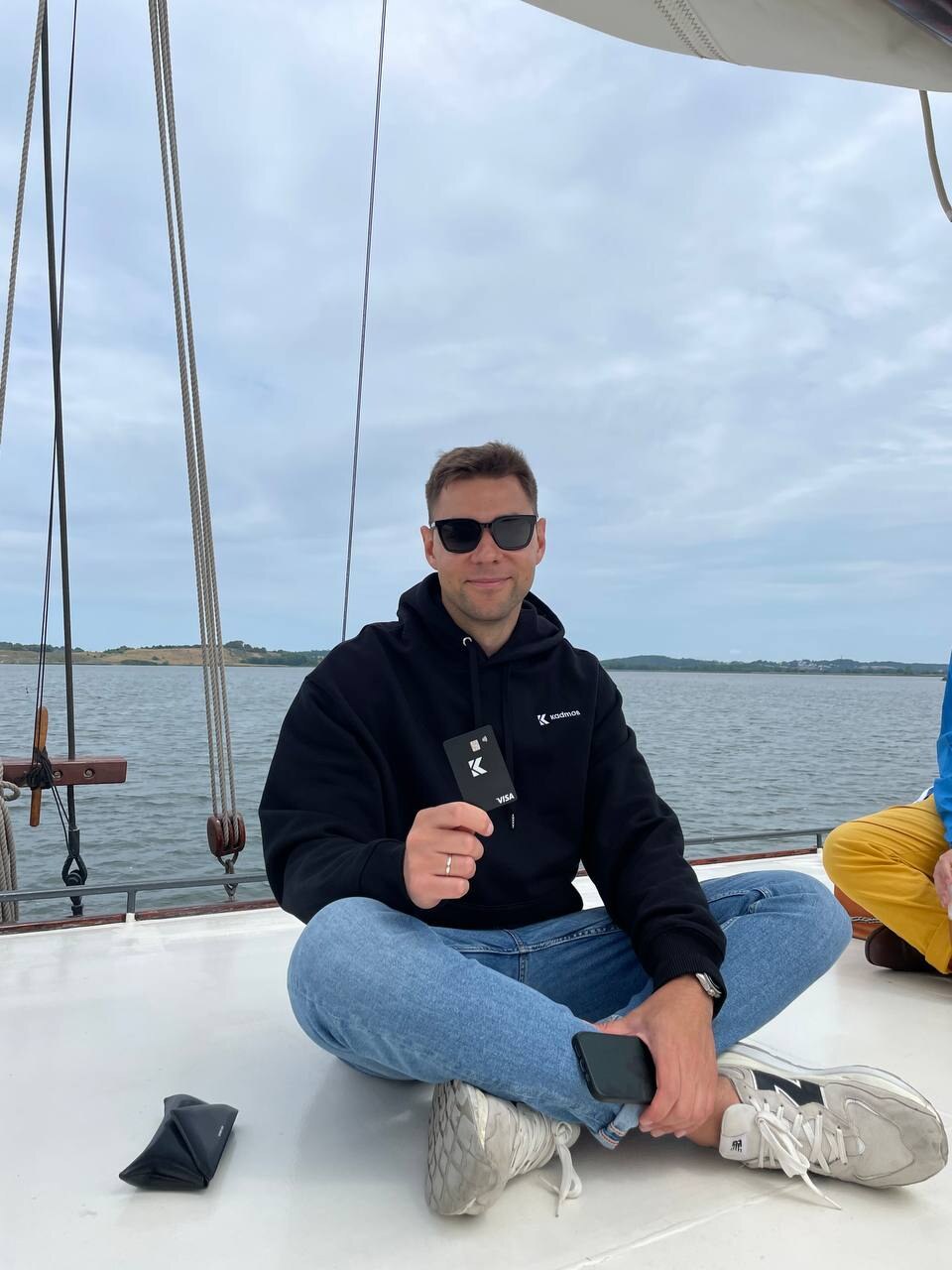
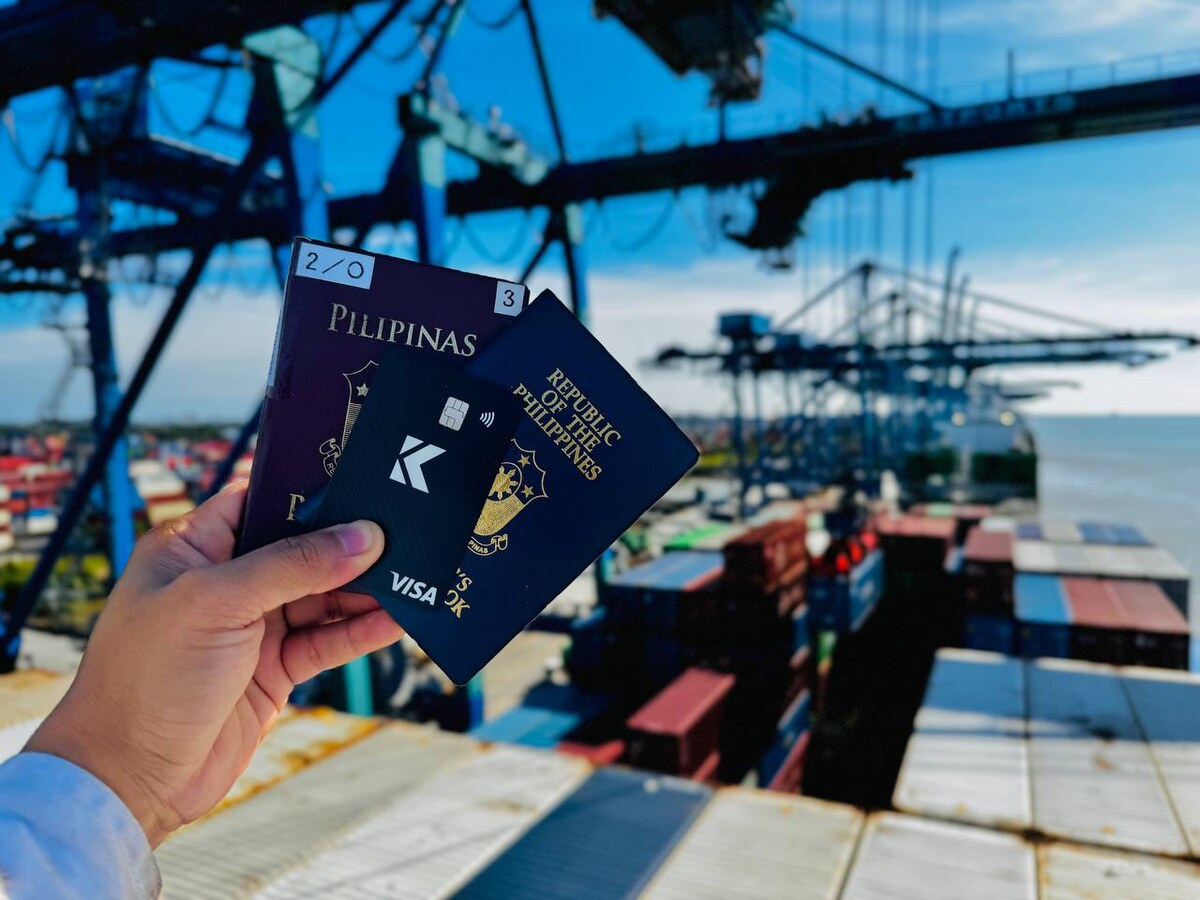
We built three products from the beginning: Kadmos Company Portal, a web portal for companies that indicates who to pay and how much, as well as a mobile app for seafarers and a card that they can use to pay or withdraw funds without the need for cash.
The company generates payments through our portal. The sailor is verified in the application and receives money on a mobile wallet. He can then transfer it home or use a card.
We received the first money for the startup from our first investor, the Atlantic Labs fund in Berlin. In February 2021, they invested 700,000 euros in us in a pre-seed round.
After that, in December 2021, we raised a seed round of 8 million euros from the American fund Addition.
And in June 2022, they raised 29 million euros in Series A from the British fund Blossom Capital.
We founded a company in Germany, hired a CTO, and started building a team. From February 2021 to the end of the year, we grew to 8-9 people, and then gradually increased our headcount. In 2022, hiring was very active, and in 2023, it was calmer.
Biggest challenges
The biggest challenges were operational. We were dealing with German labor law and learning how to work with European regulations in fintech. All of this had to be mastered right on the spot.
At first there were two of us. Then a strong CTO came along, and for a while we only hired engineers. When the team grew to ten people, we added product, operations, sales, marketing, and finance.
We thought we could build everything on Banking-as-a-Service through Rapyd and it would be easy. In reality, issues with compliance, banks, and regulations arose all the time. It just got easier over time.
There were many such moments. What saved us was that they never coincided with mine and my partner’s. When one gave up, the other held on and vice versa. This made it possible to get through the most difficult periods.
That’s why I’m truly grateful that I had a cofounder. Without him, everything would have been much harder.
What made the startup take off?
Sasha Makarovych
We found people very early on who had worked in shipping their whole lives. The first angels and clients actually took us through the industry, showed us how things work, and where the real problems were. It gave us a deep understanding of the market that we wouldn’t have had otherwise.
The uniqueness of the product lies in the fact that there are almost no such solutions in the world, and the market is actively moving towards digital solutions and the abandonment of cash.
We quickly built what companies and sailors asked for, and we provided 24/7 support. Our competitors didn’t have that — this immediately gave us an advantage.
Selling to the Japanese
The Japanese weren’t the only ones who wanted to buy Kadmos. There were several bidders, and we went through a thorough process to choose the best option.
We met the NYK Line team through their Marco Pay product, which worked for Filipino seafarers. They are one of the largest shipping companies in the world with a fleet of over a thousand vessels. We liked their approach and vision.
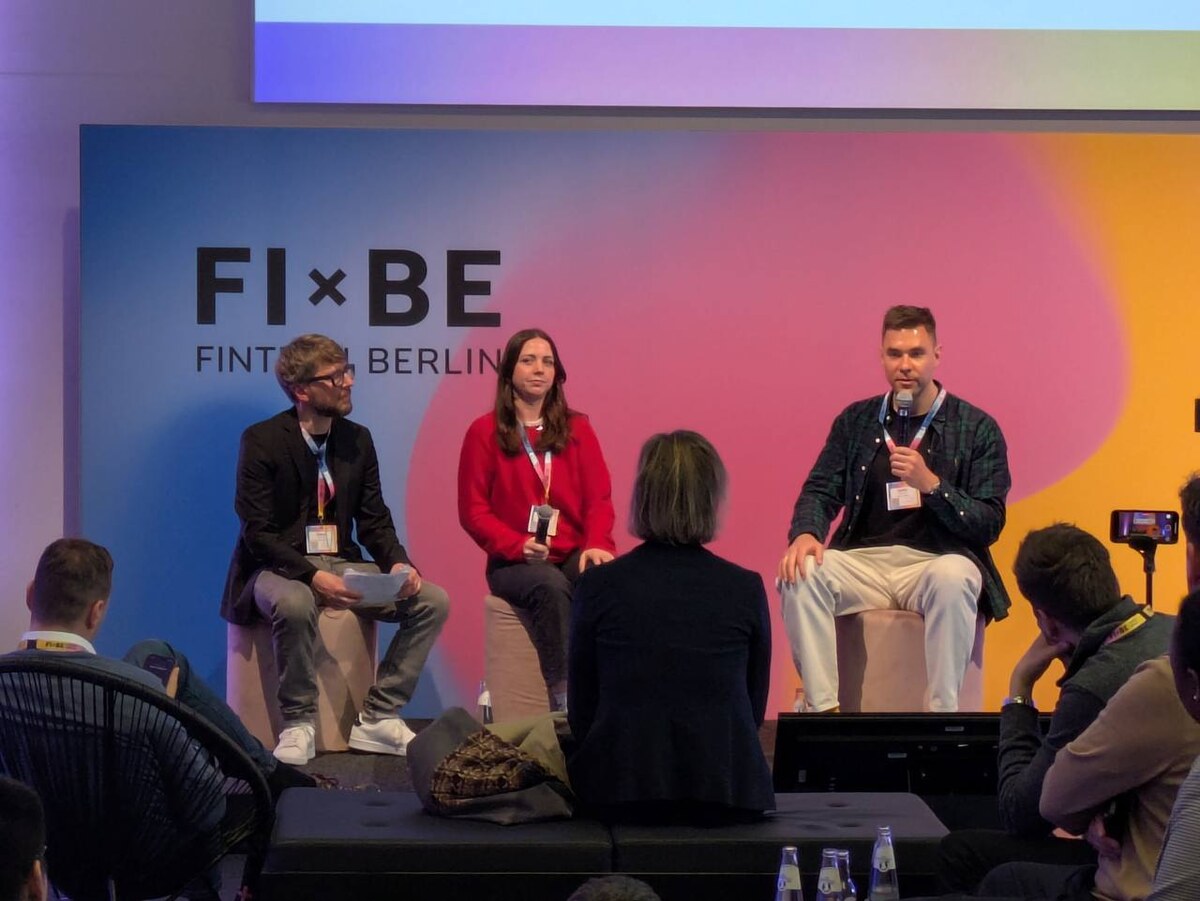
They wanted to go global and were looking for partners. The meeting took place at Crew Connect in Manila, the largest maritime conference.
It took a little over six months from the start of negotiations to the closing of the deal. I finally believed that everything would happen when we signed the documents at a notary in Germany.
We haven’t adapted the product to Japanese culture yet. The team remains the same, the road map too. So far, we are working as planned and are just starting to work together with the Japanese side.
The biggest challenge is the communication style. The Japanese are very polite and rarely speak directly. You often have to read the subtext and understand that behind a mild phrase there may be disagreement or a request for something to change.
There is little emotion in negotiations, but they are very receptive to logical and structured explanations. Negotiating is easy if you clearly argue your position.
Tips and lessons
I would have told myself 10 years ago to start my own company right after university. In your own business you learn many times faster than in employment. It’s not a fact that it would have been the ideal path, but I regret not trying earlier.
The advice I can give to Ukrainian founders planning to work with Asian markets is simple. The Japanese are not interested in big stories about visions. They care about numbers, clear plans, logic, and realistic steps. This is a completely different style of communication than with Americans, and you need to adapt to this.
And about the mistakes we learned from. The first mistake was hiring too quickly. We grew early and broadly, and then had to downsize. The team should only appear when it is really needed. The second was not paying enough attention to culture at the start. It needs to be built right away.
When I’m asked what a company’s culture should be like, I always think of the movie «Ocean’s 11.»
Everyone has their own unique abilities, everyone clearly understands the common goal, and together they do what is impossible individually. For me, this is the standard of what a truly strong team looks like.
«We do not plan to leave Ukraine or relocate.» The story of a Ukrainian who launched the EdTech startup JayJay in Indonesia and has already taught 8,000 students digital professions
«I was tricked by the same recruiter as last time.» The story of an IT guy who stepped into the same river three times — got a job at SoftServe — and doesn’t regret a thing
«I harnessed myself and plowed in so as to earn experience, reputation, website ranking, and money.» The story of an IT professional who earned enough money to buy a house in the village in a year and now works with Americans and artificial intelligence to the sound of roosters crowing in the background