Хочете будувати кар’єру в Data Science та AI? Vodafone Big Data Lab відкриває новий набір —>
Олексій ДзюбаWar
22 January 2025, 09:01
2025-01-22
Taiwan's isolation, underwater sabotage schemes, Starlink's weakness and how Ukraine can reach Africa. Interview with the country's top expert on submarine cables
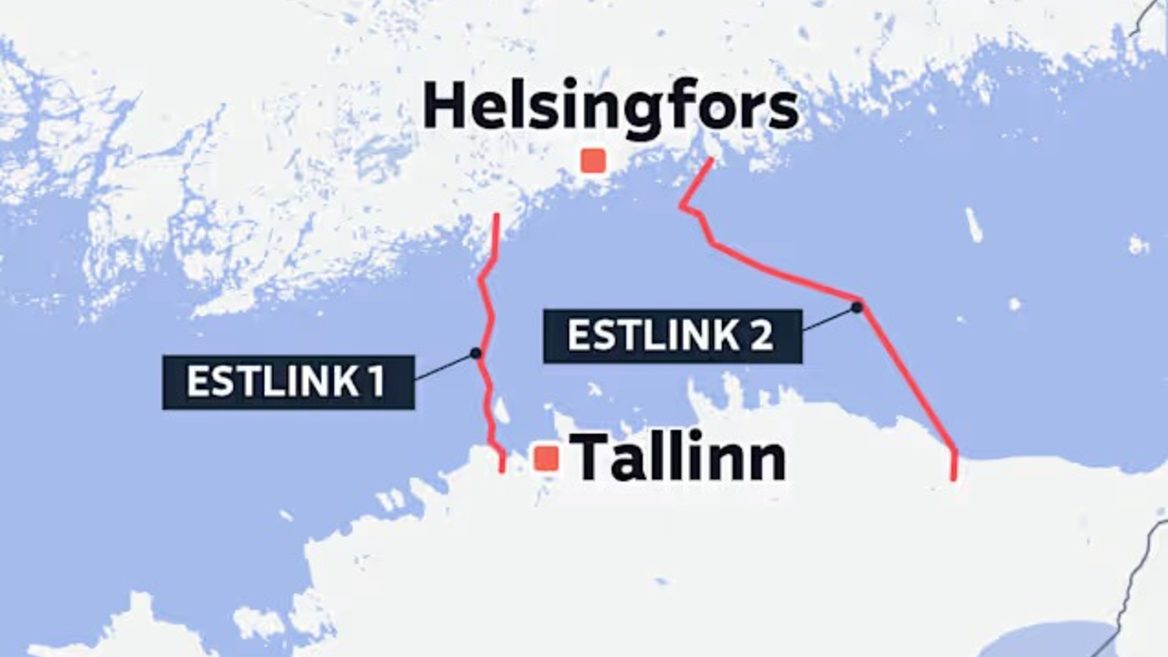
Last week, NATO announced the launch of the Baltic Sentinel mission to oversee infrastructure security in the Baltics. The fact is that in the past two months alone, several submarine cables between Lithuania and Sweden, Germany and Finland, and Estonia and Finland have been damaged.
A similar unpleasant story recently happened with Taiwan, which will now more carefully guard underwater communication cables near the island from the actions of suspicious ships. The measures are being introduced after damage was caused to a China-linked vessel by one of them.
With over 95% of Internet traffic passing through undersea cables, which support $10 trillion in financial transactions every day, the world is deeply concerned about such sabotage.
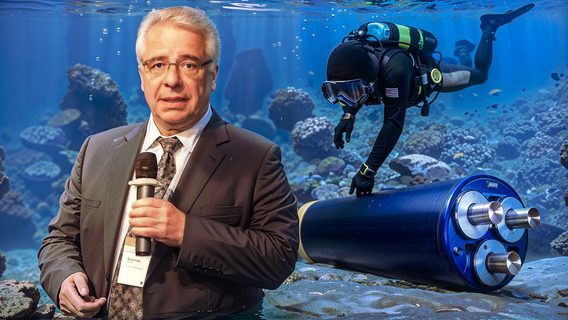
We contacted Professor and Chief Advisor on Scientific and Technical Policy of Ukrtelecom, Viktor Katko, who is perhaps the only expert in Ukraine specializing in the topic of submarine cables and has been studying them for over 30 years. We talked about the durability of such infrastructure, possible negative scenarios in case of its serious damage, and how Ukraine can develop the submarine network after the war.
Last week, NATO announced the launch of the Baltic Sentinel mission to oversee infrastructure security in the Baltics. The fact is that in the past two months alone, several submarine cables between Lithuania and Sweden, Germany and Finland, and Estonia and Finland have been damaged.
A similar unpleasant story recently happened with Taiwan, which will now more carefully guard underwater communication cables near the island from the actions of suspicious ships. The measures are being introduced after damage was caused to a China-linked vessel by one of them.
With over 95% of Internet traffic passing through undersea cables, which support $10 trillion in financial transactions every day, the world is deeply concerned about such sabotage.
We contacted Professor and Chief Advisor on Scientific and Technical Policy of Ukrtelecom, Viktor Katko, who is perhaps the only expert in Ukraine specializing in the topic of submarine cables and has been studying them for over 30 years. We talked about the durability of such infrastructure, possible negative scenarios in case of its serious damage, and how Ukraine can develop the submarine network after the war.
How easy it is to damage submarine cables
— How strong is an underwater fiber optic cable? Until recent events, it seemed to be quite strong, but now it seems to be so easily torn.
— A submarine optical cable for marine fiber optic communication lines consists of two sections: coastal (depth up to 1 km) and offshore (cable at great depths). The former has a greater probability of damage due to mechanical causes — anchors, vessels, etc.
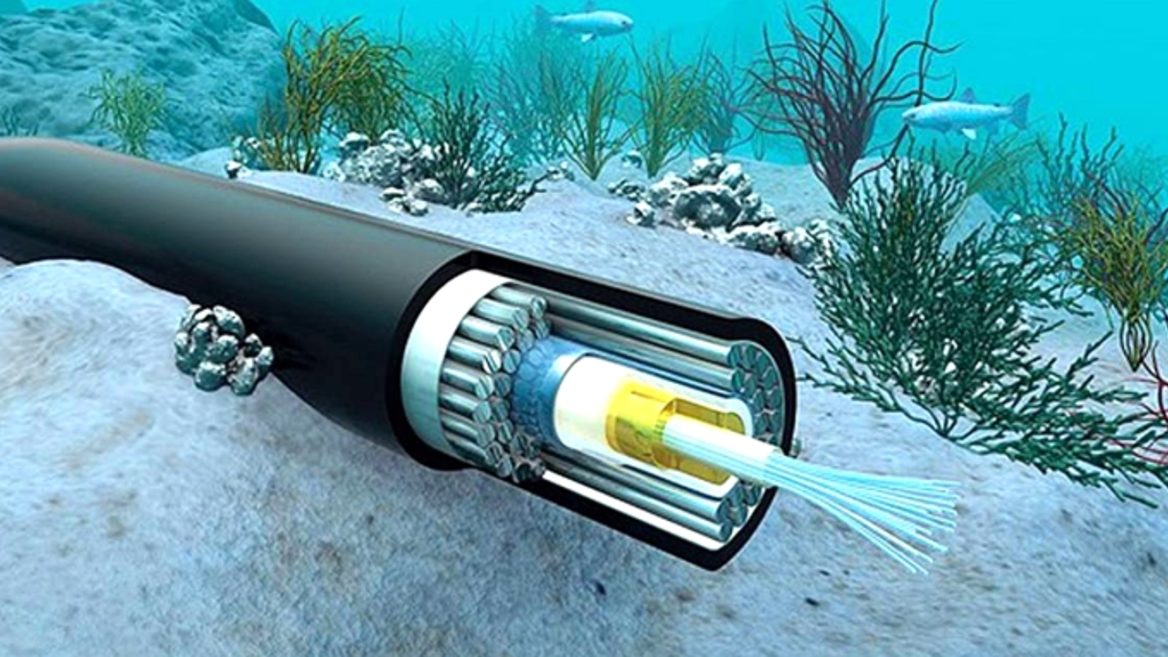
Therefore, coastal cables are covered with powerful armor. In particular, steel, stainless steel wire with a thickness of 1 mm, sometimes it reached 3 mm. Marine cables (those at greater depths) are less protected, because they are more difficult to reach.
Photo — Viktor Katok
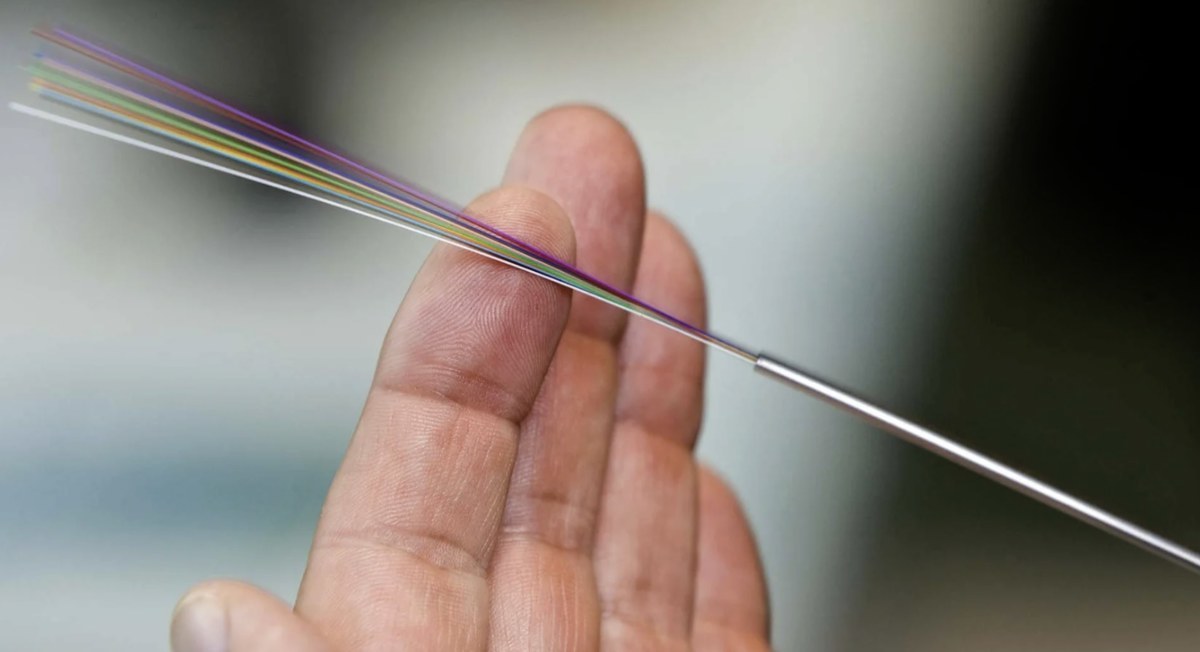
Such cables are made of special, durable plastic sheaths, and their central part, as a rule, consists of a copper tube. Inside it are fiber-optic light guides. The tube is used to remotely supply electricity to underwater, unserved regeneration points. Thus, it is necessary to have a conductor through which electricity will go to amplifiers and regenerators on the bottom of the seas and oceans.
The coastal part of the cables, where ships can drop anchor, is made of armored and high-strength. If the seas are shallow, such as the Gulf of Finland of the Baltic Sea, in this case, a submarine cable of the coastal type with armor is laid. The designer of such a line calculates the probability of mechanical damage to such cables and, depending on the conditions, chooses the coating. All these are well-protected cables.
The US and the EU believe that Russia is not involved in the ruptures of submarine cables in the Baltic Sea and the Gulf of Finland. Intelligence officers have named another cause of the damage
— Do they have additional protection?
— In a number of countries — for example, Greece and Italy — coastal submarine cables are immersed in specially made trenches for them. They are immersed in the seabed and sometimes bags of cement are placed on top. The latter turn into a strong stone in the water, which creates additional mechanical protection for the cable in the coastal part. In Western Europe, the climate is quite warm, so laying cables is quite convenient. Thus, they are often used to provide a connection between two settlements, not necessarily between the mainland and an island.
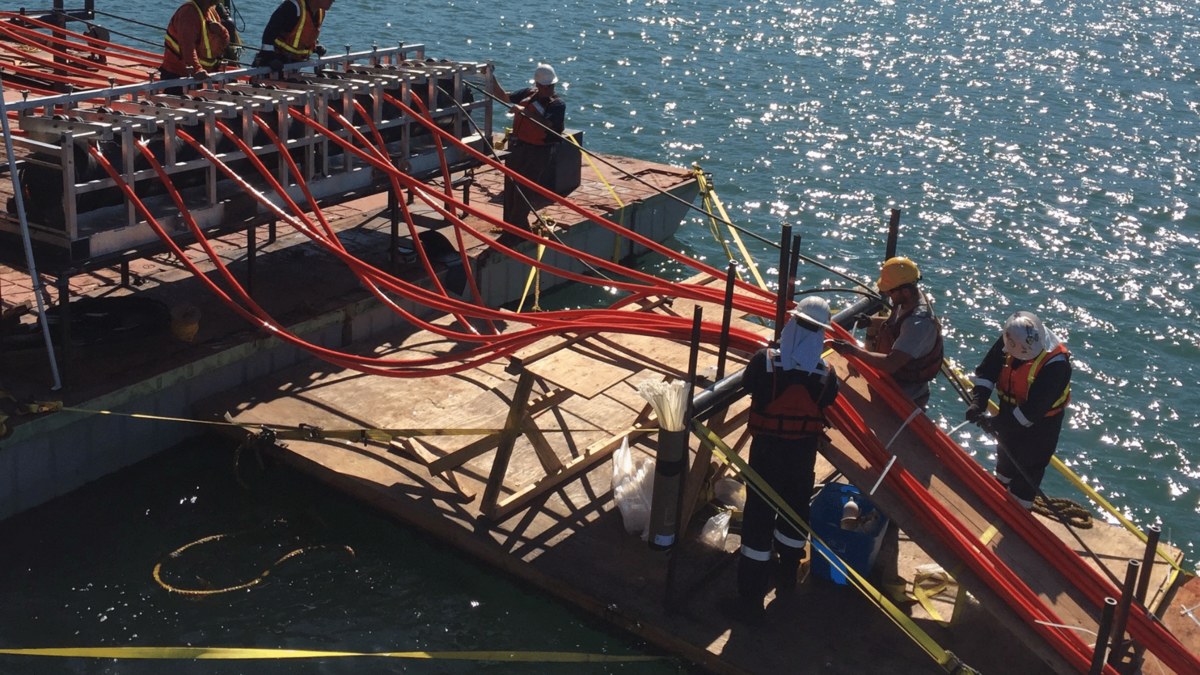
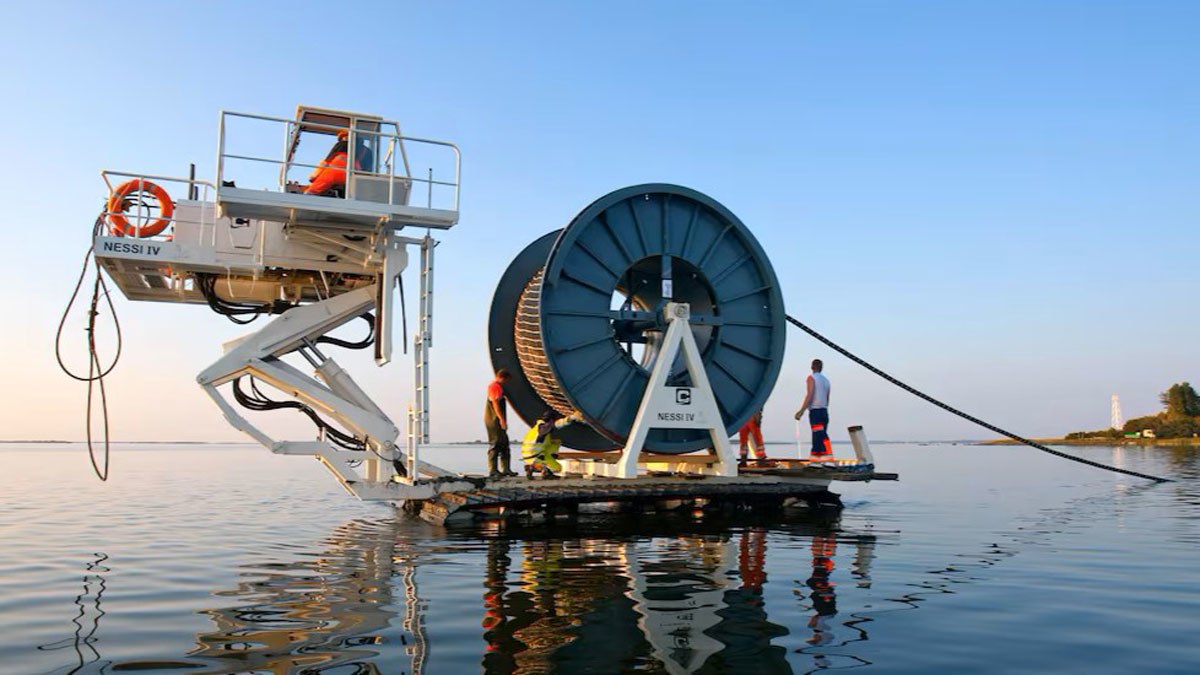
Photo — Laying submarine cables
Laying a cable in the underwater soil is quite difficult, because it has owners. That is, it is private property, where you need to coordinate permits. Moving away from the shore at a certain distance - 100 m, 200 m, 300 m, you can lay a cable along the coast. A lot of underwater infrastructure has been laid near the same Spain, France, Greece.
— How to avoid damaging the cables?
— To prevent cables from being damaged, they are marked on charts (a navigational guide - ed.). Every captain who leads a ship has a chart with all underwater cables in front of his eyes - both communication and energy. When the ship is preparing to drop anchor, the captain looks at the chart so as not to accidentally step on the cable and damage it on the bottom.
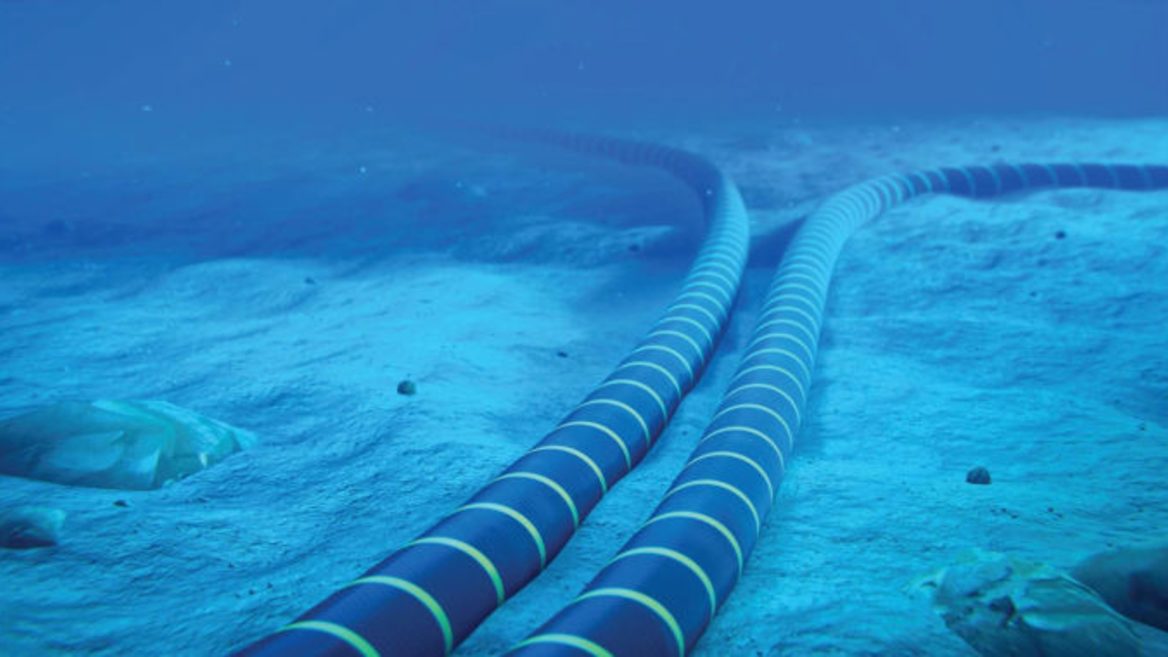
Photo — Submarine cables
In Ukraine, a fiber-optic submarine line was built in the Black Sea. Initially, it was part of the so-called "ITUR" (Italy, Turkey, Ukraine, Russia). From the Odessa shore station, the cable went to Istanbul, and then to Palermo (Sicily). Then the Black Sea Optic Cable (BSOC) line was built. The submarine cables of the Ukrainian segment were laid on the lots. The captains who called at Odessa on ships knew where and which cables were located.
— How then does it turn out that underwater cables can still be damaged?
— To damage a cable, say, between Finland and Germany, you need to make a significant effort. Among the variants is to drop a heavy anchor from a large ship to the bottom and for the ship to move at a speed sufficient to cause significant mechanical effort. It would have to be a cargo ship or tanker that has more than one powerful turbine.
The captain can increase the power supplied to the propeller, drop the anchor and catch on the cable on the bottom. But he does this deliberately, because all the cables are marked on the charts (guide maps).
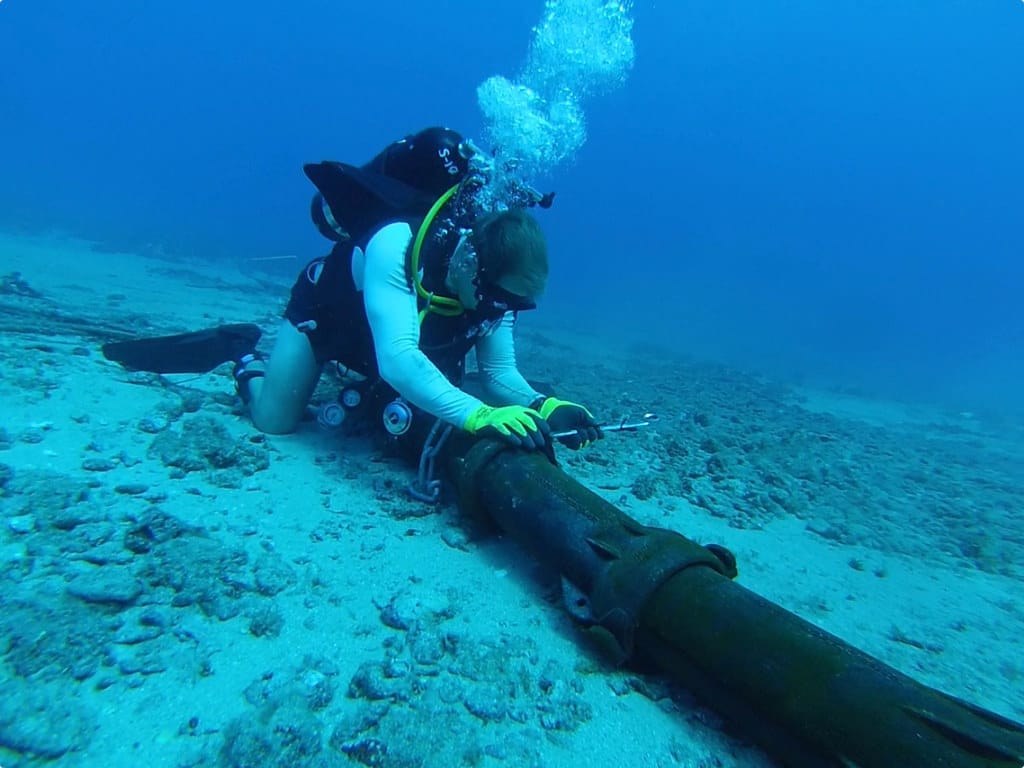
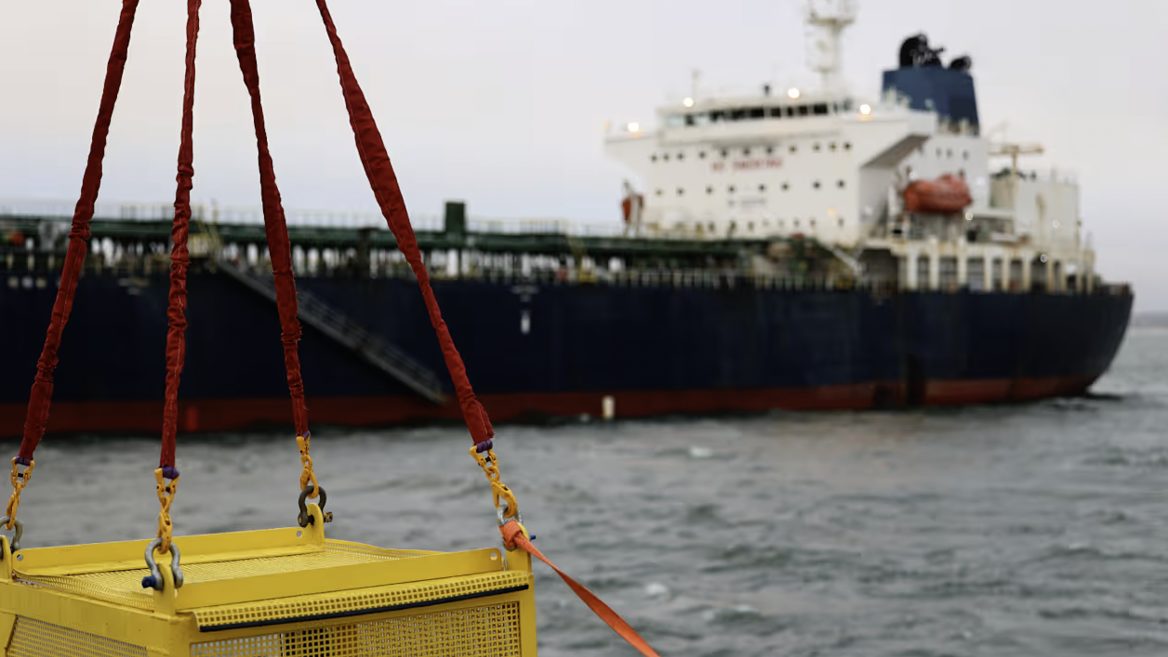
Photo — Working with a submarine cable
It may be difficult to break the cable the first time, because it is quite strong. In addition, over the years it could be covered (silted) with sand. The inertia of a tanker can be several thousand tons, so it can break the cable.
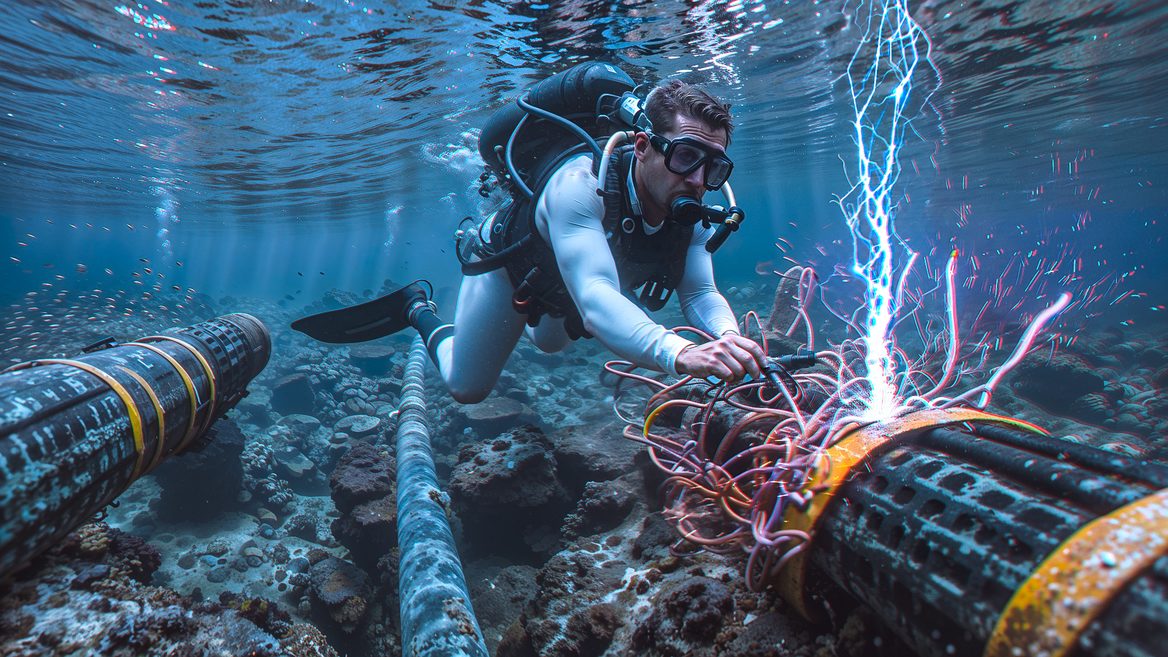
Another option for sabotage is a terrorist act. Going down to the bottom — it could be divers or bathyscaphes — placing an explosive device under the cable and detonating it. A diver will not be able to cut the cable with an axe, crowbar, or other tool, because it is a fairly strong product.
Sometimes it happens that a ship can accidentally damage a cable. But this happens very rarely. If we, for example, look at the Mediterranean Sea, then there is a whole network of cables laid across it. But they are not damaged because the captains are careful with the underwater lines. Fiber optic cables are used precisely because of their high reliability. They do not need to be guarded - they lie and work.
Any damage to an underwater cable is usually malicious.
We remember how it happened in the Red Sea last year. At that time, responsibility for the sabotage was placed on the Houthi rebels. Such damage was intentional, because the cables in the Red Sea are well designed and laid with high quality. The same thing probably happened in the Baltic, where a ship's anchor was found in the middle of nowhere. The cable was so strong that it broke it.
Sweden is investigating whether Chinese ships could be involved in damaging cables in the Baltic Sea. How do the undersea cables that power the world's internet work? Analysis
How underwater infrastructure is restored
— How to find the location of a submarine cable break?
— This is done using special devices — locators that probe the optical pulses of the submarine cable. If the fiber LEDs are damaged somewhere in it, the optical pulse reaches the point of damage, but does not “go” forward, but “returns” back. With an accuracy of up to 10 meters, it is possible to localize the point of damage to the fiber-optic cable.
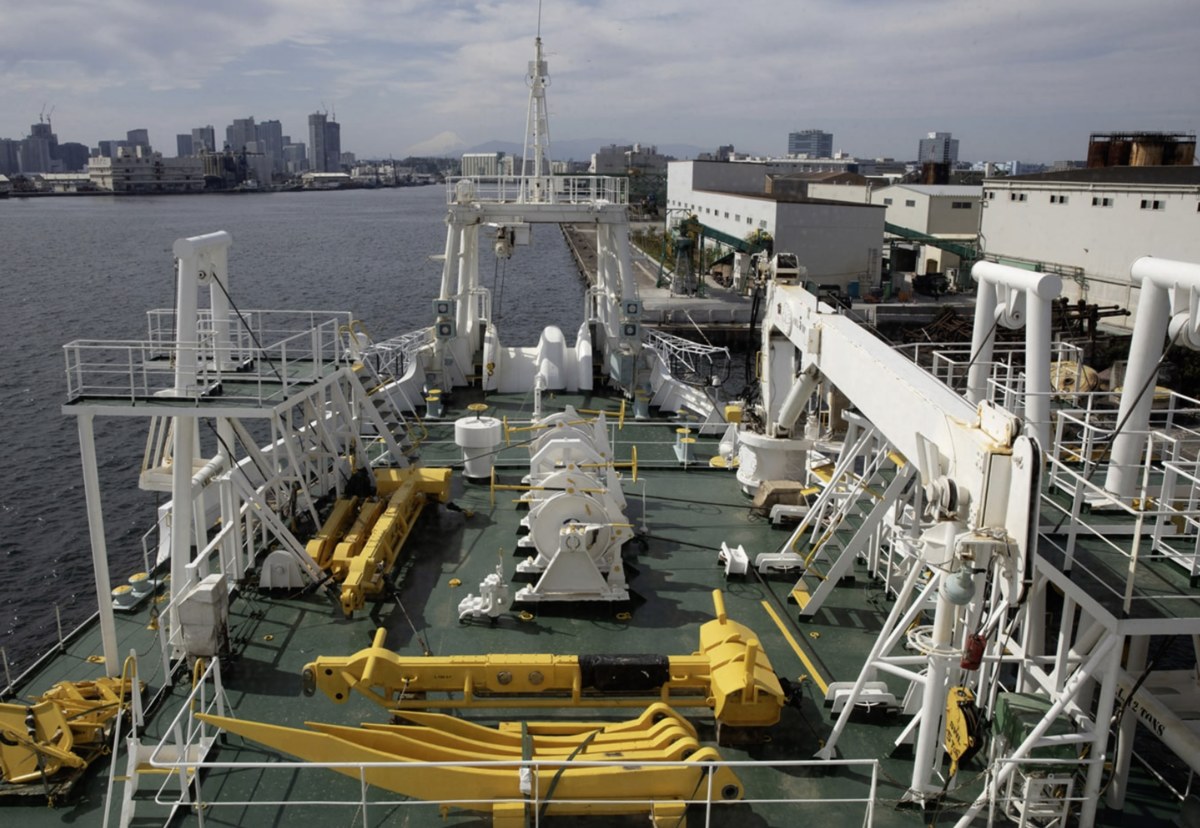
Photo — Submarine cable repair vessel
Then you look at the map and knowing the distance to the damage, you can determine the point of damage and send a team to repair it. In each region of the world there are teams of special divers who can lift the cable and put additional sleeves on it, if technically possible, as additional protection. Thus, the cable is repaired. This is a rather expensive procedure. Special divers, bathyscaphes and ships work on the ground, because the depth can be different.
— How long does it take to repair?
— It is impossible to do this quickly. The process itself is quite laborious. Special teams are needed. But in the world this process is quite organized.
For example, there is a Turkey-Italy cable and it is damaged. In this case, the damage is localized and additional studies are carried out regarding its nature. Then agreements are made with the ship and the crew. They are hired to restore the cable. The rules and algorithms in this matter have long been developed.
International associations and organizations are agreeing among themselves on the restoration of underwater parts, how to build them, and how to share underwater fiber optic cables for transmitting traffic.
Why are submarine cables important?
As of early 2024, there are nearly 1.4 million km of submarine cables in use worldwide. In quantitative terms , this means 600 active and planned submarine cables. The total number is constantly changing as new cables are put into service and old ones are decommissioned. Some of them are quite short, such as the 131 km long CeltixConnect cable between Ireland and the UK. Others are incredibly long, such as the 20,000 km long Asia America Gateway cable.
Such a huge number of cables laid under water is literally necessary to keep the world going. The fact is that 99% of the world's Internet traffic passes through submarine cables, providing 7 billion transactions every minute. We were able to see the importance of traffic through underwater systems in March last year. Then, due to damage to submarine cables in the Red Sea, 25% (according to other sources, 60-70%) of Internet traffic had to be redirected.
Submarine cable breaks occur on average every other day, about 200 times a year. One such incident costs $2–3 million. According to the specialized publication SubTel Forum, there are 77 cable ships in the world, but most of them are focused on the more profitable work of laying new systems. Only 22 are intended for repair, and this is an aging and eclectic fleet.
Now a number of transatlantic communication lines have been laid between Europe and North America. When one line is built, another one is immediately built, because the growth of traffic between continents and countries is very rapid. Namely, submarine cables transmit more than 95% of this traffic. Therefore, new lines are constantly needed.
At the site of the rupture of the Internet cable in the Gulf of Finland, an anchor mark was found almost 100 km away
— How has the technology itself changed over the course of its existence, or has it remained, relatively speaking, just a cable?
— So-called smart cables are currently being laid around the world. Special sensors are connected to them at the bottom of the seas and oceans. They, for example, record changes in water temperature, current speed, ground vibrations, etc. For example, cable sensors can be used to determine the locations of earthquakes and tsunamis. Japan is particularly active in building such lines. If the cable is damaged, environmentalists literally lose important information.
Why Starlink is not an alternative
— How long does an underwater cable last?
— The first cables that we laid in Ukraine had a service life of 20 years according to the technical specifications, then 25 years. Now, with proper construction, we expect them to last 30 years. In the ITUR system (Italy, Turkey, Ukraine, Russia), which was mentioned above, the cables were manufactured in 1995-96. They were manufactured by Pirelli, I personally received them. Now this cable is in working condition.
— As far as I understand, we won't be moving away from undersea cables anytime soon and Starlink won't replace them?
— We will not get away from submarine cables. Data transmission using satellites and underwater cables are not competitors, but complementary technologies. To transmit a signal to the radio via satellite, you need a lot of fiber-optic cables, through which high-speed signals are transmitted, which are then distributed by low-orbit satellites. That is, it is a combined system.
It is quite difficult to provide gigabit data transmission in seconds via satellite, especially if there are many users on the network. Each technology has its own efficiency. Thousands of satellites fly in one orbit to ensure the distribution of the Internet at a sufficiently high speed.
Photo - Part of an underwater cable
I expect that in the 6G network, low-flying satellites will be used as communication base stations. Perhaps they will be some kind of prototype airships.
This does not mean that submarine cables will be less in demand. They will be used more and more. To transmit a signal in large volumes from one continent to another, at terabits per second, there is no alternative.
We also expect the emergence of quantum computers and quantum communications. So-called "quantum keys" are already being used to protect information transmitted over fiber-optic lines. Quantum communications require fiber-optic light guides, which are contained in underwater cable lines.
UPD. Christmas cable rupture between Finland and Estonia: a ship carrying sanctioned Russian oil accidentally passed by the scene of the incident. What is known about this
Is it possible to isolate a country by cutting its undersea cables?
— If we simulate a situation where a country loses all its submarine cables (they are cut), what happens to the country and is it correct to think that island states are primarily in danger?
— The thesis is correct. But from Taiwan, submarine cables go not only to China, but also to the USA, Indonesia, bypassing the PRC. Taiwan is quite well-connected and having submarine cables connected only to China would be imprudent from the point of view of an island state. This is done so that damage to one cable could not leave the entire country without communication.
We had a discussion with colleagues about whether it was possible to completely mechanically isolate a country or continent from the world by cutting all its submarine cables. We came to the conclusion that it was possible.
It is unrealistic to transmit such volumes of information using satellite or radio communication. A collapse is possible, but it is technically very difficult to create one - there are many cables, they are scattered in different directions, and it is not easy to find them.
"Taiwan is 'potentially the most critical single point of failure' in chip manufacturing." Earthquake could make tech prices around the world rise again, and here's why
Prospects for Ukraine in the underwater business
— If you look at submarine cables as a business, how profitable is it? Is there high competition in this area?
— These are large factories. A small number of companies manufacture special machines, which in turn manufacture submarine cables. These are profitable factories, but they are expensive and not every country has them. A submarine cable factory can cost more than 100 million euros.
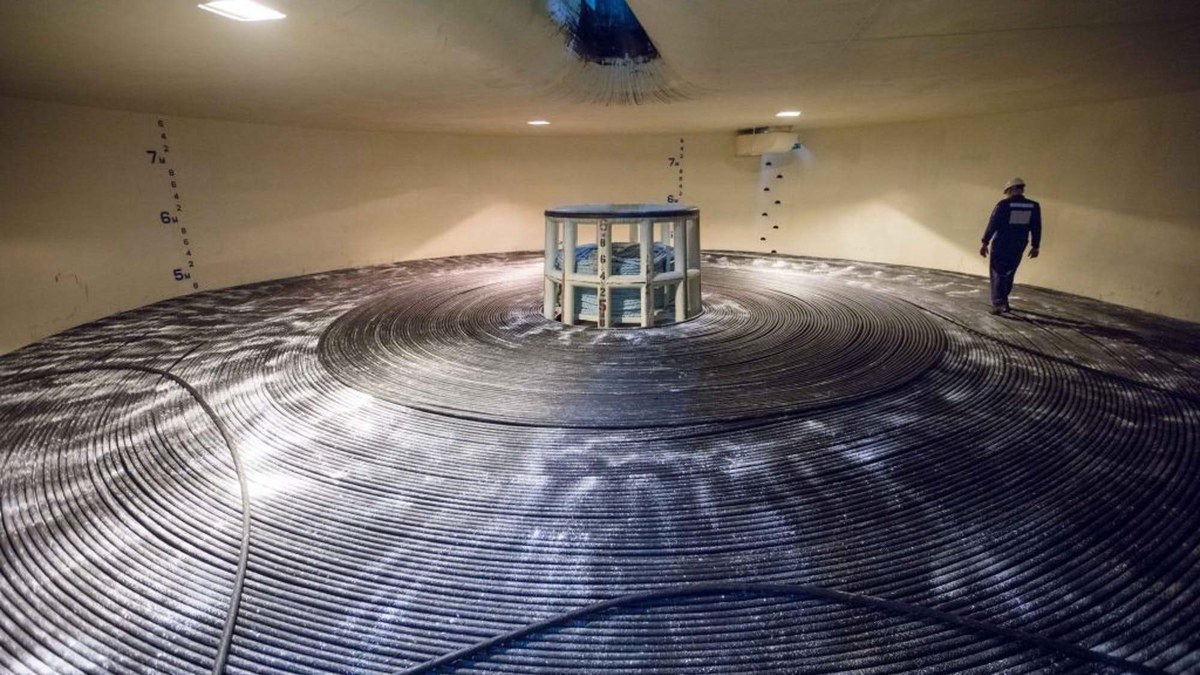
Such plants immediately ship the cables to ships, which lay them on the bottom of the seas and oceans. Submarine cables are usually not stored in warehouses so as not to damage their sheath. Then they are lowered to the bottom in large sections, perhaps 200 km long. This is done by special ships, on the bow of which is placed a powerful winch through which the cable passes.
Photo — Submarine cables
Unfortunately, there are no submarine cables in Ukraine at the moment. I think that after the war, Ukraine will start building similar fiber-optic lines across the Black Sea. And for this, they will need their own engineers who are familiar with the issue of laying submarine fiber-optic cables. The demand for such specialists is very high, they could work in other countries.
I have a positive view of the history of Ukraine's submarine cables. The Black Sea should be intertwined with them. So far, Ukraine, unfortunately, does not participate in such projects. But even without us, there are not enough submarine cables in the Black Sea.
I hope that the "Silk Road" will be continued. And an underwater cable will be laid through Georgia with a branch through Ukraine. These are reliable lines that can work for many years. This is the same transport and support network as the cables that lie in the ground on land.
Photo — Laying of submarine cable
Powerful fiber optic cables have been laid between all regional centers of Ukraine. The same network can be laid to the Black Sea countries, and in the future - to the Sea of Azov. And through the Bosphorus and Dardanelles straits, it is possible to reach the countries of the entire Mediterranean region. And from there - to North Africa. And transmit the signal Kyiv-Odesa-Istanbul-North Africa. In this case, Ukraine could become a co-owner of the submarine cables laid in the Mediterranean Sea.
Moreover, the Odessa Cable Plant, one of the best in Europe, is located on the seashore. It could, in the future, produce certain types of submarine cables that could be laid along the bottom of the Black Sea.
“It is impossible to transmit such volumes of information using satellite or radio communication.” Why attacks on submarine cables are a potential way to isolate states, from which even Elon Musk’s Starlink will not save
Product Designer задонатив ЗСУ особистий Starlink. Як він це зробив
Арсеній Фещенко працює на позиції Product Designer платформи по оренді квартир у Києві та Лондоні bird. Нещодавно хлопець задонатив на потреби ЗСУ особистий Starlink. Розповідаємо, як це вдалося зробити.
Британець створив інструмент для злому Starlink з деталями на $25. Чи виведе він термінал з ладу? WIRED
Британський дослідник безпеки Леннерт Воутерс створив modchip — спеціальний інструмент злому, який можна приєднати до антени Starlink. Готові деталі для нього коштують $25.
10 серпня на конференції з безпеки Black Hat у Лас-Вегасі дослідник розкрив подробиці збоїв у терміналах Starlink та розповів про те, як серія апаратних недоліків дозволяє зловмисникам отримати доступ до системи і запустити власний код на пристроях. Про це написав WIRED.
Бойова гігієна. Чим небезпечний WiFi на передовій, та чому інколи прилітає по Starlink: пояснює айтішник
Володимир Степанець, Senior Systems Architect в EPAM Poland написав великий пост-пояснення про те, чим небезпечний інтернет на передовій та чому роздавати його не варто як з терміналів Starlink, так і зі смартфону.
Публікуємо його аргументи, правила та поради.
Have important news to share? Message our Telegram bot
Key events and useful links in our Telegram channel