Хочете будувати кар’єру в Data Science та AI? Vodafone Big Data Lab відкриває новий набір —>
Олег ОнопрієнкоGameDev Eng
14 August 2026, 09:00
2026-08-14
“You need to come to publishers now in the middle of production.” Oleksiy Furman on the development of the game “Tukoni: Guardians of the Forest,” an Asian publisher, and 75,000 wishlist members
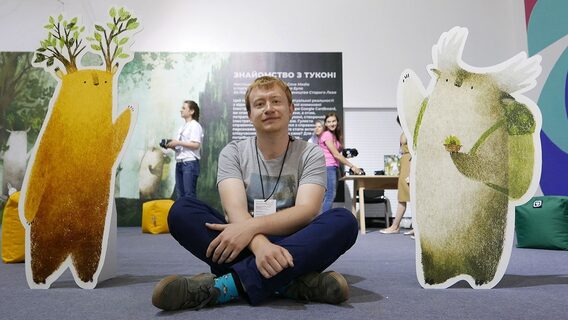
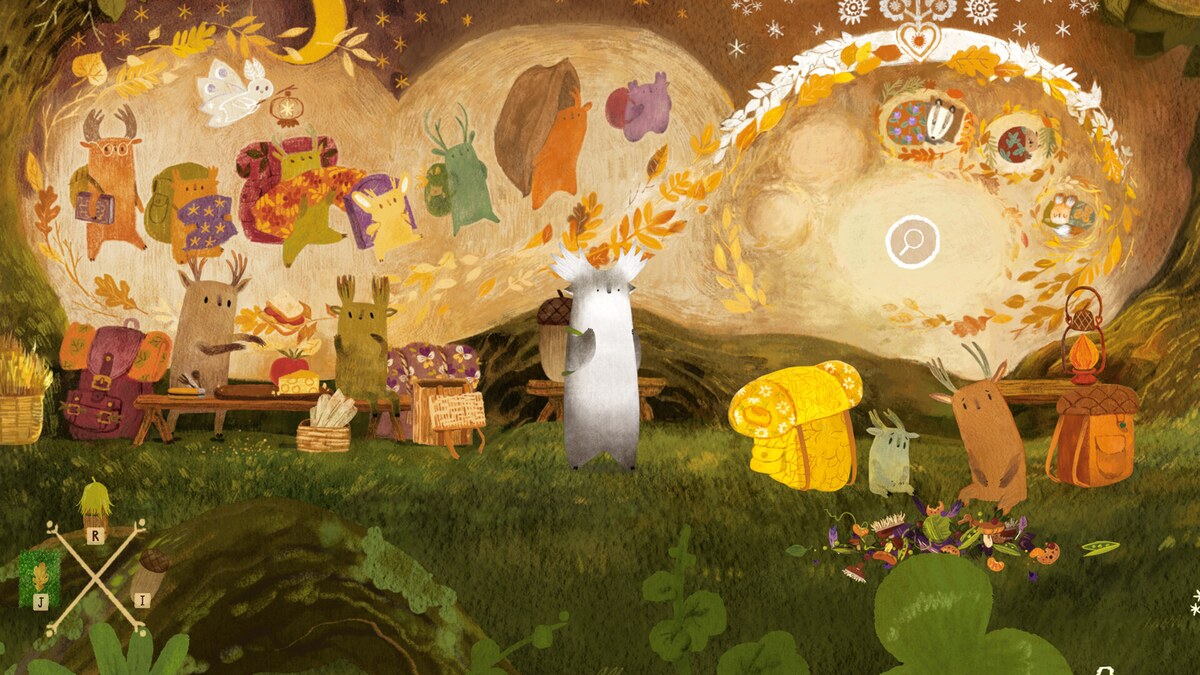
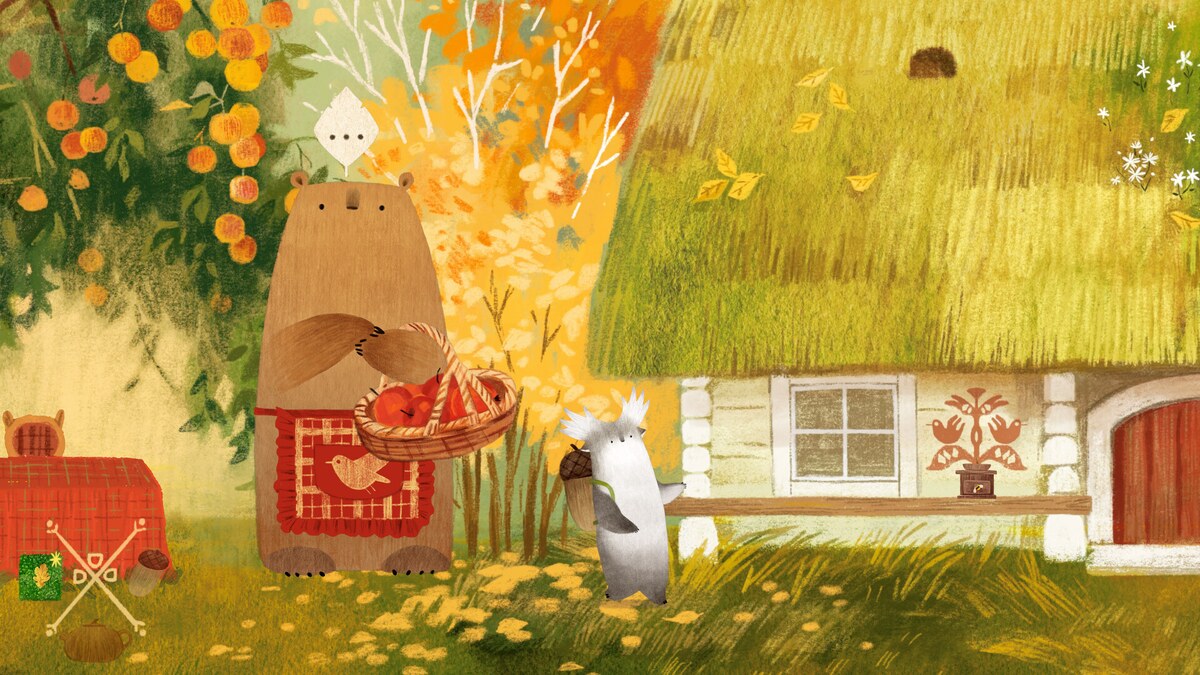
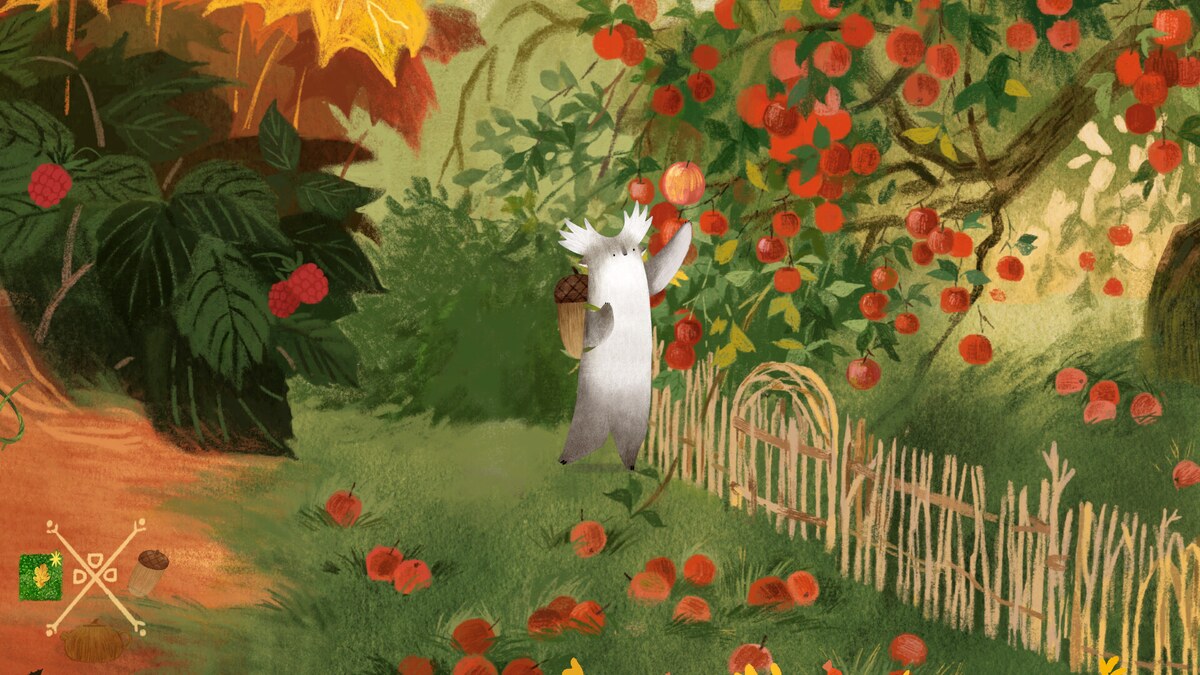
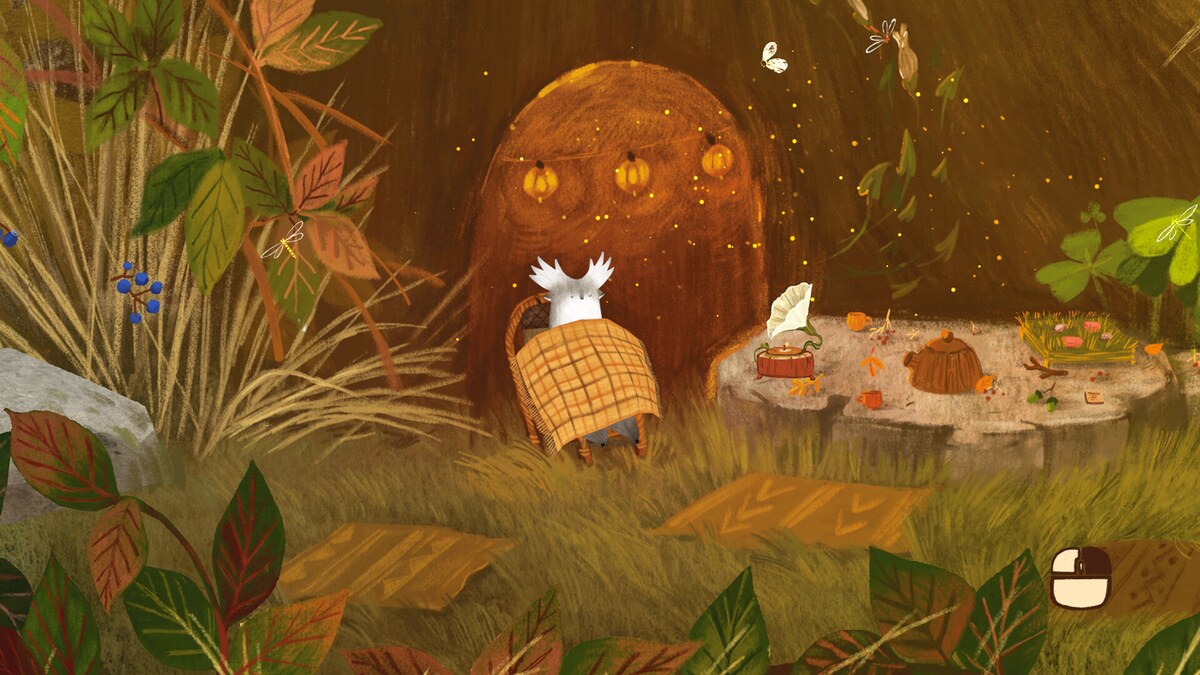
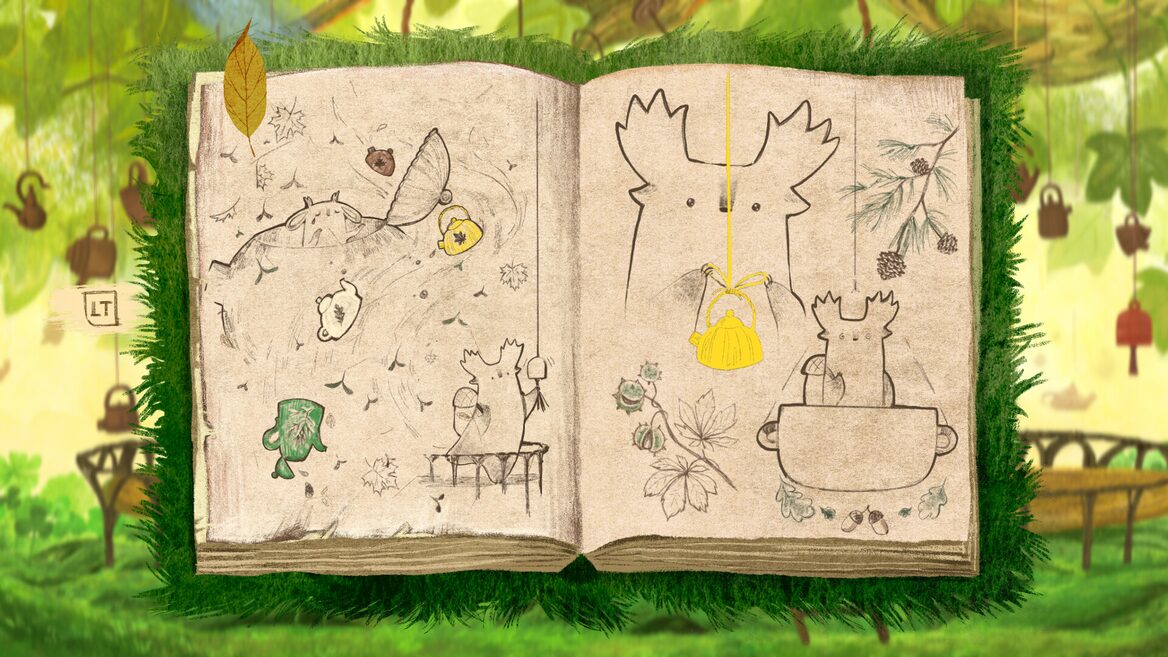
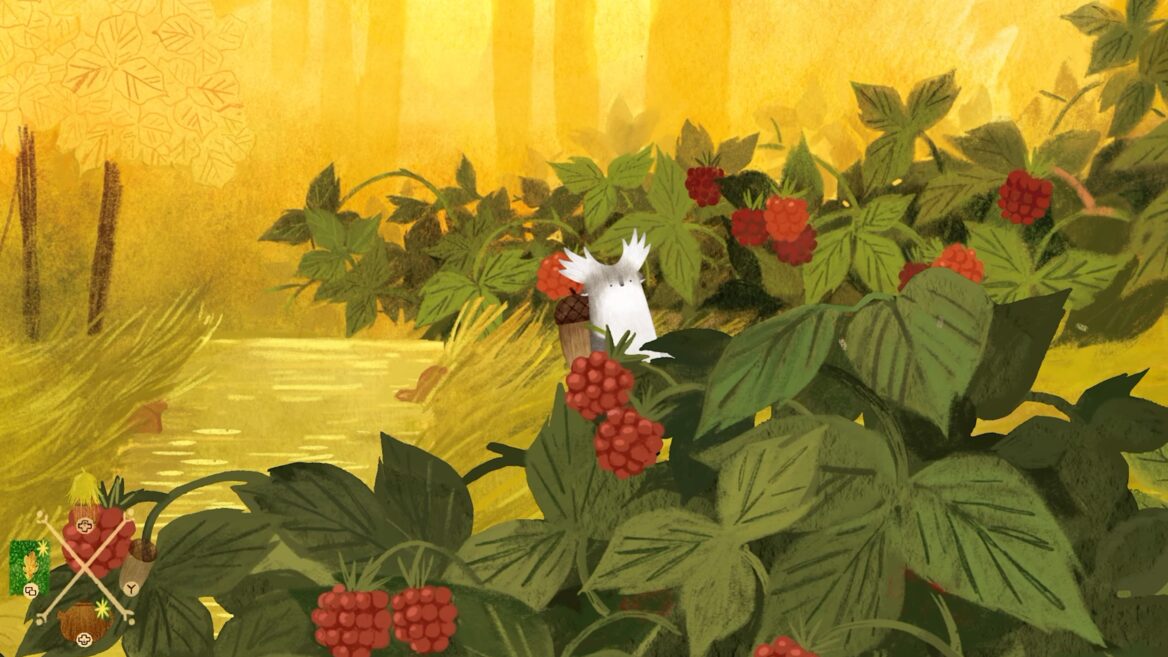
Ukrainian indie game Tukoni: Guardians of the Forest is a cozy puzzle adventure based on the books of artist and writer Oksana Bula. Even before its full release, the project has managed to make a loud statement about itself: having won several awards and distinctions, and the free prologue, released in 2020, is still collecting extremely positive reviews on Steam.
On the eve of the release of Tukoni: Keepers of the Forest, we spoke with the project's creative director and game designer Oleksiy Furman about how the development of one of the most artistic and groundbreaking Ukrainian games went.
Dream Operator was founded by three people. How have you grown since then and how many people were on the team at the peak of development of Tukoni: Guardians of the Forest?
— In this composition, me, Oksana, and my partner Mykyta, we were just starting the project and applying to the Ukrainian Cultural Foundation back in 2019. Later, programmer Oleksiy Sysoyev, composer Vyacheslav Pakalin, and Vitaliy Nechyporenko, who helped with QA, joined us. So already at the Prologue stage, there were five or six of us, not counting volunteers.
At the beginning of Guardians of the Forest, when we were looking for funding, there were again three of us nominally. However, the team quickly grew. Now the core team consists of six people, and a total of 16 developers are listed. That's a full team, not even counting volunteers and consultants.
If we look at specialization, what roles did you have the most on the project?
— Tukoni is first and foremost an art game, so a unique cool tone was set by Oksana, who acted as the art director and concept artist. She created sketches of locations and puzzle concepts. And the lead artist Kateryna Ustimenko brought them to their final form. At the beginning, two other artists helped us with the characters and locations.
There were also many specialists working on the animation. We had a wonderful animator, Bohdan Makarenko, who was helped by others at various stages. And Olga Angelova, our talented VFX artist, brought the levels to life with moving elements like falling autumn leaves and insects flying around the levels. So there were significantly more people working on the art component than on the technical one.
In Tukon, in addition to the wonderful visual style, the atmospheric music is noted. Composer Vyacheslav Pakalin worked on Guardians of the Forest?
— This time we had several composers. Slava Pakalin also made music for us, but in general there was a trio of very cool composers and sound designers who worked on different locations and tasks: Slava, Ilya Gogolev, and Roman Savytsky. However, I think that the work that Slava did for Prologue and at the beginning of this project served as a benchmark for all future music.
Tuconi: You made the prologue on Unity, and the current project on Unreal Engine. What led to this transition and what difficulties did you encounter, or did it help more?
— In 2021, we received Epic MegaGrants, which was largely the reason for the switch to Unreal Engine. Another factor was that we have been working in Unreal for several years on our main projects.
What are the difficulties? Unreal doesn't have many resources, plugins, and ready-made solutions for 2D projects. As a game engine, it is more focused on heavy 3D pipelines. But nothing is impossible. Today, a game engine is a multitool, thanks to which you can build any game. The only question is which multitool you know best.
Thanks to our knowledge of Unreal, we did a lot of work ourselves. With Unity, we probably would have had to rely a little more on a programmer, because there are no blueprints and everything is written by hand in C#. This is not a problem, it just works a little differently. We are open to everything: depending on what our next project will be, we will choose the engine custom. We are not locked into Unreal, but it will always be a priority because we know it better.
Speaking of the game's scope, how much has it increased or decreased compared to the original plan? That's usually the most painful thing when you have to cut something from the game. What did you have to give up?
— When we started working on the full game, we were trying to figure out where we were going from the Prologue. The Prologue was a benchmark for us, because the players liked it: the visual style and, of course, the world of Tukoni. It is very important that this world is filled with meaning. It was not created for the game, but was filled with characters and stories by Oksana for many years. The players liked the cute interactions, the gameplay, the puzzles, and we knew that there had to be more of all this.
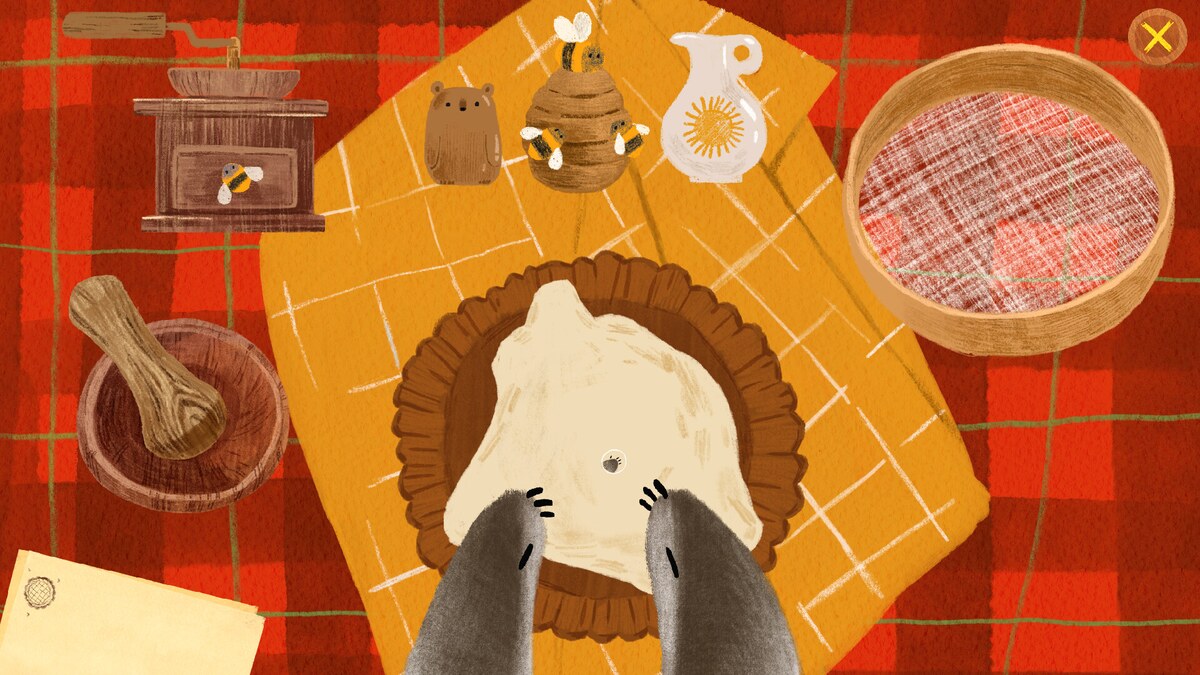
The only thing is that Prologue was a bit expensive in that some locations were used only once (for example, the Wanderer's Hut), and the player never returned there. Creating such content is very time-consuming, because the locations have a unique style, every detail is drawn with great attention. Using them only once in the style of Amanita Design games is not for us. Therefore, we were inspired by classic adventure games from the 90s and more modern games like Lost in Play, where there is backtracking. You get a list of things to do, you go between locations, help characters, and that's how the story develops. In Tucon: Guardians of the Forest, there is a lot of quest design and we made it quite unique.
As for what we had to give up: we never overscoped the game, we always knew it had to be small. We were aiming for the Steam threshold of two hours. In fact, it turned out to be 2.5–3 hours. But we had to give up one small level. It wasn't critical, and we felt that if we removed it, we could redirect our efforts to polishing other levels. This decision worked. We finished with the content in May, and in recent months we have invested in improving what we have and fixing bugs. This time before release is critical for adding small details and cute animations that players will remember later. From a production point of view, we made the right decision.
We were planning to finish earlier. There were several release windows, the last of which was June. But I'm really glad we didn't release in June, because we did a lot of polishing over the summer. But that was an unrealistic estimate.
Your Steam page states that you have a publisher. Can you tell us more about this collaboration?
— We haven't talked about it much publicly, but GamerSky is a publisher that works with promoting the game exclusively in the Asian region. They have collaborated with other Ukrainian developers, for example, Ternox, who recommended them to us. This is a completely different region with its own social networks and player preferences. It's too early to comment on the numbers, but we are quite satisfied with the work at the pre-production stage.
After the announcement of Guardians of the Forest, you had 10,000 wishlist members in two weeks, as of February it was 30,000, and now this mark has reached 75,000. What do you attribute such surges to?
— Game festivals are currently working best on Steam. The biggest spikes we had were thanks to them: Wholesome Direct, Wholesome Celebration, Ukrainian Games Festival, and Cozy Quest in November. Festivals are really cool because they are thematic and you get lists from the target audience there.
The second factor is organic growth from our free Prologue. It is still played, including by streamers with millions of viewers. At one time, it was a challenge for us to transfer those 15–20,000 Prologue wishlist members to the full game page, because they don’t convert directly from the free project. Perhaps, given today’s marketing, we created the main game page a little too early, but on the other hand, it allowed us to build a “warm” Prologue audience for years.
The third new feature that works great is Steam's personal calendar. It's much more effective than the Popular Upcoming tab, because it suggests games to players based on tags similar to the ones they're already playing. The game appears on a separate calendar page eight weeks before release, and three weeks before it's released, it's on the Steam homepage. When we got there, the number of daily wishlists increased significantly.
And what is the geography of wishlists? Where is the game most popular?
— The USA, China, Ukraine, Germany and Brazil are in fifth place.
You raised funds for Prolog through grants. Where does the project's funding come from now?
— After we finished Prologue at the end of 2020, we had the issue of financing. Back then, we didn't have the same understanding as we do now about how to pitch a project to publishers. Times have changed a lot: now you need to come to publishers somewhere in the middle of production, when you have a demo and a page on Steam that has at least 20-30,000 wishlist members. Then you say: "Look, I already have a finished product, I have half a year or a year of development left, give me money to finish it." The story of coming in with almost nothing and saying that you have an idea, unfortunately, no longer works.
Plus, we were better at working with grant funding than we were at working with publishers. That’s why we came across Epic MegaGrants. We applied for it in early 2021, and a month before the full-scale war began, we received word that we had been awarded it.
We also received a cash prize from DevGAMM, which we received last fall — $10,000. For a large project, this may not be much, but for us it is significant money that allowed us to work on the game for many months. There is another funding from a large platform, it is exclusive for porting the game to consoles. We have not attracted it yet, because we have not started the porting process, so we have not said anything publicly about it yet.
The topic of tea drinking comes up quite often in the game. Were you planning to make merch with your exclusive herbal tea?
— Listen, this is a cool idea. I need to pass this suggestion on to Oksana. I know there were thoughts about the merch. I can say that a really cool digital artbook will be available on Steam. It was created by Oksana and Kateryna, and there will be illustrations and information about who our characters are and how the world of Tukoni and Molei lives. I hope it will be available on other platforms as well.
What would you recommend to players who don't know about the game but are interested in the art style? How should they play the game?
— I would recommend taking your time and enjoying it. This is the time when you make yourself some tea (because Tukonis don't drink coffee), sit down, get high, and soak up the joy of life. You feel like you're part of something bigger in this world. That, I think, is the essence of Tukonis. It's ideal to share this joy of tea drinking with close friends, joke around, and watch the stars.
What are Dream Operator's future plans after release?
— Porting is our big plan. We'll see what we finish first, and then we'll release it. We'll port to mobile devices (App Store, Play Market), to consoles. Many people ask about Mac, and porting there should be the least difficult. And then the plans are to make new games. We've learned a lot and rethought the state of the indie game market, so the next project will most likely be a little different. Stay tuned!