Thanks to the components from which countries fly enemy FPV drones "Molniya" and "Fenix"
The production of Russian UAVs "Molniya" and "Fenix" uses components of Chinese production, as well as companies of Europe, the USA and Asia.


The production of Russian UAVs "Molniya" and "Fenix" uses components of Chinese production, as well as companies of Europe, the USA and Asia.
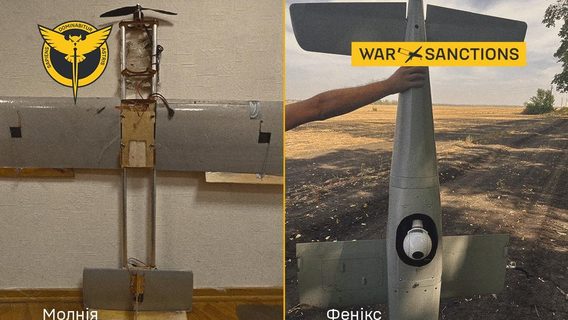
The production of Russian UAVs "Molniya" and "Fenix" uses components of Chinese production, as well as companies of Europe, the USA and Asia.
This was reported by the Main Directorate of Intelligence of Ukraine.
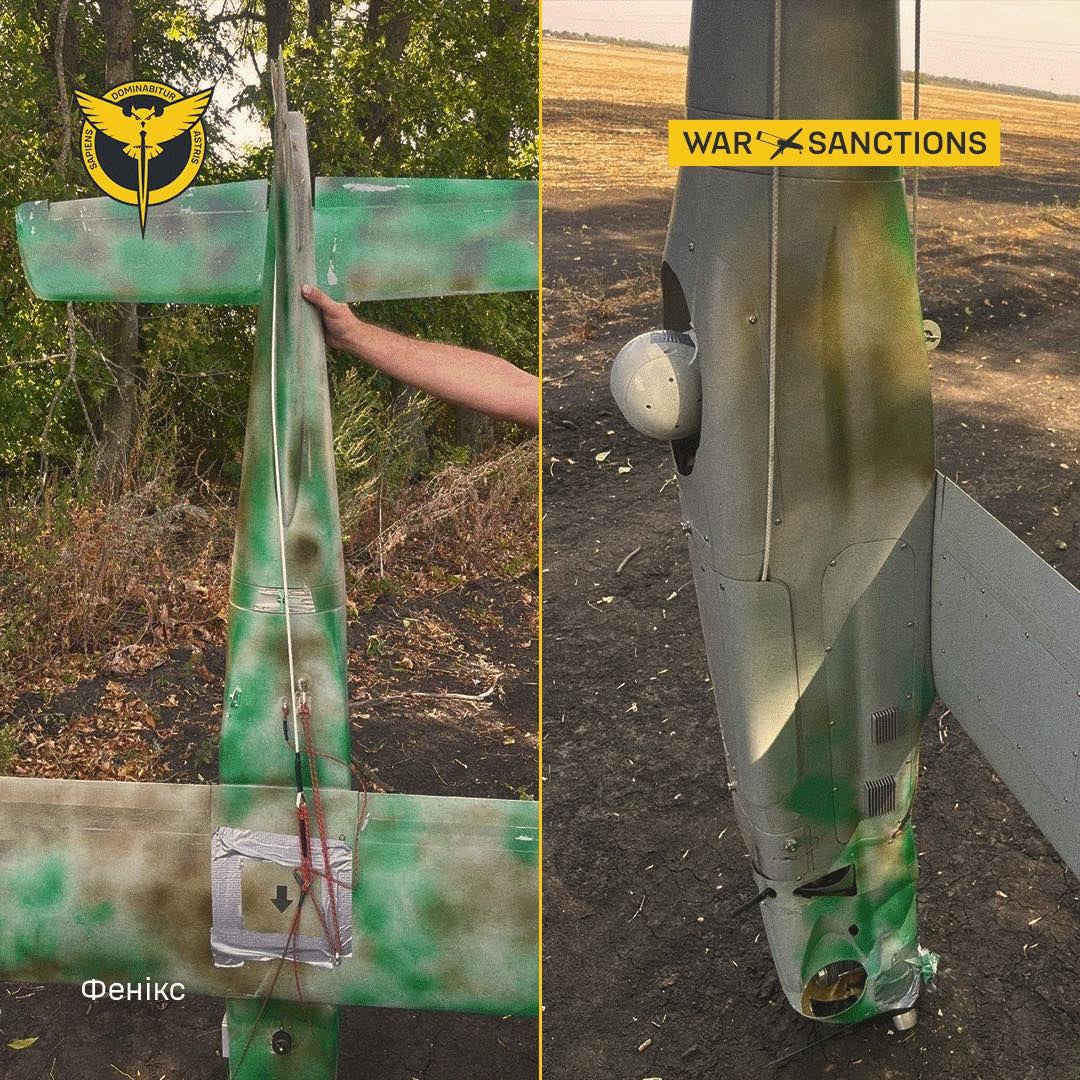
It is an aircraft-type attack drone that is launched from a special catapult and guided to a target by the operator, like an FPV drone. The UAV has a flight range of up to 40 km and a warhead of up to 5 kg, which is ten times less than the Shahediv UAV. In addition to hunting military targets, Russia uses "Molnii" to terrorize the civilian population in cities and districts close to the front line.
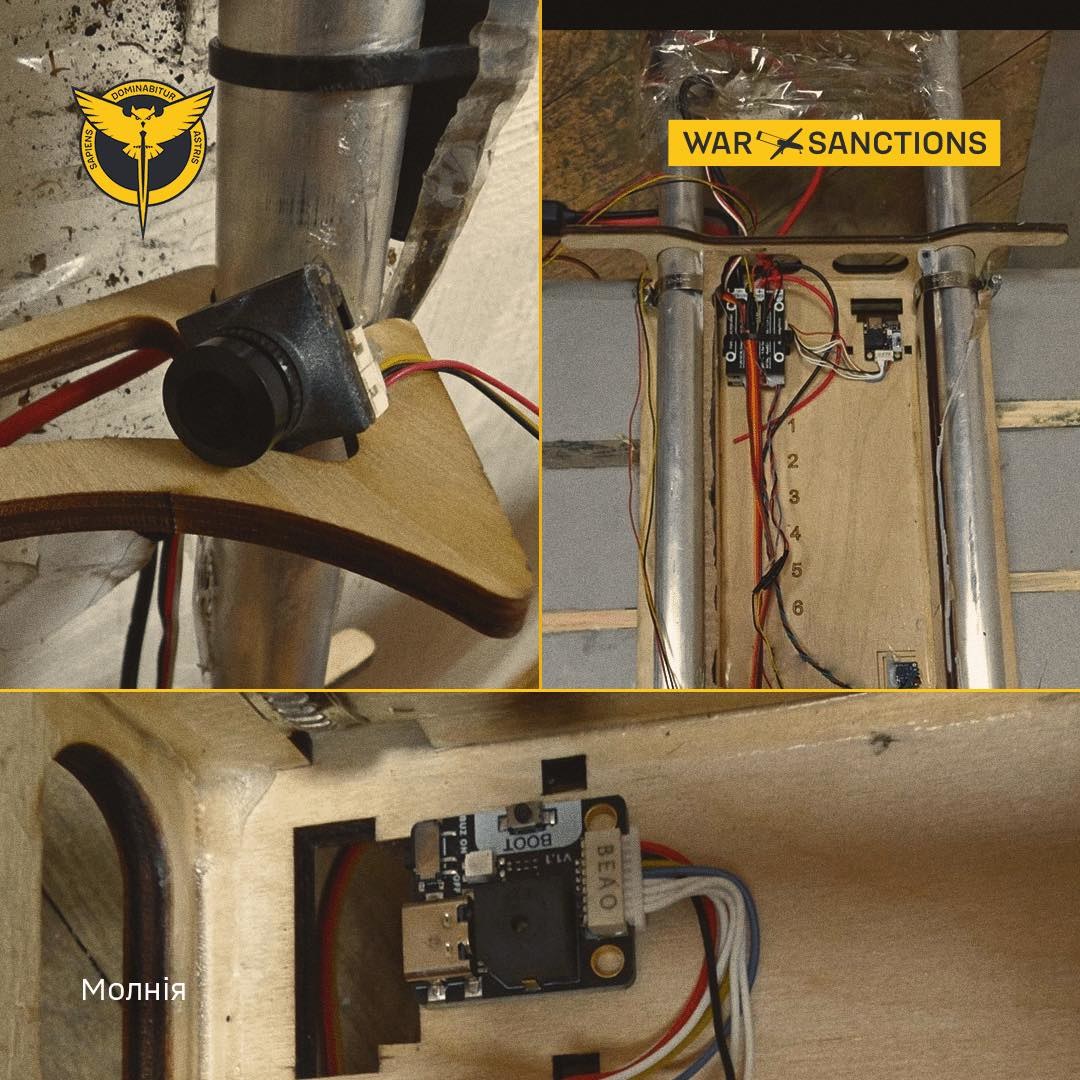
After analysis, GUR found that "Molniya" has a fairly simple design and cheap stuffing, mostly Chinese.
The electric motor, flight controller, cameras and most of the electronics are made by Chinese companies FATJAY, SpeedyBee, Caddx, Huayi Microelectronics, Trex Technologies, etc.
However, the Chinese flight controllers, like many other boards of various Russian weapons, work on microcontrollers marked by the Swiss manufacturer STMicroelectronics. In addition, the motor control board uses converters with the marking of the American manufacturer Vishay and capacitors of the Japanese Rubycon .
This is a reconnaissance UAV, which its developer, Russian LLC TAIP, calls "a development of Orlan-10."
"Filling" contains components marked by manufacturers from five countries - the USA, Switzerland, China, the Netherlands and Taiwan. The largest — 7 components — are marked by the same STMicroelectronics with headquarters in Switzerland and production in nine countries on three continents.
We will remind that China limits the sale of components for drones in the USA and Europe , which are used in Ukraine.