Наталя ХандусенкоHot News
26 December 2025, 16:24
2025-12-26
Unix v4 code found, thought lost for over 50 years, digitized from old magnetic tape
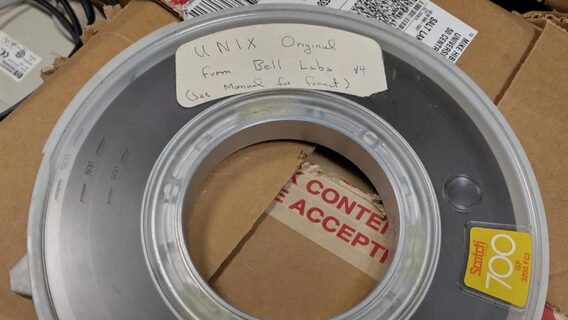
The School of Computer Science at the University of Utah has recovered and restored a half-century-old magnetic tape containing the only known copy of Unix v4. The nine-track 3M tape dates from 1973 and contains approximately 40 megabytes of data. It is the earliest surviving release of Unix in which both the kernel and core utilities were written in C.
The School of Computer Science at the University of Utah has recovered and restored a half-century-old magnetic tape containing the only known copy of Unix v4. The nine-track 3M tape dates from 1973 and contains approximately 40 megabytes of data. It is the earliest surviving release of Unix in which both the kernel and core utilities were written in C.
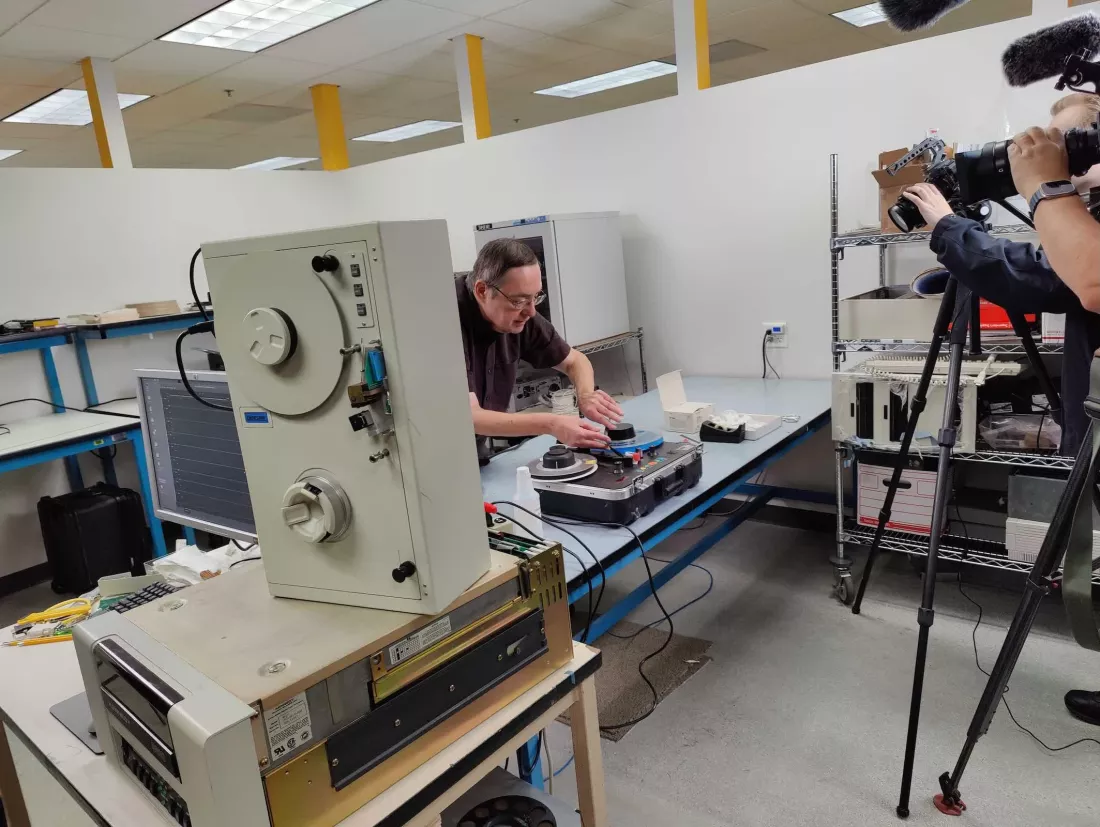
Archivist Al Kossow, who led the technical restoration, called the process “easy” for such projects. According to him, the magnetic medium had “good potential for restoration”: the tape turned out to be durable, despite the fact that the integrity of the magnetic signal on the thin layer of coating was preserved for many decades, TechSpot writes .
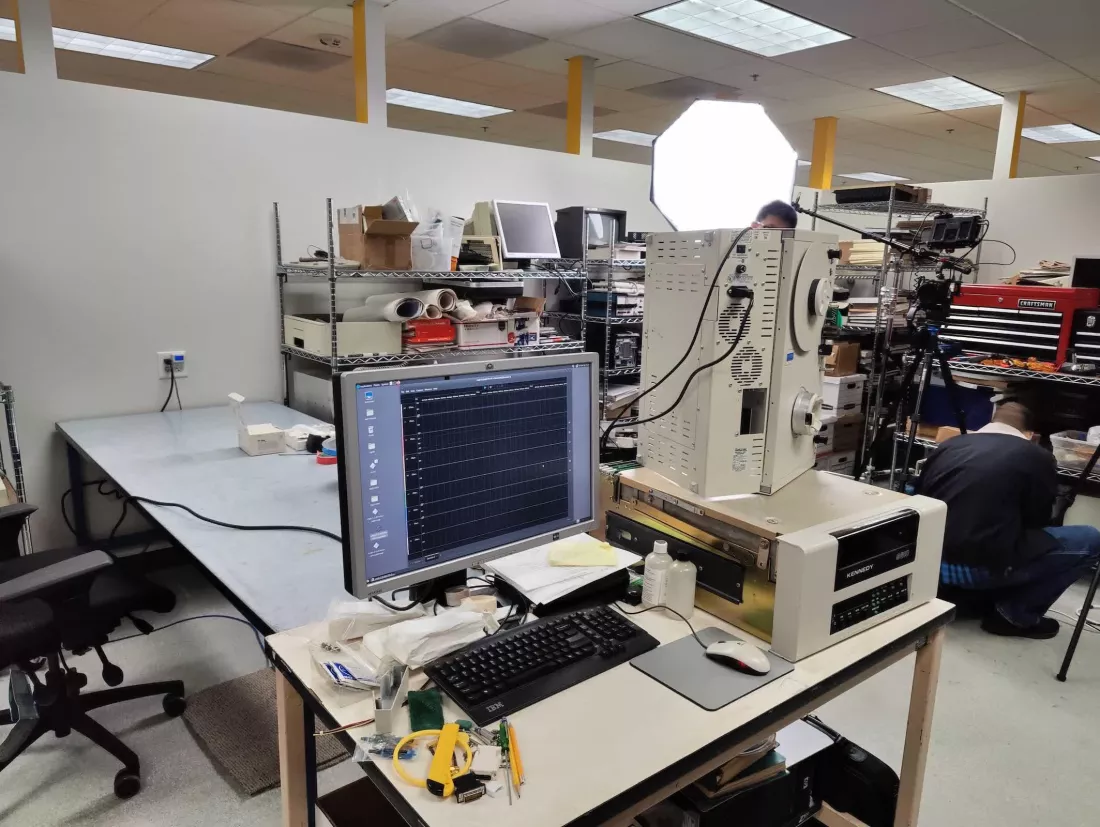
Kossow recovered the data by isolating the read head amplifier and using a multi-channel high-speed analog-to-digital converter (ADC). The system loaded the data into about 100 gigabytes of RAM, after which the signal was processed using a read analysis program.
This setup allowed the original analog signal to be captured directly from the tape heads. The data was then digitized and reconstructed, a method that allowed information to be extracted even from areas of the film that were barely readable.
Source: TechSpot.
The analysis tool, developed by computer historian Len Shustek, analyzed the received signal "wave" and converted it into ordered logical blocks of data - exactly as they were originally recorded on the tape.
After decoding, the archive yielded the complete Unix v4 source code tree and associated artifacts. About 40 MB of recovered data is now available for download. The release includes a README file with step-by-step instructions for booting and compiling the system, intentionally reflecting how operating systems were prepared in the early 1970s.
Unix v4 originally required a DEC PDP-11 minicomputer, a model that became iconic among early computing systems. While the original hardware is long obsolete, enthusiasts can recreate this environment using SimH, an open-source emulator that simulates the architectures of classic machines, including the PDP-11.
Source: TechSpot.
In addition to the technical rescue of the data, the team faced the conundrum of historical reconstruction. In 1973, Unix was a fledgling experimental project by a small group of programmers exploring the idea of multi-tasking. The recovered media pointed to the recipient of the tape as Martin Newell, a computer graphics researcher at the University of Utah. He is best known for creating a model of the original "Utah Teapot," a 3D object that later became a universal test model for rendering.
Unix v4 is more than a historical monument; it is a unique look at the evolution of software. This version recorded an epochal shift: the transition from low-level assembly to high-level languages. It was then that the concepts of portability and modularity were born, which shaped the image of modern Unix and all the systems that followed its path.
Security demand brings back popularity to the Ada programming language. As the “best option for survival,” which emerged in the 70s at the initiative of the Pentagon and is used in Nvidia’s AI products, Ukrainian Miltech drives
Цікава новина, але перекладачка далека від суті предмету. Так само варто зберігати всі посилання з оригінальної статті, зокрема на архів https://archive.org/details/utah_unix_v4_raw










Цікава новина, але перекладачка далека від суті предмету. Так само варто зберігати всі посилання з оригінальної статті, зокрема на архів https://archive.org/details/utah_unix_v4_raw