Хочете будувати кар’єру в Data Science та AI? Vodafone Big Data Lab відкриває новий набір —>
Олексій ДзюбаWar
26 January 2025, 13:17
2025-01-26
"A kamikaze with a 10-kg mine made of sticks." Everything you need to know about the Russian Molniya drones, with which the enemy has been terrorizing Kharkiv in recent months
Explosions were heard in Kharkiv on Saturday, January 25. Russian occupiers attacked the city with drones. The National Police showed photos from the sites of the attacks and confirmed that a civilian man and two women were injured in the Kholodnohirsky district of Kharkiv as a result of a strike by a Molniya UAV on a civilian infrastructure facility.
For several months, the aggressor has been terrorizing the city, as well as the near rear of Ukrainian troops in Kursk and other areas of the front, with a new drone capable of covering more than 30 km. Recently, the Russians began equipping these drones with anti-tank mines, which has enhanced their effect. We tell you in detail how the "Lightning" works.
Explosions were heard in Kharkiv on Saturday, January 25. Russian occupiers attacked the city with drones. The National Police showed photos from the sites of the attacks and confirmed that a civilian man and two women were injured in the Kholodnohirsky district of Kharkiv as a result of a strike by a Molniya UAV on a civilian infrastructure facility.
For several months, the aggressor has been terrorizing the city, as well as the near rear of Ukrainian troops in Kursk and other areas of the front, with a new drone capable of covering more than 30 km. Recently, the Russians began equipping these drones with anti-tank mines, which has enhanced their effect. We tell you in detail how the "Lightning" works.
What is "Lightning"?
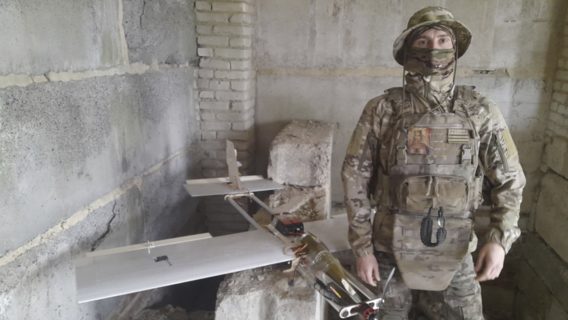
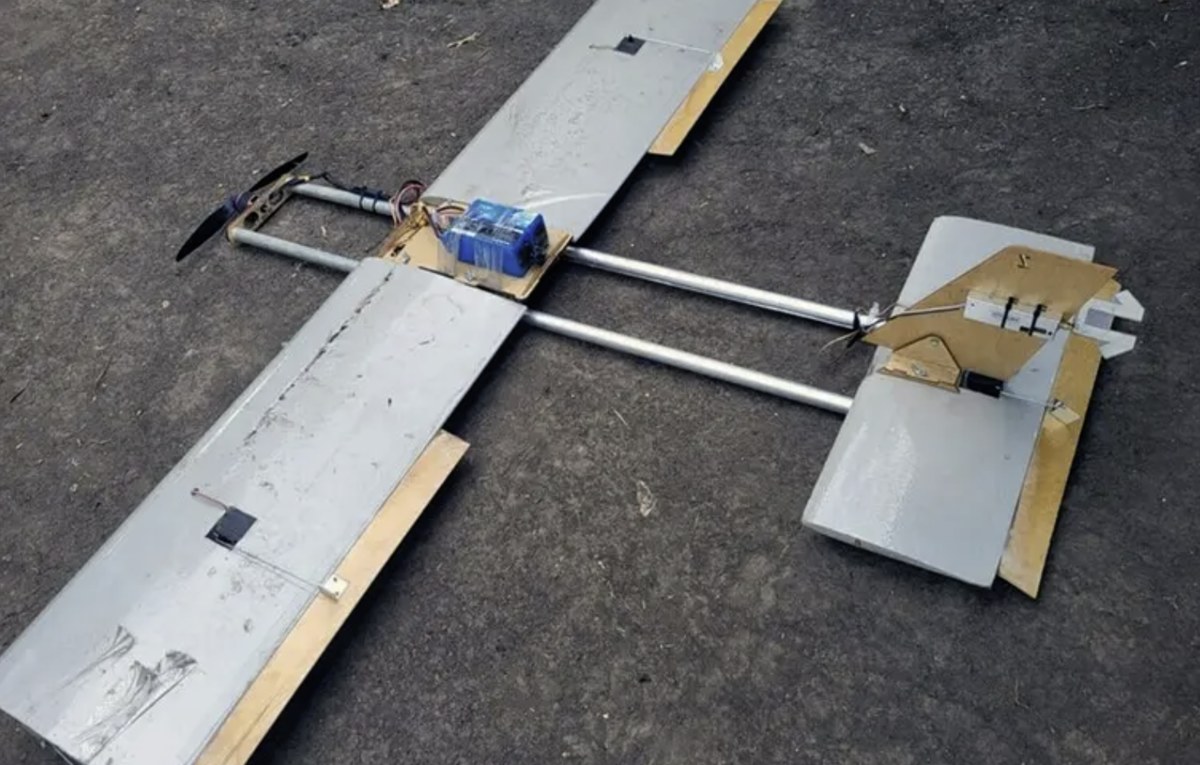
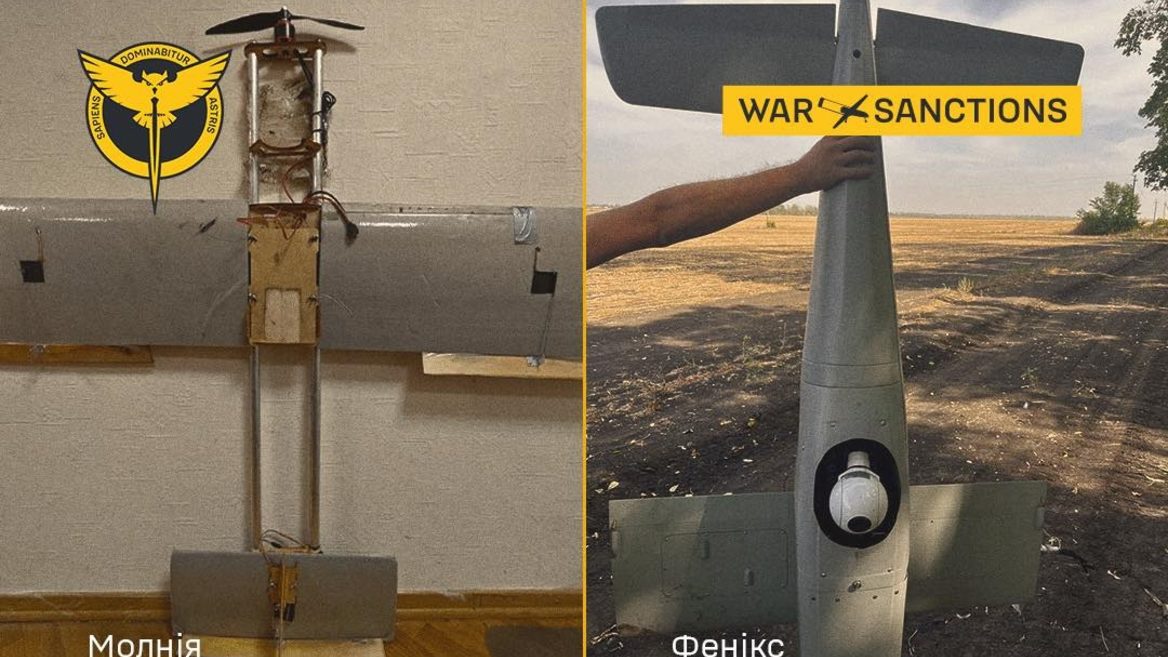
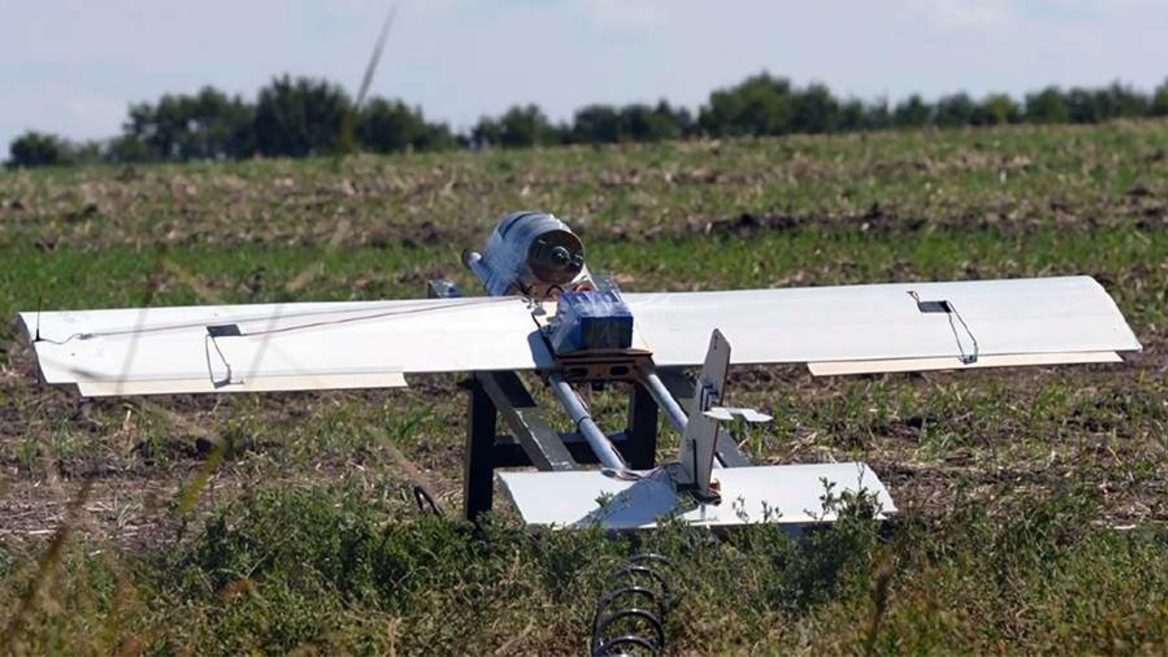
"Molniya" is an aircraft-type kamikaze drone. Today, it is known that there are two models of these FPV drones - "Molniya-1" and "Molniya-2". With one and two electric motors, respectively. The first reports of their use appeared last spring.
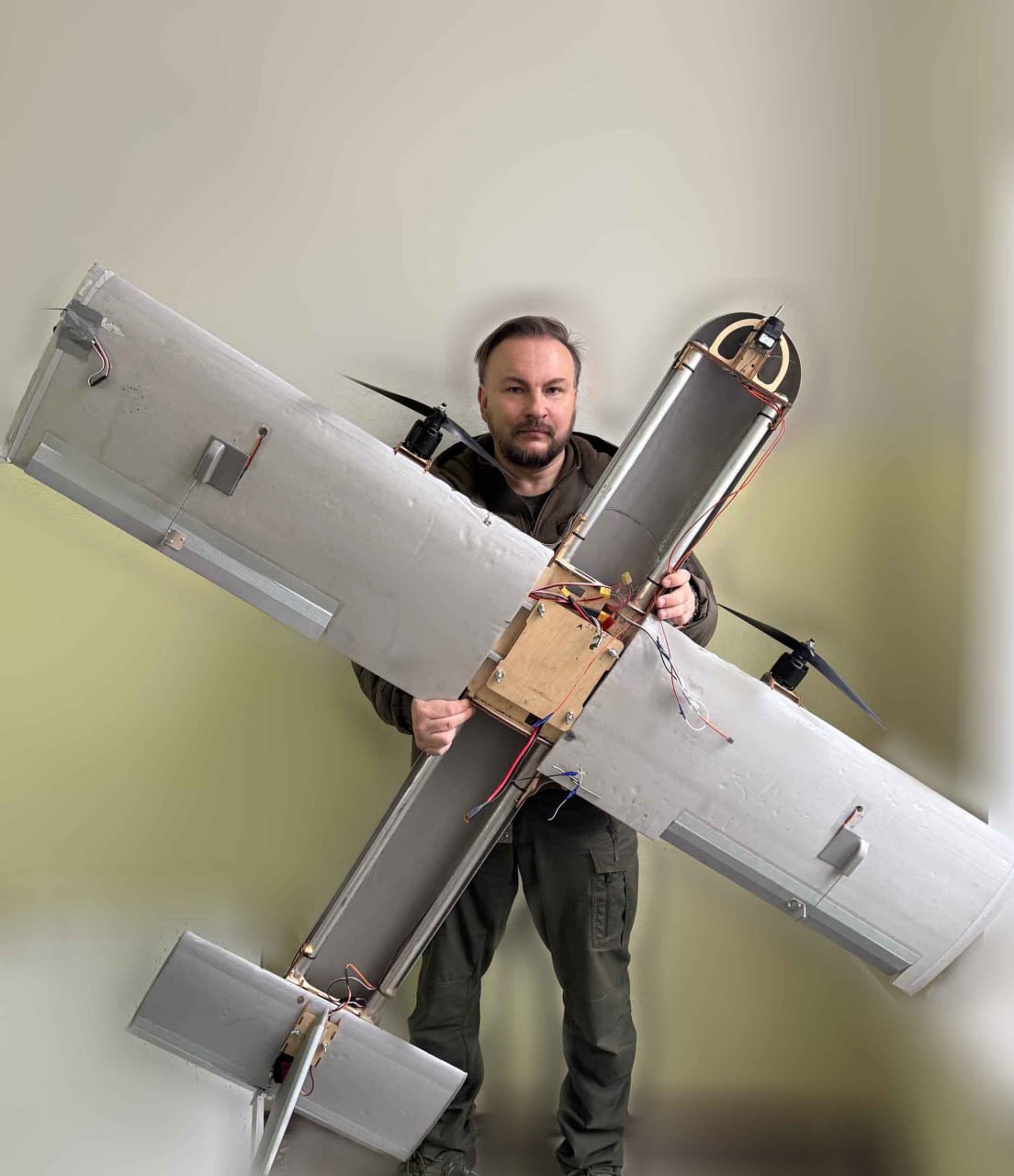
Photo — UAV "Lightning"
"This drone is quite cheap, it is made in artisanal conditions from plywood, plastic, polyethylene. Each time a different warhead can be installed on it. It can be a hand grenade, a shot from a hand-held anti-tank grenade launcher (RPG), an improvised explosive device can also be used," said Dmytro Chubenko, spokesman for the Kharkiv Regional Prosecutor's Office.
Like an FPV drone, it is homed and controlled directly by an operator. Enemy sources have reported that they can fly at a distance of 30-40 km.
Why the enemy started using a new drone
The main reason is its cheapness. From the beginning, the Russians used ballistic cruise missiles, which cost millions of dollars. When they started running out of them or it became too expensive for them to use them, they switched to Shahed, which already cost tens of thousands of dollars. Now they have used the Molniya, which is even cheaper than Shahed. That is, we are talking about several thousand dollars in the cost of such a drone.
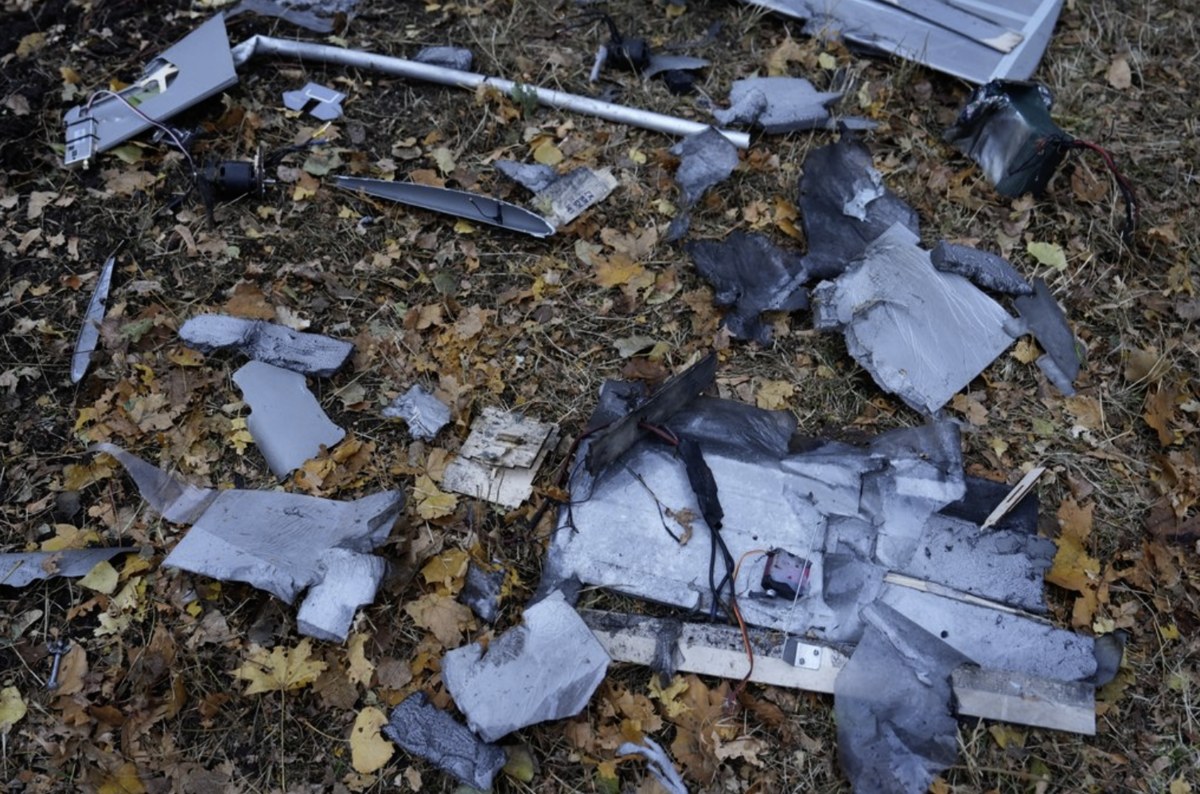
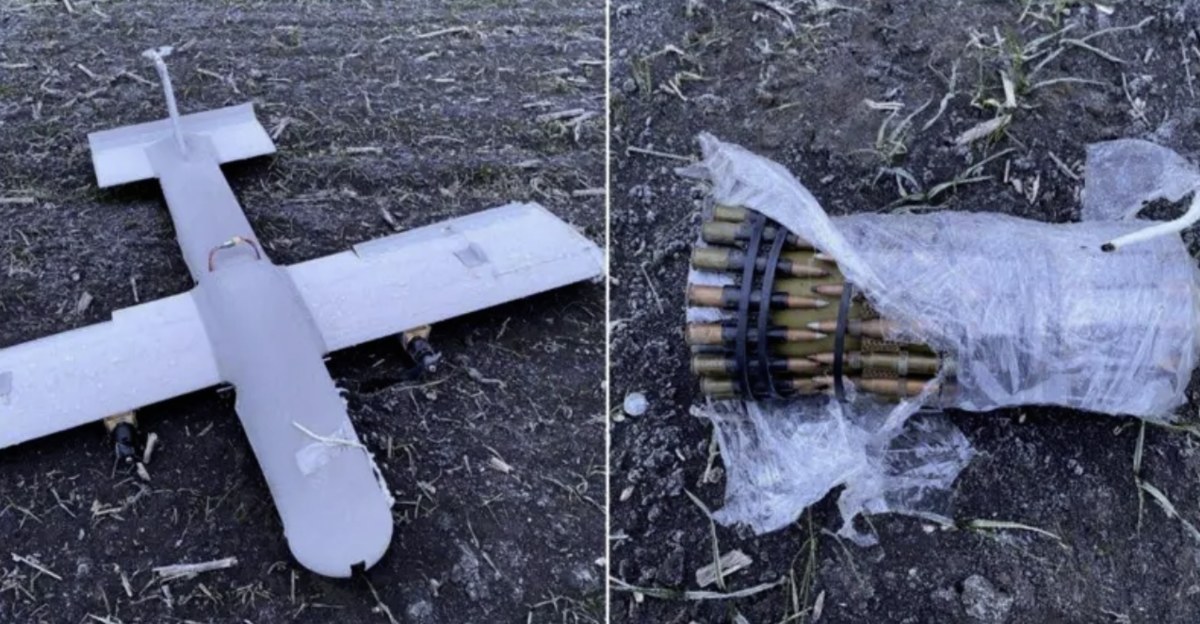
Photo — Wreckage of the downed "Molniya" in Kharkiv
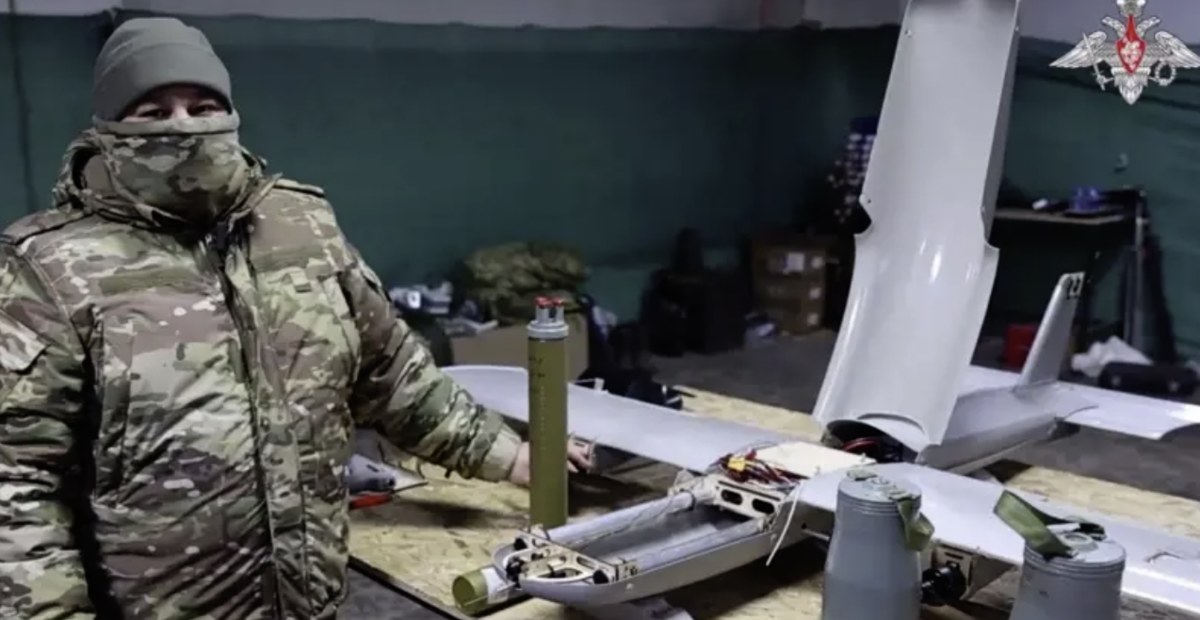
Another characteristic is the ease of assembly. In the video, drone crews assemble them in artisanal conditions and fasten the parts with reinforced tape or electrical tape. Military observers note that the designers of the Molniya managed to find a balance between "cheap" and "effective."
How the Russians are improving the "Lightning"
If previously the Molniya carried relatively familiar warheads, for example, a cumulative grenade from a shot to the RPG-7, or a cumulative sapper charge KZ-6, like the Lancet , now it has switched to warheads that are much larger in size and more dangerous.
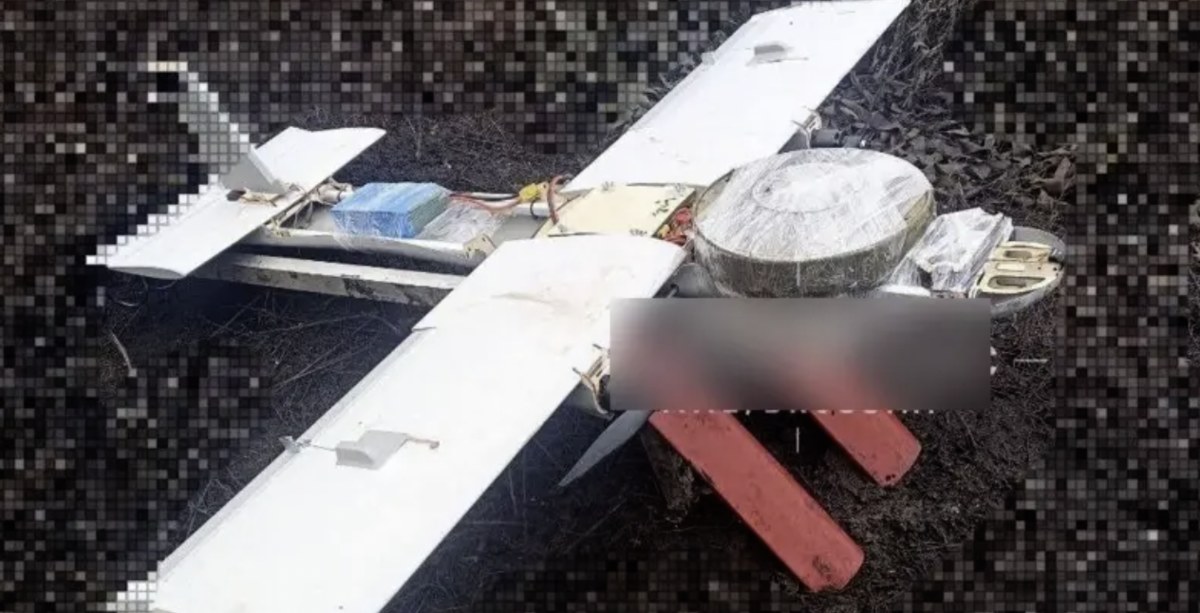
Photo — "Molniya" with a TM-62 mine
Increasingly, the enemy is boasting about equipping these strike drones with TM-62 anti-tank mines, which weigh about 10 kg, of which more than 7 are explosives. They are used by the enemy to strike at the shelters of Ukrainian defenders. In this case, it is impossible to launch the drone using a standard catapult. Therefore, the Russians began to raise the launchers to the upper floors of buildings.
But this also works against the enemy. Since in such equipment it is necessary to remove part of the drone's fuselage, which means worse aerodynamic qualities. More load also means shorter flight range and worse controllability. Tying the enemy to high-rise buildings is a good factor that allows you to narrow the search for launch points. Especially considering the shorter range of use of these drones with TM-62.
How dangerous is this drone for civilians?
The Main Intelligence Directorate of the Ministry of Defense of Ukraine writes that its warhead is ten times smaller than that of a Shahed-type kamikaze drone, which has about 50 kg of explosives. It can carry from three to five kilograms of explosives.
Photo — UAV "Lightning"
According to Dmytro Chubenko, the Molniya UAVs are not very powerful and cannot penetrate walls. However, their warhead has a large number of striking elements, so they are especially dangerous in open terrain.
"The bullets fired from the Molniya drone pose a danger to people," the official explained. According to him, they can cause damage to the skin and body, which can lead to serious blood loss.
How "Lightning" is used on the front
"Destruction of capital structures, dugouts, destruction of armored vehicles — this weapon complements the more technological and expensive "Lancet". But unlike the "Lancet", it is independent, does not require a gunner in the sky, such as "Zala" or "Superkam", experts say .
The military suggests that the Molniyas could be launched from the same control stations as quadcopters, without any conversion. This would reduce the overall cost of using kamikaze aircraft.
Photo — UAV "Lightning"
The Russians can also install LiPo (lithium-polymer) batteries on the Molniya, which have more power for power maneuvers. This allows for increased speed in a dive in front of the target, gives a better ballistic trajectory and makes targeting easier. And this allows for striking without video and with the engine turned off, that is, silently.
Our military expects the Russians to install automatic target acquisition units on the Molniya, which will allow them to "hunt" for moving objects.
"Enemy FPV aircraft such as the Molniya and Priveta often fly long distances. Flights up to 40-50 km are no longer uncommon. For some reason, this FPV niche is not popular here," army communications specialist Sergei "Flash" Beskrestnov wondered in December.
How to shoot down "Lightning"
In cities with air defense systems and mobile groups, it's a simpler story. At the front, countering this drone is more difficult, but possible. The military is talking about several options.
If their use becomes widespread, it is necessary to increase the number of video interceptors (electronic reconnaissance equipment that detects the video signal of drone communications. — ed.), because the signal is much better visible at altitude. And then suppress it with electronic warfare.
Photo — UAV "Lightning"
Since the Lightnings fly higher than FPV quadcopters, and at altitude their signal does not "hide" behind the radio horizon, it can be detected from a greater distance.
Another option could be to physically destroy the kamikaze plane. But there is hardly much chance of success here. We still don't have anything effective for destroying planes and helicopters during their approach.
"The Molniya" partly has the properties of a mortar and at the same time a mini-CAB, it is adjusted, but it can dive, gaining great speed and inertia in front of the target. It is practically impossible to shoot down such a thing with small arms.
Another way to counter this could be FPV interceptors. They are already being used against the Molniya, and various models are being developed and improved.
Cheap Russian Molniya drones have received combat units and are now terrorizing Kharkiv residents. Why it is difficult to warn about them with an air alarm