Хочете будувати кар’єру в Data Science та AI? Vodafone Big Data Lab відкриває новий набір —>
Олександр КузьменкоWeapon
23 October 2026, 15:57
2026-10-23
Colossal and Anduril founders raise $200 million to create genetically modified fighting dogs
American startups Colossal Biosciences (known for its work on the return of mammoths) and Anduril (the miltech project of entrepreneur Palmer Luckey) have launched a joint project, Warhound, which will engage in genetic modification and cloning of service dogs for the needs of the US armed forces and law enforcement agencies. The new company has already attracted $200 million in investment and is valued at $1.2 billion.
American startups Colossal Biosciences (known for its work on the return of mammoths) and Anduril (the miltech project of entrepreneur Palmer Luckey) have launched a joint project, Warhound, which will engage in genetic modification and cloning of service dogs for the needs of the US armed forces and law enforcement agencies. The new company has already attracted $200 million in investment and is valued at $1.2 billion.
This is reported by TechCrunch. Among the project’s investors are venture funds Sequoia, 8VC, Corner Ventures, as well as In-Q-Tel, which is supported by the CIA and other US intelligence agencies.
The reason for the creation of Warhound was the shortage of quality service animals: more than 80% of dogs for the US military are imported from Europe, and less than half of them are found to be fit for service due to hereditary diseases such as dysplasia or vision problems. Through genome editing, the startup plans to breed animals with improved health, endurance and a sharper sense of smell for detecting explosives.
“The idea is that if we make the dog safer, healthier and more efficient, it will be better able to perform its duties,” said Colossal co-founder Ben Lamm.
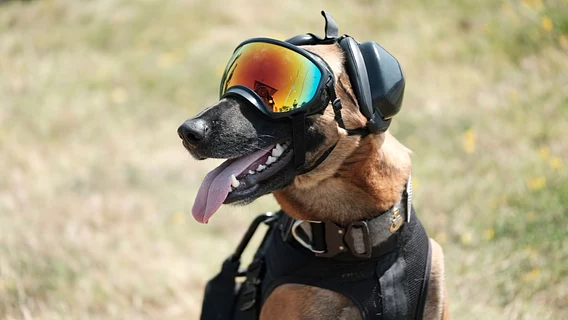
To develop the genetic material, the team has already taken cell lines from the most efficient breeds — the Belgian Malinois and the German Shepherd. In parallel, Anduril is developing smart equipment for them, including body armor with sensors and special glasses to improve coordination with dog handlers. The first generation of cloned puppies is expected in early 2027, and the full launch of the service is planned within two years.