Хочете будувати кар’єру в Data Science та AI? Vodafone Big Data Lab відкриває новий набір —>
Ігор Вишневський Work
19 July 2025, 10:12
2025-07-19
4 in 10 millennials take “silent vacations”: they go on vacation without informing management. Why is this trend popular and is it only the employees’ fault?
Nearly 4 in 10 millennials secretly go on vacation behind their management’s backs without informing them.
Nearly 4 in 10 millennials secretly go on vacation behind their management’s backs without informing them.
At the same time, as Fortune reports, such employees usually take their work phone to the beach and check their email from time to time so they don’t get caught absent during the work process.
Under such conditions, employees have to feign an online presence during their vacation: they occasionally check their Slack or other work communication tool, and respond to individual emails from a beach in a completely different country.
According to a Harris Poll report, 28% of workers overall take time off from work without informing their employer, but among millennials this percentage is higher: this trend has reached approximately 4 in 10 representatives of this generation.
«They often move their laptop cursor to appear online or practice scheduled message delays to make it look like they are working overtime,» the publication writes.
At the same time, this does not at all indicate their indifference to work, quite the opposite: millennials are afraid to appear unoccupied, and they go on a «quiet vacation» only because they are actually afraid to ask for official leave, fearing that they will be denied.
Researchers emphasize that anxiety is the main reason why employees take such extreme measures.
According to career coach Kyle Elliott, the most real sign that your employee is on a secret vacation is a change in the frequency or timing of their responses. «If someone who usually responds to emails and Slack messages within minutes suddenly takes hours or starts responding at unusual times, they may be on vacation or working from a different location,» the expert concluded.
But he insists that it’s important for employers to stop this behavior by getting to the root of it—why their employees feel the need to lie and, instead of taking real vacation, are forced to resort to manipulation.
«This could be a sign of a larger cultural issue, such as a lack of psychological safety or unclear expectations, that needs to be addressed,» Elliott adds.
Reasons and statistics
Meanwhile, Albert Galarza, vice president of human resources at technology company TELUS International, cited statistics for his column in Forbes, according to which, according to the Harris Poll Out of Office Culture Report:
24% of Generation X and Z employees took leave without prior permission, while among millennial workers, the number is 37%;
78% of workers do not use all of their paid vacation days because they fear the consequences — according to statistics, 49% of American workers «get nervous when they ask for paid vacation»;
Only 40% of employees said that their workplace respects the right to vacation.
Approximately 43% of respondents feel uncomfortable about their colleagues having to take on additional work during their vacation.
Earlier, as dev.ua wrote, the CEO of an HR startup told how artificial intelligence «covered» her during her vacation.
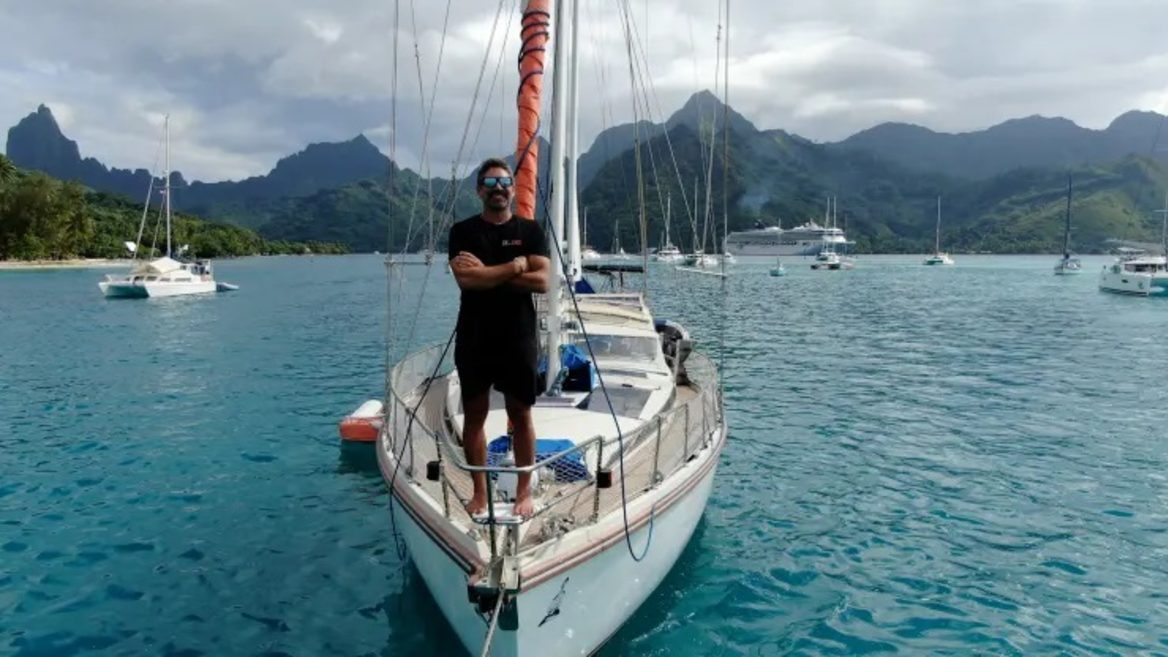
«This trip radically changed my DNA.» A Microsoft programmer took a two-year leave to travel the world on a sailboat: has the IT worker returned to work?
«There are no options. War is outside the window, summonses are all around. It would be good to just take a break from the monitors.» Do IT professionals go on vacation during the war?












Працюю токарем на заводі. Що я вам скажу: дуже складно ходити у тихі відпустки. Максимум на годину зміг. )))
У токарів є мікровідпустки в яких вони проводять більше часу ніж у звичайній. Це називається перекур