Хочете будувати кар’єру в Data Science та AI? Vodafone Big Data Lab відкриває новий набір —>
Валентин ШнайдерScience Pop
11 August 2025, 17:27
2025-08-11
Paralyzed American controls iPad with the power of thought thanks to Synchron brain implant
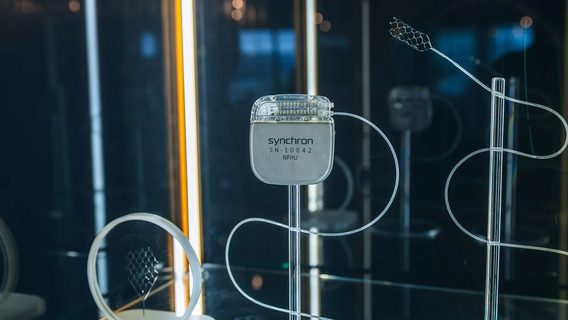
Mark Jackson, 65, from the US, who lives with amyotrophic lateral sclerosis, has been able to use an iPad without his hands, using only his thoughts. This was made possible by the Stentrode brain implant and the integration of the technology with Apple devices.
Mark Jackson, 65, from the US, who lives with amyotrophic lateral sclerosis, has been able to use an iPad without his hands, using only his thoughts. This was made possible by the Stentrode brain implant and the integration of the technology with Apple devices.
As PCMag reports, Synchron has become the first brain-computer interface (BCI) manufacturer to connect its devices to the iPhone, iPad, and Vision Pro headset via Bluetooth. The collaboration with Apple began in 2024 and led to the creation of the BCI HID protocol, which supports iOS, iPadOS, and visionOS.
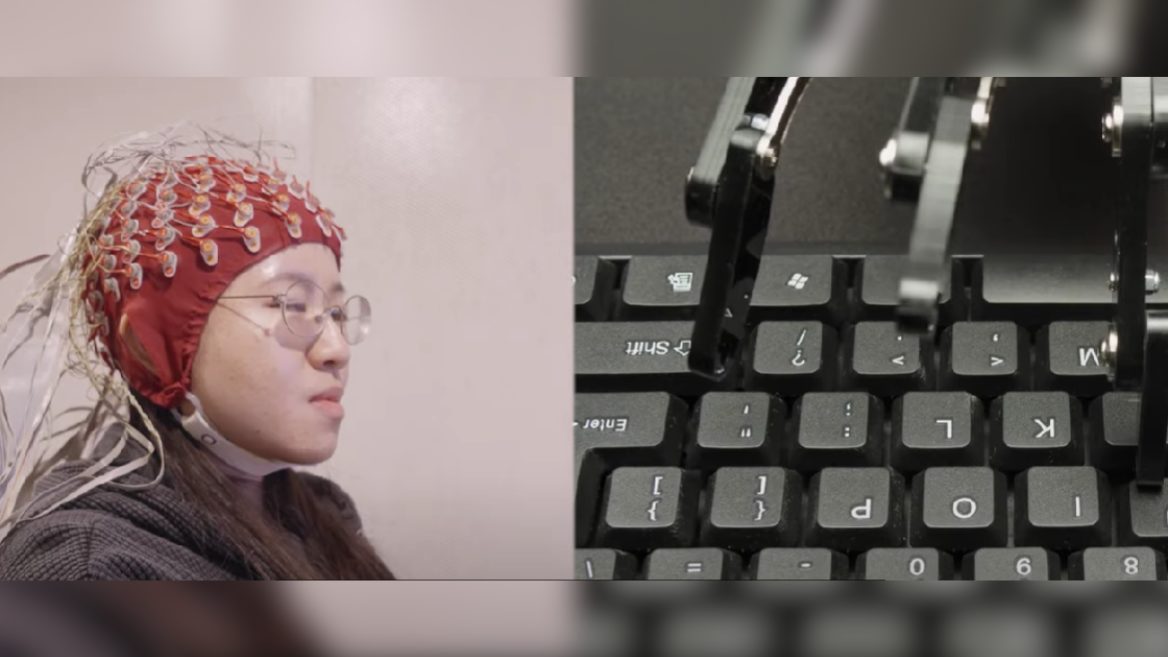
In the demo video, Jackson navigates the screen, opens apps, and even writes messages while thinking about what action to take. A key element is the signal strength indicator: when the user focuses on selecting an icon, a frame appears on the screen that changes color depending on the signal strength, improving the accuracy of the selection.
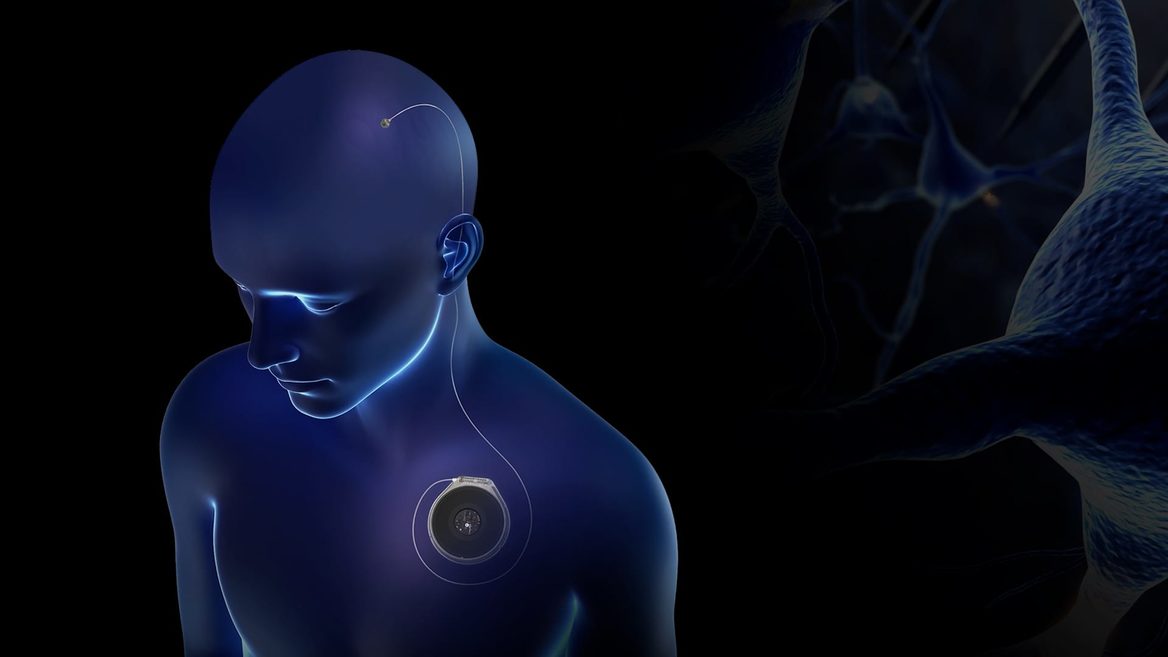
The technology works by combining the Switch Control feature with a Stentrode implant, which reads neural activity and transmits it to an external decoder. The signal is then transmitted to Apple’s operating system via the HID protocol. Unlike Neuralink implants, the Synchron device does not penetrate the cerebral cortex, which reduces risks and speeds up recovery after surgery.
Morgan Stanley estimates that safe BCIs could be commercially available by 2030, potentially benefiting more than 150,000 Americans with severe disabilities. Synchron is confident it can bring the technology to market sooner and compete with Elon Musk’s Neuralink, which has taken an invasive approach and uses implants with thousands of electrodes.
As a reminder, we also published an article about how Elon Musk’s company Neuralink announced the start of the first clinical trials of brain implants in Europe. A pilot study has already begun in the UK with the participation of patients with serious nervous system injuries.