Electronic warfare manufacturer December1 plans to increase its R&D team to 300 specialists. What specialists does the company lack and who are they willing to hire without experience?
Ukrainian defense company December1, which develops and manufactures electronic warfare and drone detection systems, plans to double its R&D team from 150 to 300 specialists. The company is ready to hire even juniors and trainees, but they say that finding engineers is not easy, because at one time many graduates of specialized faculties went into classical IT.
Ukrainian defense company December1, which develops and manufactures electronic warfare and drone detection systems, plans to double its R&D team from 150 to 300 specialists. The company is ready to hire even juniors and trainees, but they say that finding engineers is not easy, because at one time many graduates of specialized faculties went into classical IT.
Currently, the company has over 700 employees working in production, with another 150 in R&D. New specialists will be sought both to create new products and to improve those already used by the military.
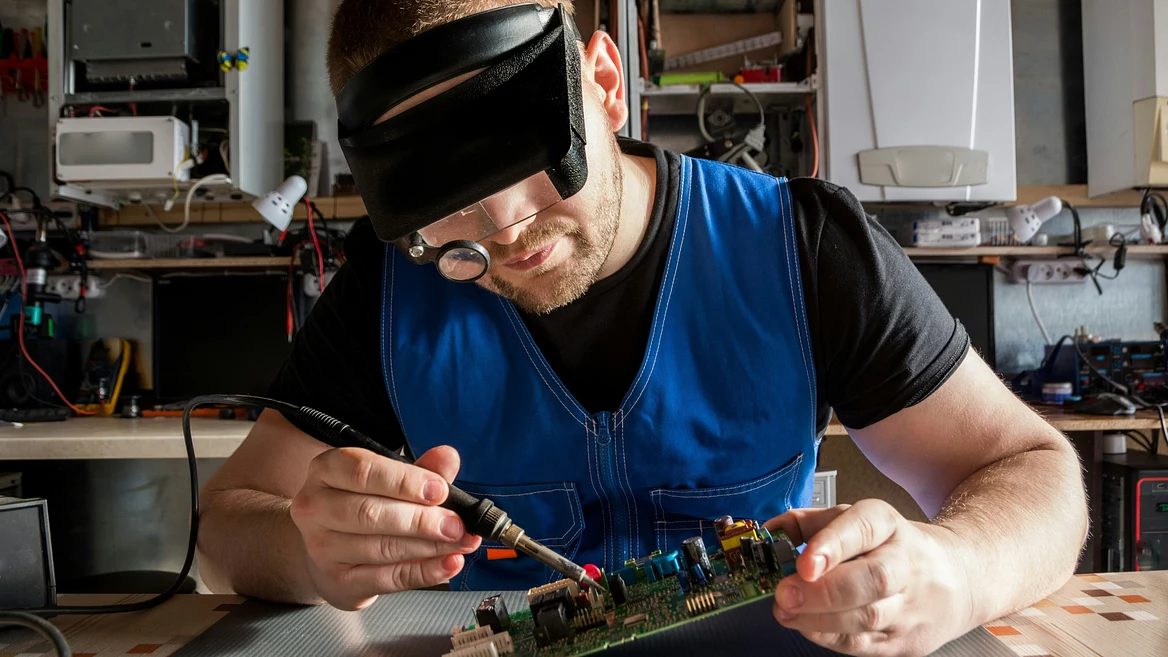
December1 is most short of radio engineers, DSP engineers (digital signal processing specialists), and FPGA engineers (specialists who work with programmable logic chips). Before the full-scale invasion, the demand for such specialists was low, as were the salaries. Therefore, many engineers chose other areas of work. But now it is hardware engineers, radio engineers, and DSP engineers who receive the highest salaries in the company.
"We faced the problem that many graduates of the Radio Engineering Faculty of KPI went to develop applications for iOS. Accordingly, they lost their expertise and knowledge in radio engineering. Very few people remained to work in their specialty," December1 notes.
The company is also ready to hire beginners who want to develop in engineering. But even such candidates, according to December1 representatives, are difficult to find. The company hopes that with the growth of salaries in the defense industry, young people will choose these professions more often.
The company produces about a thousand electronic warfare systems and from 150,000 to 200,000 electronic components for drones every month. December1 launched its own production of components back in 2024, when there was a threat that China might limit the supply of these components to Ukraine. Now the company says that they can compete with Chinese manufacturers in terms of price and technical characteristics. Their components are already being purchased by European companies.
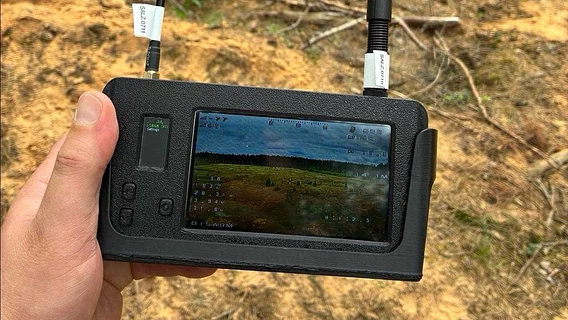
Previously, dev.ua wrote that December1 introduced DroneSensor Providence, a system that can detect drone signals at a distance of up to 30 km and intercept video from FPV drone cameras.
December1 also agreed with the Lithuanian defense company Pekkla to create a joint venture in Lithuania. They plan to start producing Damba electronic warfare systems there as early as 2027.
Ukrainian MilTech faces shortage of electromechanics. Companies are forced to train new employees, “attract” specialists, and look for alternatives to manual soldering — CEO DevDroid
UCU will hold a hackathon for young people aged 18–24 in Lviv: participants will be given real tasks from partner companies and a grant competition. There will also be a job fair
Have important news to share? Message our Telegram bot
Key events and useful links in our Telegram channel