Олександр КузьменкоWeapon
10 June 2026, 11:55
2026-06-10
Ukrainian alternative to Patriot is coming. Fire Point plans to start production of low-cost FP-7.X missile interceptors in August
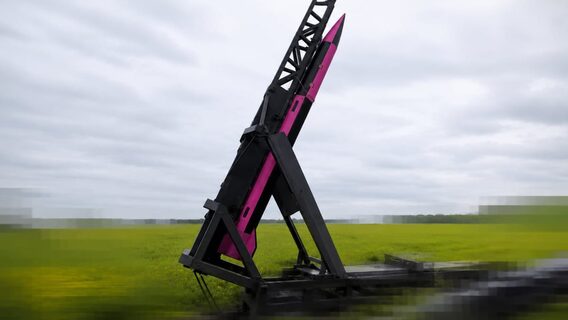
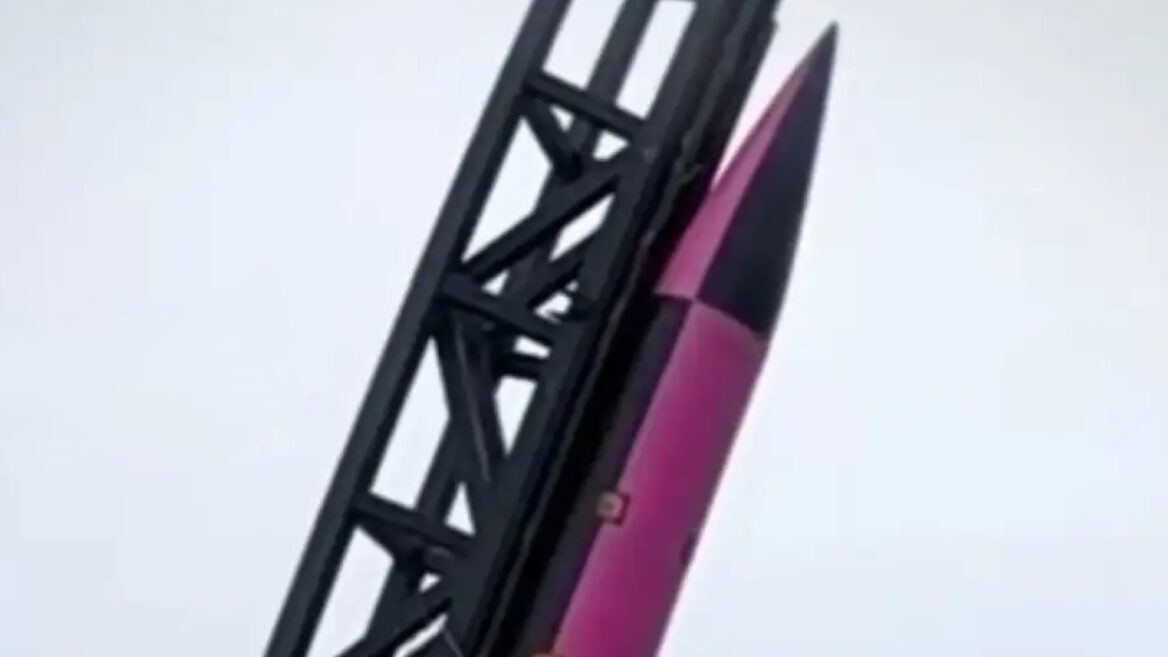
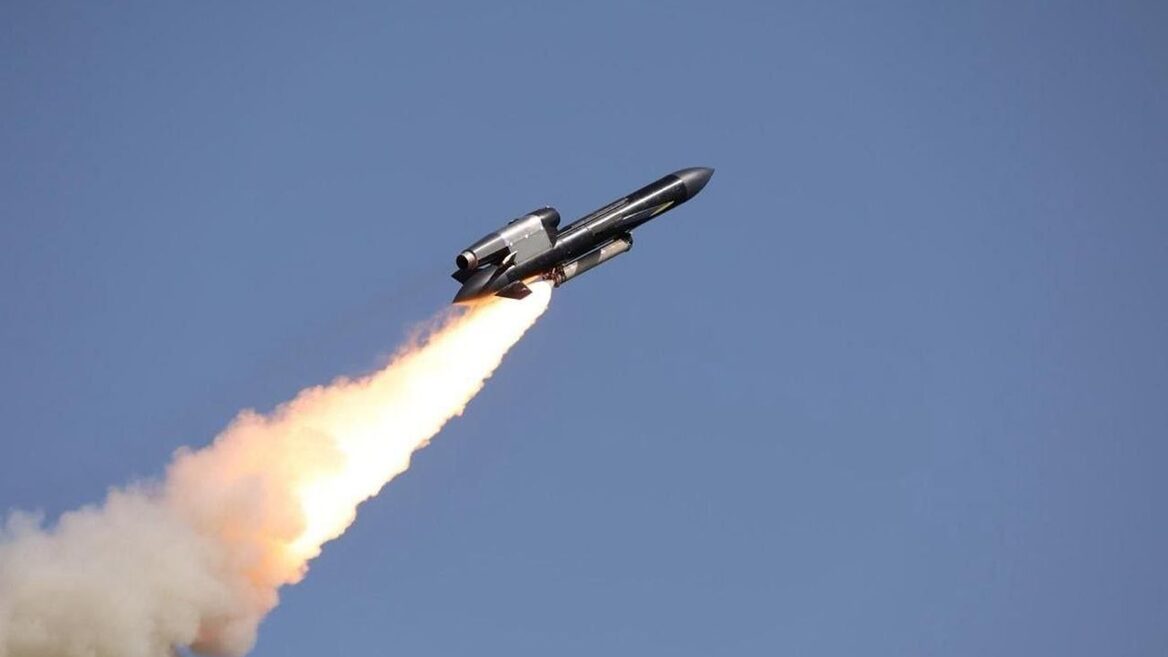
Ukrainian defense technology developer Fire Point is preparing to launch production of its new FP-7.X anti-missile interceptors in August this year. The development is intended to become a mass and much cheaper alternative to Western air defense systems in the fight against Russian ballistic missiles and drones.
Ukrainian defense technology developer Fire Point is preparing to launch production of its new FP-7.X anti-missile interceptors in August this year. The development is intended to become a mass and much cheaper alternative to Western air defense systems in the fight against Russian ballistic missiles and drones.
In the first phase, Fire Point plans to produce missile bodies at a rate of up to three units per day. However, the pace of final assembly will depend on the import of infrared homing heads from the German company Diehl Defence. The finished gliders will be stored in warehouses until the integration of these optical sensors, and the fully equipped and combat-ready products should arrive in 2027.
The main advantage of the Ukrainian interceptor is its cost-effectiveness. The cost of one FP-7.X is estimated at $700,000. For comparison, one PAC-3 anti-missile for Patriot complexes costs about $3.8 million according to the US defense budget for 2026. At the same time, in terms of the height of target destruction (up to 25 km), the Ukrainian development is approaching the capabilities of the American system.
The FP-7.X is part of a future comprehensive air defense solution called FREYJA. The remaining components of the system — detection radars, target tracking and a control system — are to be supplied by European partners. According to European and Ukrainian officials, the startup has been in talks about partnerships with Germany’s Hensoldt and Thales, Italy’s Leonardo and Norway’s Kongsberg.
«The completion of this project depends on the speed of our Western partners and when they begin to act,» emphasized Denis Shtilerman.
In order to reduce the cost of the design as much as possible, the engineers chose a combined guidance method. Unlike the Patriot, which is constantly accompanied by an expensive ground-based radar, the Ukrainian interceptor moves with the help of radar only on the marching trajectory, and on the «last mile» before the target it turns on its own thermal homing head. Although thermal sensors are more sensitive to heat traps and radio-electronic interference, this solution allowed to significantly reduce the cost of the missile.
The startup was able to quickly go from blueprints to production preparation thanks to martial law and a significant simplification of regulatory procedures in the Ukrainian defense-industrial complex. As Denis Shtilerman noted, today Ukraine has one of the least bureaucratic approaches in the world to the creation and certification of aerospace products.