Хочете будувати кар’єру в Data Science та AI? Vodafone Big Data Lab відкриває новий набір —>
Стас ЮрасовStartup
26 December 2024, 14:17
2024-12-26
COO of Deus Robotics: “AI-powered robotic automation can help you do things conventional automated systems cannot do.” Blitz Interview
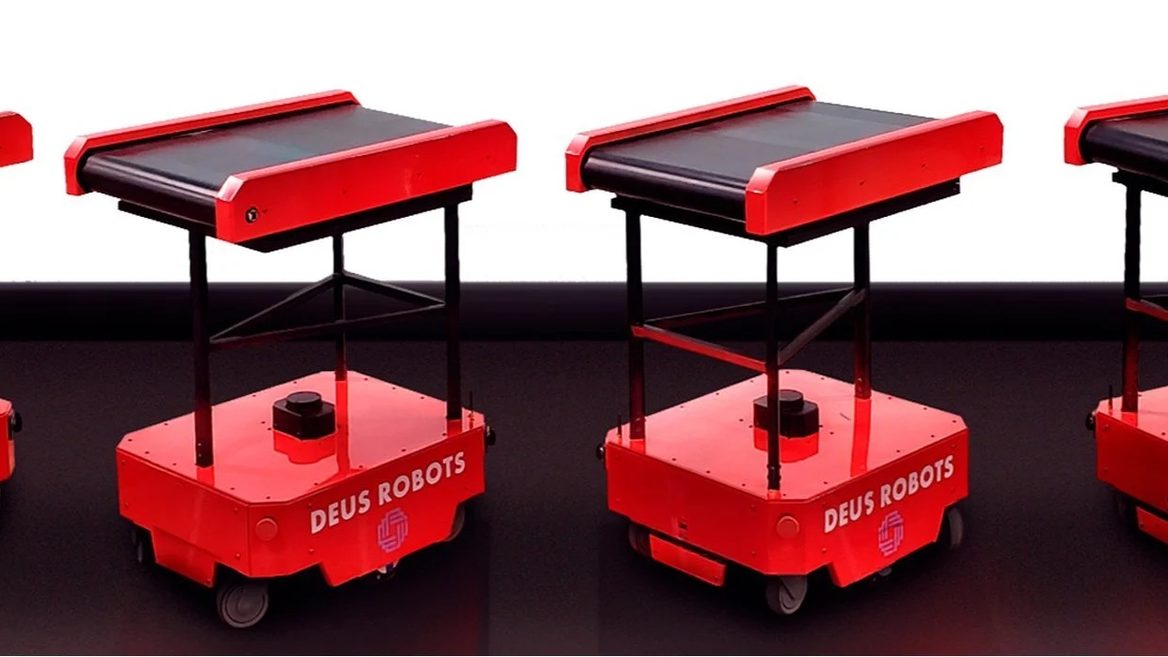
Today, it was announced that the Ukrainian startup Deus Robotics has secured $3 million in investments from local funds. The contributors include 1991 Ventures, SID VP, Sigma Software Labs, and SD Capital, co-owned by Andriy Stavnitser and Philip Hrushko. This latest round brings Deus Robotics' total funding to $6.6 million. Following this investment, the company’s valuation has risen by one-third to $20 million. At the ForbesTech conference in November, we spoke with Antonina Iermeichuk, COO and co-founder of Deus Robotics. She shared insights on the company’s traction, explained why they don’t view Amazon as a competitor, and discussed their strategic shift to focus on software by outsourcing the production of smart robots to partners. We’re publishing this brief interview below.
Today, it was announced that the Ukrainian startup Deus Robotics has secured $3 million in investments from local funds. The contributors include 1991 Ventures, SID VP, Sigma Software Labs, and SD Capital, co-owned by Andriy Stavnitser and Philip Hrushko. This latest round brings Deus Robotics' total funding to $6.6 million. Following this investment, the company’s valuation has risen by one-third to $20 million. At the ForbesTech conference in November, we spoke with Antonina Iermeichuk, COO and co-founder of Deus Robotics. She shared insights on the company’s traction, explained why they don’t view Amazon as a competitor, and discussed their strategic shift to focus on software by outsourcing the production of smart robots to partners. We’re publishing this brief interview below.
Reference
Deus Robotics is a developer of an AI platform that combines logistics robots from any manufacturer into a single system and makes them smarter.
Which types of businesses are still moving towards automating their operations? Perhaps warehouses, chains, factories, pharmacies, or stores?
Investment in warehouse automation is widespread — from retailers to pharmaceutical companies, and manufacturers of ceramic tiles, doors, and bricks. In recent months, we’ve seen an unprecedented increase in the demand for automation from potential clients.
Is this because of a labor shortage?
Yes, that’s one of the main issues — a lack of workforce, and the risk of not finding employees soon. Until recently, we primarily worked with fulfillment centers. However, now we can tailor solutions for pallet storage and any other process involving repetitive tasks.
Often, many clients approach us without a clear understanding of what robots are or how much they might cost. We explain in detail how to implement robots most effectively and calculate the cost-effectiveness of our solutions for each company.
Generally, if a company has ten or more people performing the same task, we can offer our solutions. The more people involved, the higher the robots' efficiency. However, there are exceptions.
For instance, for one American company, we designed a solution to automate a small service center with few staff. Even there, we managed to increase efficiency by over 200%. The warehouse employees kept their jobs but gained more free time and moved on to more complex tasks.
Actually, for 80–90% of businesses, our solutions prove to be cost-effective. It’s also important to understand that automation benefits all stakeholders involved — the business, its employees, and the clients. The business is poised for rapid growth, employees will enjoy better working conditions, and clients will receive higher quality services or products more quickly.
Antonina Yermeychuk
Is your main focus on storage, or do you develop other technologies?
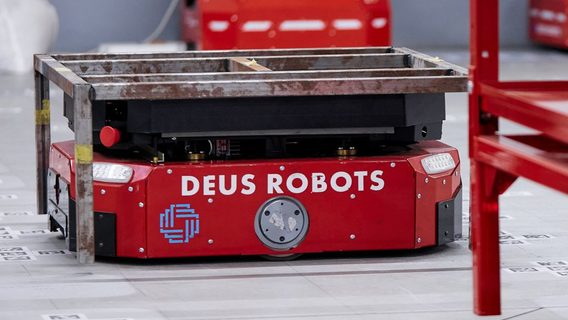
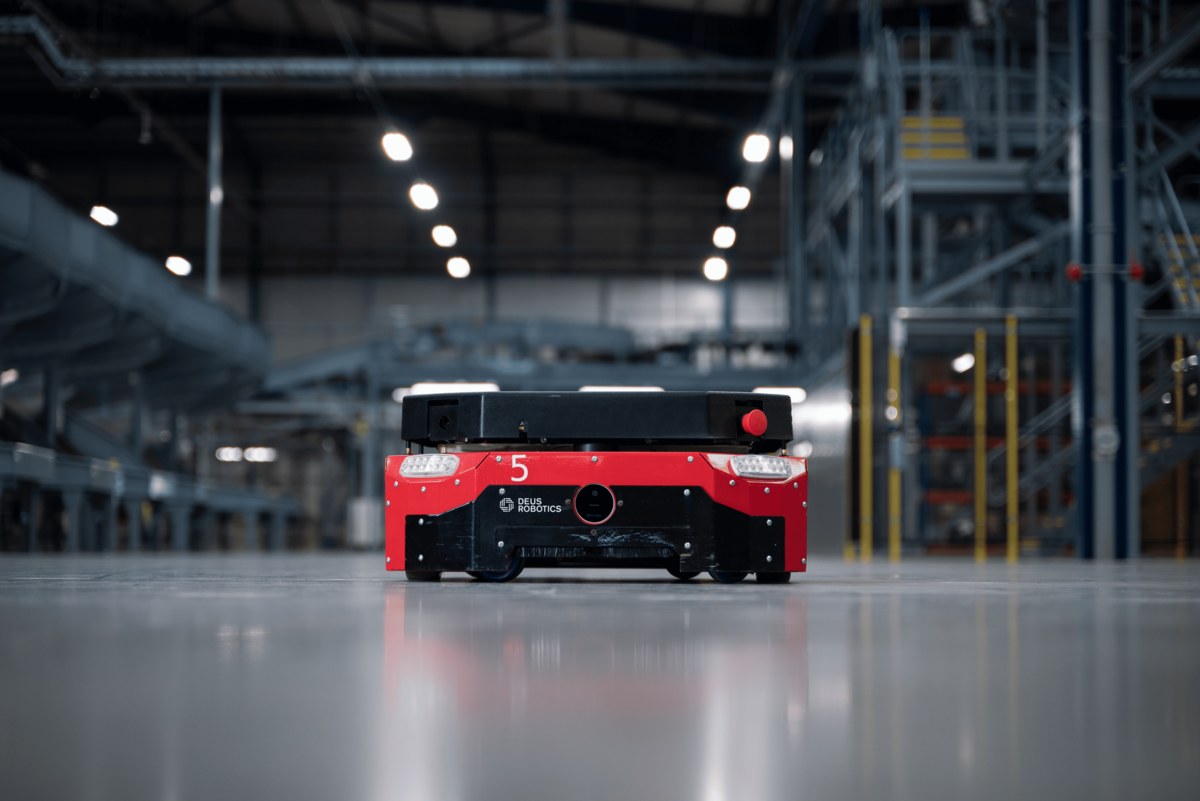
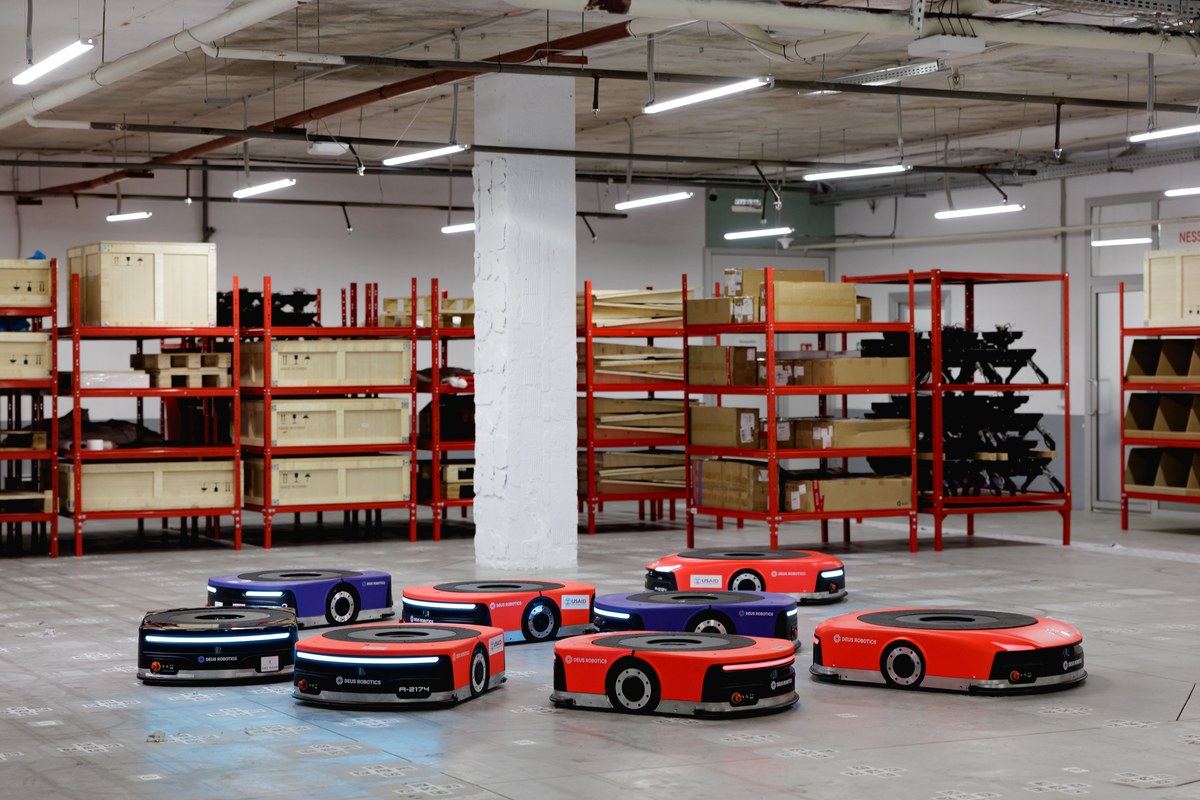
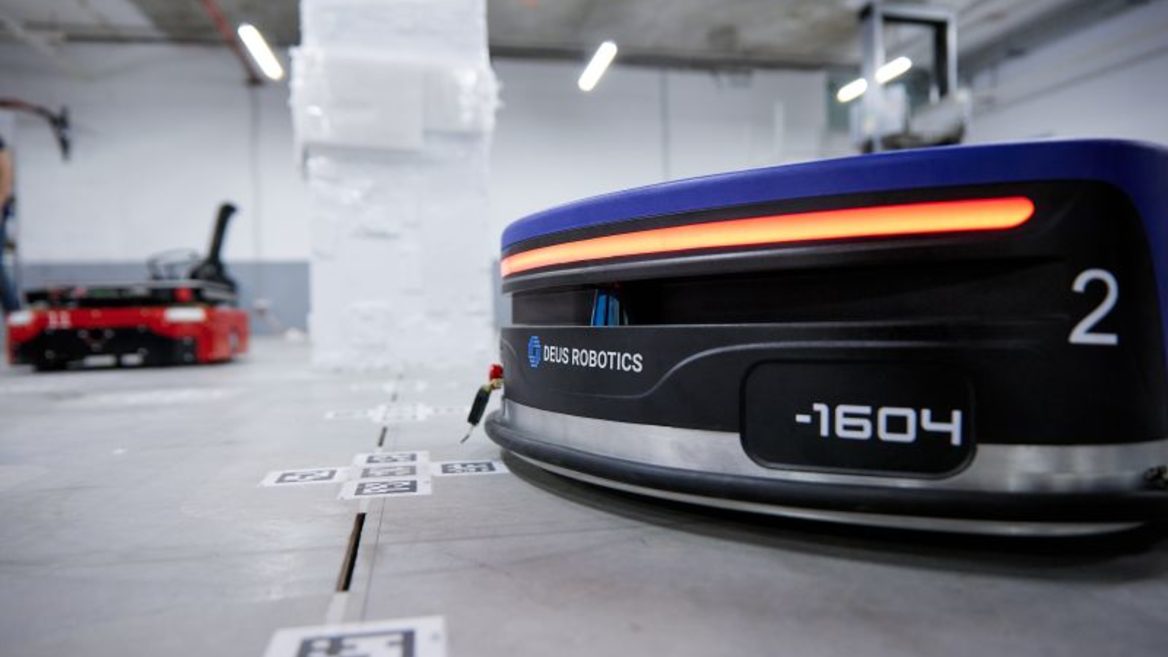
Our main product is an end-to-end warehouse robotic automation solution. The solution consists of two key components. The first part is a unified AI platform designed to connect, manage, and optimize any type of robots used in warehouse automation. The second part is a fleet of AI robots from various manufacturers, covering the majority of warehouse automation needs. Unlike competitors that offer a single robot model for a specific use case or operation, our system allows companies to select robots from any manufacturer and ensure they work together seamlessly. This kind of interoperability is unique in the industry.
In simple terms, we give you everything you need to succeed: smart robots, unique easy-to-use software, and the right strategy and support to implement warehouse robotic automation.
Our robots can handle most warehouse tasks, from pallet storage to order fulfillment. For example, for the fulfillment center of Nova Post, we developed a solution that tripled the center’s productivity. Our smart robots helped accelerate order packing, reduce picking errors, and optimize storage, enhancing warehouse space efficiency.
Who develops these solutions?
At Deus Robotics, we’ve been focusing on warehouse robotic automation in Ukraine, Europe, and the US for over five years. Our team includes 11 PhDs in robotics who not only stay updated with technological advancements but also develop cutting-edge technologies in Ukraine, something we’re very proud of. They are the ones developing the solutions.
Do you manufacture robots in Ukraine?
Until recently, we produced robots in Ukraine ourselves. In our lab, we assembled over 40 robots. Now, our partners, who have been in the market for 10-12 years, handle robot production. We focus on developing a unique AI platform for these robots and those from other manufacturers.
This means we provide robots from our partners to our clients, handling all aspects of integration and software. Our clients don’t need to understand the intricacies of robots to start automating their business. We manage the entire implementation process — from planning and calculating ROI to selecting models, training teams, launching projects, and continuous solution optimization and support.
When and why did this transformation occur?
At the beginning of 2024, we transitioned from merely assembling robots to developing an end-to-end automation solution centered on AI platform innovation, for several strategic reasons. Firstly, we recognized that the core value of a robot is its software rather than its hardware (although, designing hardware is a complex task, too). This insight led us to outsource the manufacturing of robots to partners, allowing us to concentrate on developing more valuable software products for our clients. Basically, we’ve decided to capitalize on our strength which differentiates us from competitors, namely, our unparalleled expertise in software development. This way, we turned our competitors into partners.
The second reason for this shift was our clients' demand for a broader range of robot models beyond the two we initially produced on our own. Considering that developing, designing, and testing a single robot model can take years and cost millions of dollars, we chose to accelerate our pace by collaborating with partners for robot production. Although we have paused our own manufacturing, we retain the capability to revive and produce our patented models if needed.
What range of robots do you currently service?
We offer 17 types of warehouse robots that cater to most automation needs. Some are operational in warehouses or being tested in our labs. Rack robots, for example, are the most popular model.
How challenging is it to compete in the US market with giants like Amazon and Walmart? Is it even possible?
Amazon does not sell its robots and aims to keep other logistics companies from becoming automated, as it speeds up their operations. If Amazon were to sell its robots, it would accelerate others as well. Amazon’s role is more about demonstrating the benefits of automation to other businesses.
As for Walmart, they invest heavily in automation and likely have their own robotics department. They might also produce robots independently or collaborate with companies like ours.
How can a business owner know when to invest in robotic automation?
If your processes involve repetitive, standard tasks performed by people, you sould consider robotic automation. To properly assess the return on investment in robotic automation, companies should answer these three questions:
How many people are employed?
What manual tasks do they perform?
Which of these tasks are repetitive?
Automating these tasks with robots allows your team to work faster, boosting overall efficiency irrespective of business type.
Are robots becoming more affordable?
Yes, robots are becoming cheaper, a trend that is expected to continue. With increasing competition and advancing technologies, businesses should consider automation now.
You mentioned a high level of automation and robotization in Ukraine. What’s more important and trendy?
Robotization refers to the use of robots for automation.
Robotized solutions are notably more flexible and scalable, requiring fewer human resources compared to traditional automation systems.
Integrating artificial intelligence with robotics enables the automation of processes that were previously beyond the capabilities of standard automation. Currently, the most intriguing projects involve the use of humanoid robots; however, these are still in the initial stages of development.
As for trends, the interest in robotization among Ukrainian companies is substantial and continues to increase.