Хочете будувати кар’єру в Data Science та AI? Vodafone Big Data Lab відкриває новий набір —>
Nataliia KhandusenkoHot News
18 November 2026, 10:20
2026-11-18
Researchers report two RCE exploits that bypass Telegram's new protection for Android
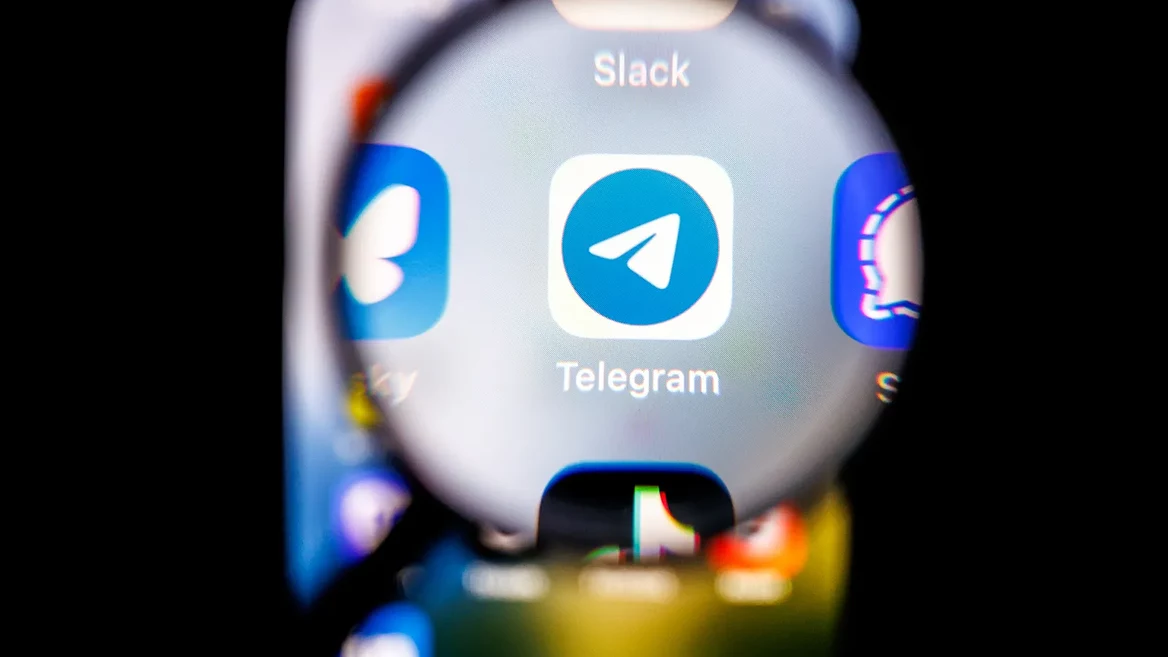
A malicious widget in Telegram can bypass the security filter that the messenger added to its Android app last week and execute third-party code outside the sandbox.
A malicious widget in Telegram can bypass the security filter that the messenger added to its Android app last week and execute third-party code outside the sandbox.
This is stated in a technical analysis by cybersecurity company NebuSec, The Hacker News reports .
How the problem arose
Last week, Telegram allowed bots to send widgets — small interactive blocks whose JavaScript code runs directly on a user’s smartphone — to chats. Two days later, a user under the nickname V12 posted a video on the social network X, claiming that now any message in the messenger can be used for remote code execution (RCE).
In response, Telegram developers in version 13.2.2 (7303) for Android moved the QuickJS engine (which is responsible for running JavaScript in widgets) to a separate process and added the seccomp system filter to block or fix dangerous system calls.
Two ways to bypass protection
According to NebuSec experts, they managed to execute code outside this filter in two different ways:
by exploiting a vulnerability in the widget that the new filter does not cover at all;
by combining a vulnerability in a widget that falls under the filter with a vulnerability in the operating system kernel.
In a demonstration video, the researchers showed how a bot widget in Telegram 13.2.2 (7303) bypasses protection and launches a standard calculator application on a smartphone.
At the same time, experts are still withholding technical details: the report does not indicate vulnerability identifiers (CVE), does not specify whether the code accessed personal messages or device data, whether the user needed to interact with the bot, and whether this information was passed on to the messenger developers. The testing was conducted on the Telegram test server, since only approved bots are currently allowed to send widgets on the main network.
Weaknesses of architecture
NebuSec notes that sandbox restrictions (such as network access restrictions) are written into the code of the QuickJS engine itself. Any memory error (such as use-after-free or buffer overflow) allows the script to read and overwrite the process's memory, nullifying all security rules. In addition, all widgets run in the same common process, so a compromised widget of one bot shares memory with all the others.
The researchers also paid attention to the settings of the seccomp filter itself:
it blocks only a few dozen system calls (like ptrace, bpf, mount), skipping the rest, including the potentially dangerous ioctl call;
In the open source version 13.2.2 (7303), the filter has been put into audit mode — it stops attempts to launch new programs, but only logs other calls and allows them to run until the developers are convinced of the stability of the operation.
Telegram reaction
Late last week, a contributor to the telegram-bot-api project on GitHub confirmed that regular bots are currently prohibited from using widgets, even in private chats.
Even before the NebuSec demonstration was published, Telegram founder Pavel Durov denied on his channel that it was possible to hack someone simply by receiving a message: "No one can be hacked by simply sending a message. The user would have to launch a third-party service first, but even this problem has already been completely fixed on the server side."
Currently, no updates to the Android client source code newer than version 13.2.2 (7303) have been published, and security experts advise against running widgets until an official fix is released.
"Has been hacked for the second time in a week, even with two-factor authentication." Users are massively complaining about losing their Telegram accounts. How can you lose an account even with additional protection?
Соціальні мережі та штучний інтелект формують глобальні наративи про війну в Україні. Як їх використовують українці та росіяни — аналітика від Foreign Policy
Напередодні вторгнення росії в Україну соціальні медіа слугували полем битви для держав і недержавних діячів, щоби поширювати конкуруючі наративи про війну та зображати поточний конфлікт у своїх власних інтересах. Видання Foreign Policy опублікувало великий аналітичний матеріал, як українці та росіяни використовують соціальні мережі, щоб давати інформацію про війну. Наводимо його адаптований переклад.
Telegram 19 червня запустив Premium-підписку. Скільки вона коштуватиме, які нові функції отримає підписник
Telegram 19 червня запустив Premium-підписку. Вона відкриває доступ до додаткових функцій месенджера. Користувачі платної версії зможуть завантажувати файли об'ємом до 4 ГБ та скачувати їх на максимальній швидкості, використовувати додаткові інструменти для керування чатами та автоматично трансформувати голосові повідомлення у текст.